
New Zealand's first military counter-drone system will not give full protection, Cabinet papers show
Released Cabinet papers show the NZDF chose a Danish-made jamming system over local options, with legal limits and naval protection still unresolved.

TAIPEI —
New Zealand's Defence Force picked a foreign-made counter-drone system with limited powers because no local manufacturer could meet its immediate needs, according to Cabinet papers reported by RNZ on 23 October. The July paper charts ministers' approval of the purchase. It says the system will deal with the most likely drone threat in the short term but will not give full protection against the advanced or high-intensity drone attacks seen in the wars in Ukraine and the Middle East.
BusinessDesk reported on 20 October that the paper on initial counter-drone acquisitions had been released proactively by the NZDF earlier this month. The specific system it discussed, described only as already in use by Australia, was redacted, and the sums of money involved were blanked out.
The purchase itself was made public in September. The Danish firm MyDefence said on 1 September that its counter-unmanned aerial systems had been selected for the NZDF through its regional partner HighCom Technology, a subsidiary of Australia-listed HighCom Limited. The contract, worth about NZ$1.96 million, covers the systems, spares and training support, with delivery expected in the 2027 financial year. It followed the company's earlier selection by the Australian Defence Force.
MyDefence markets jammers that cut the radio and GPS links that drones depend on, including wearable units for soldiers and detection systems for base perimeters, RNZ noted. The Cabinet paper presents the buy as a foundation for later capability, including a possible move to systems that destroy drones physically with projectiles.
According to RNZ, the papers say the system will give sufficient protection for the army and the air force, including guarding Royal New Zealand Air Force aircraft and personnel at air bases when they deploy on operations overseas. Protection for the navy is more complex and would come later. The chosen package ranked fourth of five options by strength of protection. A fifth option offering maximum protection for larger and more complex operations was ruled out, and the reasons for each option were redacted.
Legal limits are another hurdle. The paper says inter-agency coordination and changes to legislation will be needed to clarify and widen the legal authority to use even this limited system, and every detail of the legislative implications was withheld. One section says the equipment is not meant for use inside New Zealand except in support of national security objectives, while another section discusses domestic deployment.
The NZDF took part in Australia's counter-drone selection in November 2025 and then heard from 46 companies, 17 of them with facilities in New Zealand. The Cabinet paper concludes that no domestic manufacturer currently meets the immediate requirement, and that a proven system already used by Australia and other partners offers interoperability and value for money. A separate paper from November 2025, also just released, proposes a defence Technology Accelerator that would start with drones and counter-drone systems, backed at first by about NZ$1 million a year for co-development and prototype testing.
For a small force that deploys alongside Australia and other partners across the Pacific, the papers show how drone defence has become a basic requirement for protecting troops and aircraft. They also show the distance between buying proven jamming equipment now and building the legal authority and local industry needed to field stronger defences later.
Sources
More in Indo-Pacific

US Air Force bars all BYD vehicles from Kadena Air Base over data-leak fears
Kadena's security forces will turn away every BYD car, taxi and delivery van from 26 October, South Korean media report, citing a US Forces Japan official.
TaiwanDefence · 12m ago · 3 min read
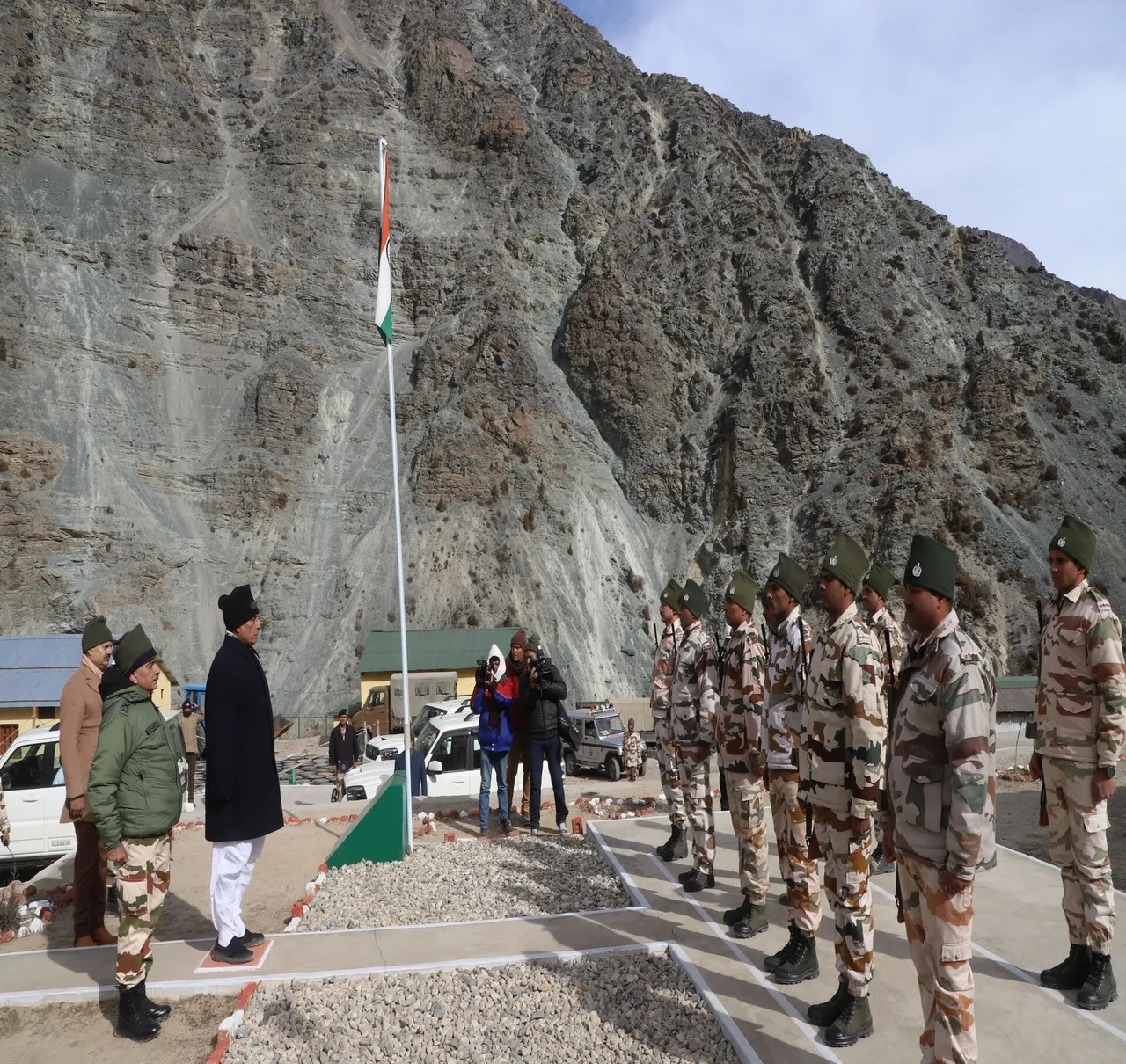
India's border force chief says face-offs with Chinese troops continue in Arunachal Pradesh
The ITBP's director general says confrontations with PLA troops are still under way at several sites, as the force adds drone platoons and plans underground border shelters.
TaiwanDefence · 3h ago · 3 min read
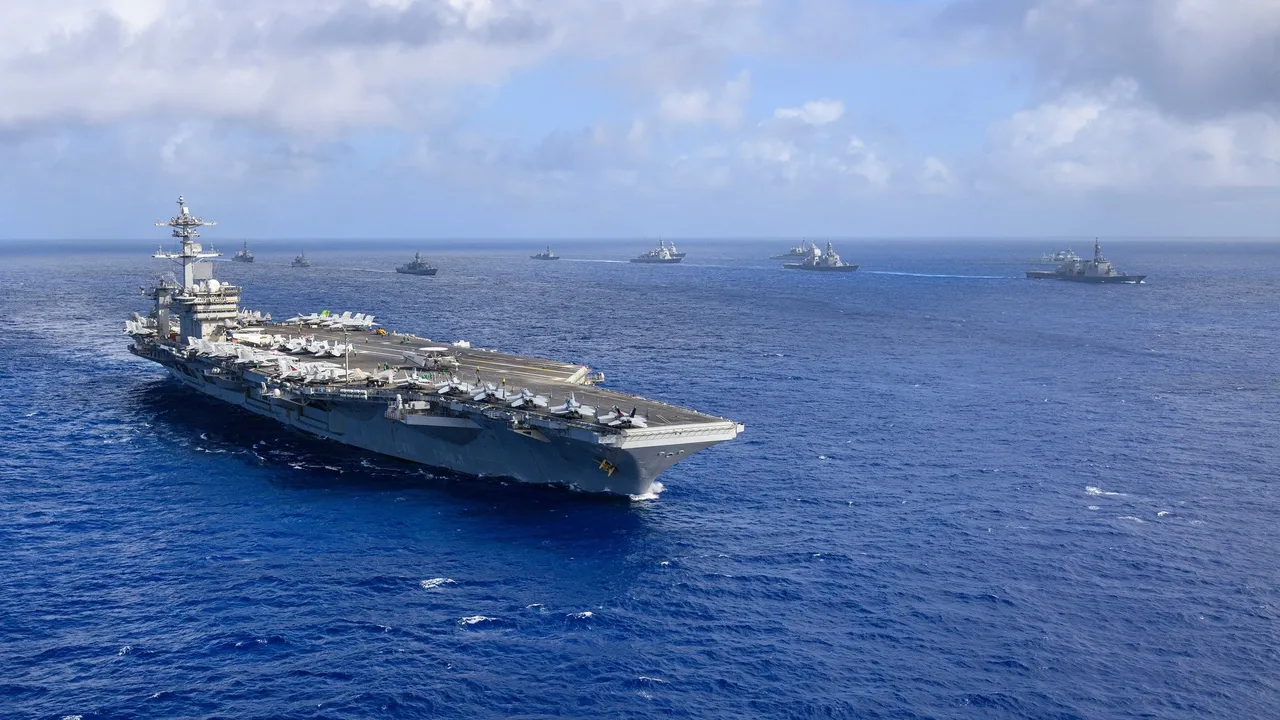
USS Theodore Roosevelt sails with Japanese, Australian, Canadian and French warships in Keen Sword
The US carrier strike group joined a five-navy formation in the Philippine Sea on 21 October as Keen Sword 27 moved to sea, with US F-22s flying from Kyushu.
TaiwanDefence · 6h ago · 3 min read
Discussion (0)
Comments are not currently available.