
South Korea plans to put its first military spy satellites on a home-built Nuri rocket in 2031
Four electro-optical reconnaissance microsatellites are slated for Nuri's 11th launch, ending reliance on SpaceX, with about eight more under discussion.
TAIPEI —
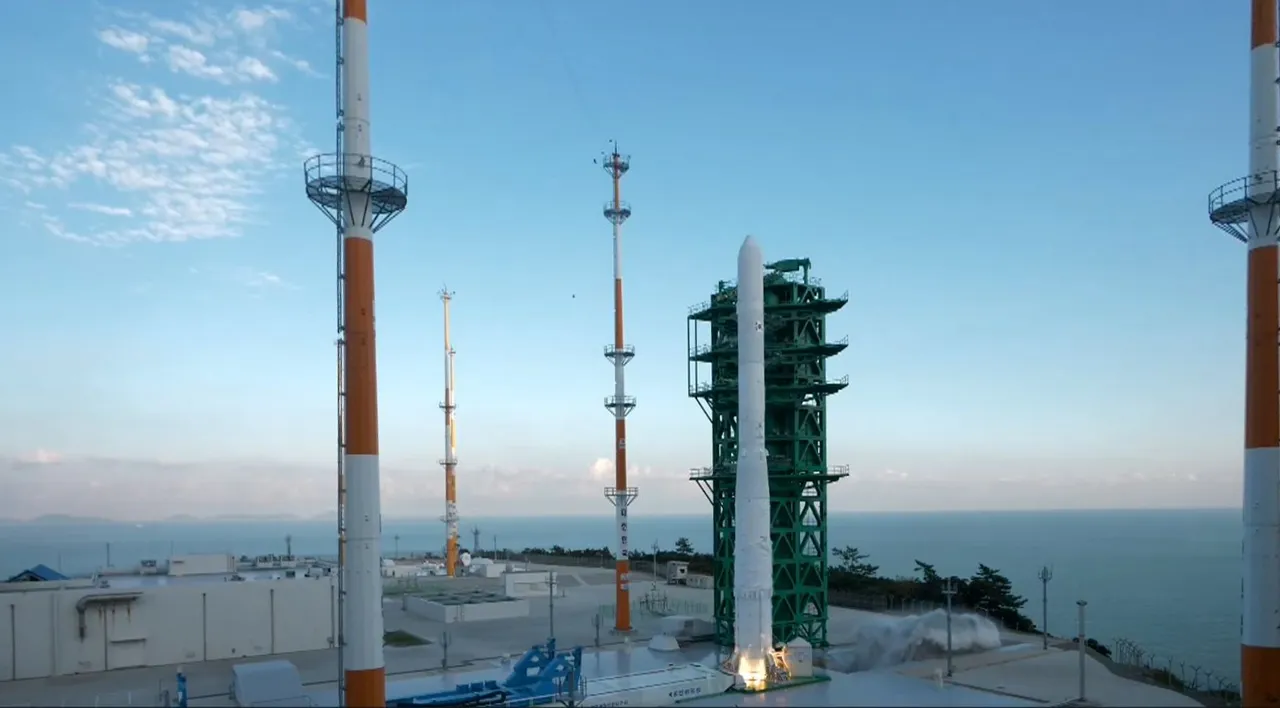
South Korea plans to send military reconnaissance satellites into orbit on its own Nuri rocket for the first time, with four electro-optical microsatellites booked on the rocket's 11th launch in 2031. Oh Tae-seok, head of the Korea AeroSpace Administration, set out the schedule at a cabinet meeting in Seoul on 20 October, Hankook Ilbo and the Seoul Economic Daily reported.
Seoul has until now relied on the American company SpaceX to launch its military reconnaissance satellites, the Seoul Economic Daily noted, so the 2031 mission would be the first time a South Korean military spy satellite rides a domestically built launcher. Hankook Ilbo said it was also the first time the government had given a concrete date for Nuri to carry defence satellites.
The four satellites belong to a microsatellite system run jointly by the Defense Acquisition Program Administration, the space agency and the Korea Coast Guard, with the Agency for Defense Development leading the engineering work, Chosunbiz reported. The electro-optical satellites use cameras to image the ground. The military will use them to watch military facilities and troop movements, while the same imagery is also meant to support disaster response and maritime monitoring.
Defence Minister Kang Shin-chul told the same meeting that, beyond the four satellites due in 2031, his ministry plans to seek cooperation on roughly eight more, both Hankook Ilbo and the Seoul Economic Daily reported. President Lee Jae-myung replied that launchers and satellites were likely to become core military assets and that demand for satellite communications would keep growing, and he asked officials to consider spending more on rockets and satellites, according to the Seoul Economic Daily.
The wider plan calls for Nuri to fly at least once a year from 2027 to 2032, with two launches in 2030. Chosunbiz said the sixth flight in 2027 would carry microsatellites seven to eleven of a civilian constellation, followed by a next-generation medium satellite in 2028, a lunar-orbit communications satellite in 2029, and two low Earth orbit communications satellites plus a small lunar lander in 2030.
The 12th launch, in 2032, is to carry three companion satellites for Arirang 8, a radar imaging satellite that can observe the ground at night and through cloud. The main satellite will transmit radar signals and the companions, flying in formation at different positions, will pick up the reflections, a multistatic method meant to sharpen image quality and terrain data, according to Chosunbiz and the Seoul Economic Daily.
Reliability is the main condition. Nuri's fifth flight on 7 October placed five microsatellites in orbit and raised its cumulative success rate to 80 percent, Hankook Ilbo reported. The government wants that figure near 90 percent by 2031, the year it plans to entrust the rocket with defence payloads. When Lee asked whether one launch a year was enough to stay competitive, Oh said more flights could be added if demand emerged from low-orbit communications satellites or space data centre trials.
The Defense Post, citing Yonhap, said the plan moves South Korea toward a sovereign launch capability for military satellites. It also noted that Seoul is studying a national low Earth orbit defence communications constellation known as K-LEO, and that Hanwha Systems and Canada's MDA Space signed a memorandum earlier this year to assess whether MDA's AURORA software-defined satellite platform could meet its needs.
The space agency also outlined a reusable rocket test path, Chosunbiz reported: a 12-metre test vehicle is to hop to about 500 metres by 2028, a roughly 50-metre next-generation first stage is to fly to about 1,000 metres in 2032, and a recovered first stage is to be reused by 2035. The next-generation launcher is meant to lift about 7 tonnes to a 500-kilometre orbit, against 2.2 tonnes for Nuri, and a site for a second space centre is due to be chosen by December.
Sources
More in Indo-Pacific
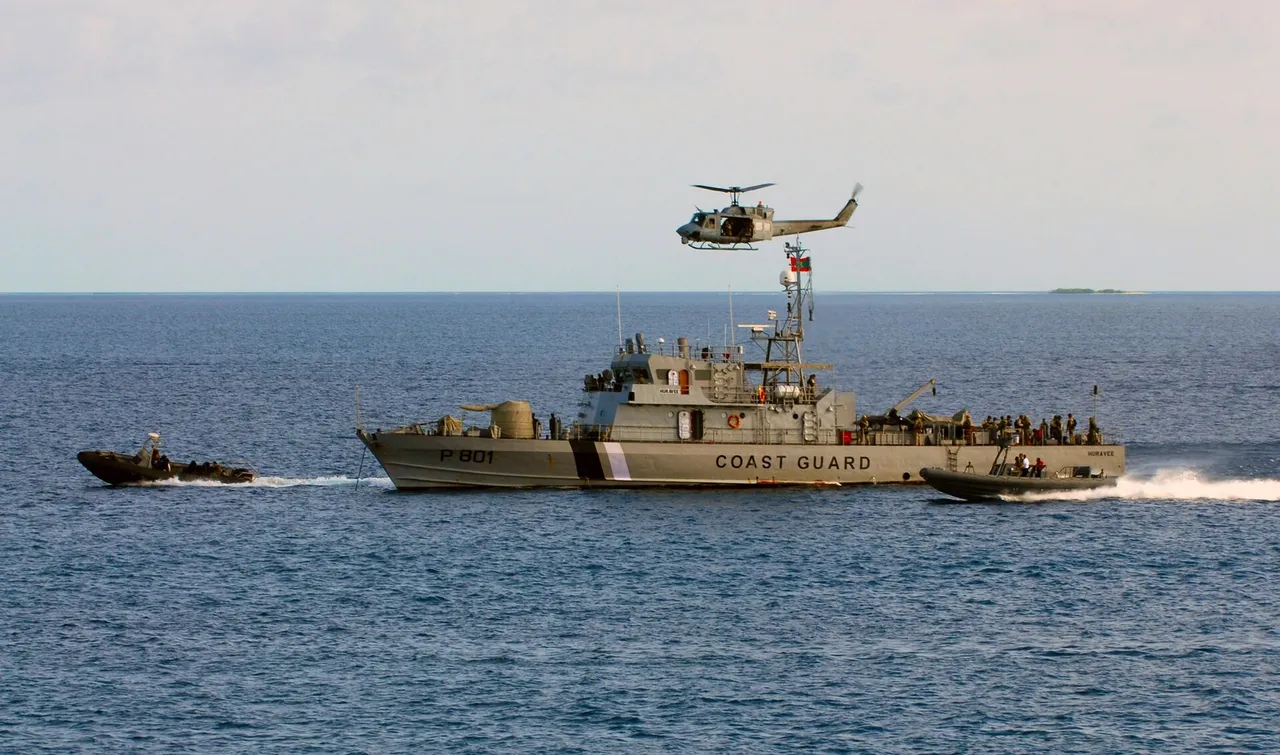
Pakistan and the Maldives sign defence and maritime security pacts during Muizzu's Islamabad visit
The 20 memorandums signed in Islamabad include defence and maritime security, and Pakistan's army chief met President Muizzu to discuss closer military ties.
TaiwanDefence · 37m ago · 3 min read
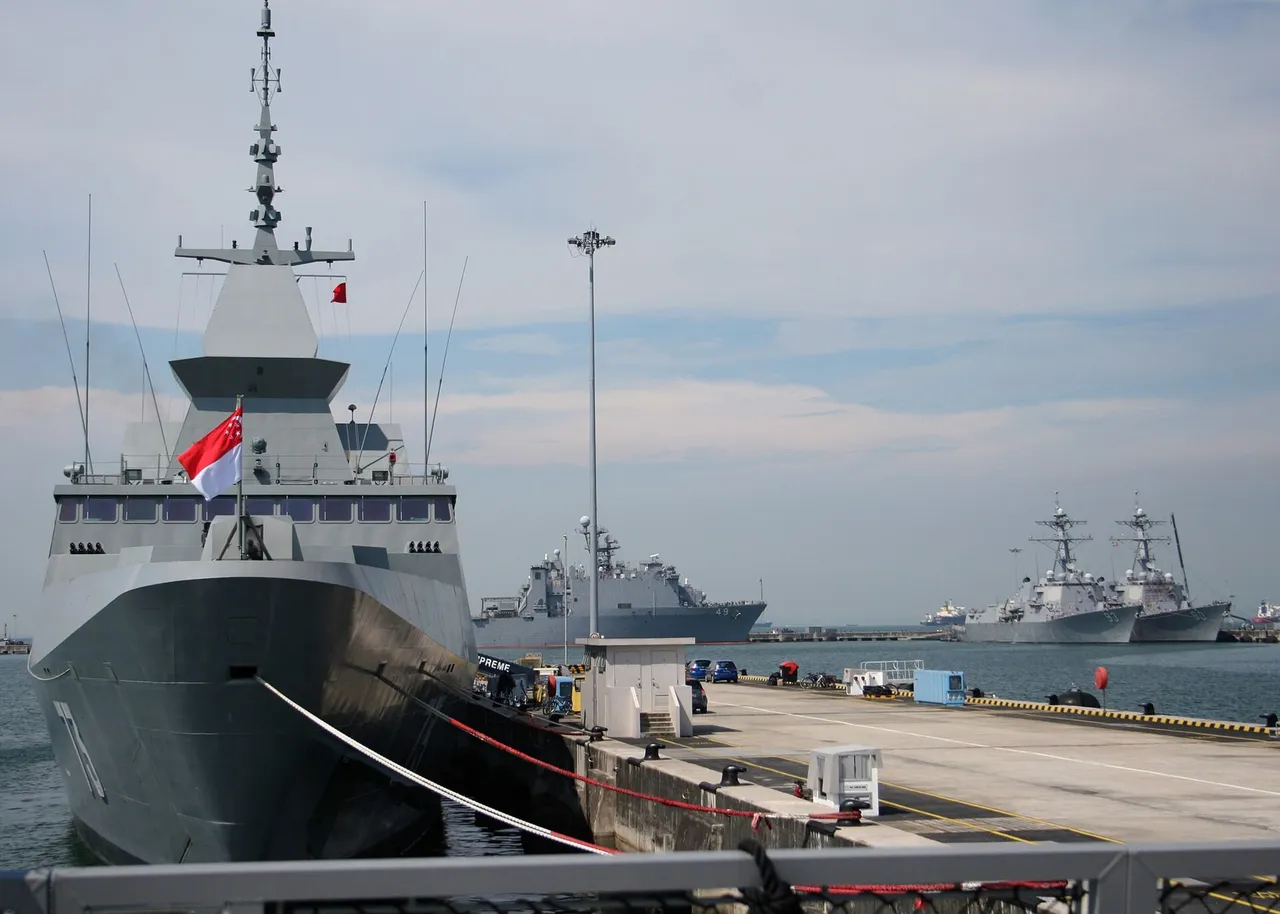
India and Singapore open SIMBEX naval drills at Visakhapatnam with anti-submarine warfare at the core
The 33rd SIMBEX began on 21 October as RSS Supreme reached Visakhapatnam, with a Bay of Bengal sea phase of anti-submarine, anti-air and surface drills set for 24-26 October.
TaiwanDefence · 2h ago · 2 min read
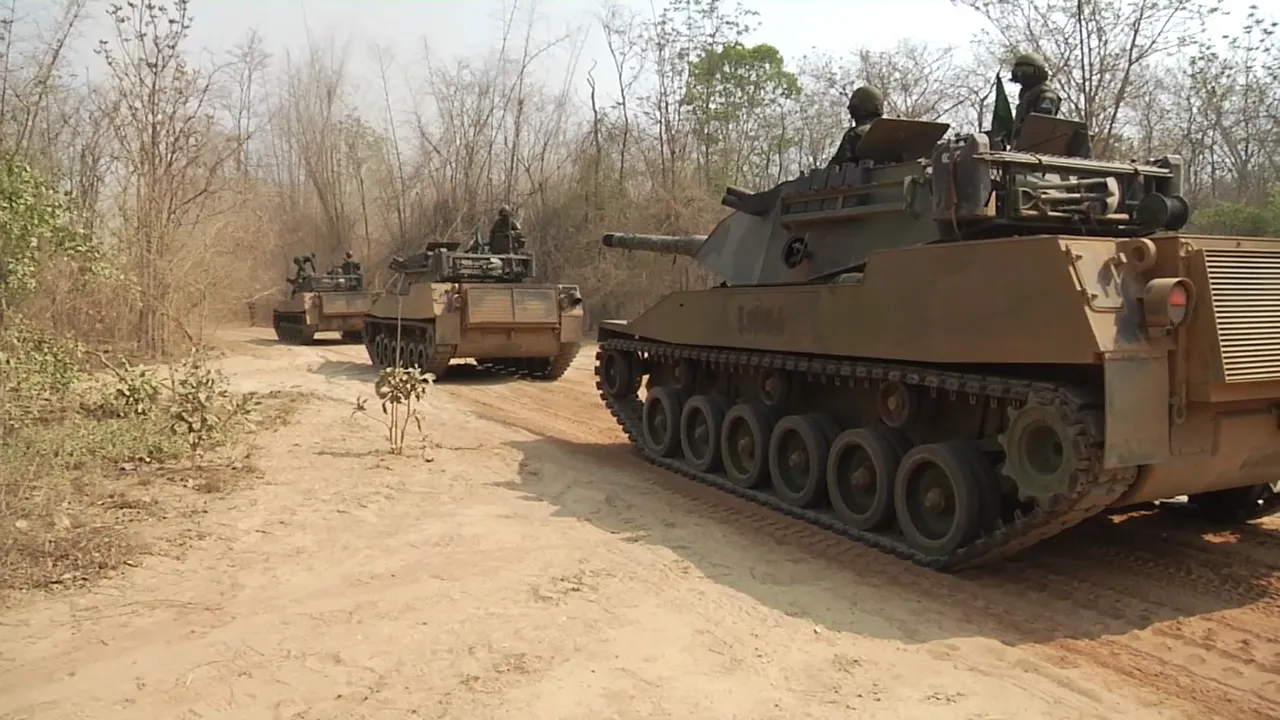
Thailand's army wants its cadets trained at China's armoured forces academy
Thailand's army intelligence chief and China's military attache discussed cadet training, drone and border-surveillance technology and the Cambodian border.
TaiwanDefence · 4h ago · 3 min read
Discussion (0)
Comments are not currently available.