
Thailand's army wants its cadets trained at China's armoured forces academy
Thailand's army intelligence chief and China's military attache discussed cadet training, drone and border-surveillance technology and the Cambodian border.
TAIPEI —
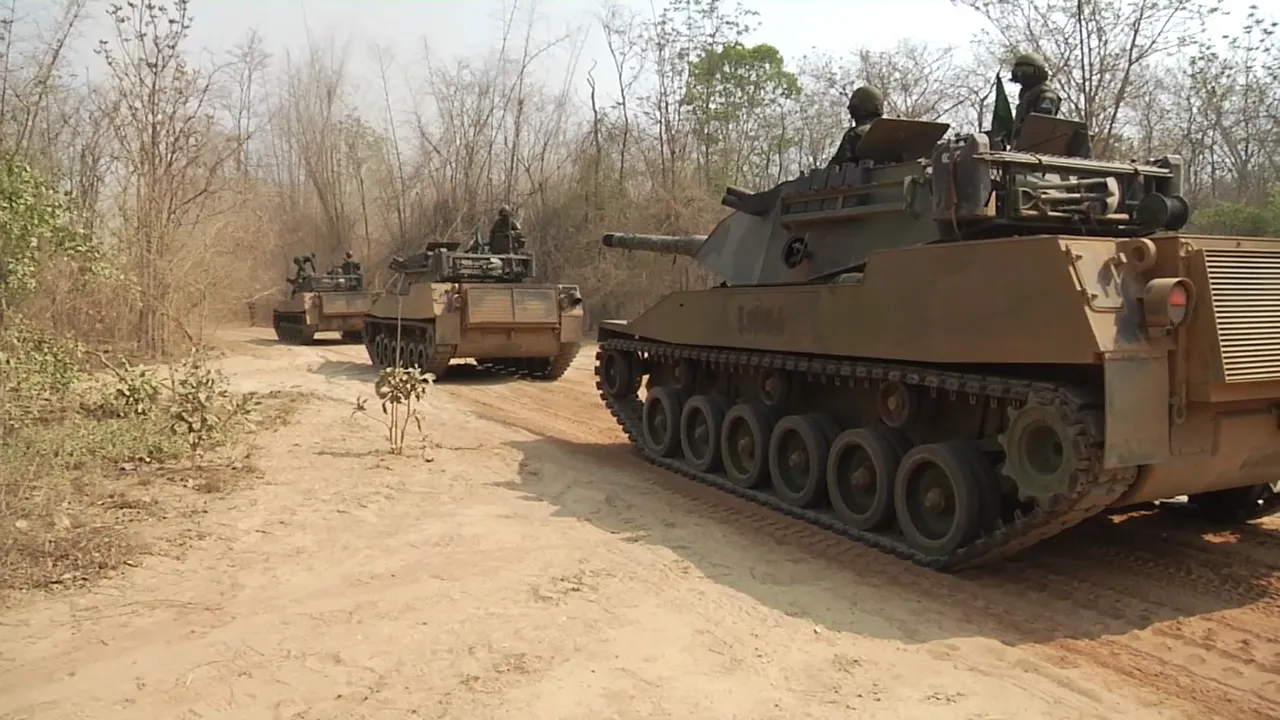
The Royal Thai Army wants to send Thai officer cadets to study at the Chinese army's Academy of Armoured Forces, as part of a push to deepen military ties with China. The proposal was raised at a meeting between the army's intelligence chief and China's military attache in Bangkok, Thai PBS World reported on Wednesday 21 October.
The talks took place at Royal Thai Army headquarters on the morning of Tuesday 20 October, according to the Thai daily Naewna. Lieutenant General Sorawut Chayabutra, who heads the army's Intelligence Department, received Major General Zhang Linhong, the military attache at the Chinese embassy in Thailand, and his delegation for discussions on military cooperation.
Naewna reported that the Thai army commander wants to give Thai cadets the chance to train at the Chinese army's armoured school, and to promote exchanges of curricula and know-how so that the lessons can be adapted to the Thai army's own missions and conditions. Thai PBS World said the army described the two sides as also discussing an exchange of military curricula and expertise along those lines.
The cooperation agenda went well beyond schooling. According to both outlets, the two sides talked about exchanging information on cyber and space affairs, applying artificial intelligence, techniques for integrating data from border surveillance systems, and unmanned aerial vehicle technology. They also discussed sharing experience in fighting online crime and scam networks, an area where the army said closer work could make both sides more effective.
Naewna presented the meeting as building on existing military and intelligence cooperation between the Thai and Chinese armies, covering technology, information sharing and personnel development. Neither report gave a number of cadets, a start date or any sign that China had accepted the proposal, so for now it remains a stated Thai aim rather than an agreed programme.
The meeting also touched on the Thai-Cambodian border. Naewna said the Thai side set out the situation there along with its concerns. Both outlets reported that the Chinese side reiterated that China is neutral and supports Thailand and Cambodia in resolving their differences peacefully and by mutual agreement.
The army-level talks follow a higher-profile step in the defence relationship last month. On 16 September Thailand and China signed a military assistance agreement in Beijing to support the Royal Thai Navy's long-delayed S26T submarine, linking spare parts, simulators and crew training to the construction programme, Defence Security Asia reported. Thai Defence Minister Adul Boonthamcharoen and Chinese Defence Minister Dong Jun witnessed the signing, and the outlet said the wider ministerial discussions also covered cyber capabilities and artificial intelligence.
The submarine is now due by the end of 2028, five years later than first planned, after Thailand accepted Chinese CHD620 diesel engines in September 2025 in place of German MTU units that could not be supplied, according to the same report. That programme has become a test of whether Chinese support can deliver usable capability rather than just hardware.
Taken together, the reports show cooperation between the two militaries spreading from equipment into training and information sharing. Sending Thai cadets to a Chinese armoured school would add an education link to a relationship that already includes the Chinese-built submarine and ministerial talks on cyber and artificial intelligence, while the army-level agenda now also reaches into border surveillance and drone technology.
Sources
More in Indo-Pacific
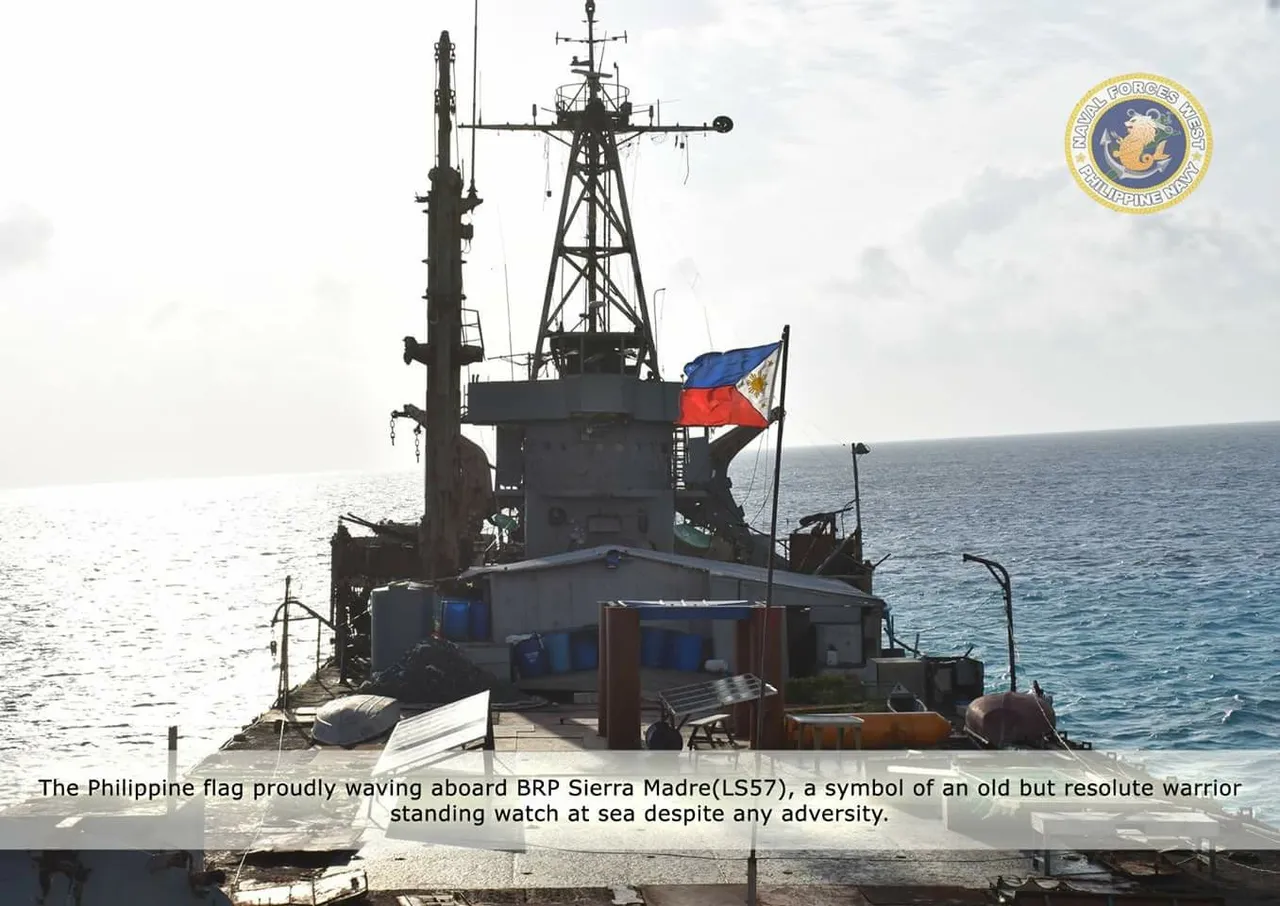
Philippines resupplies its Second Thomas Shoal outpost a month after China turned back the last mission
Manila's defence chief says the latest supply run to BRP Sierra Madre succeeded, while China's coast guard claims it allowed and watched the delivery.
TaiwanDefence · 1h ago · 3 min read
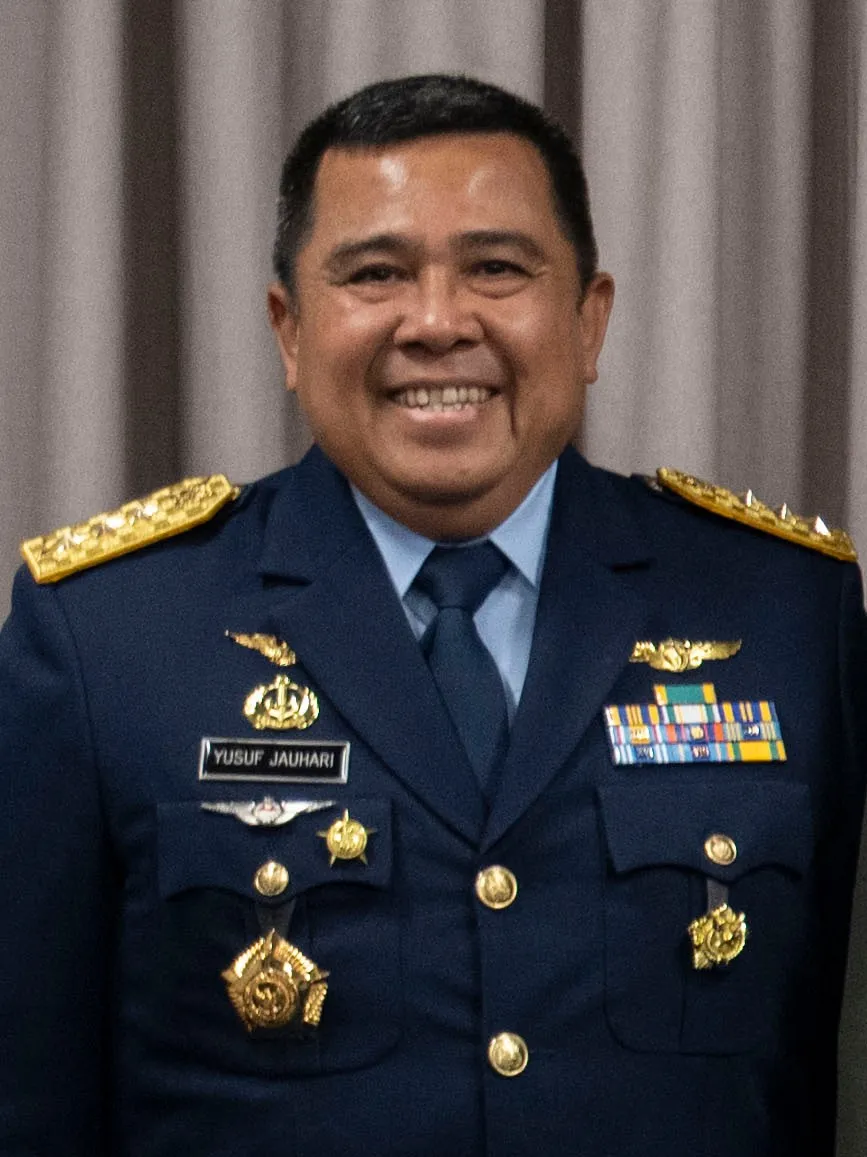
Turkey, Qatar, Pakistan and Indonesia sign Badr memorandum to pool military production
Indonesia's new deputy defence minister for defence industry joined Turkish, Qatari and Pakistani ministers in Doha to sign a pact on joint arms output and R&D.
TaiwanDefence · 3h ago · 2 min read
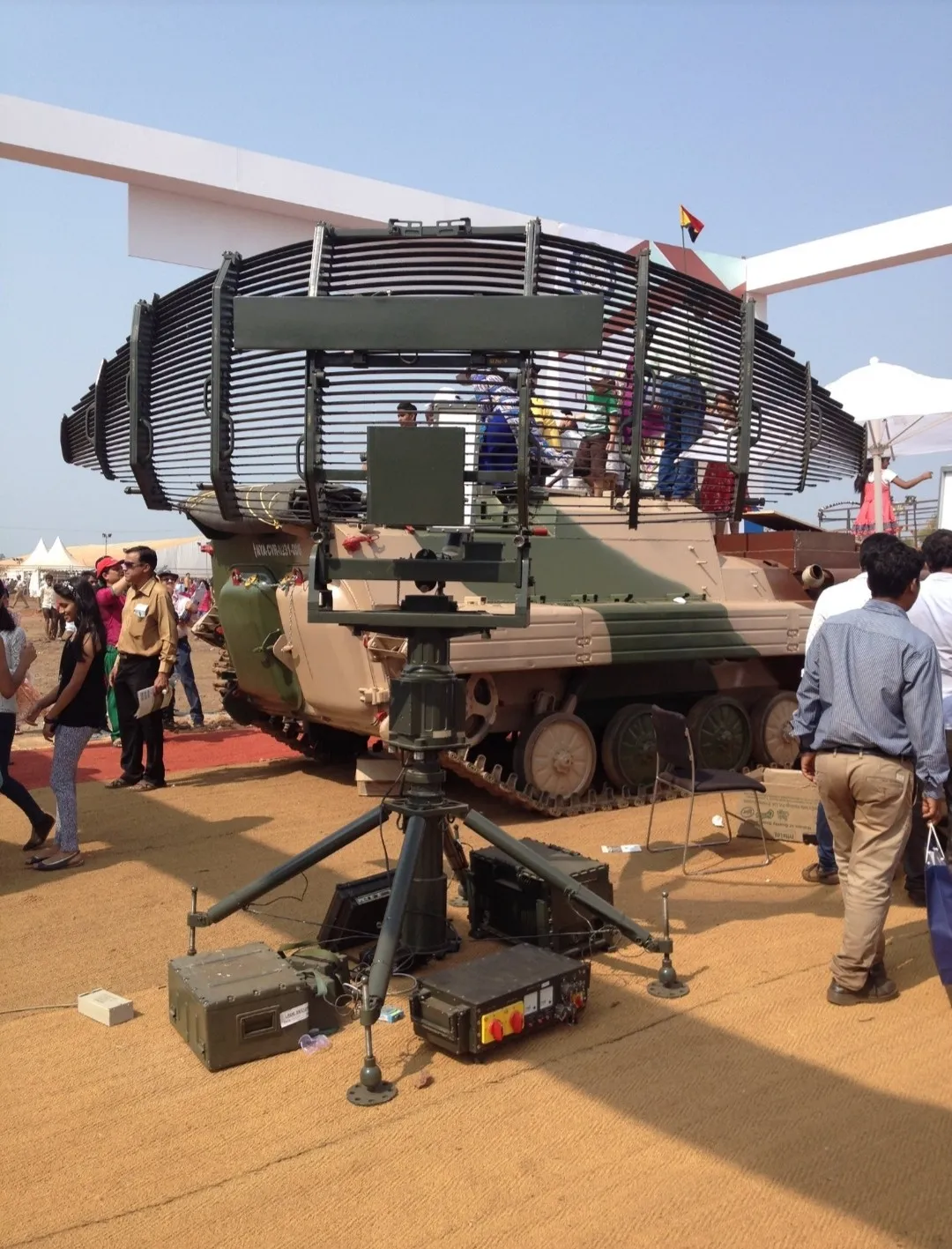
India orders improved low-level radars from BEL to help its army spot drones and fighters
India's defence ministry has signed a Rs 770 crore deal with Bharat Electronics for LLLR-I radars that can track fighter jets as well as mini and micro drones.
TaiwanDefence · 4h ago · 2 min read
Discussion (0)
Comments are not currently available.