
South Korea's navy plans a 30,000-ton drone carrier for the early 2040s
The navy told lawmakers it wants a ship far larger than its old light-carrier plan, built around combat drones and drone boats, with a JCS decision due this year.
TAIPEI —
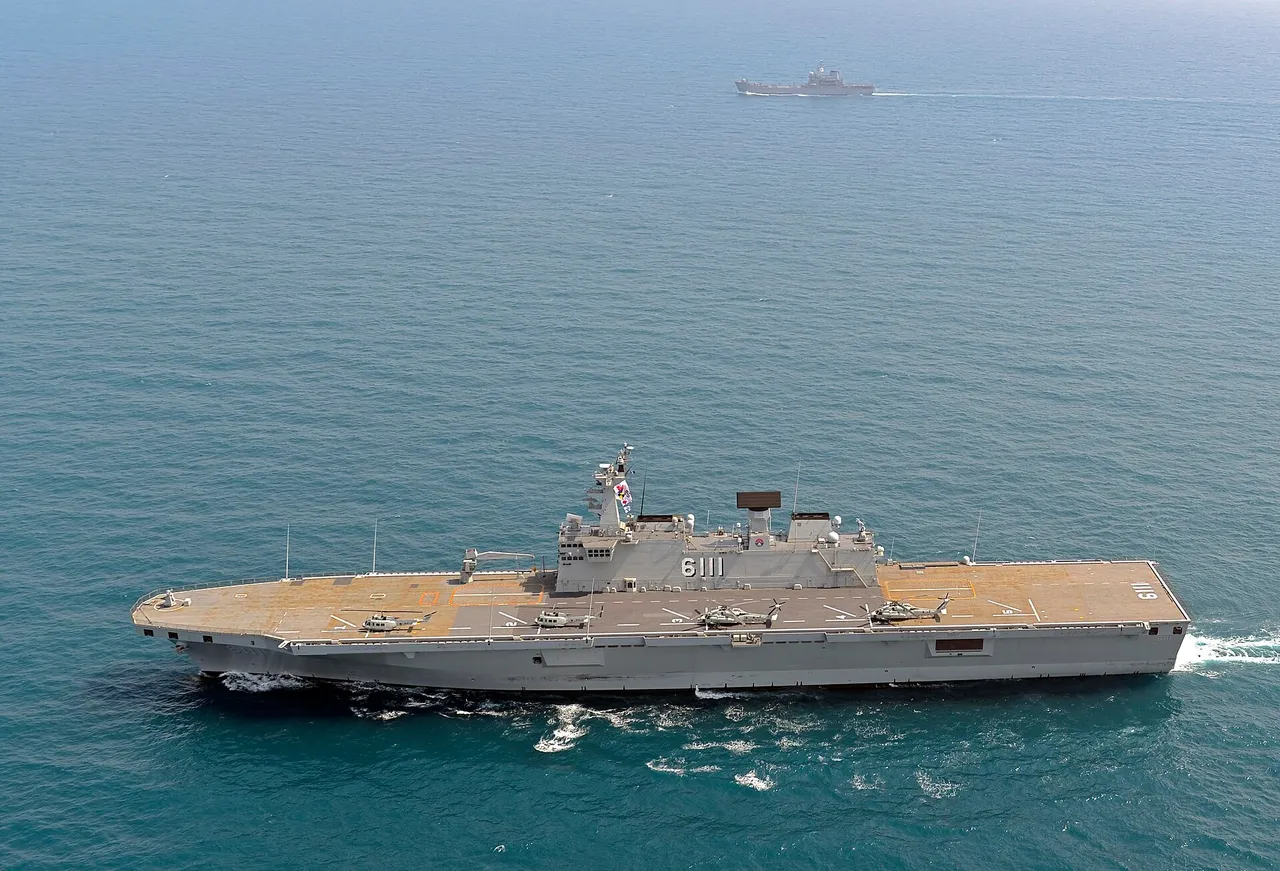
South Korea's navy told lawmakers on Tuesday 20 October that it wants a carrier of more than 30,000 tons built mainly around drones rather than crewed fighter jets, and that it aims to bring the ship into service in the early 2040s. The plan was set out in the navy's report to the National Assembly's defence committee during its annual audit at the Gyeryongdae military headquarters, which Chief of Naval Operations Adm. Kim Kyung-ryul attended.
The ship replaces the navy's earlier light aircraft carrier project. According to the reports, the navy changed the requirement for that programme to a manned-unmanned carrier in October last year and resubmitted it to the Joint Chiefs of Staff, which is still reviewing it. Yonhap reported that the Joint Chiefs are expected to settle the acquisition plan by the end of this year. Maeil Business Newspaper noted that the early 2040s target is later than the late 2030s date the navy gave at last year's audit.
The new design is also bigger. The navy is looking at a hull about 270 metres long and 70 metres wide, compared with roughly 250 metres and 40 metres under the old light-carrier concept, and plans an angled flight deck to make aircraft operations more efficient. Yonhap said the ship would be more than twice the size of the 14,000-ton amphibious assault ship Dokdo, currently the largest vessel in the South Korean fleet.
Its air wing would be made up largely of uncrewed systems. The reports list naval unmanned combat aircraft, drones for surveillance and for suicide attacks, and uncrewed surface vessels for swarm attacks and mine warfare, with Yonhap putting the total at more than 20 unmanned systems. The navy also wants room for crewed assets such as amphibious and attack helicopters and high-speed landing craft, and says the ship could support landings as well as disaster relief.
The audit report also covered the nuclear-powered submarine programme. The navy set up a temporary task group on 1 May to prepare for building and operating the boats. Yonhap reported that the navy plans to launch the lead submarine in the mid-2030s and put it into service by the late 2030s, that officials reportedly want at least three boats of about 8,000 tons, and that they would use low-enriched uranium below 20 percent.
The navy linked much of its plan to North Korea's push to take nuclear and missile weapons to sea on submarines able to launch ballistic missiles and on its new destroyers. By the early to mid-2030s it intends to build KDDX destroyers and a third class of maritime intelligence ship, and to acquire ship-launched ballistic missiles for land attack, long-range sea-launched loitering drones and SM-3 and SM-6 interceptors. From the late 2030s, a next-generation destroyer based on KDDX would replace the ageing Chungmugong Yi Sun-sin and King Sejong the Great classes, alongside a domestically developed sea-based ballistic missile interceptor.
The report also leans more on private shipyards for maintenance. After the Dokdo went through depot maintenance at a civilian yard in 2024, the Aegis destroyer King Sejong the Great began the same process in September, and a pilot will outsource work at the Jeju mobile fleet command's field maintenance centre next year. The navy also said it would help South Korean companies seeking to repair foreign warships, including US ships, by offering ammunition storage, sea trials and crew training.
Sources
More in Indo-Pacific
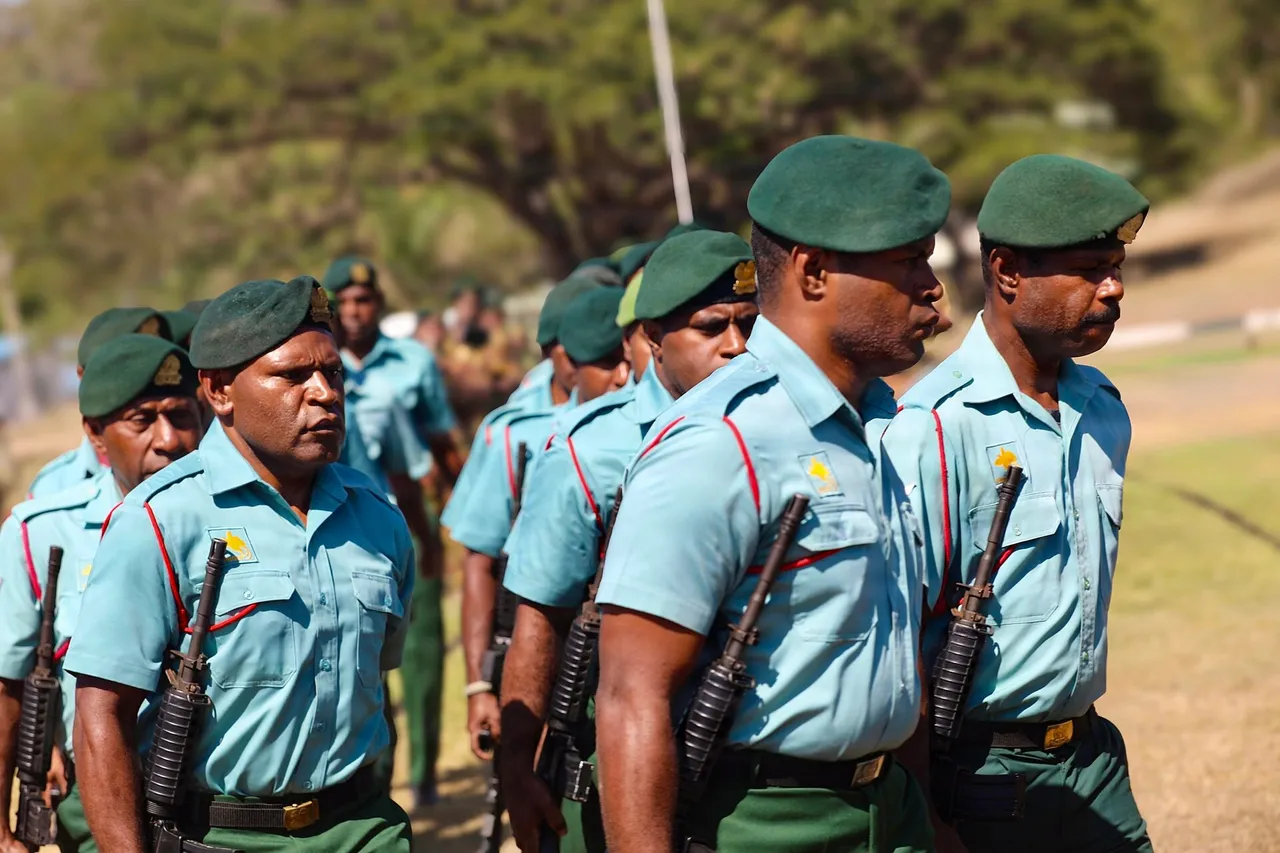
Australia opens its military to recruits from Papua New Guinea under their new defence treaty
Applications open on 16 November for a A$65 million pilot meant to bring about 100 Papua New Guinean students and graduates into the ADF over two years.
TaiwanDefence · 6m ago · 3 min read
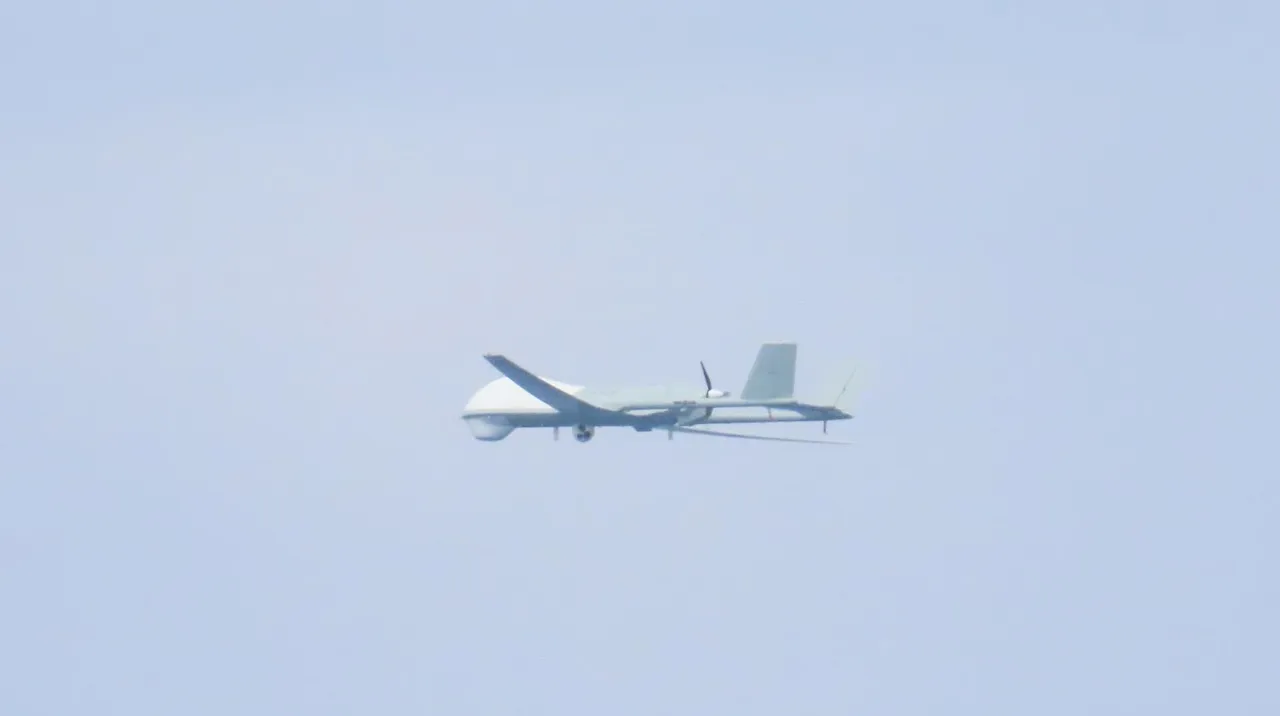
Chinese military drones fly through Japan's southwestern islands as Koizumi warns of new ways of war
A BZK-005 and a TB-001 crossed gaps near Okinawa, Miyako and Yonaguni on 19 October, and Japan's defence minister said the flights show why Tokyo must prepare for drones.
TaiwanDefence · 2h ago · 2 min read
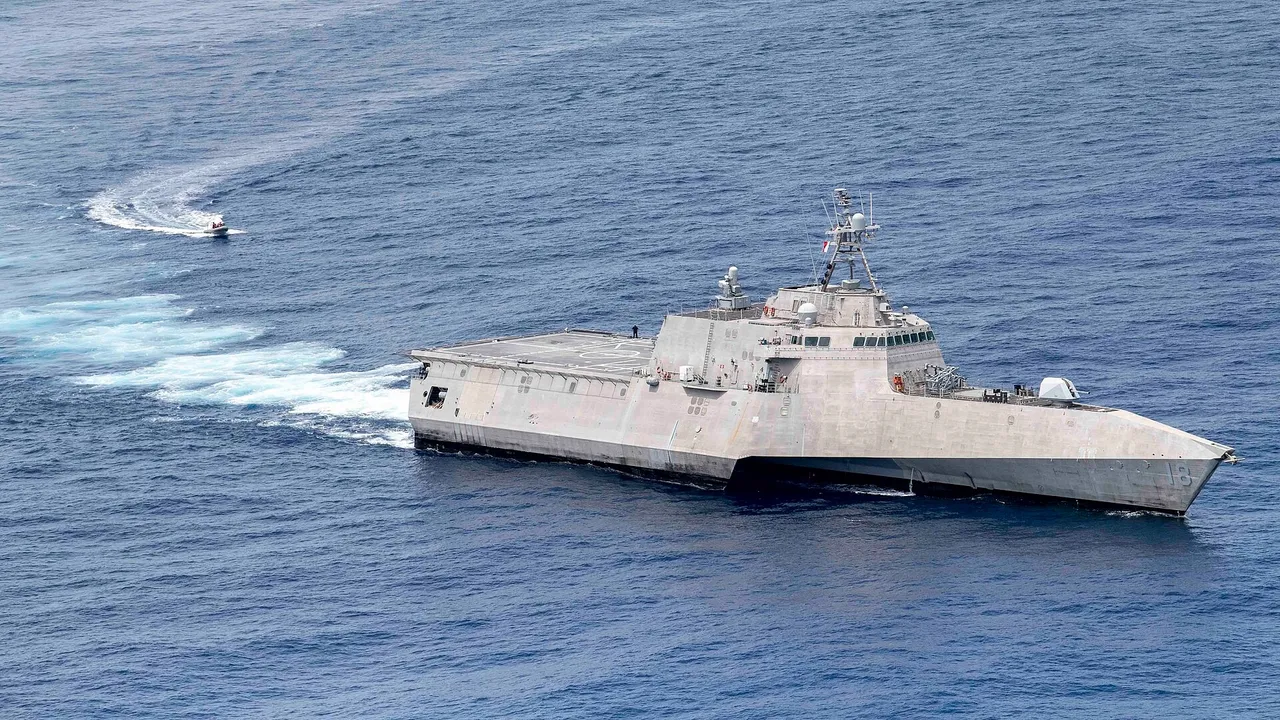
China's navy says it tracked the US warship USS Charleston near disputed Sabina Shoal
The PLA Southern Theater Command accused the US littoral combat ship of entering waters near the Spratly feature without approval; the US Navy has not yet commented.
TaiwanDefence · 4h ago · 2 min read
Discussion (0)
Comments are not currently available.