
Taiwan's air force delays radar guard platoons to 2029 as China-free vehicle bid stalls
Taiwan's air force will form 14 conscript guard platoons for its radar stations in phases through 2029, and a patrol vehicle tender drew no bidders.
TAIPEI —
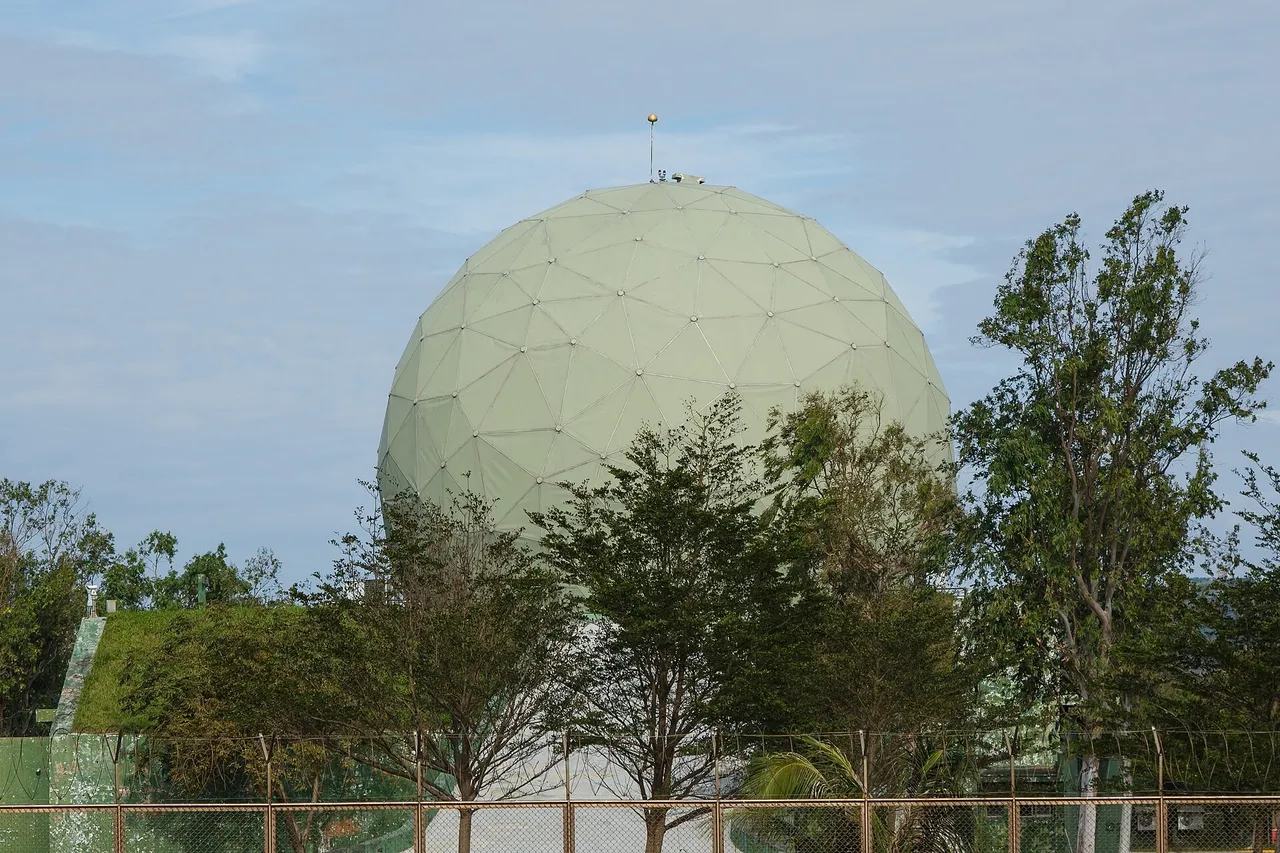
Taiwan's air force has pushed back its plan to create 14 dedicated guard platoons for its radar stations, and will now stand them up in phases through 2029 rather than all in 2027, according to a defence ministry report to the Legislative Yuan reported by the Liberty Times on 15 October 2026. A separate purchase of patrol vehicles meant for the new units has stalled after no supplier bid under procurement rules that ban Chinese-made components.
The platoons are to be manned by one-year conscripts and assigned to protect the air force's radar sites, many of which sit on mountains, hills or outlying islands. The ministry said the project entered the armed forces' five-year force-building plan in 2023, and the acquisition paperwork for the vehicles was completed in 2024 and 2025 under the normal process.
Force structure rethink
In the second half of 2025, the air force reworked what the ministry called the force structure for defensive operations. That review set out six phases of organisational changes between 2027 and 2029, and moved the radar guard platoons, among 14 units in total, to a 2029 completion date. Taiwan News, citing the same report, said the units will now be rolled out in stages rather than formed in a single year.
To keep the schedule from slipping further, the air force had planned to buy new vehicles in 2026 and send them to radar stations before the platoons formally exist. The ministry said that would give troops time to train, set up maintenance capacity and complete instruction so the units could take over their mission smoothly once formed.
No bidders under the non-red rule
The 2026 defence budget set aside NT$24.825 million to buy 14 patrol vehicles, roughly NT$1.77 million each, according to Liberty Times reporting on the budget in August 2025. The ministry said the light and medium tactical wheeled vehicles radar units drive today have a high centre of gravity and many blind spots, which raises safety risks, and that many are past their service life and hard to maintain.
A market survey found that most dealers, held back by quality and price, could not keep their supply chains completely free of mainland Chinese parts, so none entered the tender, the ministry said. The purchase is now being re-tendered. The ministry said the air force follows the national security policy of non-red supply chains, and that the tender documents explicitly bar components, products and brands made in China to protect quality and avoid information security and supply chain risks.
Why radar sites matter
Radar stations are currently guarded by air force military police detachments. The Central News Agency reported in April 2026 that the detachment at the Shimen radar station in New Taipei trains to deal with drone harassment in wartime and with civilians flying drones to look at the site in peacetime, and that the air force intended to convert such units into guard platoons, possibly leading to a dedicated air force guard force.
The delay means some of the sites that build Taiwan's picture of PLA aircraft and ships around the island may keep relying on the existing military police arrangement until 2029. It also shows how the ban on Chinese components, aimed mainly at drones and electronics, now reaches ordinary vehicles, where commercial dealers struggle to certify parts origin at the prices the military is offering.
Sources
More in Air Force
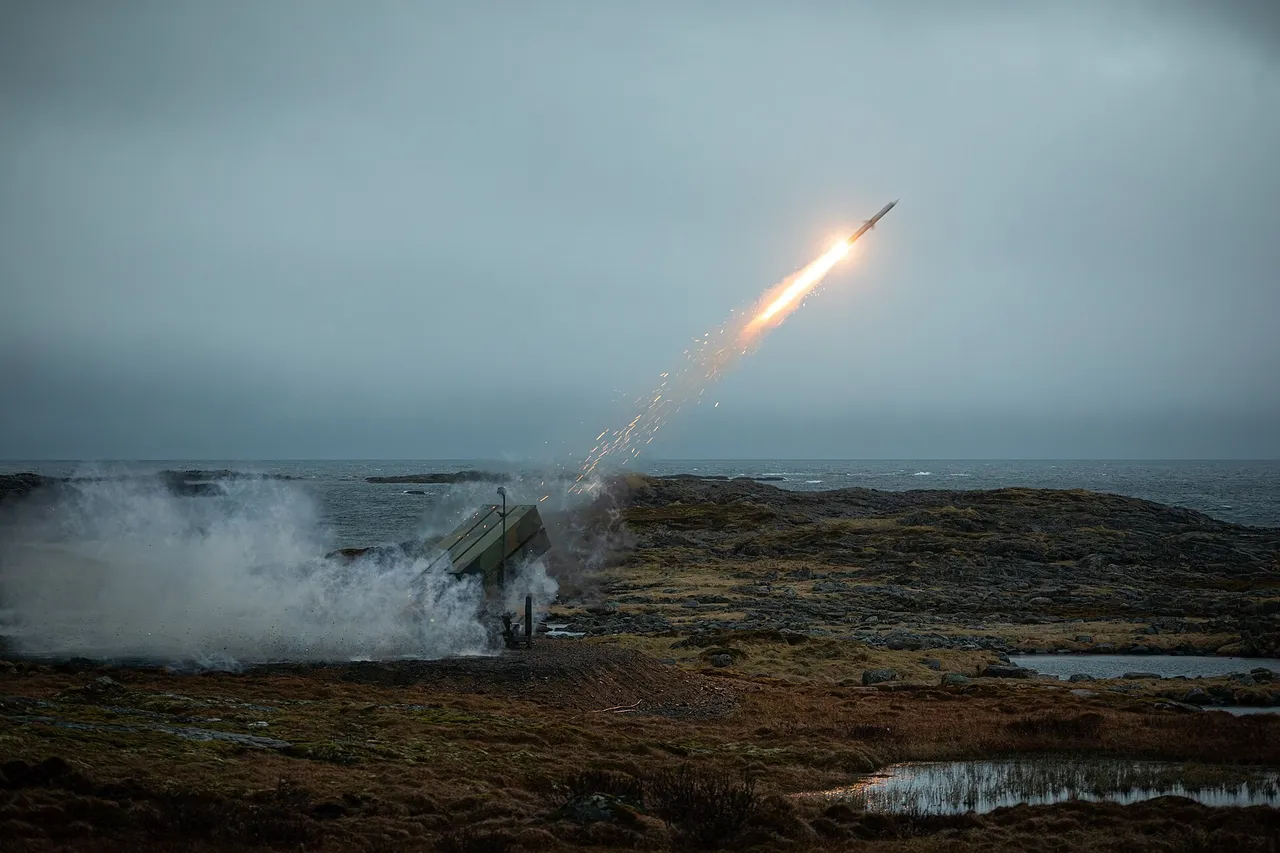
Taiwan's military seeks 462 AMRAAM-ER surface-to-air missiles for NASAMS against China
Taiwan wants 462 AMRAAM-ER missiles for 12 NASAMS sets to face Chinese air threats; 123 come first and the rest still await a US announcement.
TaiwanDefence · 2h ago · 3 min read
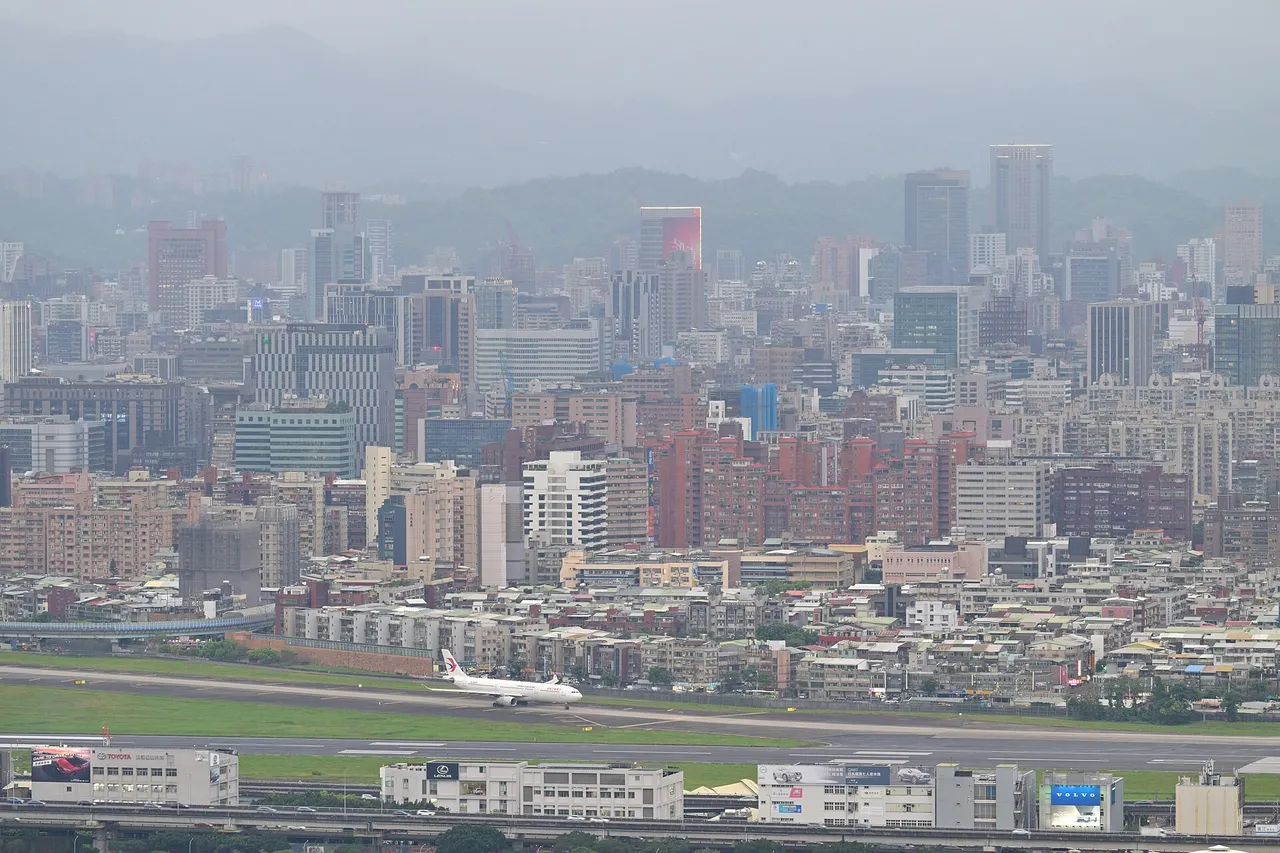
Taiwan's defence ministry tells lawmakers military needs come first in any Songshan or Taichung airport change
A 14 October written report says six civil-military airports form a dispersed, mutually supporting air defence network that any relocation must not break.
TaiwanDefence · 1d ago · 3 min read
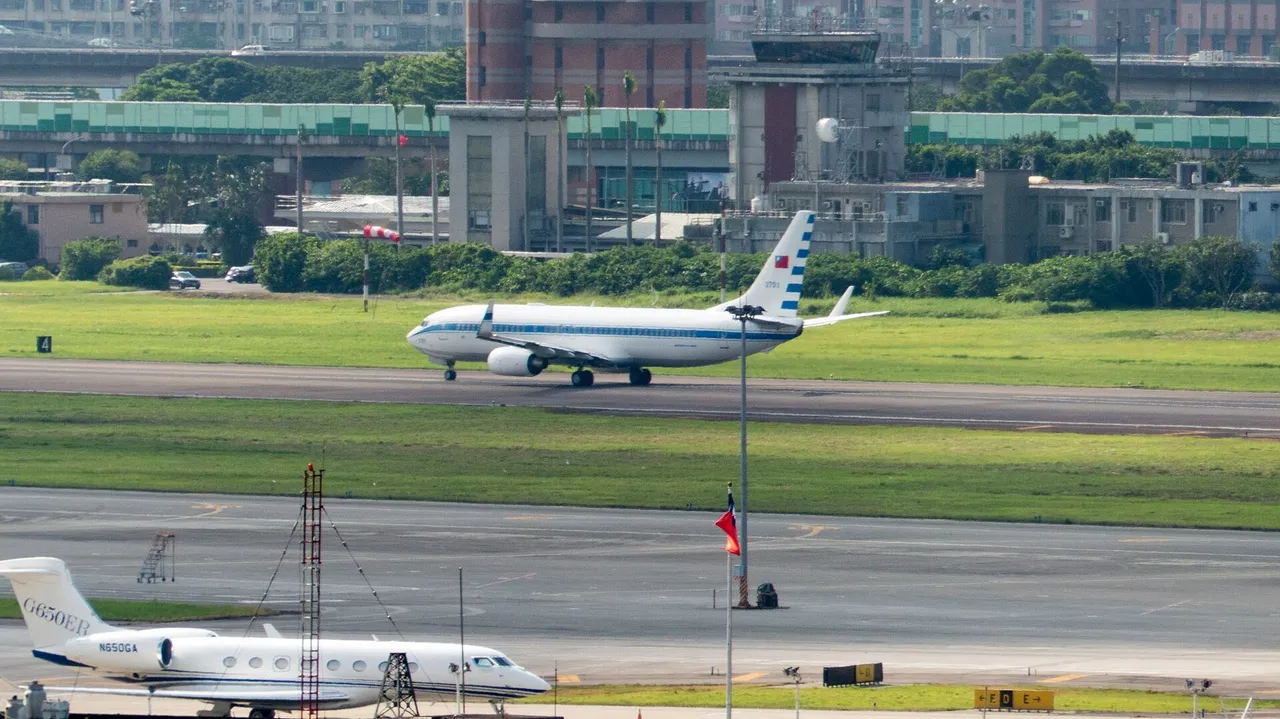
Taiwan's defence minister says any move of Taipei's Songshan airport must not weaken the military
Wellington Koo would not say if he backs the Taipei mayor's plan to turn the civil-military airport into an AI park, but said defences must not suffer.
TaiwanDefence · 2d ago · 2 min read
Discussion (0)
Comments are not currently available.