
Taiwan's defence ministry warns bills to raise military pensions could hurt troop retention
Ahead of a committee review of 11 opposition bills, the ministry says tying retirement pay to serving pay could discourage long military careers.
TAIPEI —
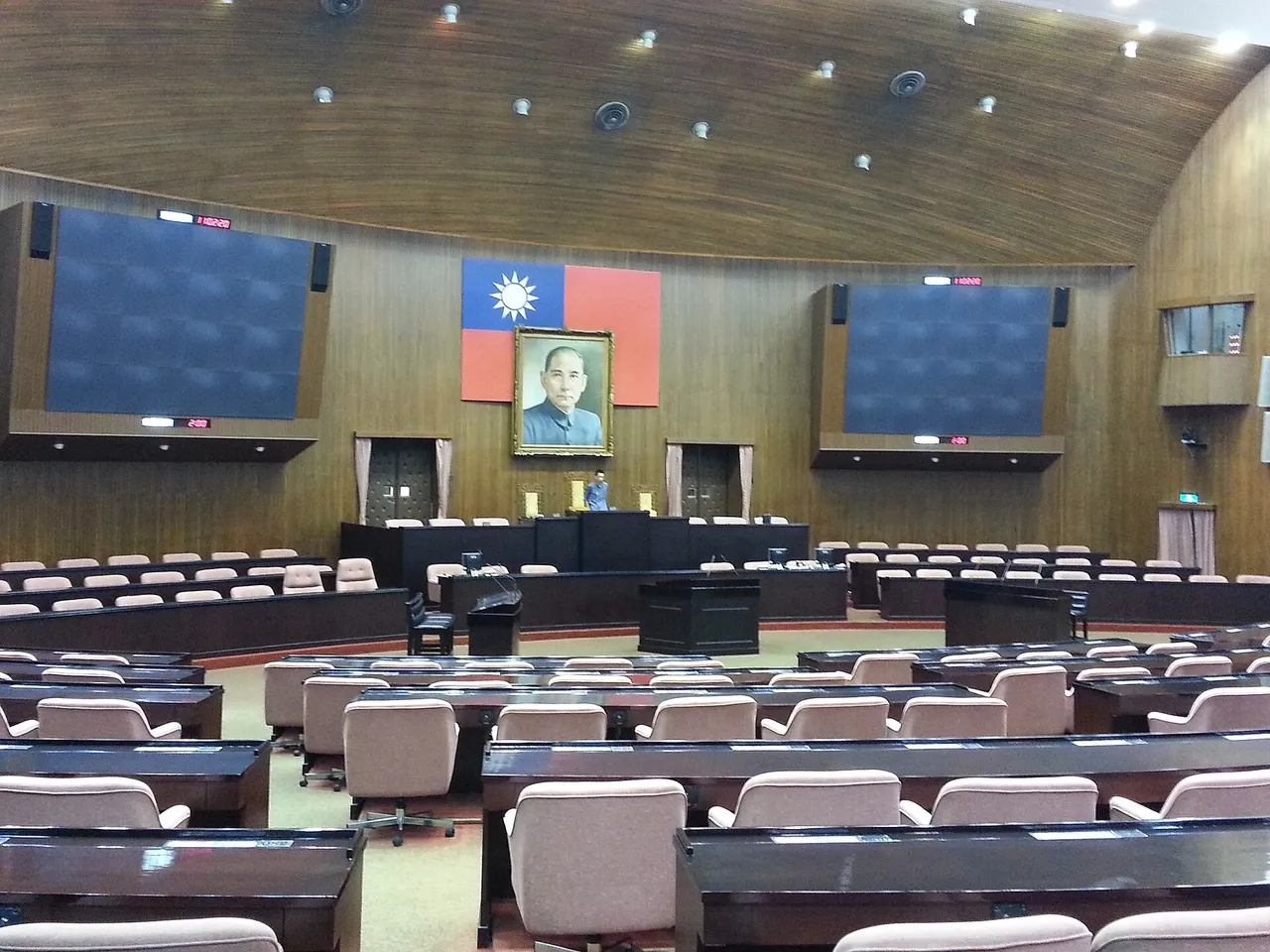
Taiwan's Ministry of National Defense has told lawmakers that proposals to raise the retirement pay of former officers and non-commissioned officers more often, or to tie it to serving troops' pay rises, could weaken the military's ability to keep people in uniform. The ministry set out its position in a written report delivered to the Legislative Yuan on Tuesday 10 November, the day before a committee review of the bills.
The Foreign Affairs and National Defense Committee is scheduled on Wednesday 11 November to take up 11 draft amendments to Article 39 of the Act of Military Service for Officers and Non-commissioned Officers, all proposed by Kuomintang legislators. The article governs how and when military retirement pay is adjusted, and the drafts would change the trigger, the frequency and the price index used.
Under the current law, retirement pay, support allowances and survivor annuities must be adjusted when the cumulative rise or fall in the consumer price index reaches 5 per cent, with the rate set by the Executive Yuan together with the Examination Yuan after weighing the economy, public finances and the reserve ratio of the pension fund. The law also requires a review at least every four years.
The drafts differ in detail. Three of them, including one led by Lai Shyh-bao, would cut the trigger to a 3 per cent change in prices or require a review at least every two years. Three others, including one led by Chen Yung-kang, would review retirement pay whenever serving personnel receive a raise and lift it by the same amount, or at least every three years. Other versions keep the 5 per cent trigger but make the adjustment automatic, while one led by Hsu Hsin-ying would use a 2 per cent change in an index for elderly households and recalculate pensions whenever serving pay of the same rank changes.
In its report, the ministry said the military's retirement system is designed to encourage long service, and that regular adjustments are meant to protect veterans' basic living and family needs while also protecting state finances and the pension fund. It argued that the existing four-year review already covers years in which prices rise by less than 5 per cent, so a lower trigger of 2 or 3 per cent should be assessed carefully.
The ministry also questioned the use of an elderly household index. It noted that the national statistics agency defines such households as those in which every member is aged 65 or over, while military families vary in make-up and their members are often younger, so that index may not reflect what retirees actually spend.
Its strongest objection was to linking retirement pay to serving pay. The ministry explained that the pension fund is built from contributions by the government and by serving personnel, deducted from their salaries, and that retirement pay is paid 70 per cent by the Veterans Affairs Council and 30 per cent by the fund. Because retirees no longer contribute, matching their payments to serving pay rises would bring retirement income close to active-duty pay, which the ministry said could reduce troops' willingness to serve long careers, unsettle manpower and widen the gap between what members pay in and what they draw out, as well as raising government spending.
NOWnews reported that the committee meeting will be convened by Kuomintang legislator Hsu Chiao-hsin, one of the bills' sponsors, and that she has not ruled out sending the drafts out of committee for further legislative action. Any adjustment that would lift payments by more than 5 per cent above the original amount, or cut them below it, already requires the consent of the Legislative Yuan under the current article.
The report framed the pension question mainly in terms of keeping experienced personnel in service and keeping the retirement fund sound over the long term, rather than as a matter of veterans' welfare alone. The ministry's argument is that retirement income that tracks serving pay too closely would remove part of the reward for staying on.
Sources
More in Cross-Strait
China's top general wants military and civilian watchdogs to hunt graft in PLA weapons programmes
Zhang Shengmin, one of only two men left on the Central Military Commission, also told the PLA to obey Xi Jinping in the first plenum lecture.
TaiwanDefence · 7h ago · 2 min read

Taiwan defence think tank says a Chinese survey ship faked its position near the Bashi Channel
INDSR says the Jia Hai Ke 7, escorted by a Chinese coast guard ship, may have charted submarine routes and the location of cables and sensors.
TaiwanDefence · 1d ago · 3 min read

China shows the GJ-11 stealth drone's internal weapon bay in new state TV footage
CCTV aired close-up video of the GJ-11, now codenamed Xuanlong, ahead of the PLA Air Force anniversary, giving a first view of its belly weapon bay.
TaiwanDefence · 1d ago · 3 min read
Discussion (0)
Comments are not currently available.