
US Army Pacific chief says his command still plans around a possible 2027 move on Taiwan
Gen. Ronald Clark told a Honolulu conference the Davidson window still guides US Army Pacific, and said a new allied network linked US, Japanese and Australian fires.
TAIPEI —
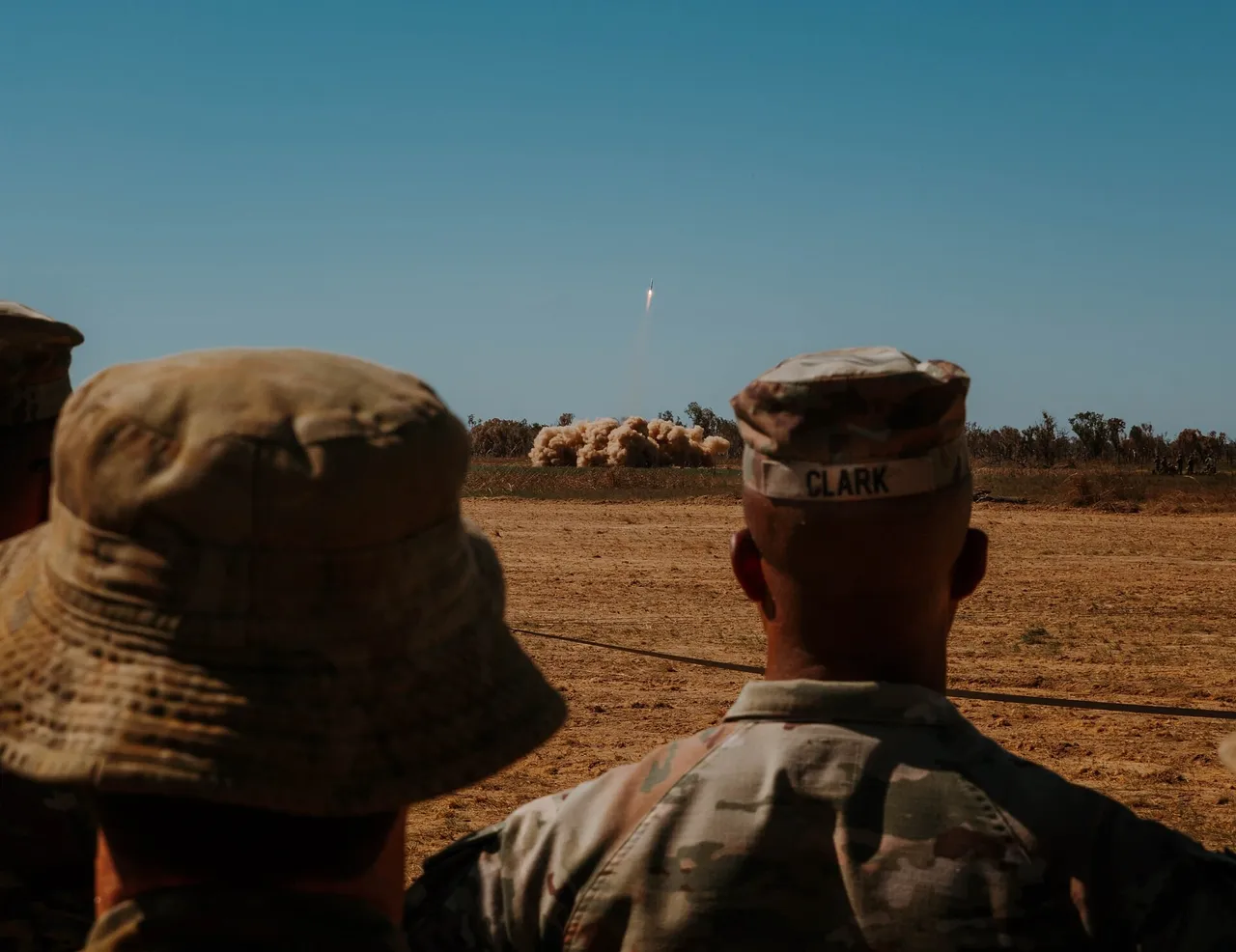
The commander of US Army Pacific, Gen. Ronald Clark, said on Tuesday, 27 October, that his command has prepared the Indo-Pacific theatre on the assumption that China will have the capacity, and possibly the intent, to take Taiwan by force next year. He made the remarks at the TechNet Indo-Pacific conference in Honolulu, according to Stars and Stripes.
Asked whether the so-called Davidson window was still relevant, Clark said that for US Army Pacific the answer was yes. He described the period as a line drawn to mark the date by which the command needs to be ready.
The term dates from 2021, when Adm. Philip Davidson, then head of US Indo-Pacific Command, told a Senate committee that China was on course to gain the military capacity to seize Taiwan by 2027. Stars and Stripes noted that the idea has since shaped US defence budgeting and strategy in the Pacific, aimed at deterring or blocking an invasion.
The paper also noted a different view in Washington. An annual threat assessment issued this spring by the Office of the Director of National Intelligence said Chinese leaders do not currently plan to invade Taiwan in 2027 and have no fixed timeline for unification. In 2023, former CIA Director William Burns had said US intelligence indicated that Xi Jinping told the People's Liberation Army to be ready by 2027 to carry out a successful invasion.
Ready Forward
Clark said his command has adopted an approach to setting the theatre that it calls Army Ready Forward. Under it, US Army Pacific has placed equipment, materiel and personnel on a rotational basis west of the international date line, on the island chains closest to China, he said.
He told the audience that the most pressing problem is striking the right balance between exquisite high-end systems and cheaper alternatives that can be built in large numbers, particularly autonomous systems.
An allied network for fires
In the same keynote, Clark announced that US, Japanese and Australian forces had deployed the PACOM Mission Network during the Yama Sakura 91 exercise, SIGNAL, the magazine of the conference co-sponsor AFCEA International, reported. The magazine described the system as a layered mesh network that can pass target-quality data among all three allies.
According to the report, personnel used the network to integrate fires among the three countries in real time, streamline a digital kill chain and scale up the use of Maven smart systems on the fifth day of the nine-day exercise. On the sixth day, the participants produced 200 digital fires, it said. Clark argued that a shared, redundant zero-trust architecture can cut the time from spotting a threat to making a decision from hours to seconds, even when communications are heavily degraded.
Clark contrasted that with Yama Sakura 89 two years earlier, when the three forces' digital systems could not connect and staff had to hand a single microphone back and forth to keep voice links working, the magazine reported.
Drones and supply
Clark also said units of the 25th Infantry Division are using additive manufacturing to design and build small tactical drones and are producing 45 a week, according to SIGNAL. He said the command is using autonomous aerial resupply systems to work around vulnerable port infrastructure, and called for sustainment infrastructure that can survive when ports and other facilities are disrupted, asking industry for help.
He described the network of allies and partners as the main US advantage in the region, saying trust cannot be surged in a crisis and has to be built through realistic training and a persistent presence alongside partner forces. US Army Pacific runs more than 50 exercises, operations and investments a year under its Operation Pathways series, the magazine reported.
Sources
More in Indo-Pacific
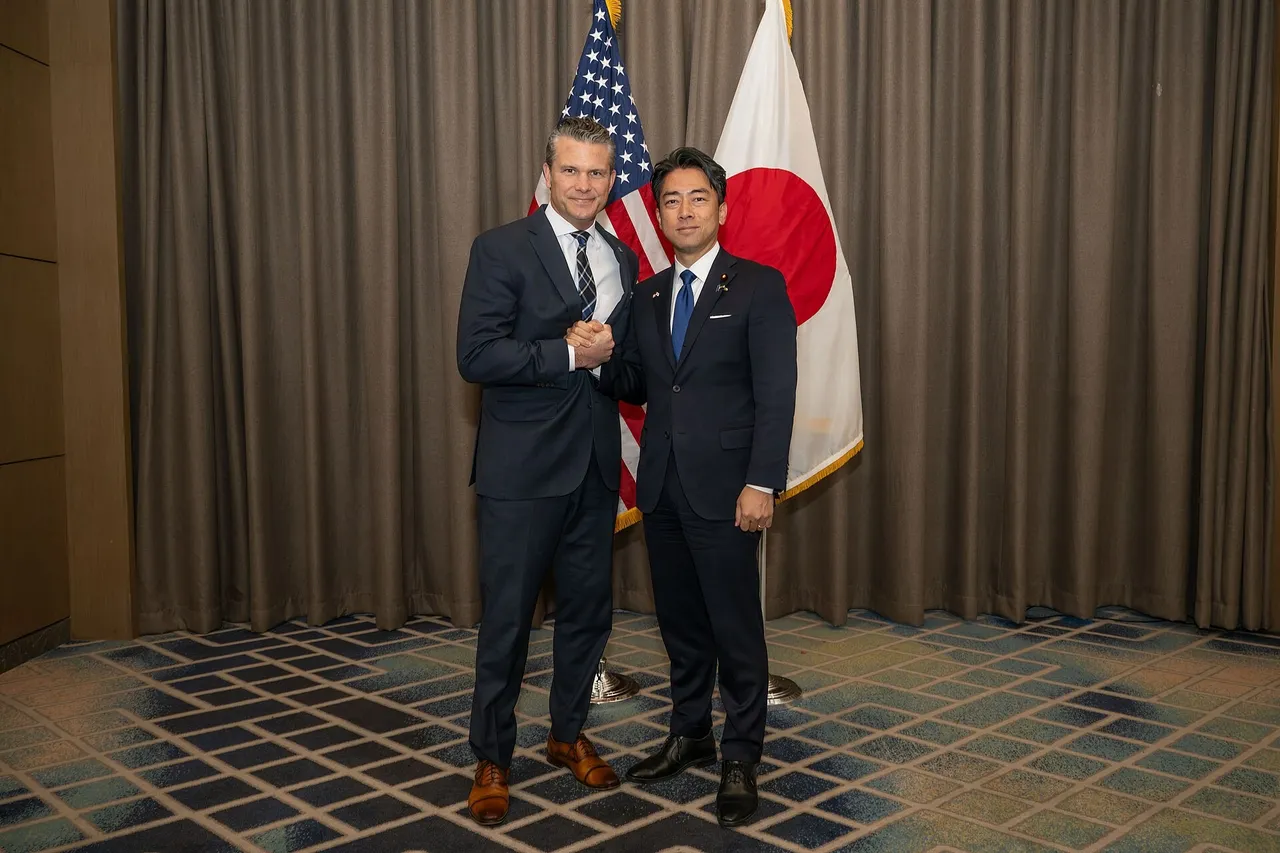
US and Japanese defence chiefs agree to step up denial defence along the First Island Chain
Meeting in Cebu, Pete Hegseth and Shinjiro Koizumi backed more defence investment, live-fire training and munitions output as Japan rewrites its security strategy.
TaiwanDefence · 1h ago · 2 min read
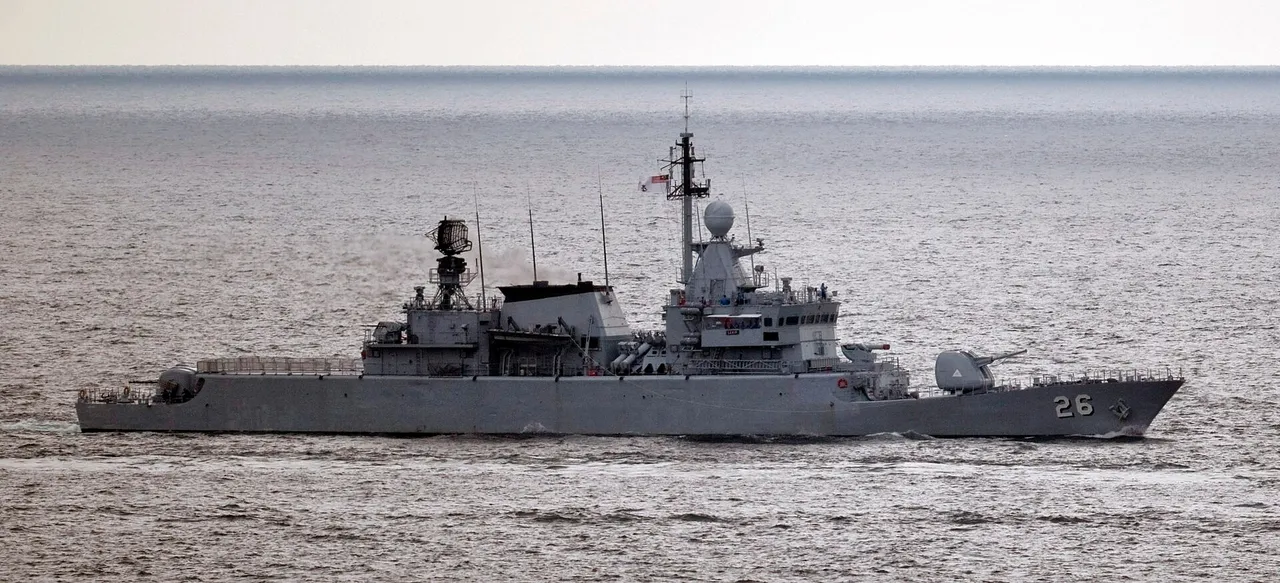
Malaysia says its navy and air force are guarding the Malacca Strait against a Hormuz-style disruption
Deputy defence minister Adly Zahari told parliament the armed forces patrol the strait continuously and train for disruption, alongside patrols with three neighbours.
TaiwanDefence · 2h ago · 2 min read
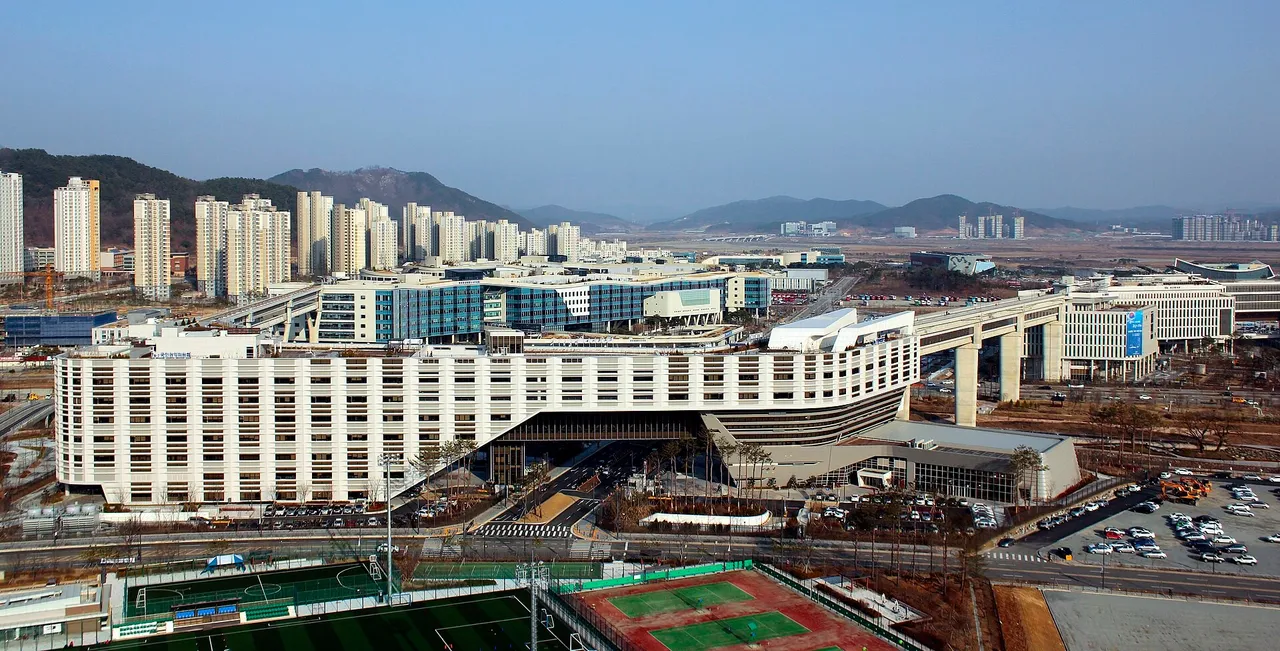
South Korea's defence minister says the Joint Chiefs must move to Sejong with his ministry
Kang Shin-chul told lawmakers the JCS would not be left in Seoul when the defence ministry relocates to Sejong by 2031, easing fears of a split command.
TaiwanDefence · 3h ago · 3 min read
Discussion (0)
Comments are not currently available.