
Australia moves to give its military standing powers to stop drones over defence bases
A bill introduced on 27 October would let Defence detect, track and act against drones over sensitive sites and set up new security zones around its people and assets.
TAIPEI —
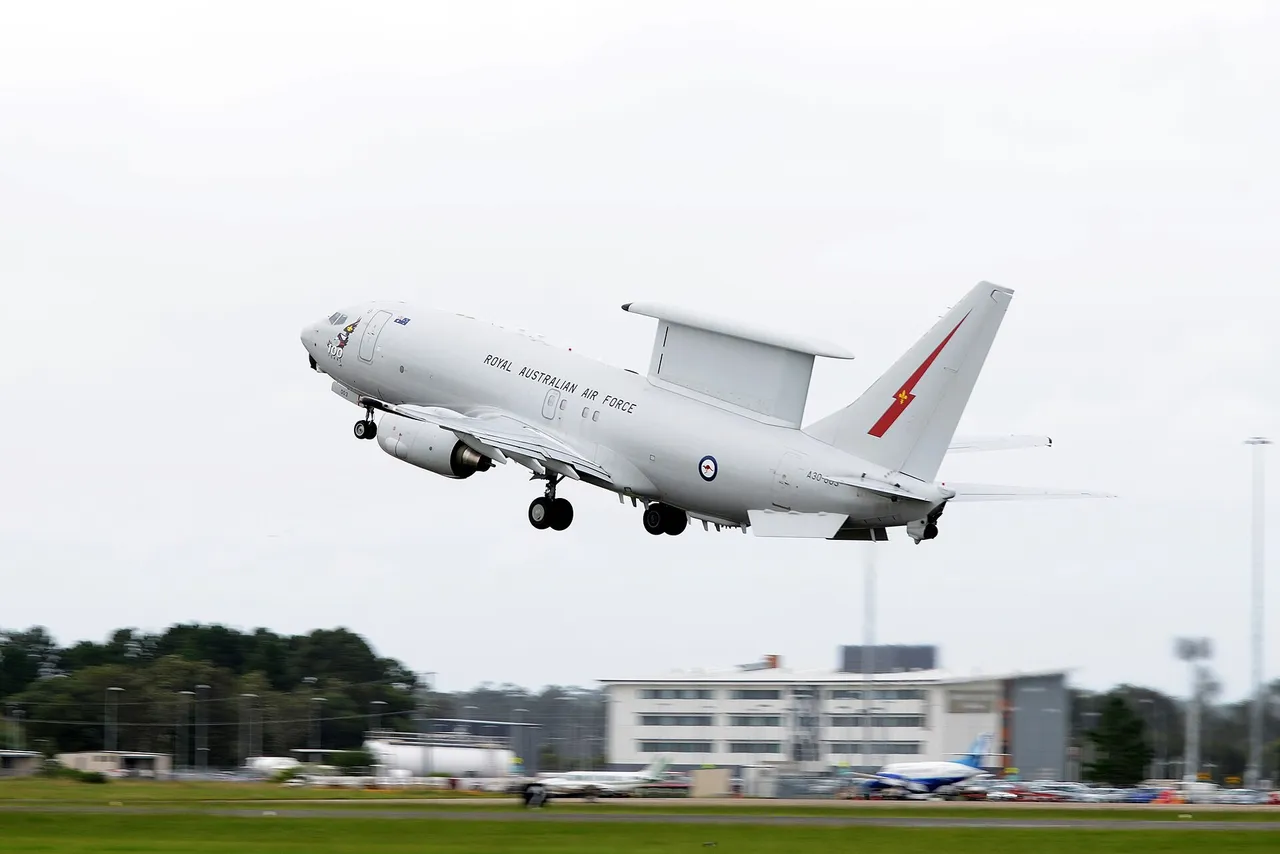
The Australian government introduced a bill on Tuesday, 27 October, that would give the Department of Defence an enduring legal authority to take counter-measures against drones over sensitive military sites. The Defence Legislation Amendment (Accelerating Capability and Protecting Bases) Bill 2026 amends the Defence Act 1903 and must now pass through Parliament before any of its changes take effect.
Under the counter-drone provisions, Defence would be able to detect, identify, monitor and track uncrewed systems near its sites and, where necessary, take action against them. The government said the measures would be used only where it was safe to do so and with safeguards in place. It linked the bill to a number of recent drone incursions at Defence bases in Australia and at military bases in comparable countries.
Two new frameworks
A Defence explainer published alongside the bill describes two main reforms. The first, a Defence Capability Framework, is meant to allow capability development, testing, evaluation, sustainment and preparation to take place in Australia, particularly where civilian regulatory schemes would otherwise get in the way. The government said this would let Defence, Australian industry and trusted international partners develop and test advanced capabilities more efficiently.
The second, a Defence Security Zone Framework, would replace security arrangements that Defence says grew piecemeal over decades, leaving similar activities subject to different powers, offences and penalties depending on where they took place. The department said existing laws do not adequately deal with threats from drone incursions. The new framework would allow security zones to be declared wherever they are needed and would set the powers available to police and Defence personnel inside them.
The bill also gives new oversight powers to the Inspector-General of the Australian Defence Force, who would independently review how both frameworks are used.
AUKUS and the defence strategy
Defence Minister and Deputy Prime Minister Richard Marles said Australia's strategic circumstances demanded urgency and a relentless focus on delivering capability. The government described the reforms as critical to implementing the National Defence Strategy and to progressing work under the first and second pillars of AUKUS, its security partnership with the United States and the United Kingdom. Assistant Minister for Defence Peter Khalil said the changes would strengthen Defence's security arrangements while keeping safeguards and oversight in place.
Background
The bill builds on earlier regulatory steps. In January 2026 the government said it had enacted the Defence Amendment (Counter-UXS Measures) Regulations 2025, which allow Defence, in support of law enforcement agencies, to detect and disable or destroy drones suspected of threatening Australian Defence Force assets and establishments. At the same time it named the first 28 companies on a counter-drone supplier panel under Project Land 156, including Anduril Australia, DroneShield and Saab Australia.
Pressure for firmer powers grew after police confirmed in August that drones had breached restricted airspace around RAAF Base Williamtown in New South Wales for the second time in a month, following a similar incident in July. The base hosts most of Australia's F-35A fighter fleet. At the time, Marles said further legislative reform would be introduced this year, while shadow defence minister James Paterson accused the government of being too slow to put real capability on bases. The government has said it will spend up to 22 billion Australian dollars over ten years on drone and counter-drone capabilities.
Sources
More in Indo-Pacific
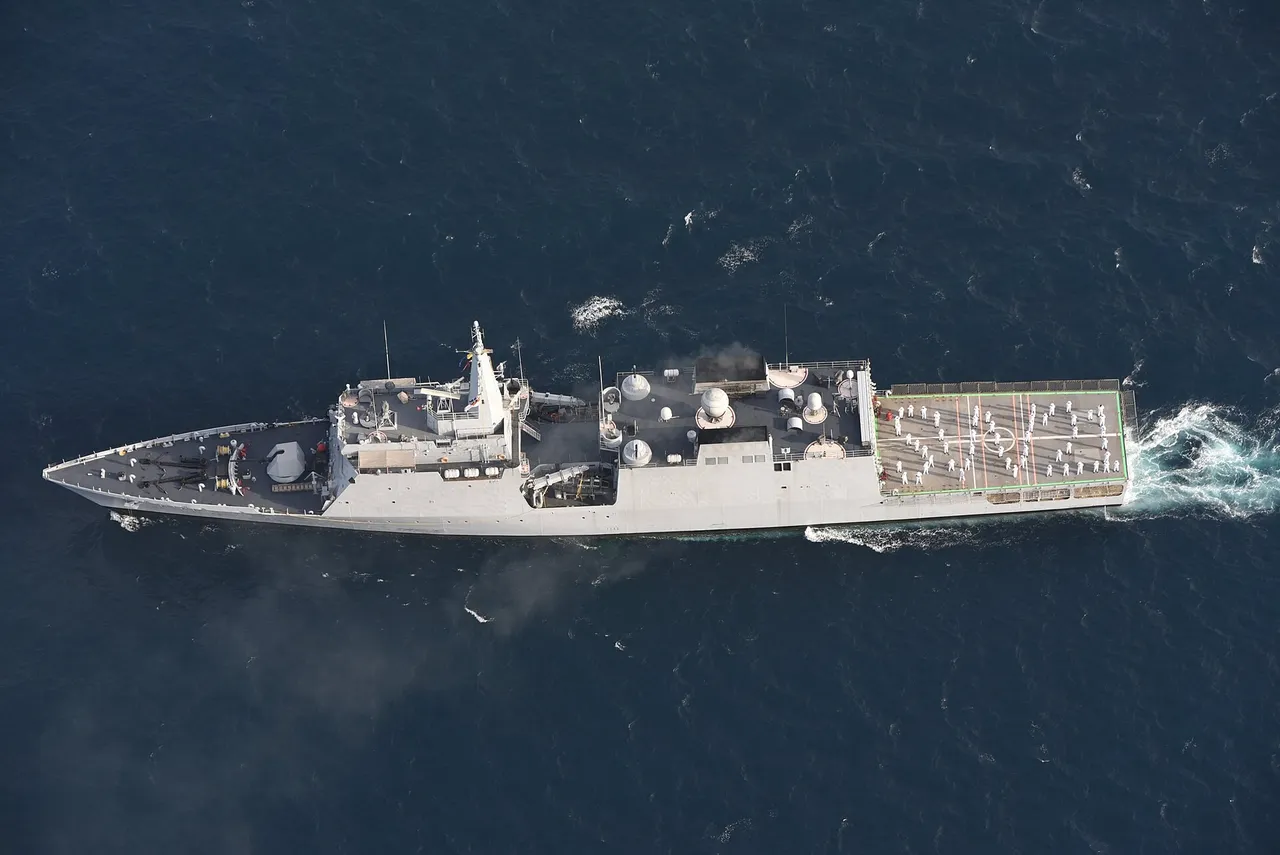
Goa Shipyard launches Srishti, a next-generation offshore patrol vessel for India's navy
The state-owned yard floated out Yard 1283 on Tuesday, adding another hull to an 11-ship programme meant to widen Indian Navy surveillance at sea.
TaiwanDefence · 3h ago · 3 min read
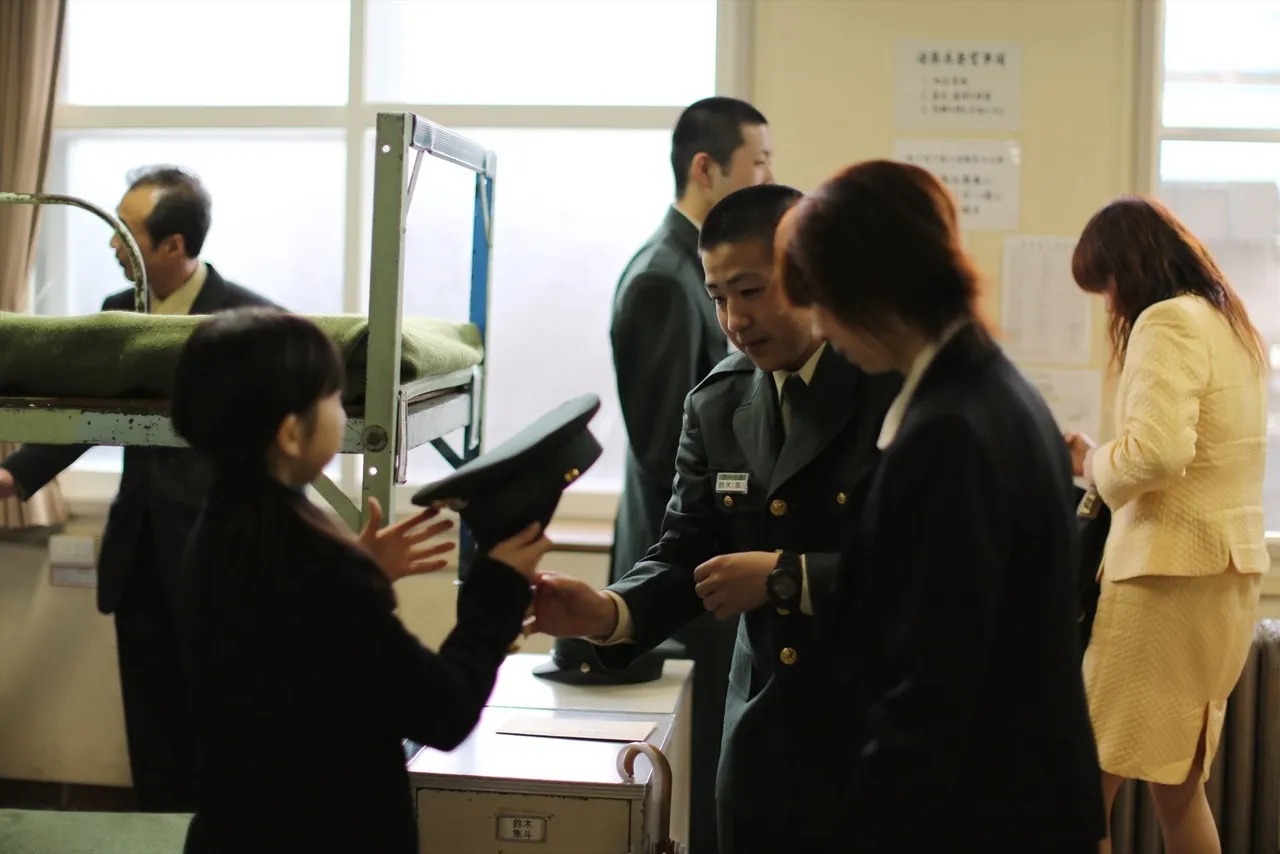
Japanese ruling-party lawmakers seek an agency to support retired troops and military families
A Liberal Democratic Party caucus urged Defence Minister Shinjiro Koizumi to set up a support agency for retired SDF members and families before the security strategy revision.
TaiwanDefence · 4h ago · 2 min read

Japan says army intelligence units did nothing improper as lawmakers press on files about citizens
Defence officials told an upper house committee they found no wrongdoing by Ground Self-Defense Force field intelligence units accused of profiling civilians.
TaiwanDefence · 5h ago · 3 min read
Discussion (0)
Comments are not currently available.