
Japan says army intelligence units did nothing improper as lawmakers press on files about citizens
Defence officials told an upper house committee they found no wrongdoing by Ground Self-Defense Force field intelligence units accused of profiling civilians.
TAIPEI —
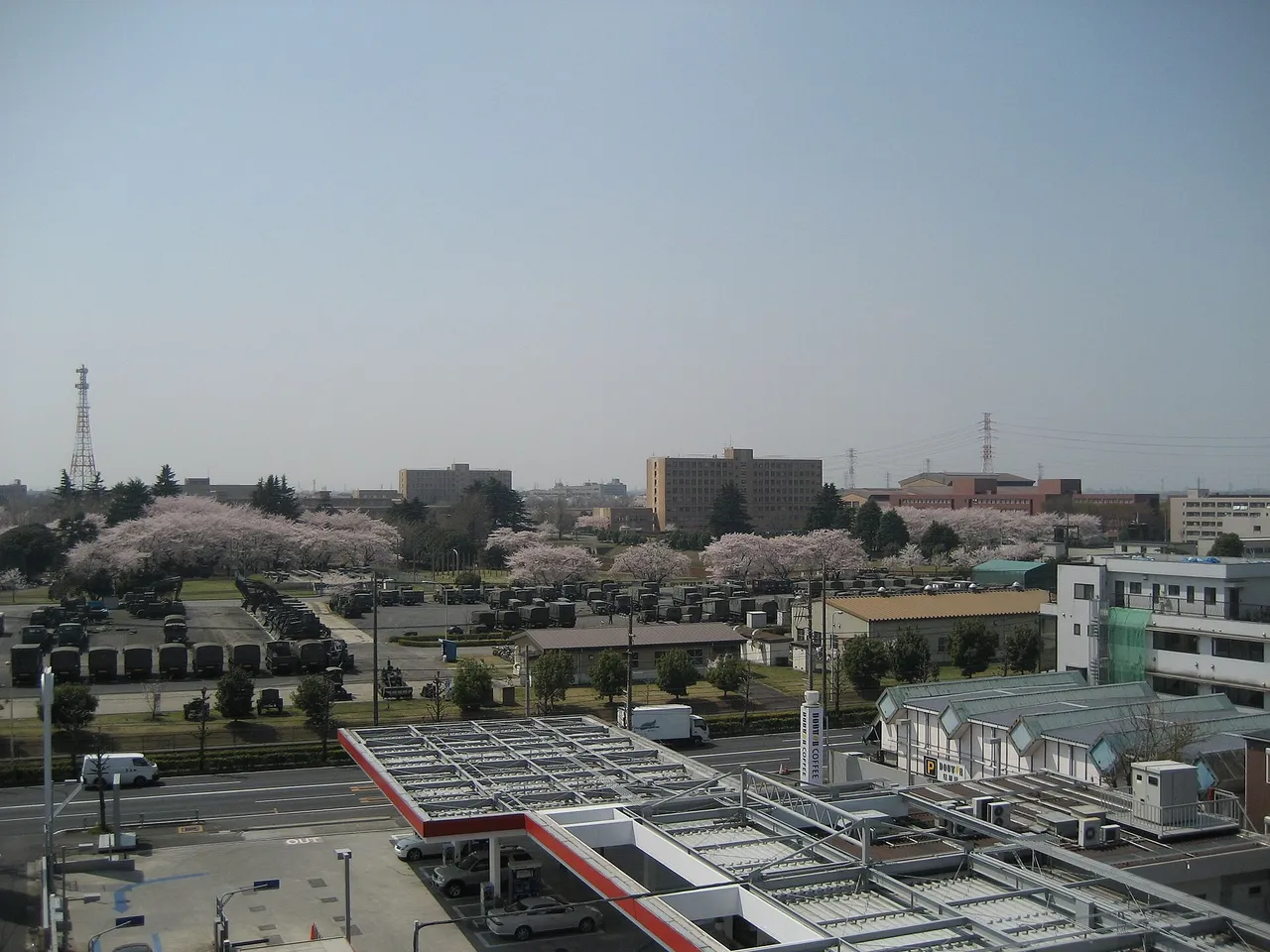
Japan's defence ministry told the upper house foreign affairs and defence committee on Tuesday, 27 October, that it had found no inappropriate activity by the Ground Self-Defense Force's field intelligence units, which are accused of systematically gathering personal information on Japanese citizens. The units belong to the GSDF Central Intelligence Unit, which is based at Camp Asaka on the border of Tokyo and Saitama.
According to the Kumamoto Nichinichi Shimbun, the allegation is that the units collected details on people including academics and other experts, among them items on their political beliefs and convictions, and compiled the results in documents known as personal BSD, or basic source data, reports. The ministry said the GSDF Staff Office and other bodies had examined the facts and repeated that no inappropriate activity had been confirmed.
Ministry declines to discuss the reports
Answering questions from Mizuho Fukushima, leader of the Social Democratic Party, the ministry said it was difficult to reveal details of the units' activities and that it had found no case of information being gathered by improper means such as posing under a false identity. Asked whether the reports could be released under freedom of information rules, it said that, as a general matter, documents the units produce in their work and hold for organisational use are managed as administrative records and can be requested. It declined to answer about the BSD reports themselves, saying their authenticity could not be confirmed.
Taku Yamazoe of the Japanese Communist Party asked Defence Minister Shinjiro Koizumi whether he had read one of the reports. Koizumi avoided a direct answer, saying the documents had not been made public by the ministry or the Self-Defense Forces.
ABEMA TIMES reported that Fukushima said the items in the reports appeared to include a person's sexual preferences and repeatedly asked the ministry why such information would be needed. A deputy chief of the ministry's intelligence apparatus, identified as Matsuo, replied that discussing the units' activities in detail could harm their intelligence capability and future collection work, and that it was difficult to answer on individual points.
The official said the units gather the information needed to carry out missions and protect personnel during overseas deployments, the role the field intelligence units are formally given in preparing for operations such as United Nations peacekeeping. Fukushima argued that denying the use of false identities did not rule out members concealing that they were soldiers, and demanded that the ministry submit the units' operating guidelines and training standards to the Diet.
Questions over undercover contacts
The issue was also raised in the lower house last week. On 23 October, the head of the secretariat of Japan's Personal Information Protection Commission told a lower house committee that, speaking generally, government bodies may not hold personal data beyond the purpose for which it is needed and must keep it to a minimum, and that hiding behind a false identity could breach the rules outside of authorised undercover investigations.
The Kumamoto Nichinichi Shimbun has reported that internal documents it obtained set out four levels of identity disclosure when unit members approach a subject, ranging from full disclosure at level 1 to concealment at level 4, at which members do not reveal that they belong to the Self-Defense Forces. The paper said the reports contain 41 items, including patriotism and sexual preference. The ministry has said it cannot confirm the documents are genuine.
Sources
More in Indo-Pacific
Japanese ruling-party lawmakers seek an agency to support retired troops and military families
A Liberal Democratic Party caucus urged Defence Minister Shinjiro Koizumi to set up a support agency for retired SDF members and families before the security strategy revision.
TaiwanDefence · 8m ago · 2 min read
Guam's delegate says Dark Eagle hypersonic missile went to Tinian, knows of no plan to base it on Guam
Del. James Moylan's written testimony to a legislative buildup briefing also relayed a Pacific Command line that Guam's new missile shield exists to defend the island.
TaiwanDefence · 3h ago · 3 min read
South Korea's military has lost more than a third of its staff sergeants in four years
Defence ministry data show too few new junior NCOs joining, not more leaving, as conscript pay rises close the gap with the sergeants who lead them.
TaiwanDefence · 4h ago · 2 min read
Discussion (0)
Comments are not currently available.