
South Korea's military has lost more than a third of its staff sergeants in four years
Defence ministry data show too few new junior NCOs joining, not more leaving, as conscript pay rises close the gap with the sergeants who lead them.
TAIPEI —
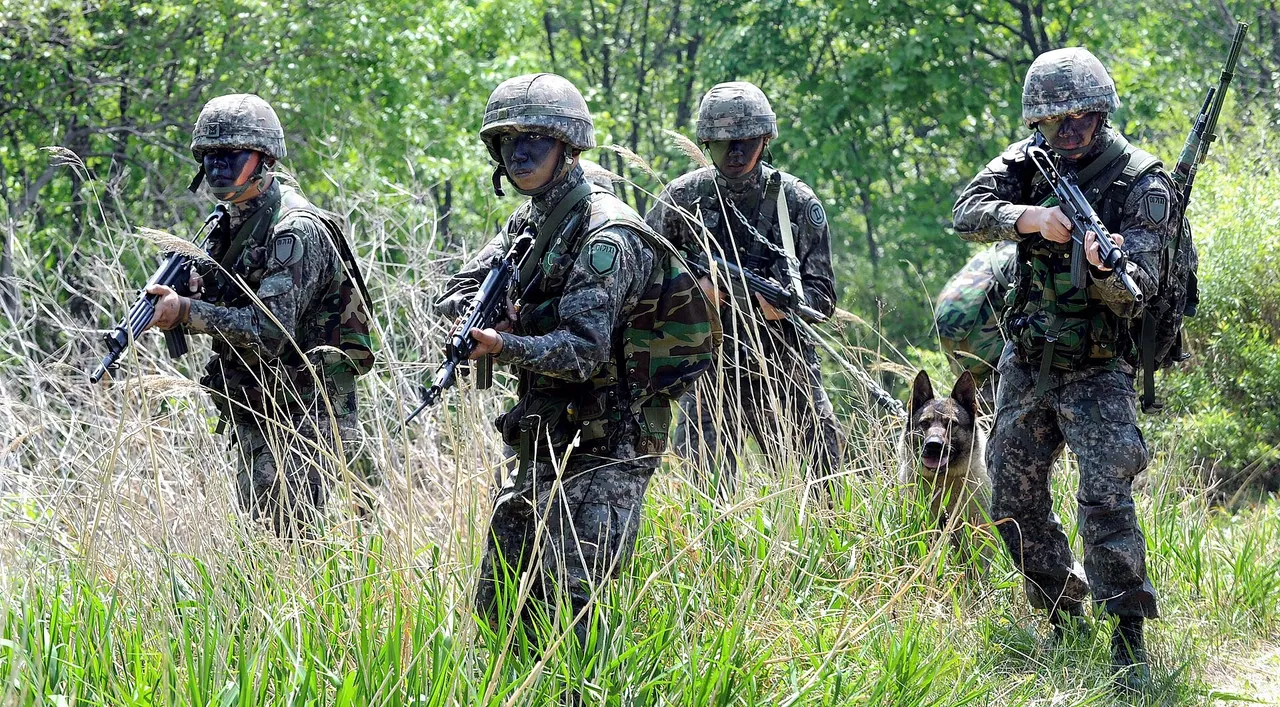
South Korea's armed forces had an average of about 27,300 staff sergeants in 2025, down from about 43,000 in 2021, a fall of roughly 15,700 or 36.5 percent, according to defence ministry data released on 27 October by Min Hong-chul, a member of the National Assembly's defence committee. The figures include fixed-term non-commissioned officers and were reported by Yonhap, Global News Agency and Betanews.
Yonhap described the staff sergeant rank as the core of the military's junior leaders, and it accounts for most of their losses. Over the same period the combined strength of staff sergeants, second lieutenants and first lieutenants fell from about 63,600 to about 45,600, a drop of 28.3 percent. Staff sergeants made up 87.2 percent of that decline, while the number of junior lieutenants fell by 11.2 percent, the data show.
A recruiting problem, not an exodus
The ministry's NCO fill rate, measured as the share of planned selections actually made, was 91.5 percent in 2021 and 86.0 percent in 2022, before falling to 55.1 percent in 2023 and 50.1 percent in 2024. It recovered to 61.0 percent in 2025, a rise of 10.9 points, but remained 30.5 points below the 2021 level.
Departures did not drive the fall. The number of staff sergeants leaving the service dropped from about 5,990 in 2021 to about 3,370 in 2025, and the share leaving each year relative to average strength eased from 14 percent in 2021 to 12 percent in 2025. Both Yonhap and Global News Agency said this points to too few new NCOs being commissioned as the main cause.
Conscripts close the pay gap
Pay for conscripts has risen much faster than pay for the NCOs who supervise them. The monthly base pay of a conscript sergeant, the most senior enlisted conscript rank, rose from 608,500 won in 2021 to 1.5 million won in 2026, an increase of 146.5 percent. Base pay for a staff sergeant in the first pay step rose from 1,678,100 won to 2,133,000 won, up 27.1 percent. A new staff sergeant's base pay was about 2.8 times a conscript sergeant's five years ago and is now about 1.4 times, Betanews and Global News Agency reported.
The ministry puts a new staff sergeant's annual take-home pay this year at about 41 million won, but that figure assumes an average of 23 hours of overtime a month plus duty allowances, bringing monthly working time to about 247 hours. The ministry said it is discussing with the planning and budget ministry a 6.6 percent rise in first-step base pay for 2027, aiming at average monthly pay of 3 million won for staff sergeants.
Min warned that a continued shortage of NCOs could weaken leadership in the field and combat readiness. He said the ministry should stop pointing to total pay that depends on overtime and duty allowances, raise base pay to match the responsibility and workload of junior leaders, and offer a wider package of pay, working conditions and long-term career prospects to make the NCO corps attractive to young people.
Sources
More in Indo-Pacific
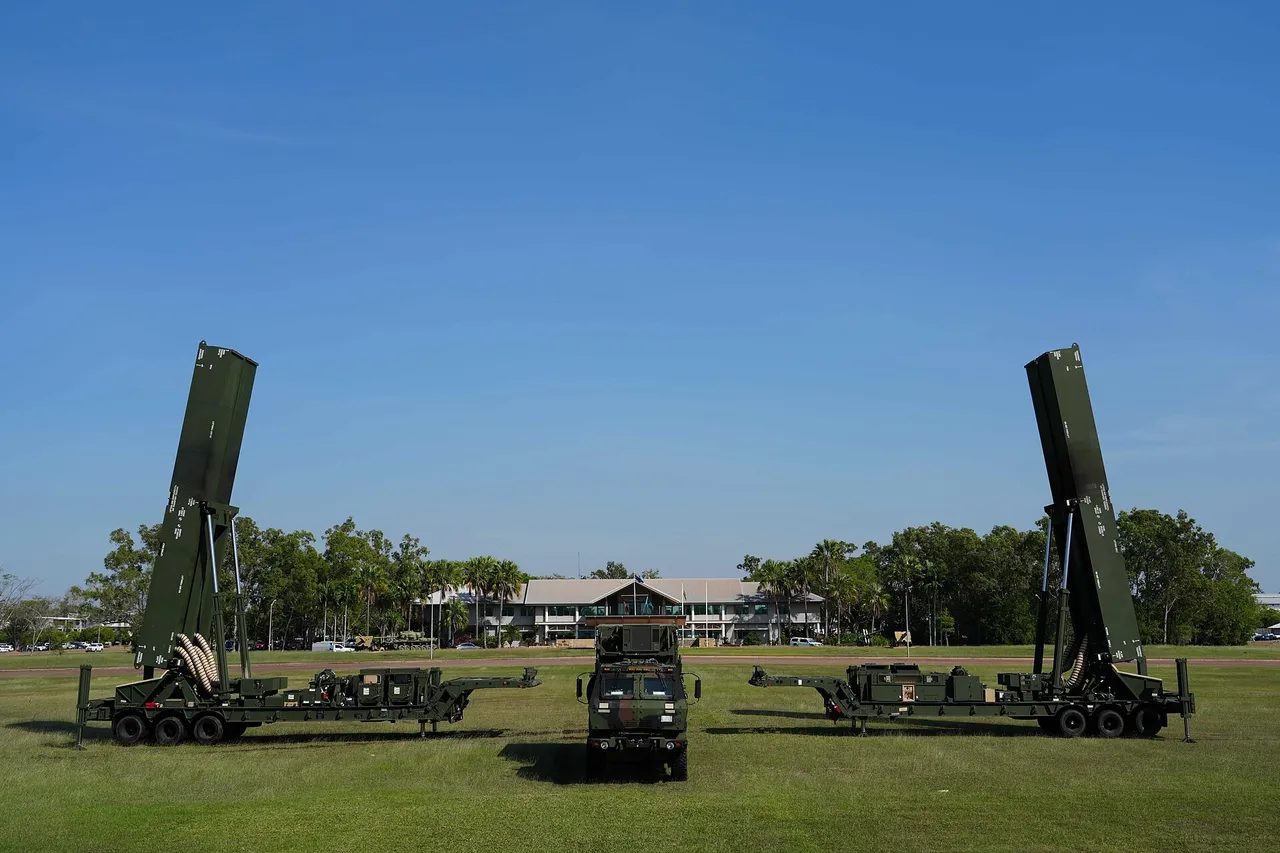
Guam's delegate says Dark Eagle hypersonic missile went to Tinian, knows of no plan to base it on Guam
Del. James Moylan's written testimony to a legislative buildup briefing also relayed a Pacific Command line that Guam's new missile shield exists to defend the island.
TaiwanDefence · 34m ago · 3 min read

Japan's security advisers say tax rises should not be ruled out to pay for more defence
At its fifth meeting, Japan's panel on rewriting the three security documents weighed how to fund higher spending as Tokyo set out a new defence-industry body.
TaiwanDefence · 4h ago · 3 min read
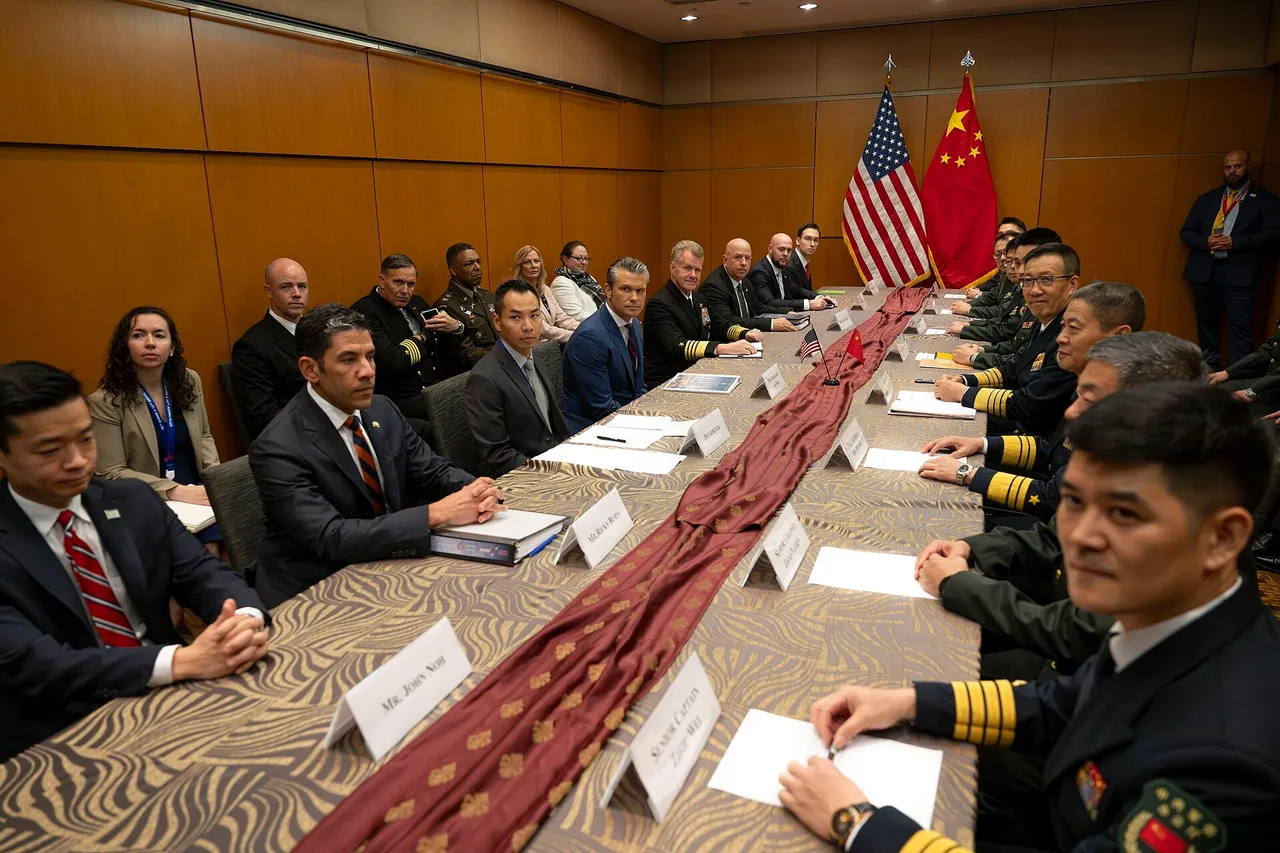
China sends its Manila defence attache, not its defence minister, to ASEAN defence talks in Cebu
Beijing has cut its delegation to the ADMM-Plus meeting hosted by the Philippines to embassy level after sending its defence minister in each of the past two years.
TaiwanDefence · 7h ago · 3 min read
Discussion (0)
Comments are not currently available.