
Japan's security advisers say tax rises should not be ruled out to pay for more defence
At its fifth meeting, Japan's panel on rewriting the three security documents weighed how to fund higher spending as Tokyo set out a new defence-industry body.
TAIPEI —
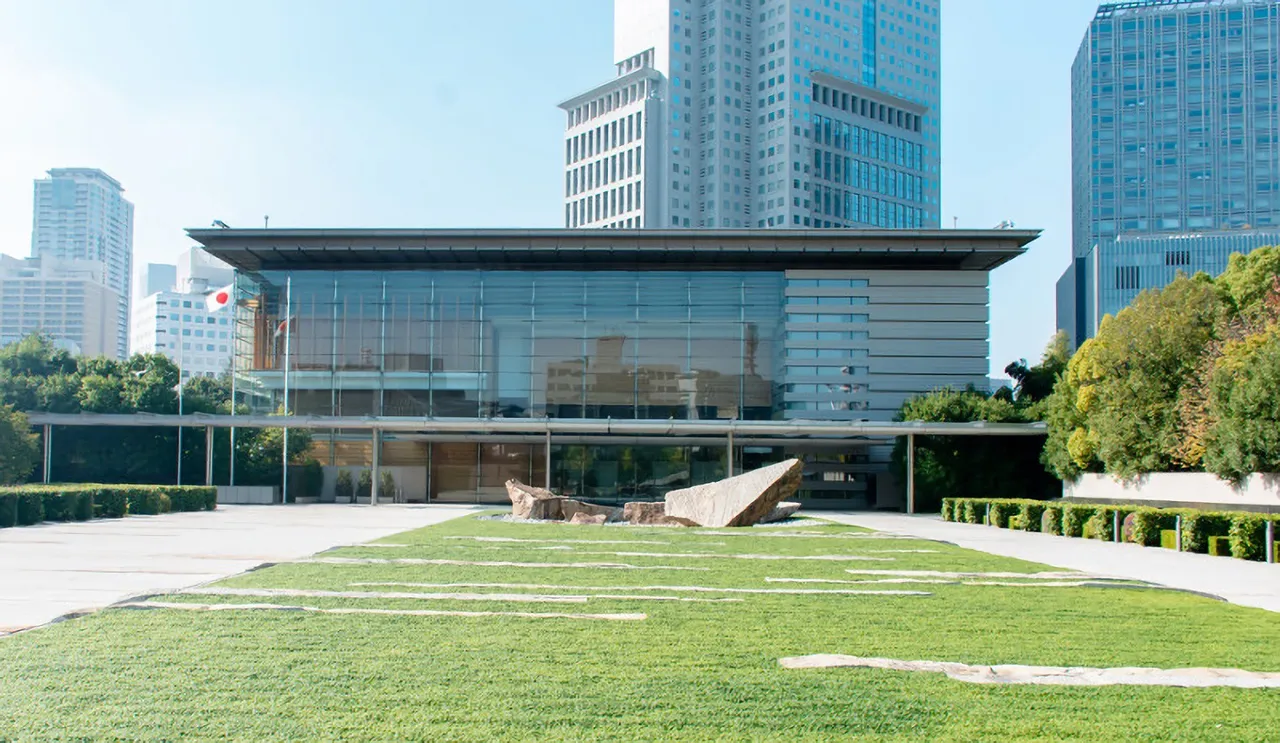
Members of the Japanese government's advisory panel on rewriting the country's three core security documents said on 27 October that tax increases should stay on the table as a way to pay for higher defence spending, after efforts to cut other spending, according to participants cited by Kyodo News and Reuters.
The panel held its fifth meeting at the prime minister's office in Tokyo, with the economy and public finances and building public understanding as its themes, Jiji Press reported. Several members said that, given the tough security environment around Japan, a further rise in defence spending was essential, but that stable funding and public support were just as necessary.
According to the government's account reported by Reuters, no specific tax or numerical spending target was discussed. One view expressed was that the defence budget should be the sum of what is actually needed rather than a headline figure. Another member warned against padding the total with security-related costs that are not really defence. The panel did not take up a review of Japan's three non-nuclear principles or the question of acquiring nuclear-powered submarines, the government side said.
Views on what to count also differed. Jiji reported that one participant argued that costs tied to economic security and artificial intelligence should be booked as defence-related spending on top of the core budget, while another said keeping public finances healthy, so that Japan's fiscal discipline retains international trust, should sit at the centre of security policy.
A new body for arms makers
At the same meeting the government formally told the panel it will draw up a defence industrial base strategy and set up a new corporation to strengthen the defence industry, run jointly by the defence and economy ministries, the Asahi Shimbun reported. The body is meant to act as a public-private hub, helping firms expand output in a crisis, install equipment to enter the market, and invest in industry consolidation and start-ups.
Officials told the panel that being able to keep producing items such as ammunition, for which peacetime demand is low, would raise Japan's overall defence capacity, Jiji reported. The corporation would handle support for domestic production, equipment exports and technology development together. The defence ministry said AI, drones, space and cyber, which it called essential to new ways of fighting, fit the government's plans for crisis management and growth investment, and members broadly backed the idea of tying defence build-up to industrial strength, according to Reuters.
From 2 percent to what
The current National Security Strategy, adopted in 2022, set a goal of spending 2 percent of gross domestic product on defence and related costs by fiscal 2027, a target Prime Minister Sanae Takaichi's government reached two years early last year. The Trump administration has pressed allies to lift defence spending to at least 3.5 percent of GDP. The finance and defence ministries will now study the size of any increase and how to fund it, Jiji said.
Reuters reported that members also suggested the government prepare responses in case critics accuse Japan of turning towards a new militarism. The date of the next meeting has not been set. The panel aims to compile its report in early December, and the government plans to have the cabinet approve the revised documents by the end of the year.
Sources
More in Indo-Pacific
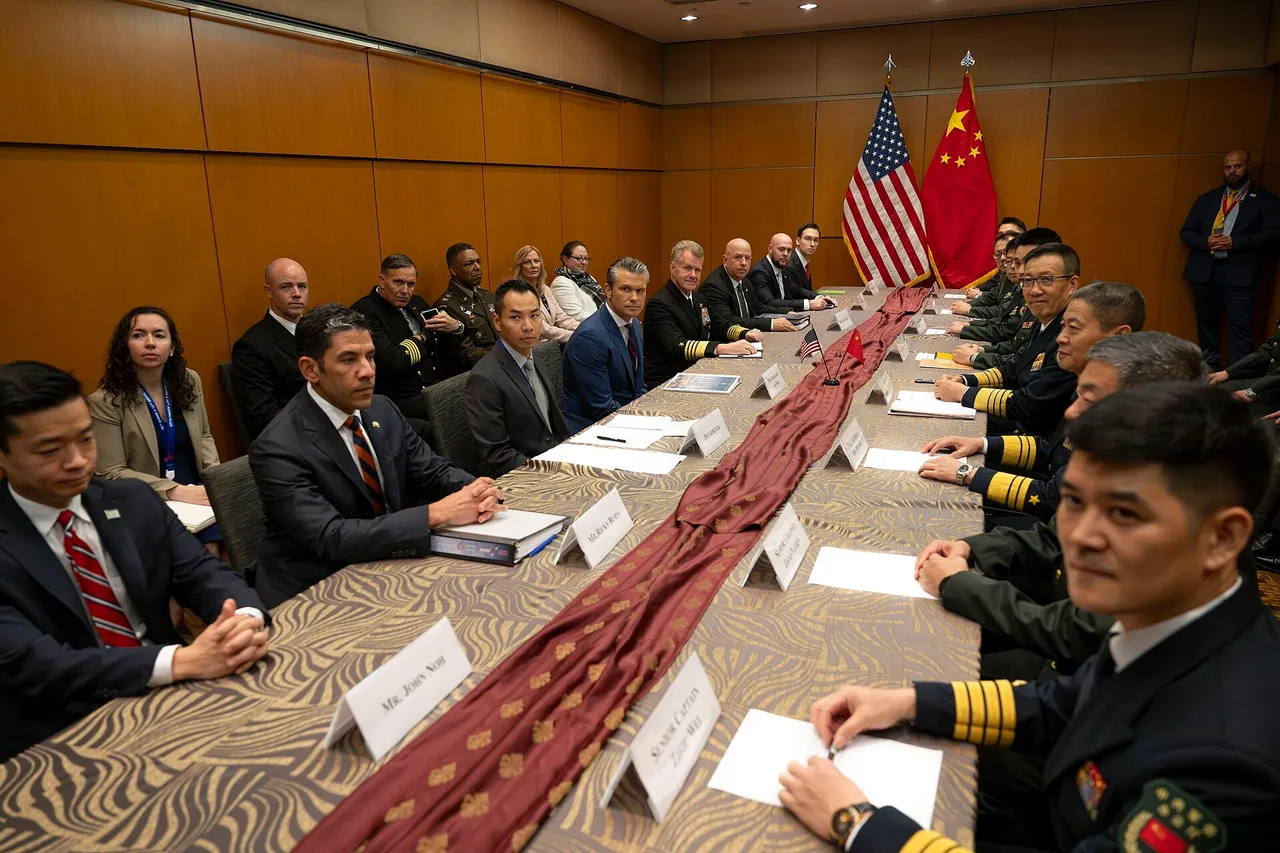
China sends its Manila defence attache, not its defence minister, to ASEAN defence talks in Cebu
Beijing has cut its delegation to the ADMM-Plus meeting hosted by the Philippines to embassy level after sending its defence minister in each of the past two years.
TaiwanDefence · 4h ago · 3 min read
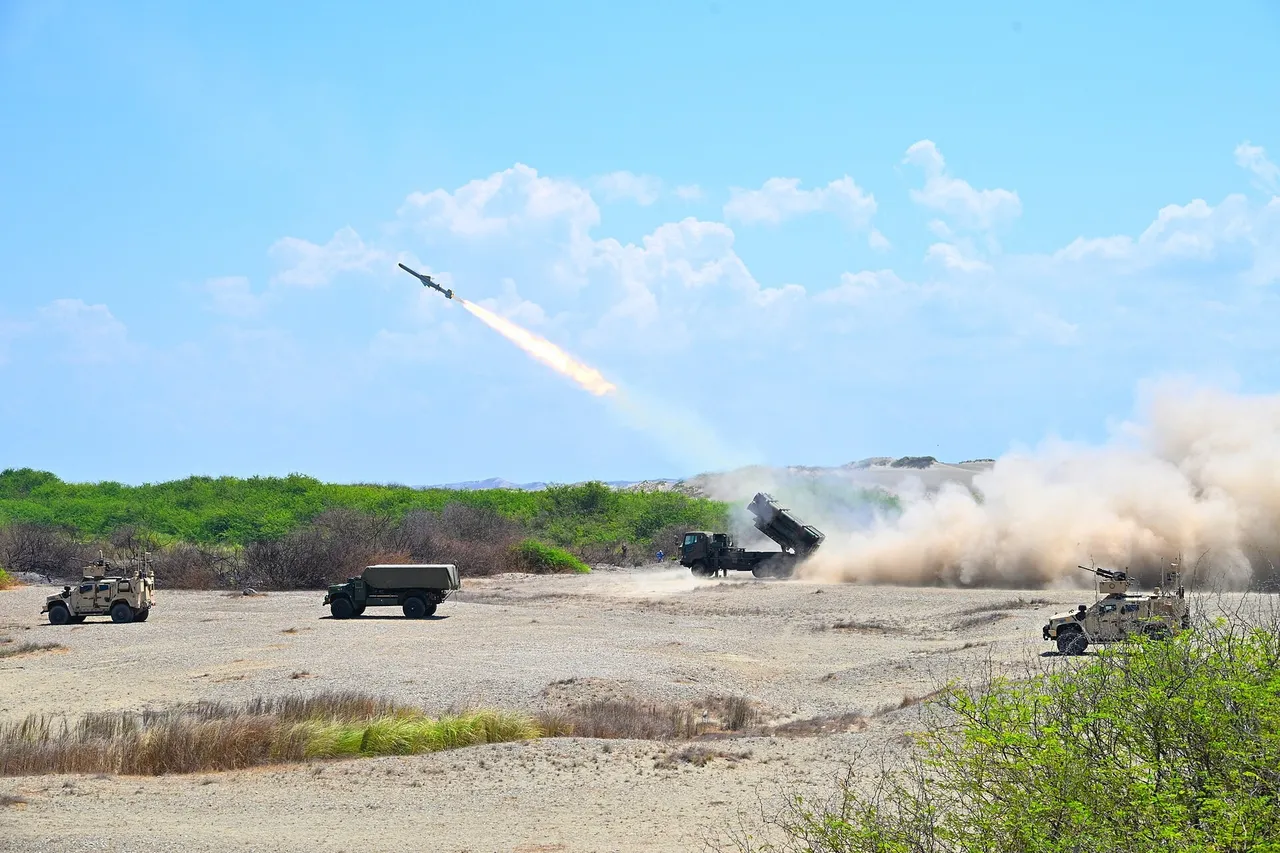
Japan's army confirms it sent officers to India to scout ranges for anti-ship missile firing
The Ground Self-Defense Force chief says finding room to fire long-range missiles is a major problem, but no date, site or missile type has been chosen.
TaiwanDefence · 5h ago · 3 min read
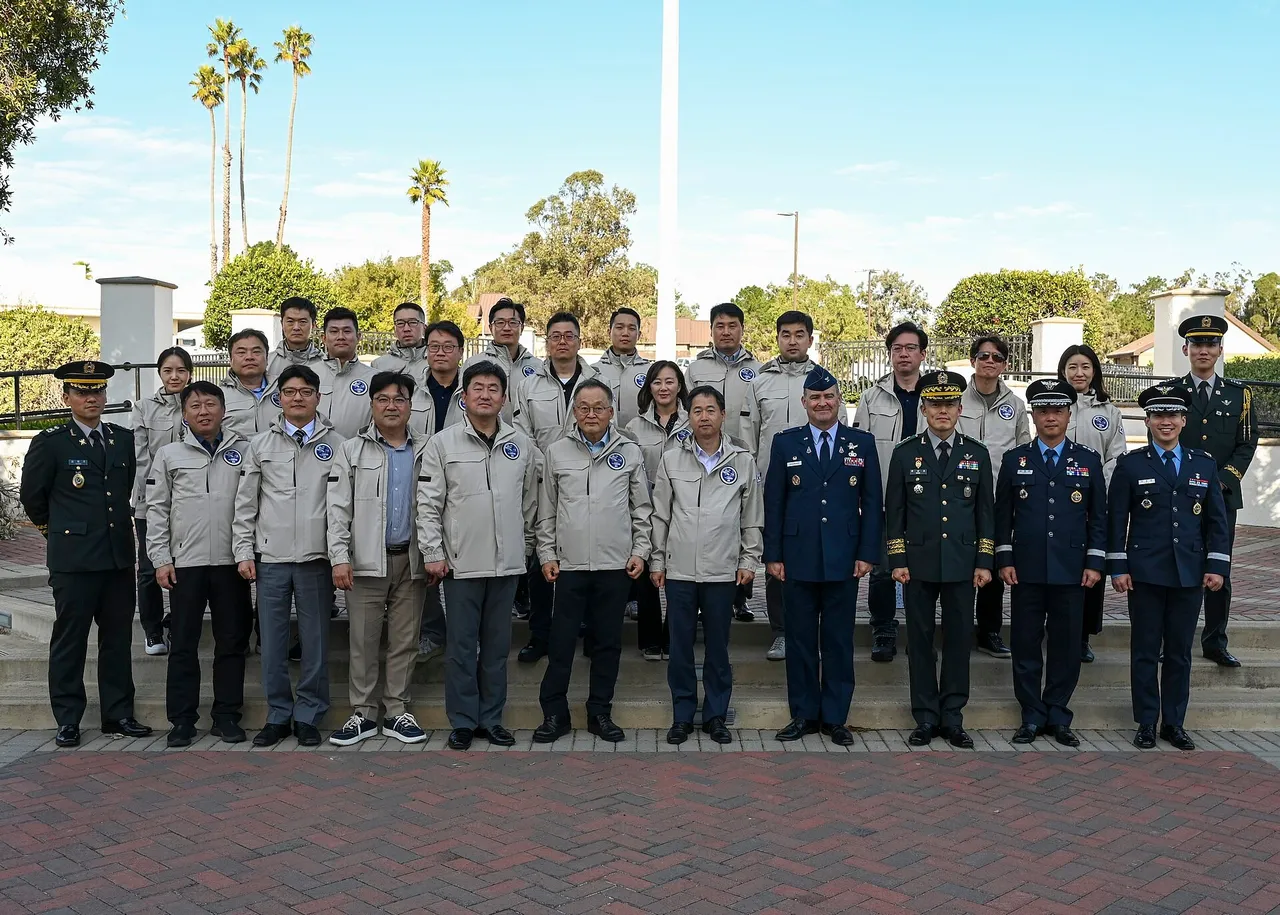
South Korea's military admits its system for fusing spy satellite imagery falls short
A lawmaker says the fusion system has slipped since 2022 and its full version is due only in 2033, when today's satellites may already be worn out.
TaiwanDefence · 6h ago · 3 min read
Discussion (0)
Comments are not currently available.