
Taiwan has two of its six MS-110 spy pods for F-16s, with the rest due by December
The air force says the remaining four US-made reconnaissance pods will arrive by year-end, giving its F-16s all-weather imagery that can be sent to the ground in real time.
TAIPEI —
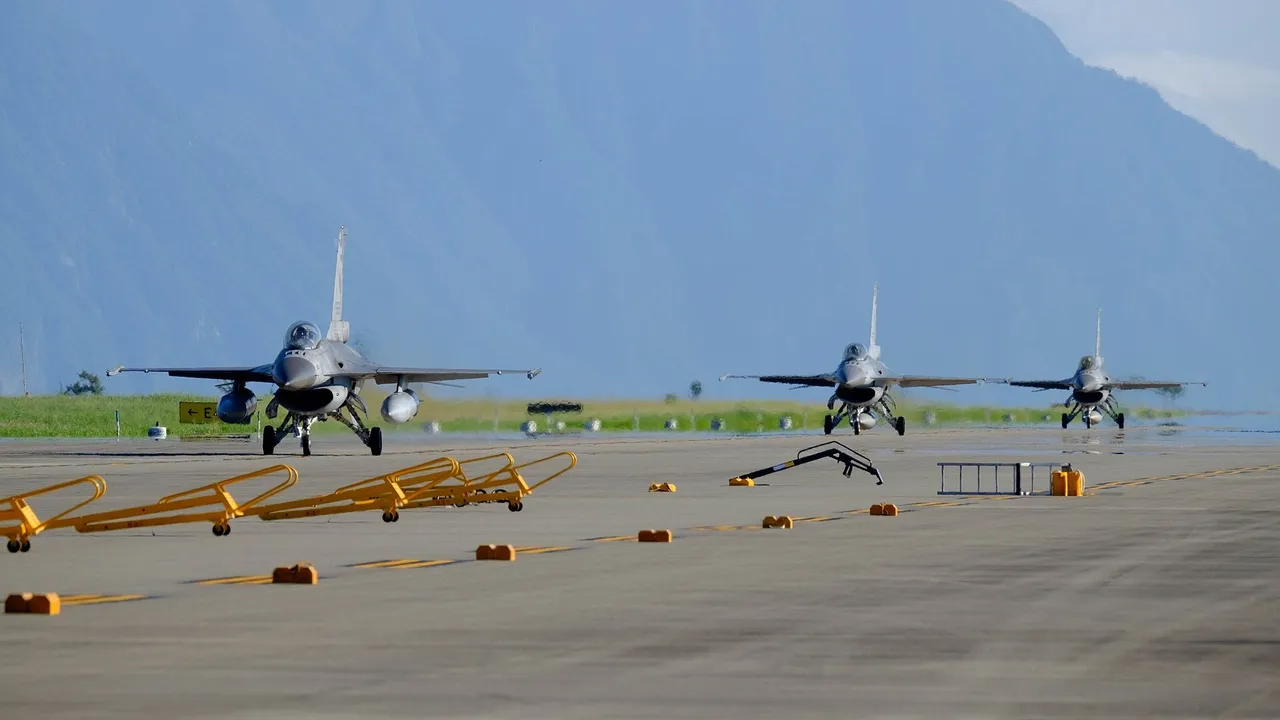
Taiwan's air force has taken delivery of two of the six MS-110 reconnaissance pods it is buying from the United States, and the other four are due to arrive by the end of December, according to a defence ministry report to the Legislative Yuan cited by the Liberty Times and to information released by the air force and reported by the China Times on 27 October.
The air force began installation tests on its F-16 fighters and conversion training for the crews who will operate the pods in June, and both newspapers said the programme was going smoothly. The Liberty Times put the total budget for the six pods at about NT$9.63 billion.
According to the China Times, the defence ministry's budget book for 2027 shows the air force had planned to receive one pod in 2025 and five in 2026. With two now in hand, delivering the remaining four in the fourth quarter would still meet the year set for completing the purchase, the paper said.
A delayed programme
The pods were originally due in 2025. In November that year the ministry's strategic planning chief, Lieutenant General Huang Wen-chi, told lawmakers that production was finished and the pods were being tested, and that they would be handed over in batches because each had to be paired with Taiwan's ground stations. Reports at the time said testing in the United States had found cracks in the pod casing that made the signal unstable, CTi News reported.
Taiwan signed the contract for the six pods in July 2021 under a programme the ministry calls Feng Zhen. An F-16 carrying one of the new pods on its centreline station was photographed flying from Chiashan Air Base in Hualien on 26 and 27 August this year, the first public sign that the systems had arrived, Asian Military Review reported.
What the pods add
The MS-110 is made by Collins Aerospace, part of RTX, and is derived from the company's widely used DB-110 pod. It images in seven bands, combining visible light with short-wave infrared, which lets it work at night and through haze, smoke and dust. Its effective range is more than 80 nautical miles, or about 148 kilometres, the China Times and Liberty Times reported.
Military sources told the Liberty Times that the pod can capture about 26,000 square kilometres of high-resolution imagery in an hour, roughly twice the output of the AN/VDS-5 Phoenix Eye pods it replaces. They said an F-16 flying east of the Taiwan Strait median line, inside the cover of Taiwan's own air defences, could photograph military deployments along the Chinese coast.
Unlike the older pods, whose film or memory had to be retrieved after landing, the MS-110 can send imagery to the ground over a data link while the aircraft is still flying. If the signal is blocked, for example by the Central Mountain Range, the pod stores the images and transmits them once the jet is back in coverage. The air force has built four ground receiving stations, one fixed and three mounted on vehicles, and imagery received there is passed over military networks and fibre lines to the Hengshan command centre and the regional operational commands, the two newspapers reported.
The pods will equip the reconnaissance squadron at Hualien, which until now has relied on the Phoenix Eye pods bought in the late 1990s and early 2000s.
Sources
More in Air Force
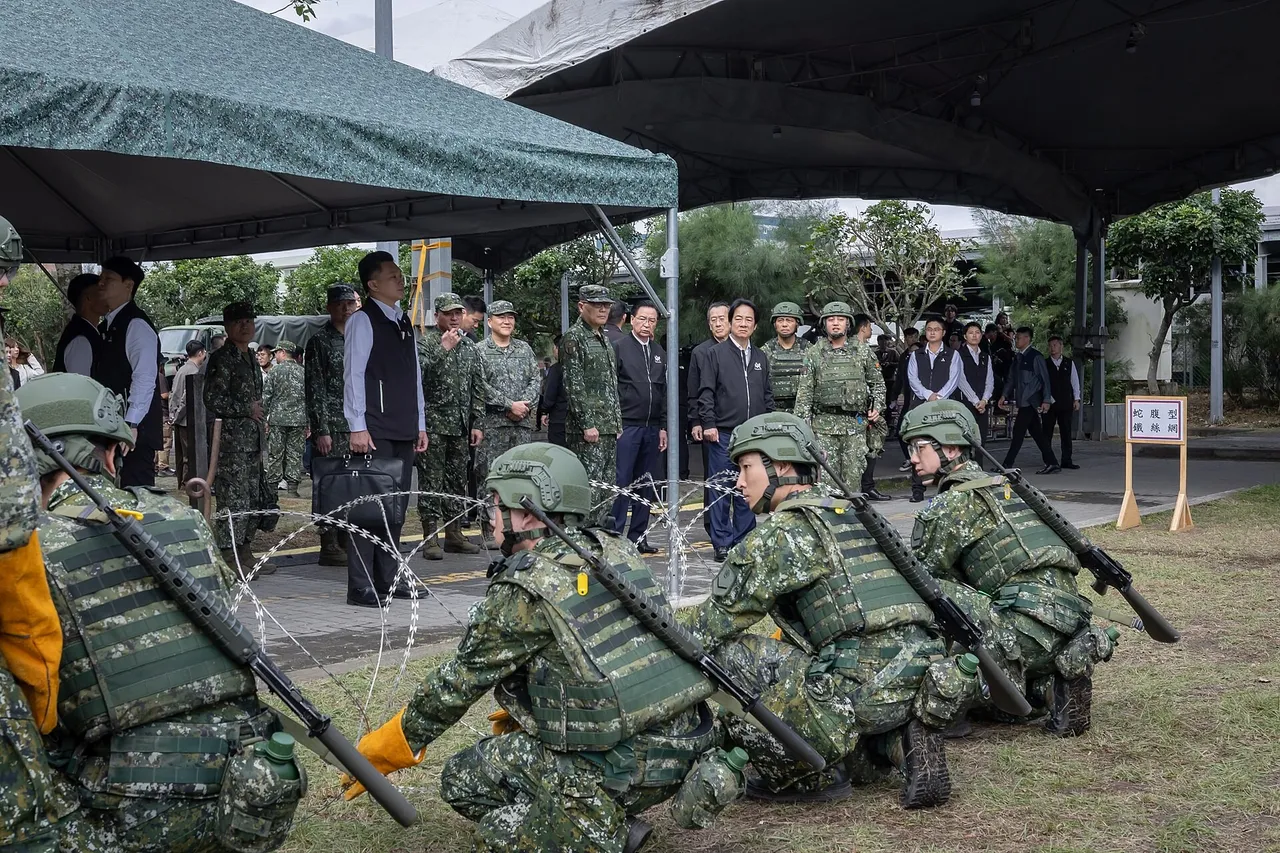
Taiwan air force keeps a reservist call-up on election day, telling 311 to vote before reporting
A venue clash left an Air Force guard battalion's reserve training starting on 28 November, Taiwan's local election day, so reservists may report until 8 pm.
TaiwanDefence · 17 Oct 2026 · 2 min read
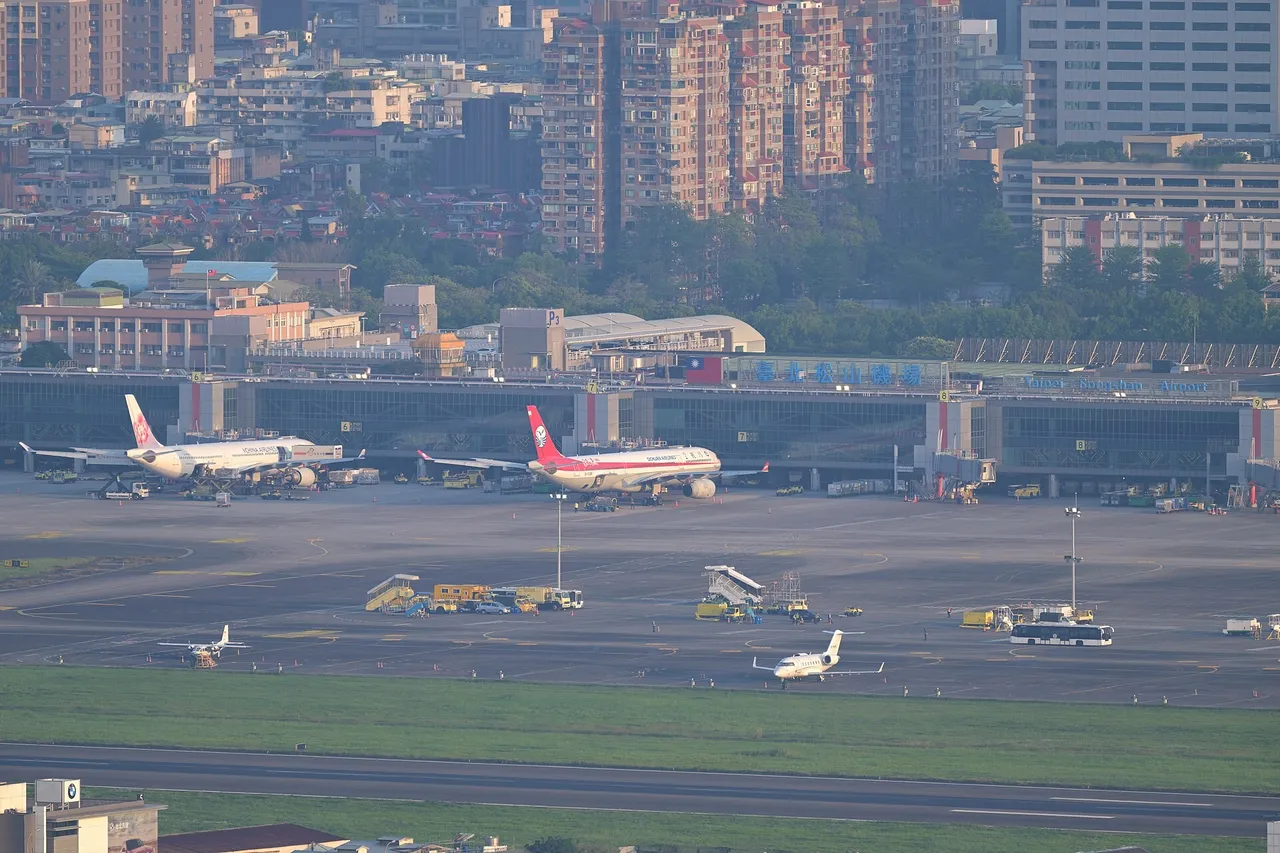
Cabinet warns Songshan airport move would leave a critical gap in capital defence
After Taipei's mayor pitched relocating Songshan airport at the Cabinet meeting on 15 October 2026, the Executive Yuan said the dual-use base is the only alternate for large jets and a pillar of capital defence.
TaiwanDefence · 16 Oct 2026 · 2 min read
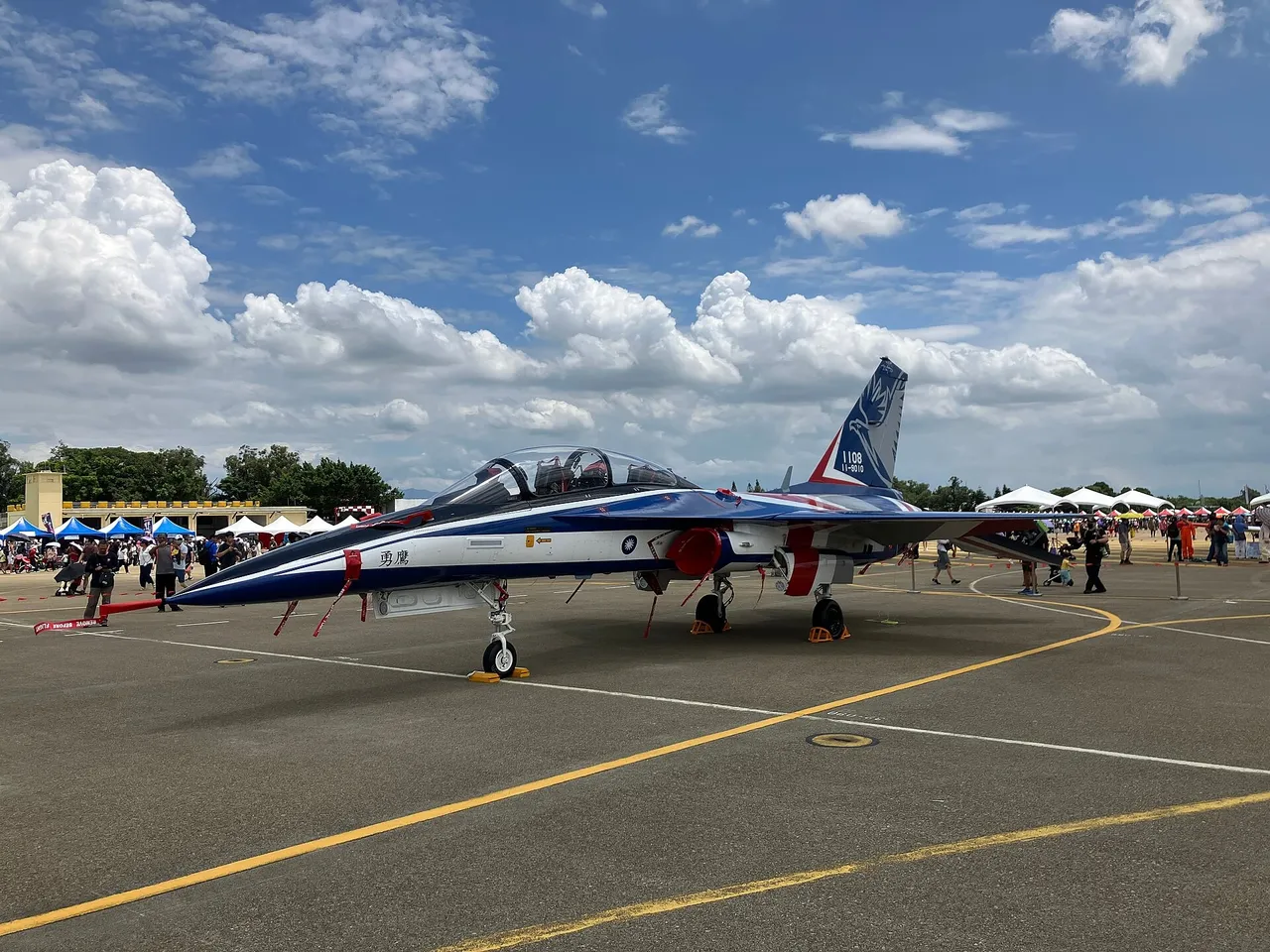
Taiwan's Brave Eagle trainers logged 212 engine blade repairs, mostly blamed on runway dust
A military probe found 201 of the cases were minor nicks polished out on the flight line, traced to dust from base runway works that watering has since curbed.
TaiwanDefence · 15 Oct 2026 · 2 min read
Discussion (0)
Comments are not currently available.