
Taiwan's Brave Eagle trainers logged 212 engine blade repairs, mostly blamed on runway dust
A military probe found 201 of the cases were minor nicks polished out on the flight line, traced to dust from base runway works that watering has since curbed.
TAIPEI —
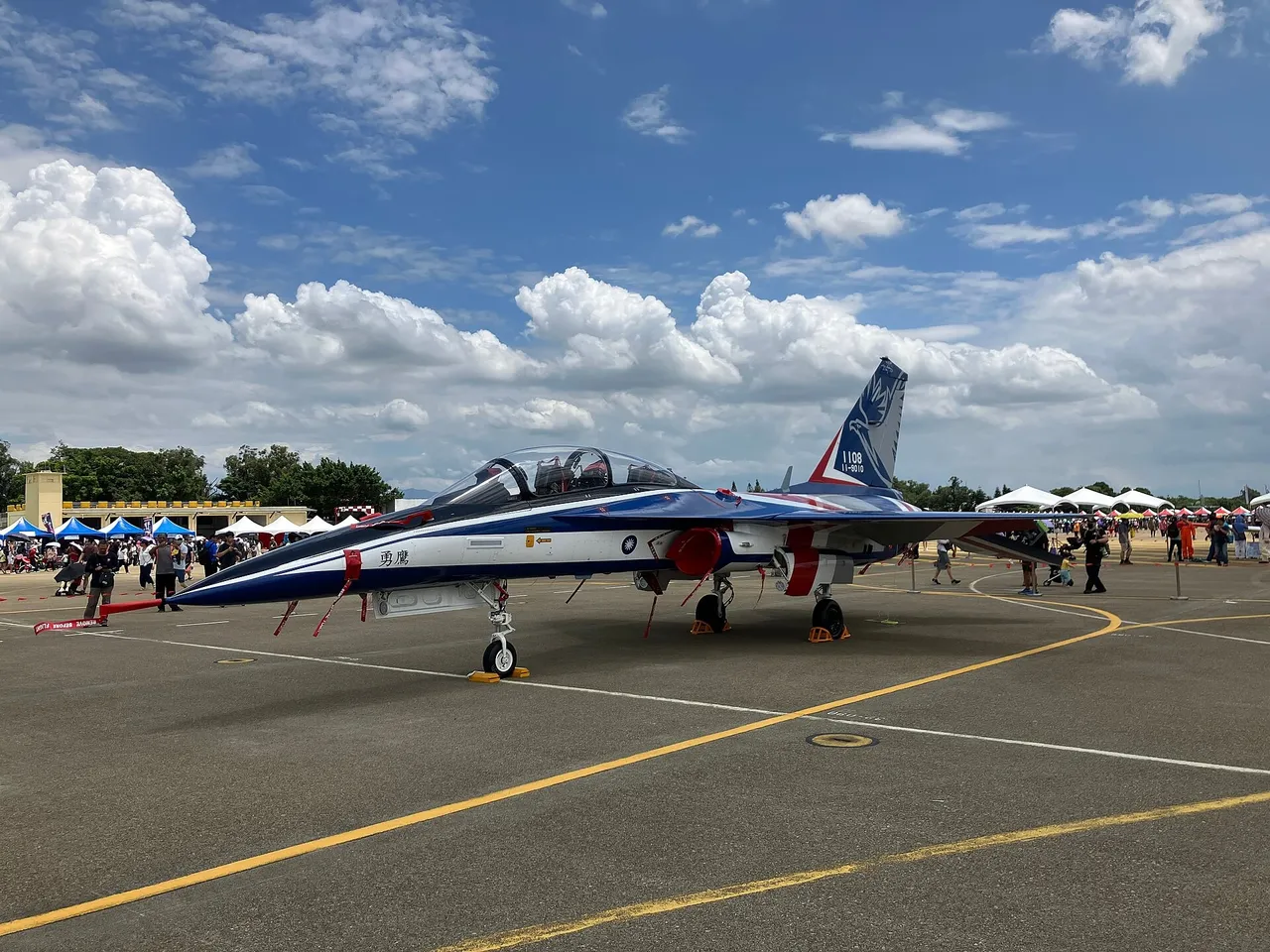
Taiwan's air force has sent Brave Eagle advanced jet trainer engines in for blade-damage repairs 212 times since the domestically built jets joined its units, a military investigation has found, though more than nine in ten cases were minor nicks blamed on dust from runway construction, the Liberty Times reported on Thursday, 15 October 2026.
The count runs from 2022 to the end of June 2026. Of the 212 cases, only 11 were caused by bird strikes or by nicks beyond allowable limits, and those engines had to be sent away for repair. The other 201 involved light scoring on the blades that maintainers could polish out, after which the engines went back into use.
Investigators traced the minor damage to conditions at the base, where expansion work on runways and taxiways in recent years kicked up heavy dust, the report said. Since the air force's 7th Wing began using an automatic watering system in 2025, the dust has been brought under control and blade damage has been easing, according to the findings.
The findings come weeks after Aerospace Industrial Development Corp (AIDC) finished delivering the 66 Brave Eagles the air force ordered, closing a development and production effort of more than nine years. The final pair, tail numbers 1165 and 1166, flew to the Air Force Academy at Gangshan in Kaohsiung on 24 September 2026.
The fleet stands at 65 aircraft after one jet was lost off Taiwan's east coast on 15 February 2025, a crash Asian Military Review attributed to a double engine failure. The trainer is powered by the non-afterburning Honeywell/ITEC F124-200TW engine, and although it is based on the two-seat Indigenous Defense Fighter, more than 80 percent of its components are new. Taiwan News reported that the fleet is based mainly at Gangshan and at Chihhang Air Base in Taitung.
The Brave Eagle now carries the whole advanced training load. The AT-3 trainer, in service for more than 40 years, was retired at the end of July, and the F-5E/F has handed over its lead-in training role. Air force pilot training has moved from three stages on three aircraft types to three stages on two, and the first students to go straight from the T-34C basic trainer to the Brave Eagle have passed their solo checks.
Although the jet normally flies without live weapons, it keeps hardpoints and wiring for a wartime role, the Liberty Times noted. Compared with the fighter it is derived from, it drops the fixed gun, radar and centreline missile station, but its wingtip and underwing stations can carry Tien Chien I air-to-air missiles, Mk-82 500-pound bombs and rocket pods. AIDC and the National Chung-Shan Institute of Science and Technology have completed live release tests, and in wartime the trainer could switch to light attack in support of anti-landing defence.
For an air force that now feeds its fighter squadrons through a single advanced trainer type, keeping Brave Eagle engines on the flight line matters. The investigation points mainly to the base environment rather than the aircraft, though the 11 more serious cases still meant removing engines for repair.
Sources
More in Air Force
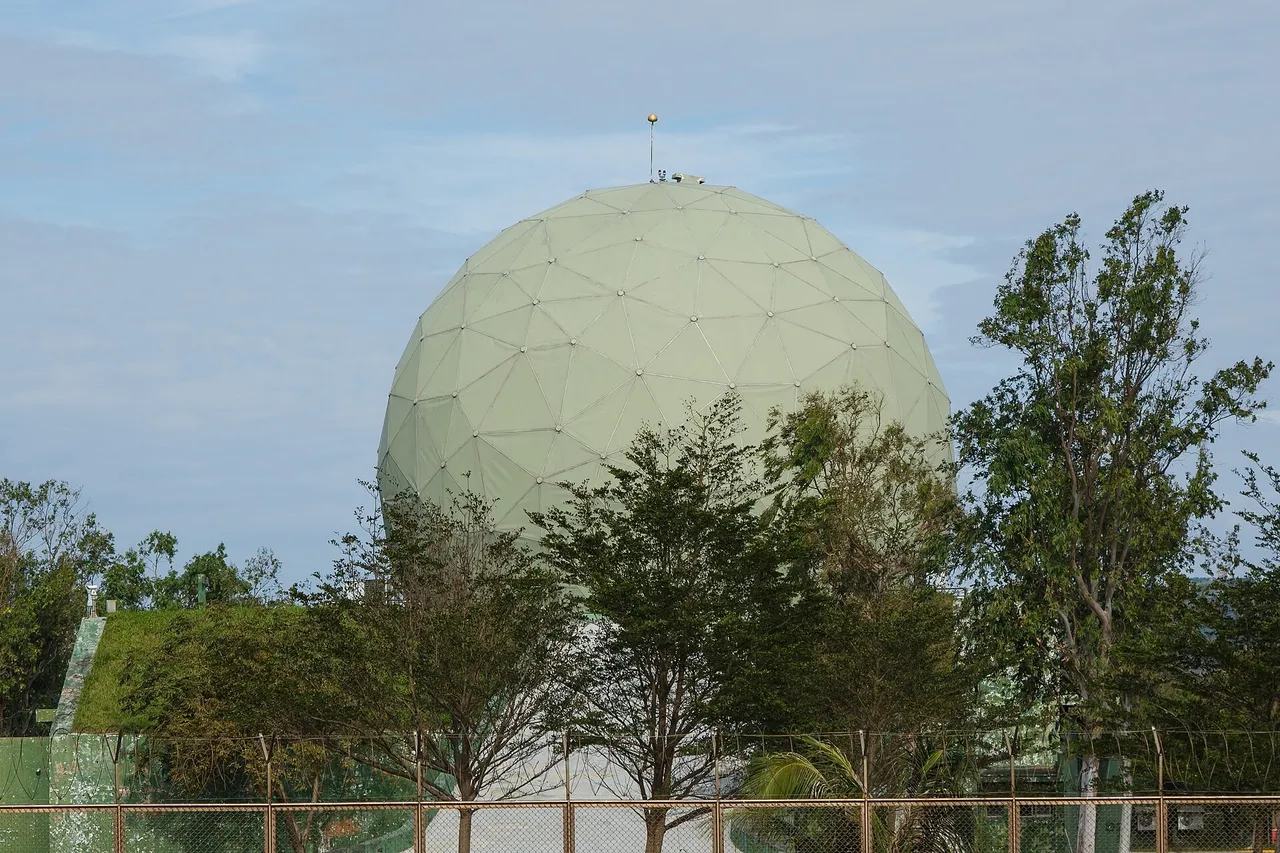
Taiwan's air force delays radar guard platoons to 2029 as China-free vehicle bid stalls
Taiwan's air force will form 14 conscript guard platoons for its radar stations in phases through 2029, and a patrol vehicle tender drew no bidders.
TaiwanDefence · 2h ago · 3 min read
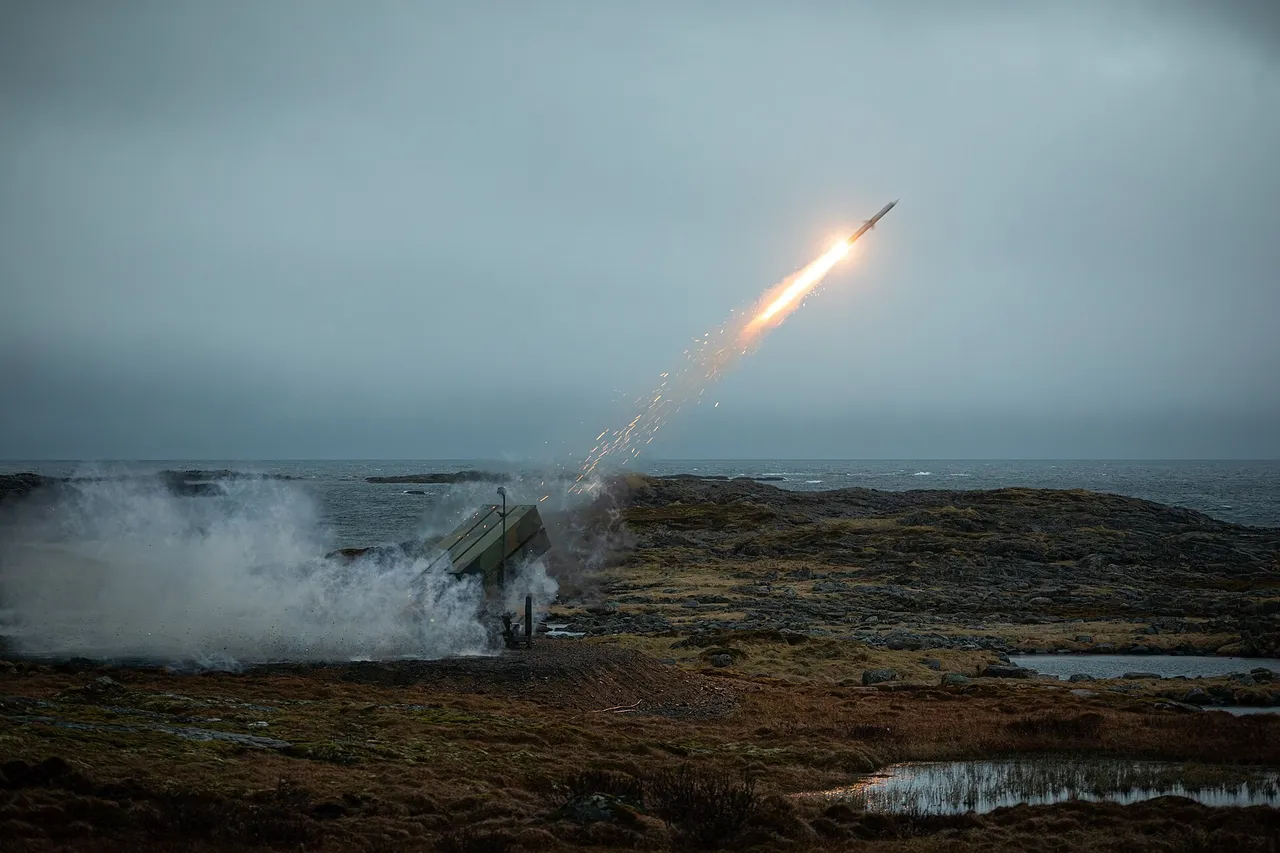
Taiwan's military seeks 462 AMRAAM-ER surface-to-air missiles for NASAMS against China
Taiwan wants 462 AMRAAM-ER missiles for 12 NASAMS sets to face Chinese air threats; 123 come first and the rest still await a US announcement.
TaiwanDefence · 4h ago · 3 min read
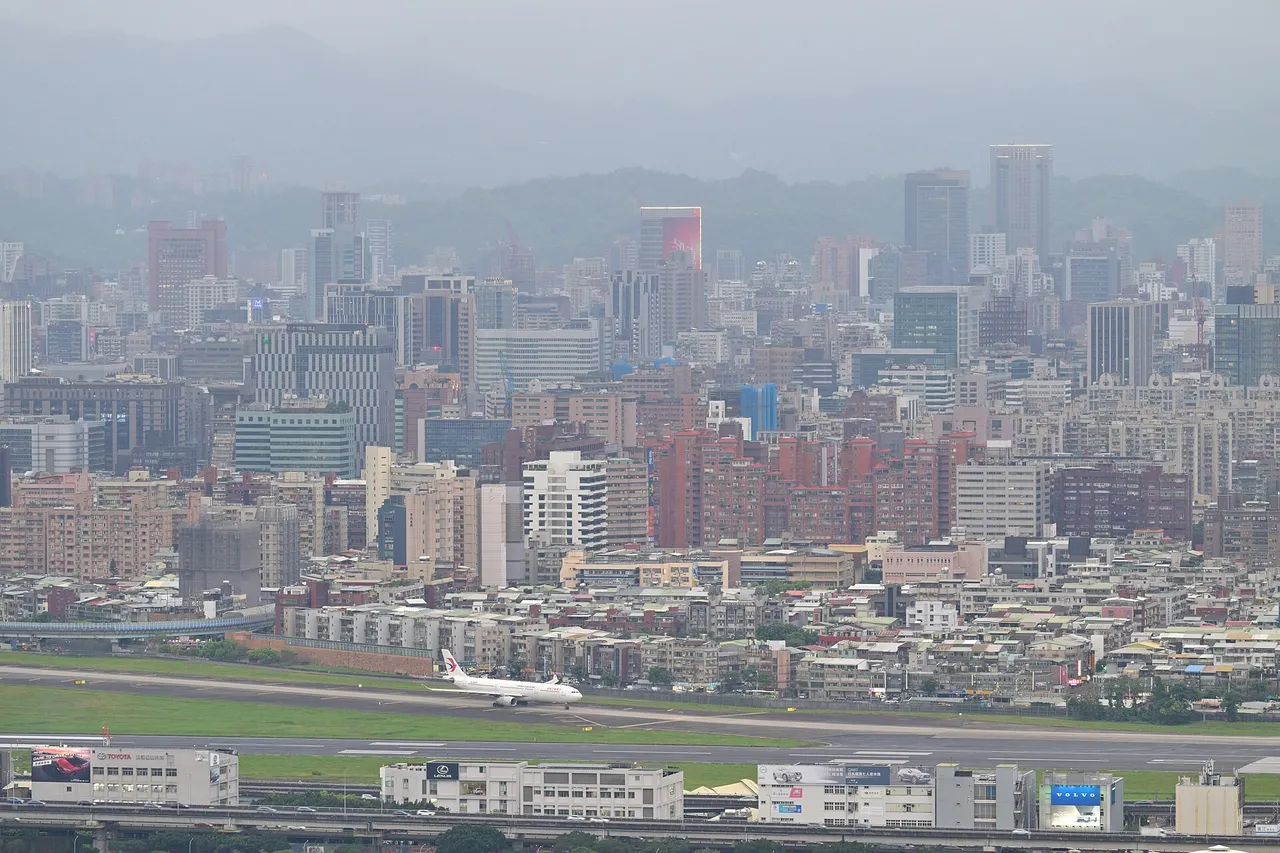
Taiwan's defence ministry tells lawmakers military needs come first in any Songshan or Taichung airport change
A 14 October written report says six civil-military airports form a dispersed, mutually supporting air defence network that any relocation must not break.
TaiwanDefence · 1d ago · 3 min read
Discussion (0)
Comments are not currently available.