
Japanese ruling-party lawmakers seek an agency to support retired troops and military families
A Liberal Democratic Party caucus urged Defence Minister Shinjiro Koizumi to set up a support agency for retired SDF members and families before the security strategy revision.
TAIPEI —
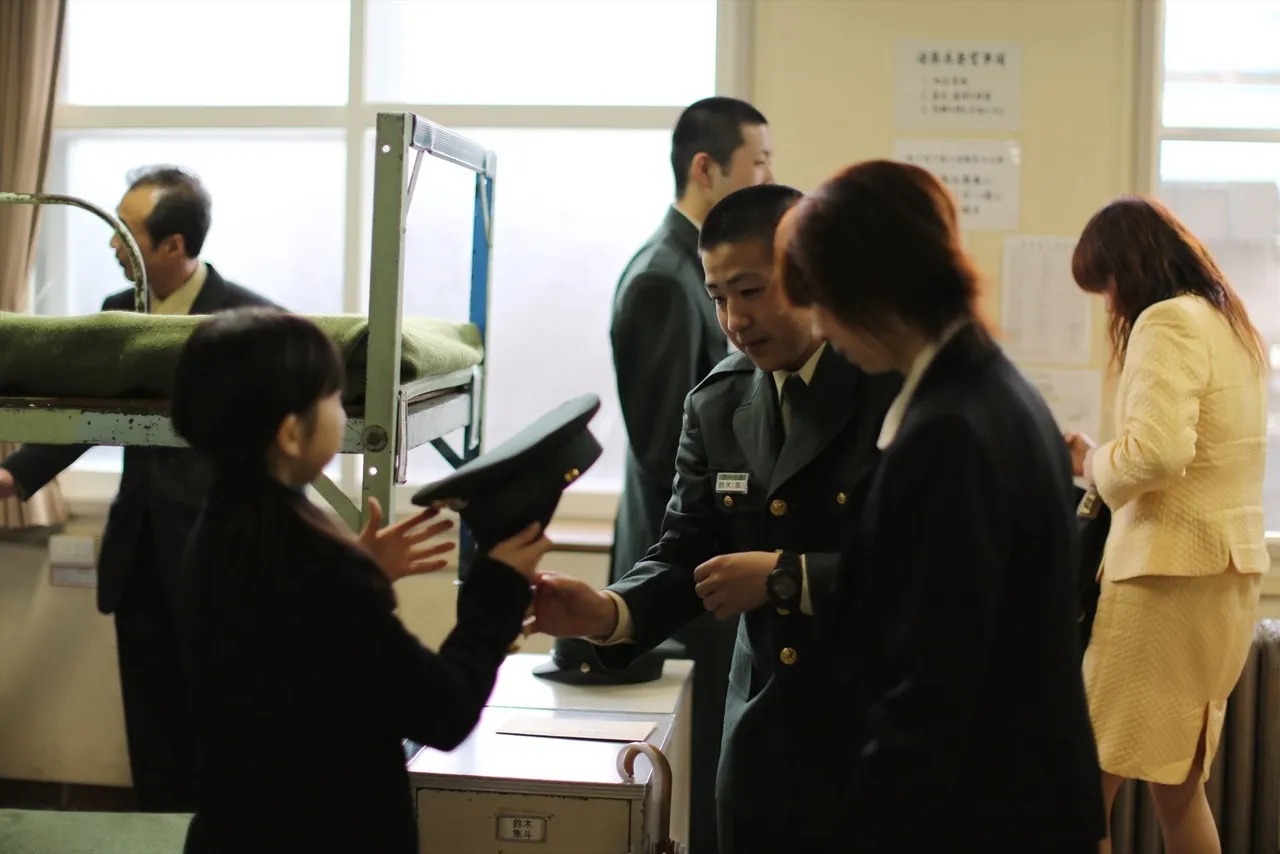
A group of lawmakers from Japan's governing Liberal Democratic Party asked Defence Minister Shinjiro Koizumi on Tuesday, 27 October, to create a dedicated body inside the defence ministry to support retired Self-Defense Forces members and the families of serving personnel. The caucus, whose name translates as the parliamentary league to strengthen the human foundation of the SDF, handed its proposal to Koizumi at the Diet ahead of the revision of Japan's three main security documents planned for the end of the year.
The new body would provisionally be called the Retired SDF Personnel and Family Support Agency. According to a Kyodo report carried by Nikkei, it would take charge of support measures for former members and their relatives in one place rather than leaving them spread across different offices.
The proposal starts from recruitment. It notes that the population at the age from which the SDF recruits is shrinking, and it describes measures to raise the forces' staffing rate and strengthen their organisation as an urgent task, TV Tokyo reported.
Pay, retirees and families
On pay, the lawmakers want the SDF to have a salary system of its own, designed so that members feel their work is worthwhile and a source of pride. NHK summarised the package as a call to review the pay structure of SDF personnel and to promote re-employment support for people who leave the forces.
The caucus also wants a new corporation to strengthen Japan's domestic defence production base and promote equipment transfers abroad, and it suggests that retired SDF officers be hired by that organisation. Nikkei reported that the proposal asks the ministry to outsource more SDF activities so that retirees have more places to work, and to deal with ageing staff housing.
Because SDF members are often sent on long training periods, deployments and emergency missions, the lawmakers asked for more help for spouses looking for work when a family is transferred, and for children who must change nursery or school after a move.
Onodera ties personnel to equipment
The caucus is chaired by Itsunori Onodera, a former defence minister. Explaining the aim of the proposal, he said that even excellent defence equipment would leave a serious security problem if there were not enough personnel able to defend the country.
Speaking to reporters after the meeting, Onodera noted that SDF members usually retire earlier than other workers because of the forces' early retirement ages, and said it was important to help them go on to work they can be proud of in civilian life.
Onodera said Koizumi told the group he would take the proposals seriously in drawing up the new strategy. TV Tokyo reported that the government plans to include policies to improve the treatment of SDF members in the year-end revision of the security documents, taking into account discussions in an expert panel advising on the revision.
Why it matters
The proposal adds pressure from inside the ruling party for personnel policy to sit alongside weapons purchases in Japan's next defence strategy. The lawmakers' own framing is that a shrinking pool of young recruits, rather than a lack of equipment, is the more urgent constraint on the forces Japan can field.
Sources
More in Indo-Pacific
Japan says army intelligence units did nothing improper as lawmakers press on files about citizens
Defence officials told an upper house committee they found no wrongdoing by Ground Self-Defense Force field intelligence units accused of profiling civilians.
TaiwanDefence · 1h ago · 3 min read
Guam's delegate says Dark Eagle hypersonic missile went to Tinian, knows of no plan to base it on Guam
Del. James Moylan's written testimony to a legislative buildup briefing also relayed a Pacific Command line that Guam's new missile shield exists to defend the island.
TaiwanDefence · 4h ago · 3 min read
South Korea's military has lost more than a third of its staff sergeants in four years
Defence ministry data show too few new junior NCOs joining, not more leaving, as conscript pay rises close the gap with the sergeants who lead them.
TaiwanDefence · 5h ago · 2 min read
Discussion (0)
Comments are not currently available.