
Indian Army lines up Pokhran trials for 540 jet-powered kamikaze drones as 11 Indian firms compete
The Rs 2,000 crore fast-track buy is the army's first dedicated programme for high-speed attack drones, which fly roughly three times faster than propeller types.

TAIPEI —
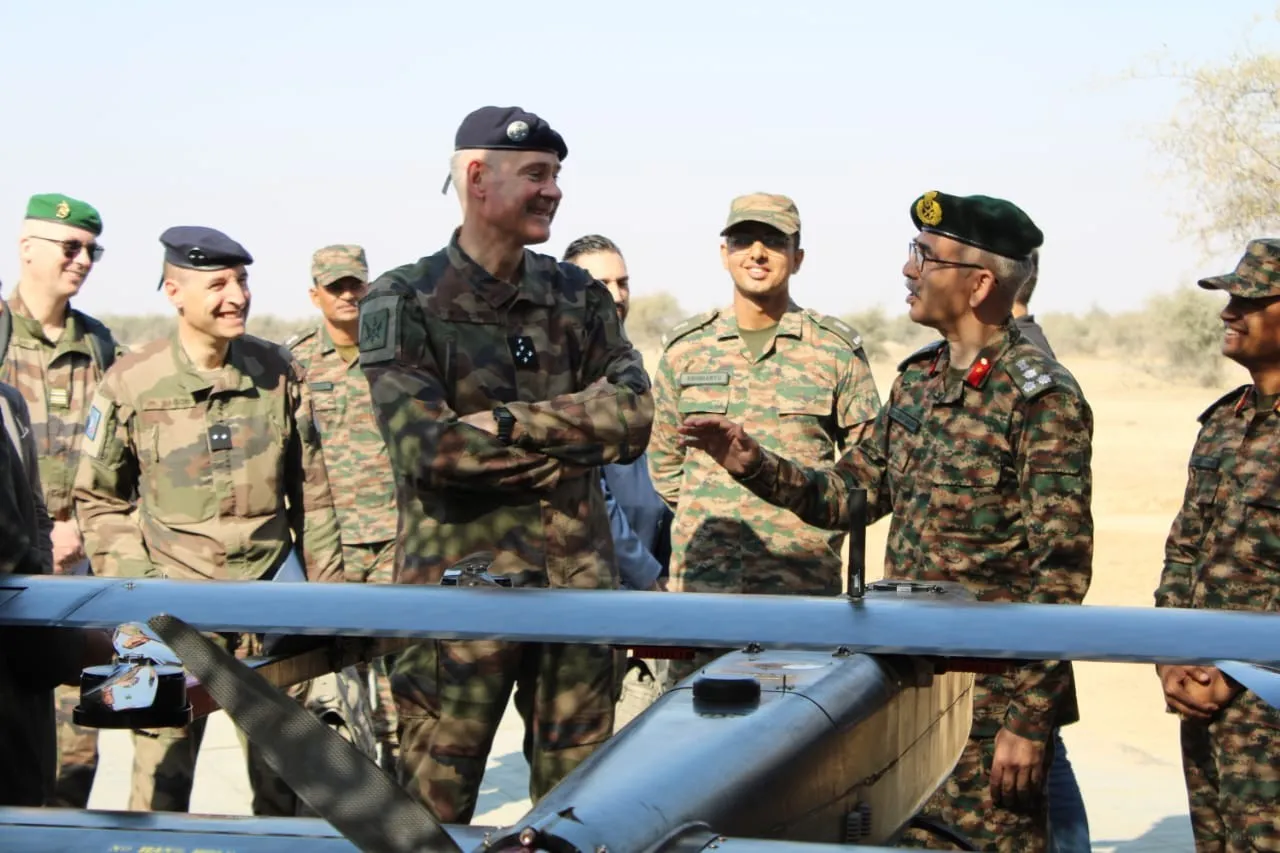
The Indian Army is due to start field trials of home-built, jet-powered kamikaze drones this week at the Pokhran ranges in Rajasthan, according to The Times of India. The trials are the next step in the Jet Based Kamikaze Drone System programme, under which the army plans to buy 540 of the weapons through its Fast Track Procurement route. The programme is valued at around 2,000 crore rupees, and the paper described it as the first time the army has set up a dedicated effort to acquire high-speed attack drones.
The Defense News reported that the Defence Acquisition Council, chaired by Defence Minister Rajnath Singh, granted the programme its Acceptance of Necessity on 26 October 2026, the formal approval that allows a purchase to move ahead. The outlet attributed that date to earlier reports. Only Indian companies may compete.
Interest from industry was broad. About 60 companies answered the army's request for information issued in July 2026, 18 went on to submit bids, and 11 qualified for the trials, both outlets reported. The firms named so far are Bharat Forge working with VEDA Aeronautics, NIBE, Adani Defence, SMPP working with NewSpace Research and Technologies, Tonbo, the state-owned Munitions India Limited and Apollo Micro Systems. DroneNews.org, which cited the Indian defence site idrw.org for the cost estimate, also counted 11 firms in the race.
The trials are meant to test more than the airframe. Each vendor has to demonstrate a complete operational package, including the vehicles that carry the drones into the field and separate vehicles used for mission planning and briefing, according to The Times of India and The Defense News.
Speed is the main attraction. Loitering munitions of this kind circle over an area, pick out a target and dive into it with an explosive warhead. Propeller-driven designs typically fly at 150 to 200 kilometres per hour, while the jet-powered versions sought by the army are expected to reach about 450 kilometres per hour. That shortens the time an enemy air defence system has to detect, track and shoot them down.
The army is not starting from scratch. It has already received 106 jet-powered Agniveg drones from SMPP, of which 100 are operational and six are used for training, The Times of India reported. The maker says the type can fly at up to 450 kilometres per hour, strike within five metres of its aim point and resist jamming and spoofing. DroneNews.org reported that SMPP markets the drone as the Peacekeeper and gives it a range of about 180 kilometres.
The headline figure implies a high unit price, at roughly 3.7 crore rupees per drone, DroneNews.org calculated, well above published estimates for Russian jet-powered drones. The outlet cautioned that the sum may also pay for development, testing, control stations, launch facilities, training, spares and early production, so a per-drone cost cannot be read directly from it.
Engines are another domestic priority. The Times of India reported that the Gas Turbine Research Establishment, a laboratory of the Defence Research and Development Organisation, has developed a small expendable turbojet in the 350 kilogram class suited to cruise missiles and jet-powered loitering munitions, and works with Azad Engineering, while start-ups including DG Propulsion, Nabhdrishti Aerospace and Paninian Aerospace are entering the field.
The push follows recent combat experience. India's air force used Israeli-made Harpy and Harop loitering munitions against Pakistani radars and command posts during Operation Sindoor, The Times of India noted, and the war in Ukraine has shown how cheaper unmanned weapons can strike military infrastructure. Iran fielded the jet-powered Shahed-238 in 2023, and Russia has since developed its Geran-3, Geran-4 and Geran-5 designs. If the Pokhran trials succeed, the army would gain a domestically built option in a class of strike weapon that is reshaping warfare.
Sources
More in Indo-Pacific
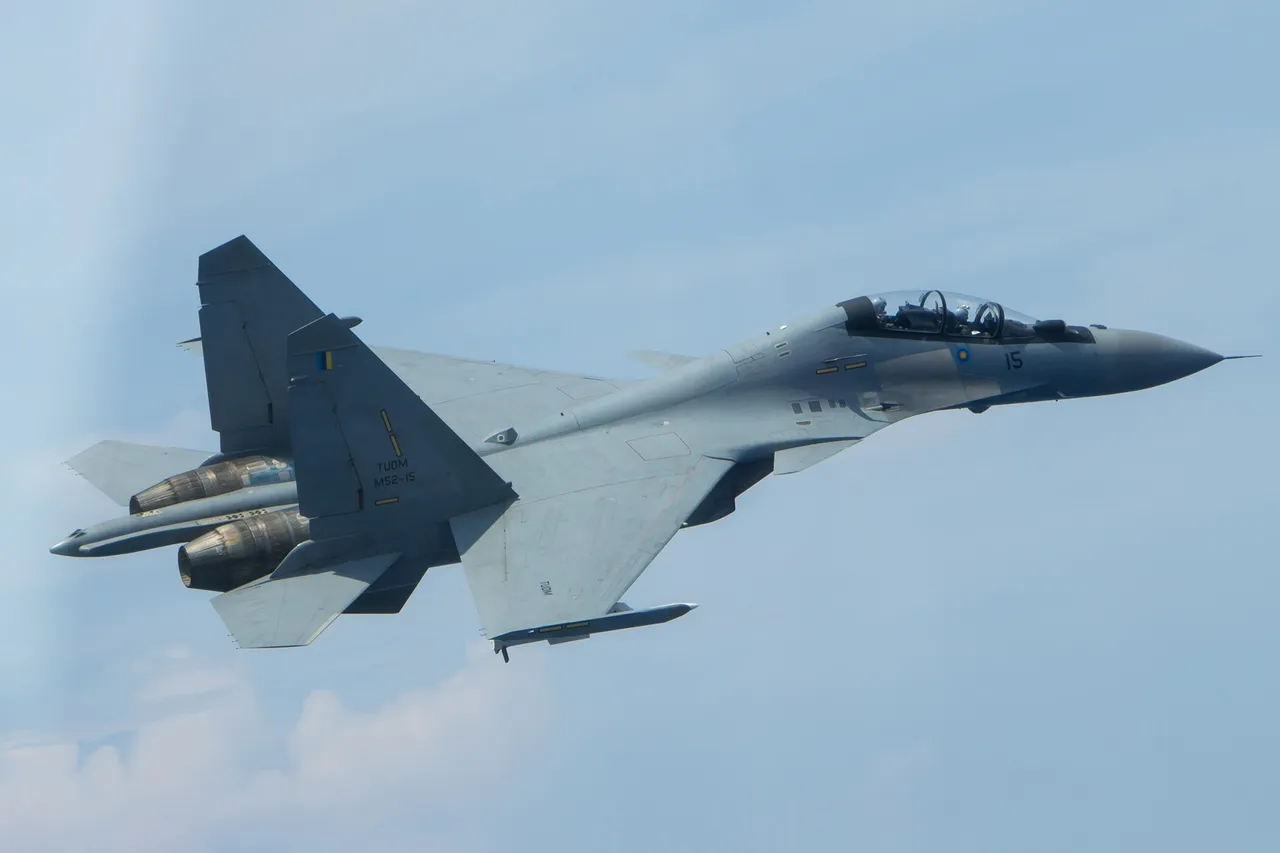
Malaysia says a BrahMos buy for its Su-30MKM fighters is still only being explored
Defence Minister Khaled Nordin told parliament no decision has been made, as the missile's maker says talks with other South-east Asian buyers are advanced.
TaiwanDefence · 18m ago · 3 min read
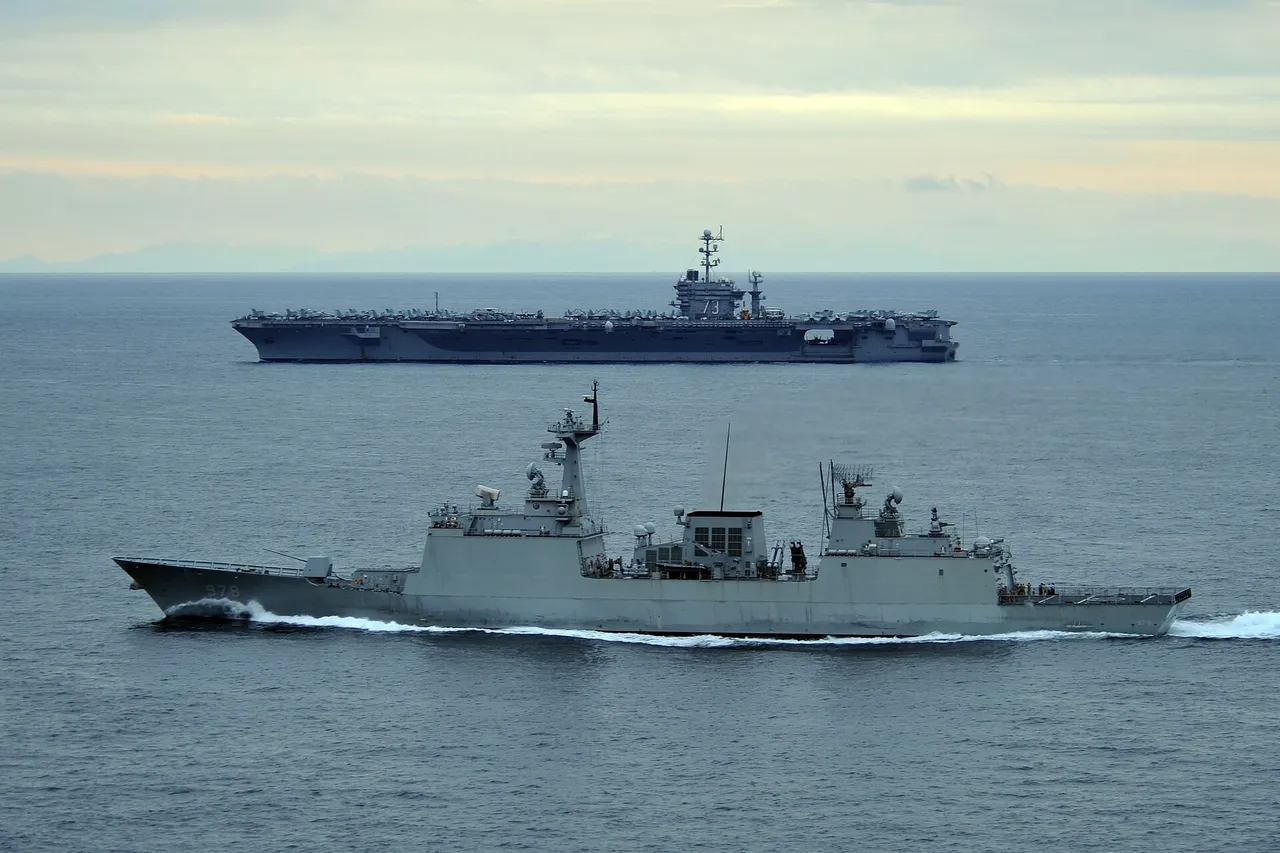
South Korea seeks to widen its navy's anti-piracy zone toward Hormuz as Iran warns Seoul off
Seoul's plan adds a P-8A patrol aircraft and mine-clearing drones to the Cheonghae Unit, while Tehran says any naval role near the strait would count as hostile.
TaiwanDefence · 2h ago · 3 min read
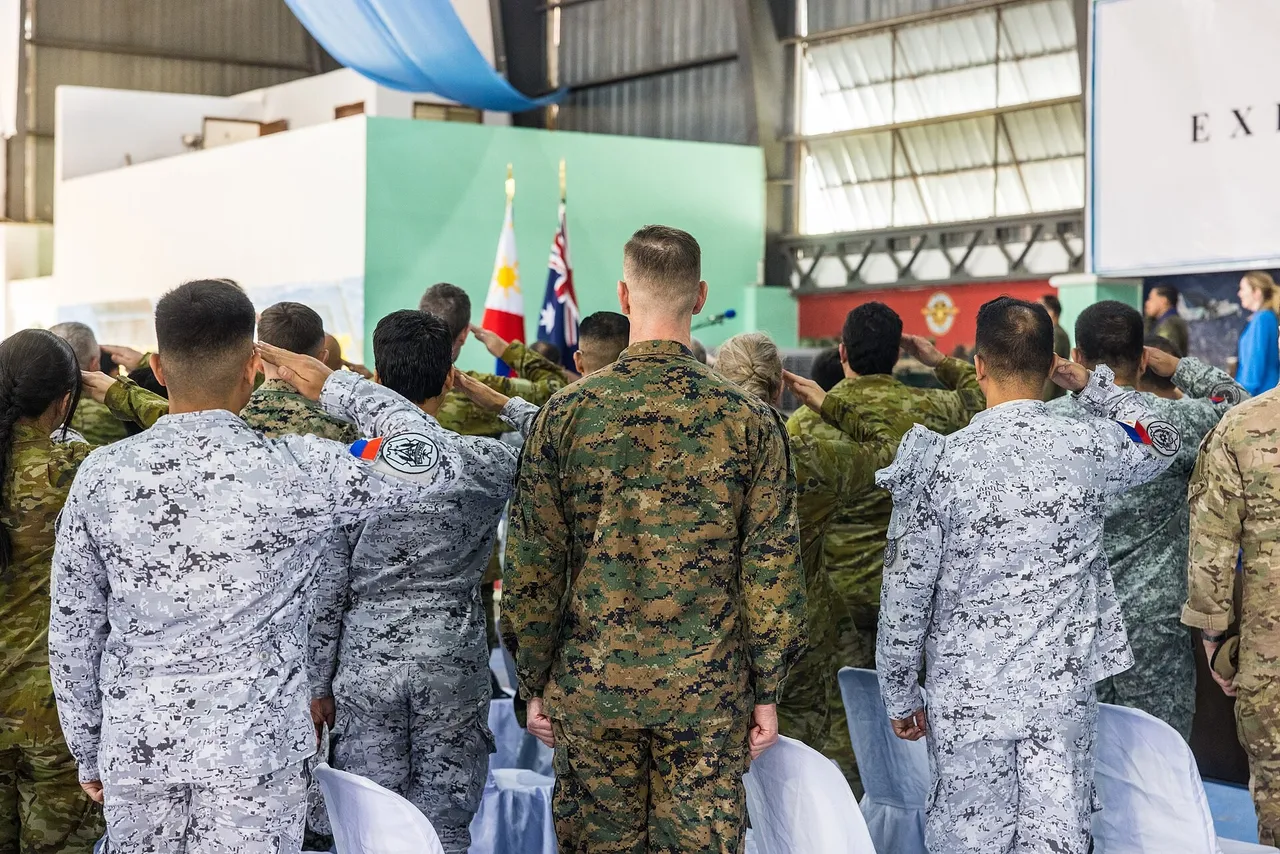
Australia and the Philippines set to sign a defence pact replacing their 1995 framework
Defence Secretary Gilberto Teodoro and Australia's ambassador are due to sign a new Defence Cooperation Arrangement on Sunday, with Anthony Albanese in attendance.
TaiwanDefence · 3h ago · 3 min read
Discussion (0)
Comments are not currently available.