
South Korea seeks to widen its navy's anti-piracy zone toward Hormuz as Iran warns Seoul off
Seoul's plan adds a P-8A patrol aircraft and mine-clearing drones to the Cheonghae Unit, while Tehran says any naval role near the strait would count as hostile.

TAIPEI —
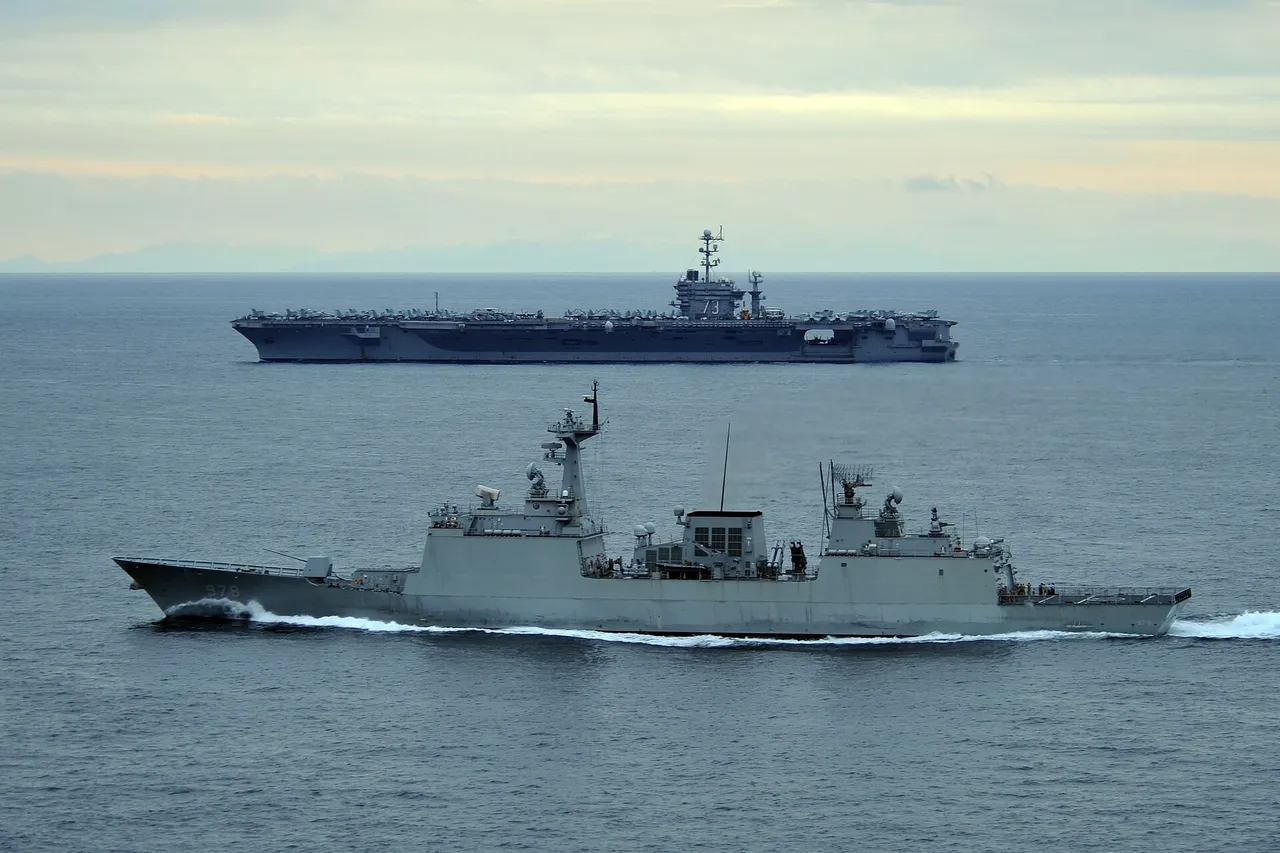
South Korea's government has asked the National Assembly to let the navy's Cheonghae Unit operate well beyond its long-standing anti-piracy zone, moving its patrol area from the Gulf of Aden off Somalia to waters south of Oman in the Arabian Sea. At its closest point the new zone would sit about 650 kilometres from the Strait of Hormuz. The Cabinet, chaired by President Lee Jae Myung, approved the revised deployment motion on Tuesday, 10 November, and it cannot take effect without parliamentary approval.
The plan also adds firepower and sensors to a unit that has relied on a single destroyer. According to Aju Press, a P-8A Poseidon maritime patrol aircraft would be based in Djibouti, alongside a 30-member explosive ordnance disposal team and unmanned mine-clearance equipment, raising the authorised strength by 75 to about 395 personnel. The Hankyoreh reported that the mine-countermeasure package includes unmanned surface and underwater vehicles as well as drones, and that the motion would extend the deployment until 31 December 2027. The deployment budget would rise to roughly 37.4 billion won this year and 40.5 billion won next year, the paper said.
A new line in the unit's mission statement has drawn the most attention in Seoul. Alongside protecting South Korean ships and citizens, the motion says the unit may join international efforts to make sea lanes safe and restore freedom of navigation. The Hankyoreh and Yonhap reported that this clause, together with existing wording that places the unit under the tactical control of an on-scene commander during operations run by the US-led Combined Maritime Forces or the European Union, has fed speculation that the force could be drawn into the Hormuz crisis.
Defence ministry spokesperson Chung Binna told a briefing on 12 November that such tactical control is a narrow authority used only temporarily and in specific areas, according to Yonhap. She said the chairman of the Joint Chiefs of Staff keeps command of the unit, that its operating area is limited to the Gulf of Aden and the waters south of Oman, and that the force would not take part in war or combat. The tactical control wording has appeared in every extension motion since the unit first deployed in 2009, and a South Korean Navy captain has commanded the multinational anti-piracy task force CTF-151 since August, she added.
Iran has responded sharply. On 12 November, Iranian Foreign Ministry spokesperson Esmaeil Baghaei posted on X a Korean proverb about a small bird that injures itself trying to keep pace with a stork, alongside an illustration of a bird marked with the US flag falling from the sky above a strait lined with warships and tankers, Korea JoongAng Daily reported.
In the same post, Baghaei claimed that any direct or indirect involvement against Iran, including sending naval forces, logistics equipment or personnel, would be treated as hostile and unlawful participation in US aggression. He argued that this would breach the United Nations Charter and claimed that citing freedom of navigation or counter-piracy would not change that assessment. These are statements of the Iranian government and have not been tested independently. He had already urged Seoul at a 9 November briefing not to send forces to the region.
South Korea's foreign ministry spokesperson Park Doo-soon said on 10 November that the government was strengthening the unit's mission to protect citizens and economic interests under a principle of staying out of the war, and that Seoul was in continuous contact with Iran and other countries concerned, Aju Press reported.
The debate unfolds as the United States and Israel have been at war with Iran since late February and commercial traffic through the strait has been largely halted for months. US President Donald Trump urged allies in March, including South Korea, to help reopen the waterway. Seoul faced a similar dilemma in 2020, when it widened the unit's operating area toward Hormuz while staying out of a US-led coalition; Iran seized a South Korean tanker the following year before later releasing it.
Sources
More in Indo-Pacific
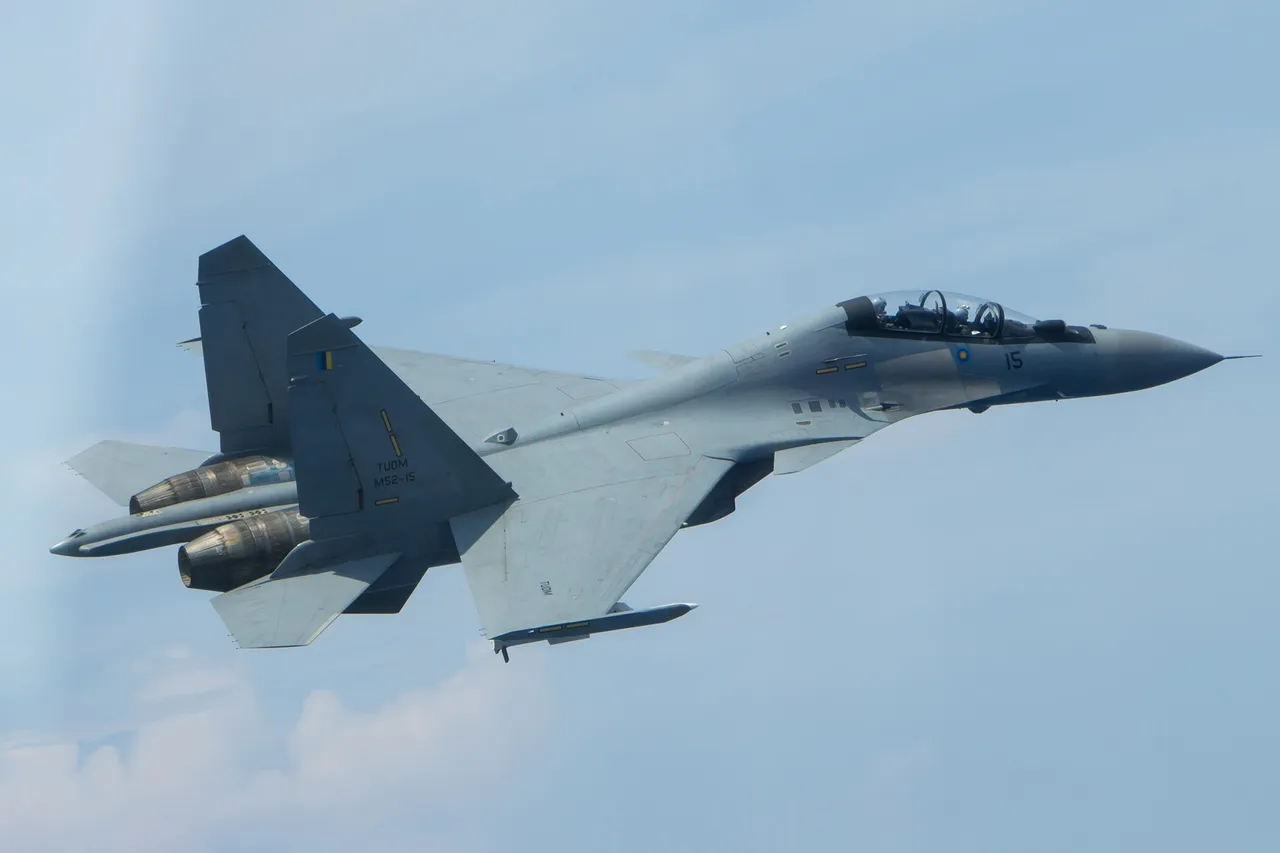
Malaysia says a BrahMos buy for its Su-30MKM fighters is still only being explored
Defence Minister Khaled Nordin told parliament no decision has been made, as the missile's maker says talks with other South-east Asian buyers are advanced.
TaiwanDefence · 18m ago · 3 min read
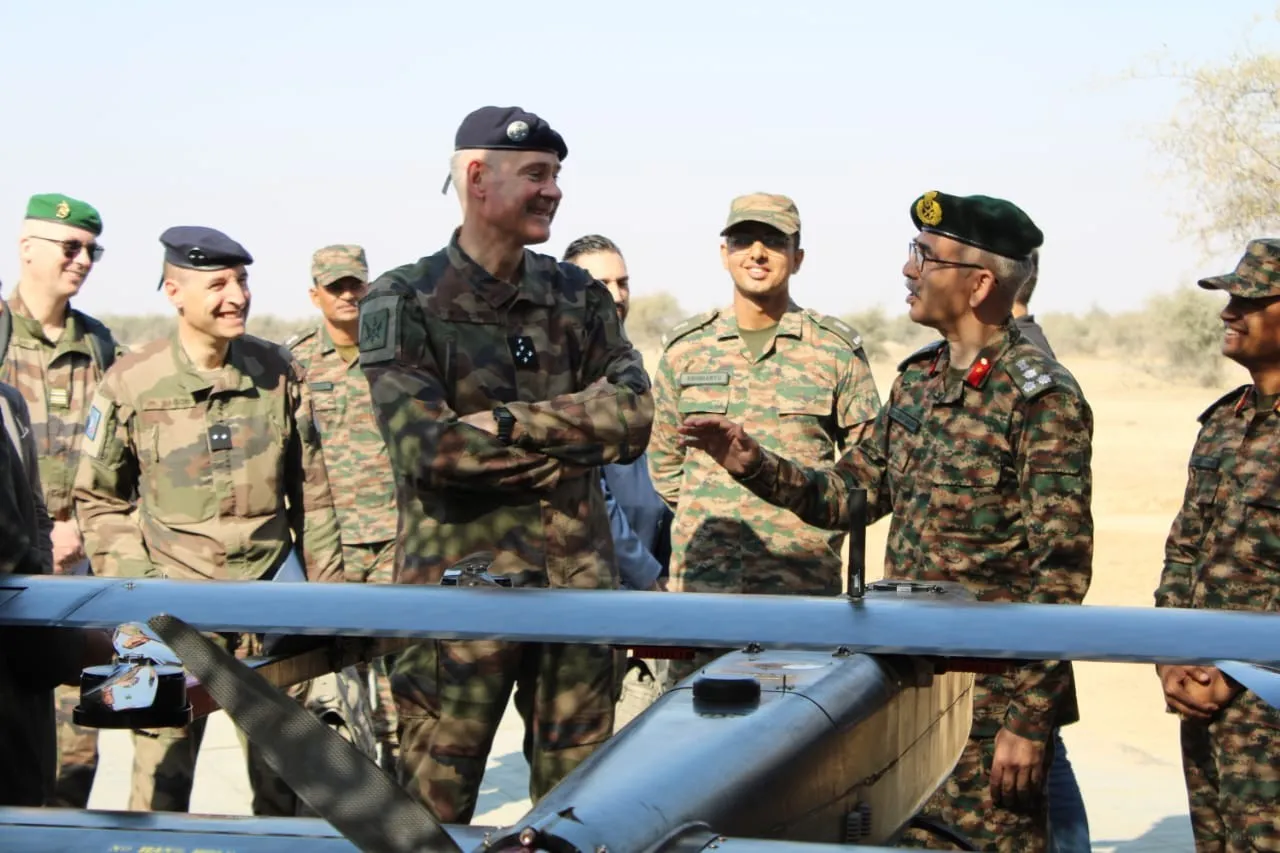
Indian Army lines up Pokhran trials for 540 jet-powered kamikaze drones as 11 Indian firms compete
The Rs 2,000 crore fast-track buy is the army's first dedicated programme for high-speed attack drones, which fly roughly three times faster than propeller types.
TaiwanDefence · 1h ago · 3 min read
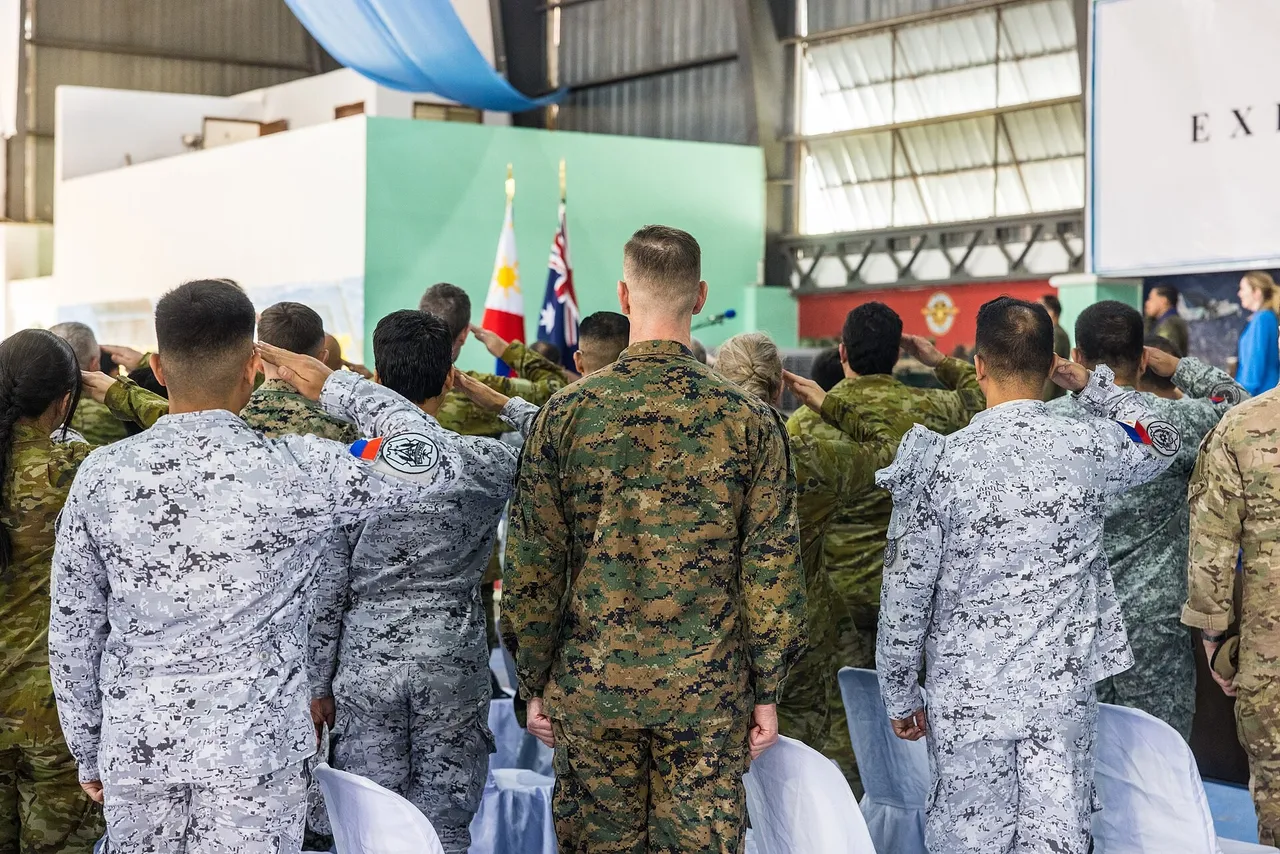
Australia and the Philippines set to sign a defence pact replacing their 1995 framework
Defence Secretary Gilberto Teodoro and Australia's ambassador are due to sign a new Defence Cooperation Arrangement on Sunday, with Anthony Albanese in attendance.
TaiwanDefence · 3h ago · 3 min read
Discussion (0)
Comments are not currently available.