
Japan-based carrier USS George Washington leaves the Middle East and returns to 7th Fleet waters
The Yokosuka-based carrier spent three months supporting US operations against Iran, a tasking that left the US Navy without a carrier in the Indo-Pacific.
TAIPEI —
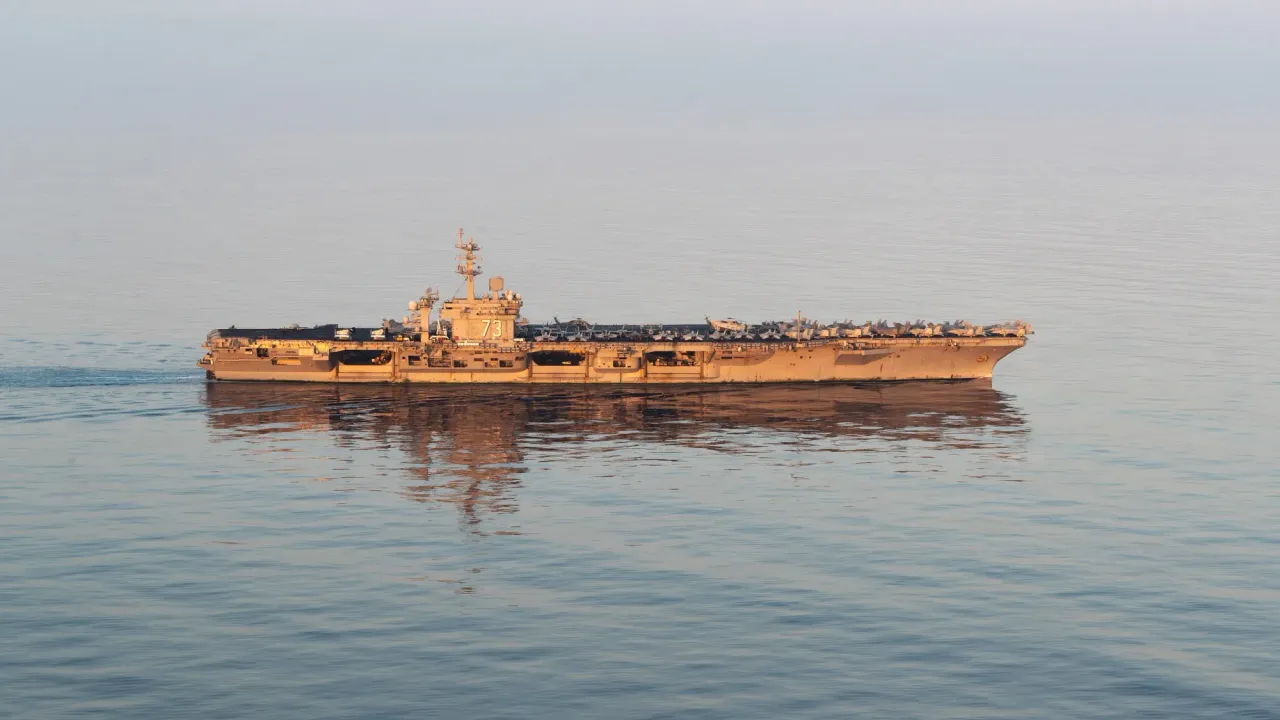
The US Navy's Japan-based aircraft carrier, USS George Washington (CVN-73), has left the Middle East after roughly three months on station and is back under the control of US Pacific Fleet, a fleet spokesperson confirmed on Wednesday, 18 November. According to the Associated Press, Pacific Fleet spokesperson Cmdr. Katie Koenig said the Japan-based ship was now carrying out routine operations in the Asia-Pacific region.
USNI News reported that the carrier has crossed into the US 7th Fleet area and is in the Indian Ocean. The spokesperson gave no further details, including which escorts are sailing with the carrier, and it remains unclear whether George Washington is heading straight home or will stop at ports on the way east.
Two US officials, speaking on condition of anonymity, said the strike group may be sailing for its home port of Yokosuka, Japan, according to a report carried by the Hindustan Times on Wednesday.
Three months without a carrier in the Western Pacific
George Washington left Yokosuka in late May for its regular spring patrol, during which it patrolled the Philippine Sea and made port calls in Vietnam and Guam. It was then ordered to the Middle East to relieve USS Abraham Lincoln (CVN-72), arriving in the US 5th Fleet area on 19 August with the cruiser USS Robert Smalls (CG-62) and the destroyer USS Shoup (DDG-86), USNI News reported.
That order left the United States with no aircraft carrier in the Indo-Pacific, USNI News noted. The Hindustan Times report said analysts had worried that the absence of a carrier in the Western Pacific was a gap China could exploit.
Two carriers remain on Iran duty
The carrier's departure came only after the USS Theodore Roosevelt (CVN-71) strike group reached the region earlier this week, and the two ships briefly sailed together; US Central Command posted an image of them side by side on Wednesday. The USS George H.W. Bush (CVN-77) strike group has been in the Arabian Sea since April. The AP said the shift returns the US military to two carriers supporting its Iran war operations, after a short period with three in the region during each handover.
According to the Hindustan Times report, the Roosevelt group's arrival was seen as giving President Donald Trump more military options should he choose to restart active hostilities with Iran. Before this year, the last time the US kept three carrier strike groups in the Middle East was during the opening phase of the 2003 invasion of Iraq.
The long rotations are straining crews. USNI News reported that sailors' families have raised concerns about extended deployments and shipboard conditions, that George H.W. Bush could end up deployed for a full year, and that the destroyers USS Michael Murphy (DDG-112) and USS Spruance (DDG-111) have just returned home after 346 and 357 days away.
For Japan, Taiwan and other regional partners, the move matters because George Washington is the carrier strike group the US Navy keeps based in Japan. Its return to 7th Fleet waters ends a stretch of about three months in which that Yokosuka-based group was tied down in the Middle East rather than the Western Pacific.
Sources
More in Indo-Pacific
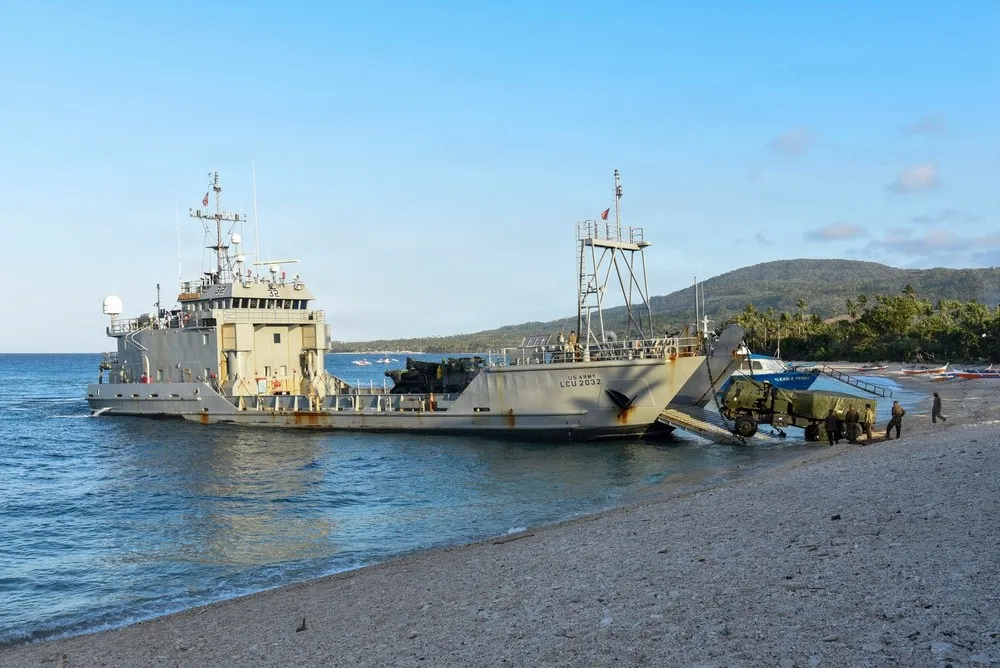
US to pursue a military loan package of more than $2 billion for the Philippines
A White House fact sheet on Trump's Manila visit also earmarks $400 million for South China Sea deterrence and an upgrade of Basco Airport in Batanes.
TaiwanDefence · 9h ago · 2 min read
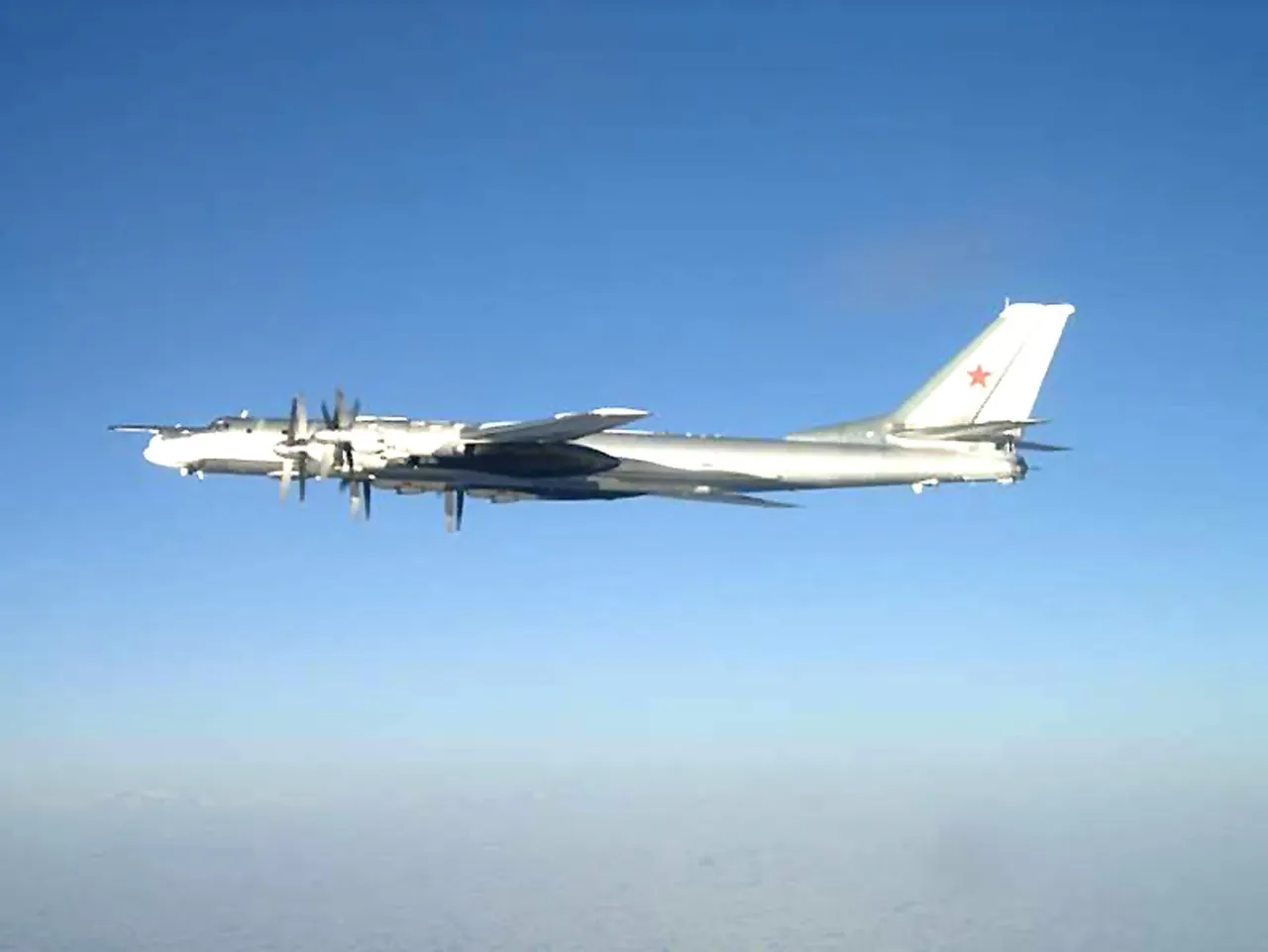
Taiwan condemns Russian military flight through its air defence zone on the eve of APEC
The defence ministry said two Russian aircraft that crossed its zone after skirting Japan and Korea threatened regional stability; trackers say Tu-95s landed in Vietnam.
TaiwanDefence · 15h ago · 3 min read
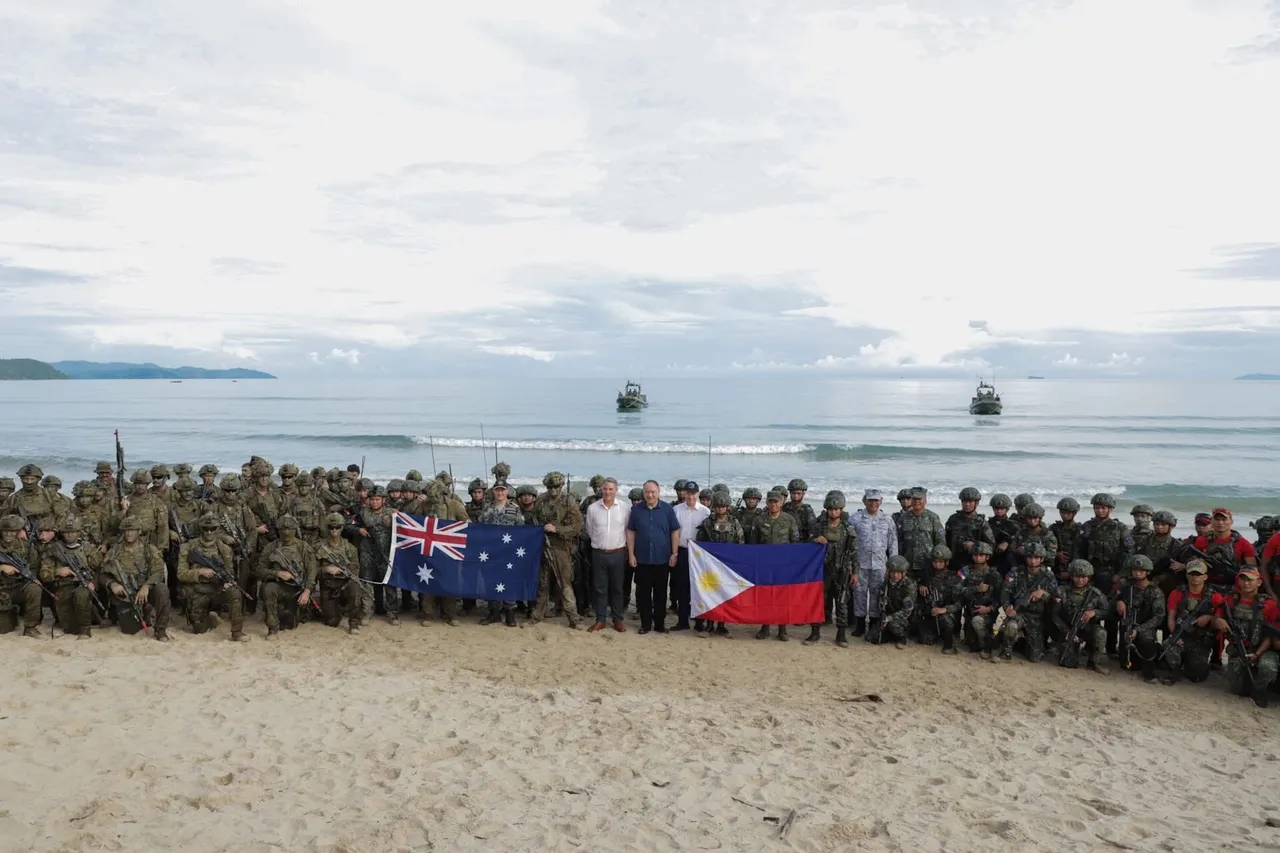
Philippines and Australia sign their new defence pact in Manila as Albanese looks on
The Defence Cooperation Arrangement replaces a 1995 memorandum and is set to deepen maritime awareness, information sharing, training and base infrastructure work.
TaiwanDefence · 3d ago · 3 min read
Discussion (0)
Comments are not currently available.