
US congressional panel warns a Chinese quarantine of Taiwan is a nearer risk than invasion
The commission's 2026 report says the next 24 months are critical, urges an allied playbook against grey-zone pressure and flags a $30 billion arms backlog.

TAIPEI —
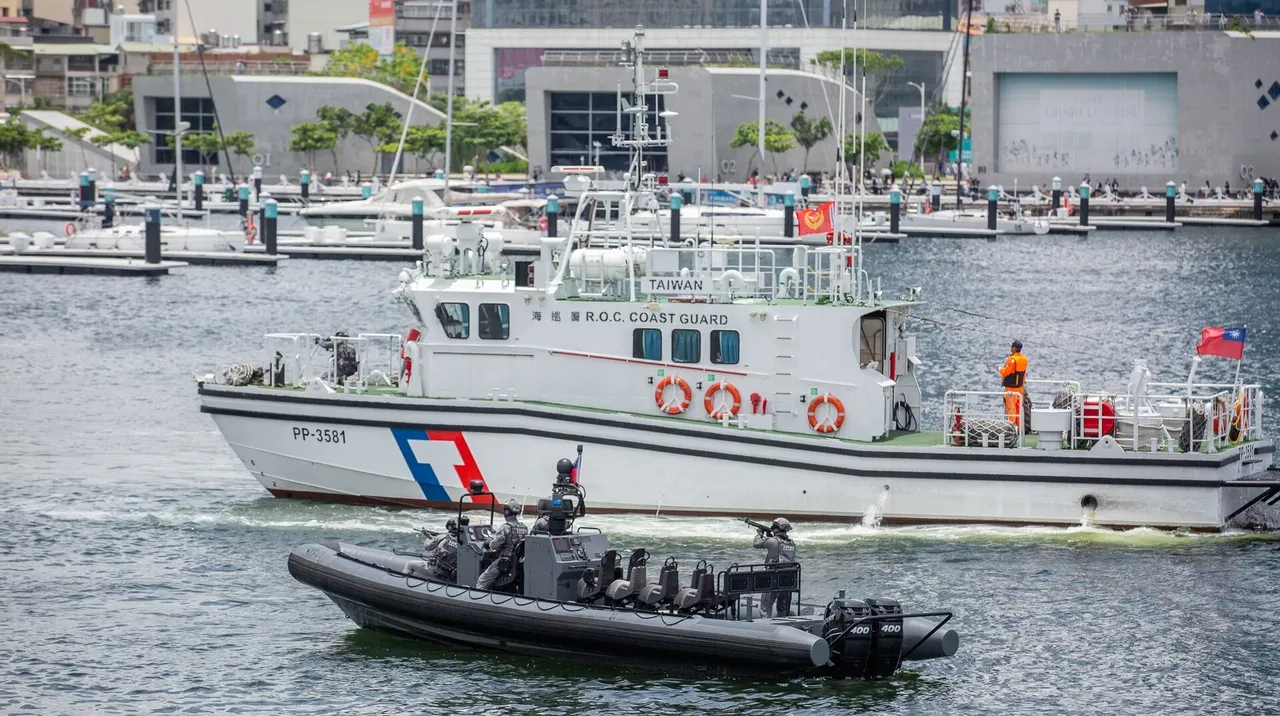
The US-China Economic and Security Review Commission said in its 2026 annual report to Congress, released on Wednesday, 18 November, that the more immediate danger to Taiwan may be a sharp escalation of Chinese coercion, such as a quarantine or blockade, rather than an invasion. It warned that US and Taiwanese planning remains geared mainly to countering an invasion, leaving both less ready for the challenge likely to come first.
The bipartisan panel, set up by Congress in 2000 to examine the security effects of US-China economic ties, said the next 24 months could shape cross-strait relations for years. In its assessment, Beijing will use Taiwan's 2026 and 2028 elections to judge whether pressure and political influence can move the island toward unification, and may turn to harsher coercion if it concludes that strategy is failing.
A customs quarantine scenario
One possibility the report describes is a customs quarantine that would require ships bound for Taiwan to clear customs on the mainland first, possibly with other limits on the island's access to the outside world. Such a step could combine coast guard, military, cyber and economic pressure while staying below the threshold of conventional war. The commission said Taiwan, which imported about 95 percent of its energy in 2025, is particularly exposed to the quarantine and blockade scenarios Beijing is increasingly rehearsing.
According to the report, China rehearsed blockade operations in 2026, practised mobilising civilian fishing fleets and in June launched an interagency maritime traffic enforcement operation in waters east of Taiwan. That operation took place inside Taiwan's exclusive economic zone, along a main shipping route to the port of Kaohsiung, and let Chinese law enforcement vessels rehearse manoeuvres for a quarantine or blockade, the commission said.
Chinese state media described the June operation as maritime law enforcement and coastal governance. The commission's own view is that such activity seeks to set a new baseline for a larger, more persistent Chinese presence around the island.
The panel noted that PLA aircraft incursions into Taiwan's air defence identification zone remain a near-daily occurrence, though at a lower tempo in 2026 than in the first two years of President Lai Ching-te's term, possibly to restore their value as political signals. It added that PLA modernisation kept moving toward the 2027 readiness milestone for a Taiwan contingency despite sweeping purges of senior commanders.
An allied playbook and a weapons backlog
Among 30 recommendations, the commission urged Congress to direct the National Security Advisor to draw up a common playbook with allies and partners against day-to-day Chinese coercion. It would cover shared situational awareness, pre-arranged responses, countering disinformation and lawfare, wider combined coast guard operations with Taiwan and regional partners, and resistance to economic coercion. The panel also called for a whole-of-government strategy for coercive moves short of invasion, with warning indicators and decision points for each scenario.
The report put the backlog of approved US weapons still awaiting delivery to Taiwan at nearly $30 billion at the end of August 2026. It blamed limited US industrial capacity, complex programmes and slow procedures, while noting that changing requirements and occasional funding delays in Taipei have also played a part. Legislative gridlock in Taiwan has delayed or reduced investments that could produce near-term capabilities, it said.
The commission also found that Beijing has widened its pressure on Japan since Prime Minister Sanae Takaichi's parliamentary remarks on a possible Taiwan contingency last year, combining diplomatic, economic and grey-zone tactics. It said China's deployment of patrol vessels to waters east of Taiwan in July was aimed at challenging Tokyo's maritime jurisdiction there, Jiji Press reported.
Beyond Taiwan, the report said the PLA has been actively seeking Nvidia's most advanced chips for AI-enabled military capabilities as China tries to evade US export controls, although the commission judged that a substantial computing gap with the United States remains, CNBC reported.
Sources
More in Cross-Strait
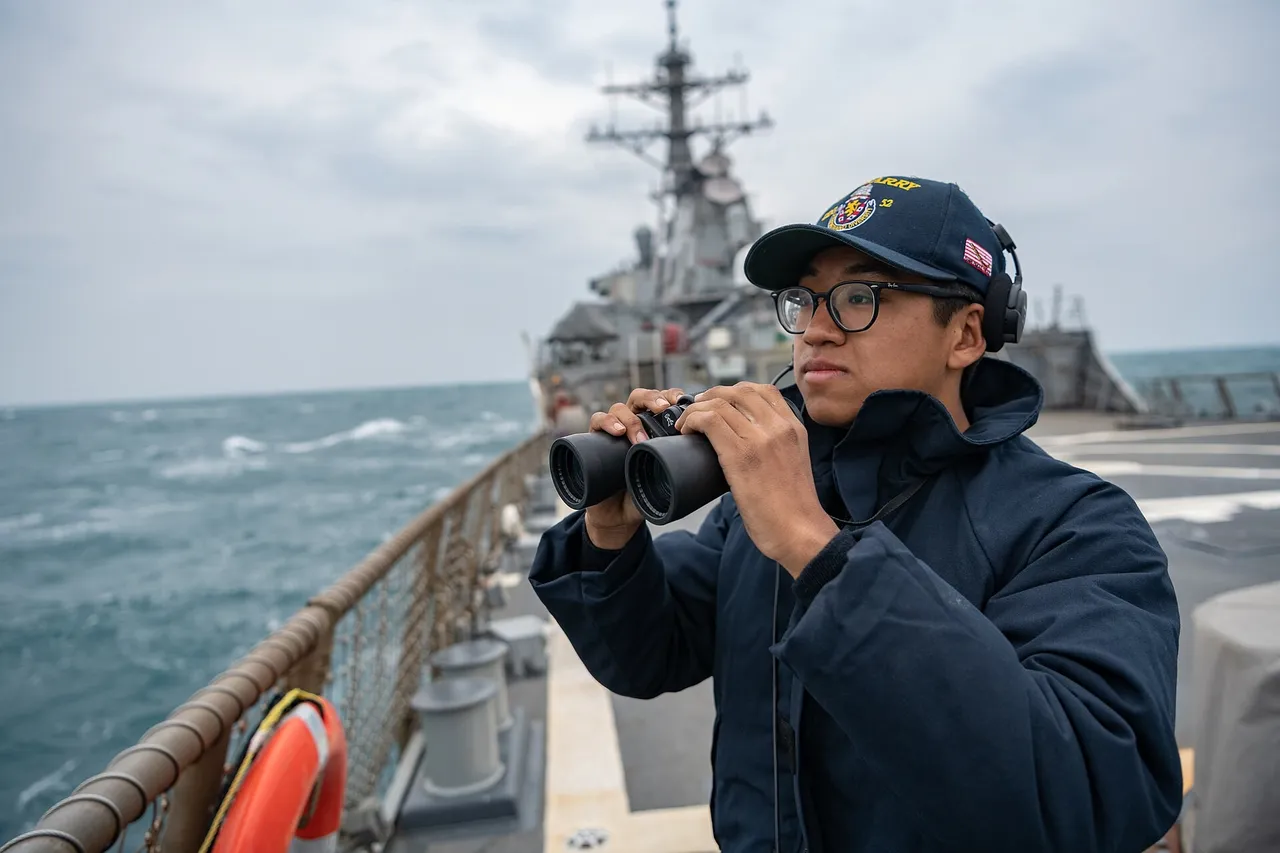
Prague wargame of a Chinese blockade of Taiwan ends with deterrence failing and a US warship sunk
About 30 experts and former officials at a European Values Center exercise concluded that earlier economic pressure and clearer military deterrence might have stopped the crisis.
TaiwanDefence · 4d ago · 3 min read
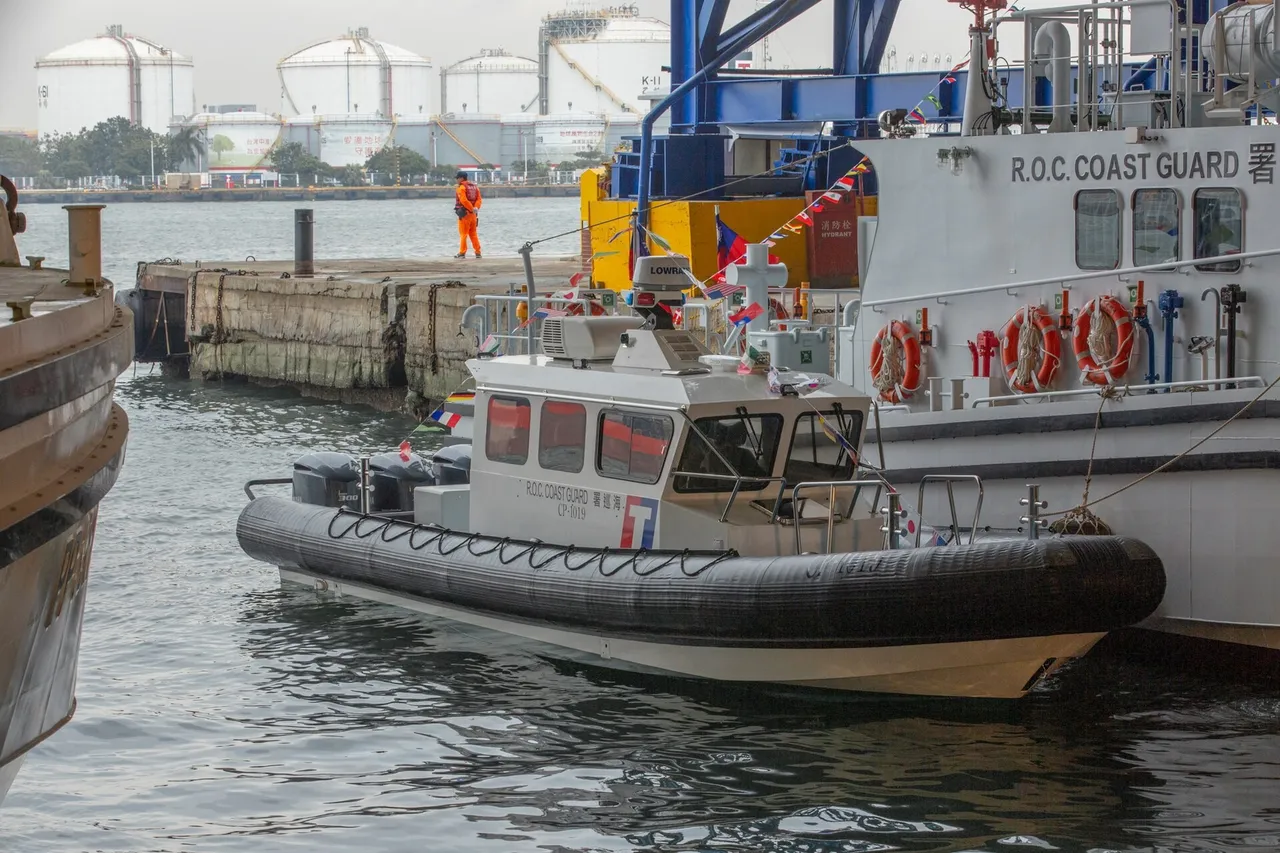
Chinese coast guard ship tells a Taiwanese cutter off Orchid Island that the Republic of China does not exist
Taiwan's coast guard says China Coast Guard ship 2503 broadcast sovereignty claims 40 nautical miles off Lanyu and told passing ships to obey Chinese law.
TaiwanDefence · 4d ago · 3 min read
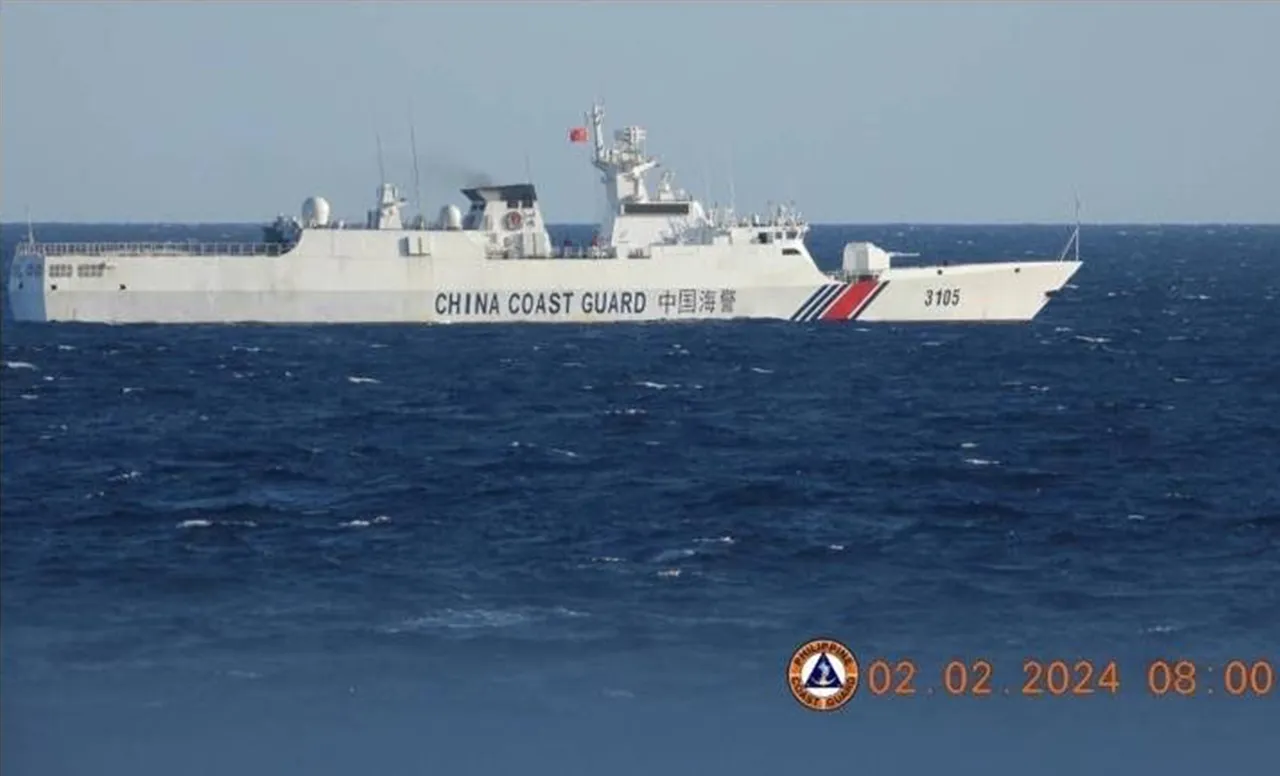
US research monitor counts 69 Chinese coast guard incursions around Taiwan this year, 43 at Kinmen
A George Mason University database updated on 11 November shows Kinmen nearing its 2025 total, as November incursions come several times a week.
TaiwanDefence · 5d ago · 3 min read
Discussion (0)
Comments are not currently available.