
Prague wargame of a Chinese blockade of Taiwan ends with deterrence failing and a US warship sunk
About 30 experts and former officials at a European Values Center exercise concluded that earlier economic pressure and clearer military deterrence might have stopped the crisis.

TAIPEI —
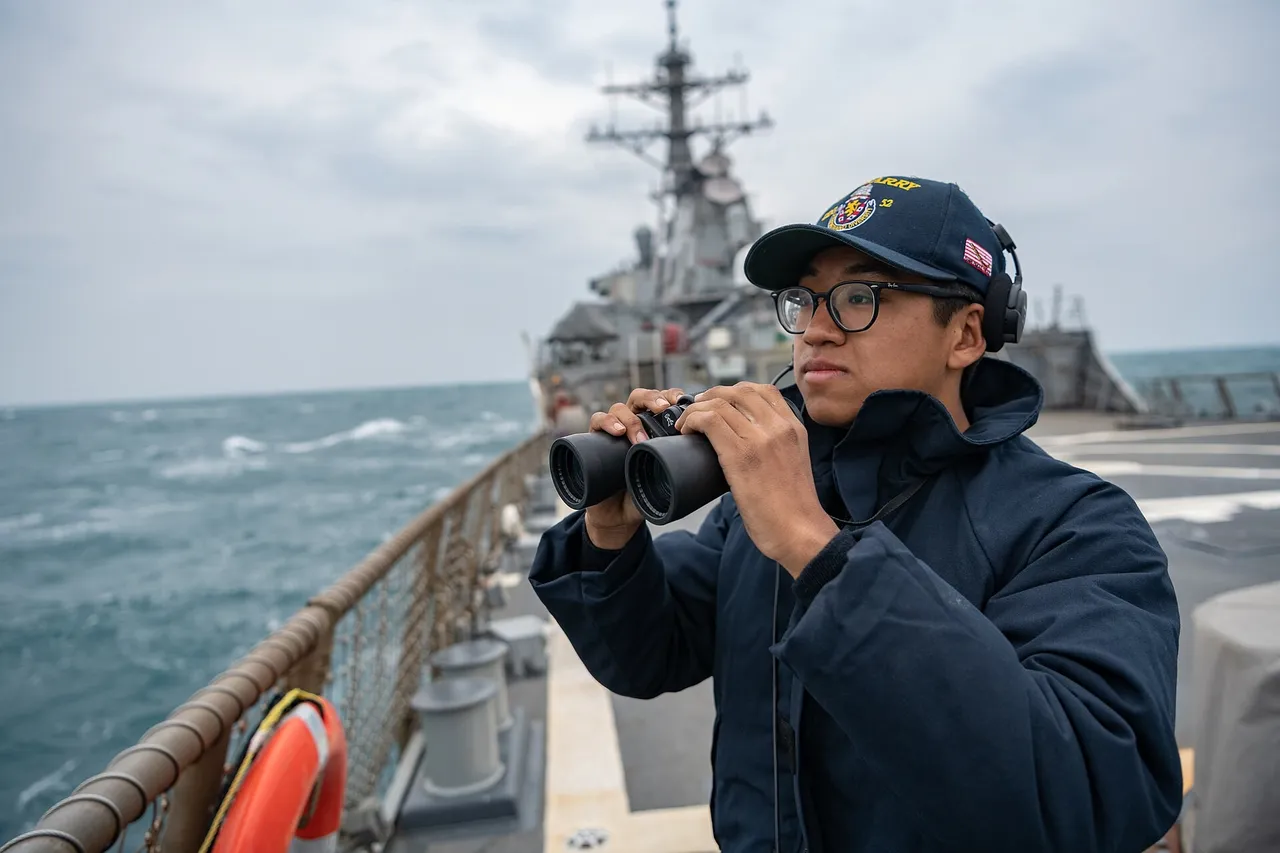
A crisis simulation run by a Prague think tank, in which a Chinese naval blockade of Taiwan coincided with Russian pressure on the Baltic states, ended with Beijing sinking a US warship sailing to help Taiwan, Taiwan's Central News Agency reported on 14 November. The agency's correspondent attended the one-day exercise as an invited observer.
The game was organised by the European Values Center for Security Policy, which says it has staged more than 20 similar exercises for governments and companies from Canada to the Philippines. About 30 Czech and foreign security experts, retired generals and politicians took part, each acting as decision-makers for a country or an international body. Politicians and experts tried to head off a coordinated blow against Europe and Taiwan and failed to deter the aggressors, Seznam Zpravy reported in its own account.
Former Taiwanese deputy digital affairs minister Herming Chiueh played Taiwan's president. Former Czech foreign minister Jan Lipavsky took the role of European Council president, former Czech chief of the general staff Karel Rehka played NATO's secretary general, and retired general Miroslav Feix acted as NATO's supreme allied commander in Europe.
The fictional scenario was set in March 2027. China opened by warning European and Asian democracies through diplomatic channels that it would retaliate economically if they intervened over Taiwan. At the same time Russia appeared to be laying mines near civilian shipping lanes in the Baltic Sea, driving up insurance costs and disrupting supplies to the Baltic states. NATO, the European Union and Asian partners had three weeks of game time to respond, with players given 70 minutes per round to draft their moves.
The organisers partly based the scenario on a warning by NATO's top commander in Europe, US Air Force General Alexus Grynkewich, that a Chinese military move against Taiwan could be coordinated with Russia.
Early in the game the player acting as US president chose to talk directly to Vladimir Putin, judging that Russia would not attack NATO. As the situation worsened, Rehka convened the North Atlantic Council. Players agreed to hold consultations under Article 4 of the North Atlantic Treaty and to increase NATO warship activity in the Baltic, while the EU side agreed to step up monitoring of disinformation on TikTok and other platforms but could not agree on new sanctions against Russia.
Russia then offered willing European states 20-year discounted oil and gas contracts in return for ending sanctions, a move seen as likely to deepen divisions in Europe. China next imposed a naval blockade on Taiwan, which depends heavily on imported energy, especially liquefied natural gas.
Jakub Janda, the centre's executive director, told Seznam Zpravy that a blockade would start a countdown on Taiwan's energy supplies and could force a decision on forceful countermeasures within weeks, with US involvement highly likely, according to CNA. The game ended with Beijing sinking the US warship and the crisis on the edge of full-scale war, which was not simulated.
Janda said deterrence had failed in this scenario, a setback for democracies in Europe and Asia. In his view, stronger and earlier economic pressure on China from Europe and the United States, combined with clearer military deterrence, might have prevented the escalation.
He said the exercise was unusual in adding Europe's dependence on Chinese supply chains, notably rare earths, to the Russian military threat. Chinese export curbs before a conflict could halt parts of European industry, he warned, and disruption to Chinese technology in telecoms, ports and hospitals could give Russia an opening. He also pointed to thin strategic stockpiles, such as medicines that Europe now mostly imports from Asia.
The exercise also showed that a United States facing crises in Europe and Asia at once might have to choose where to send its forces. A Reflex reporter who attended a closed crisis simulation of a simultaneous strike in Asia and eastern Europe wrote that it exposed how fragile assumptions about Czech defence are. Under a Czech army development plan approved this week, the country has yet to meet 70 percent of its NATO capability targets, CNA reported.
Rehka said government policy and public awareness in the Czech Republic did not yet match the urgency of the security situation, and that plans had to be tested in exercises to expose legal and administrative gaps. No serving Czech government officials were invited. Former diplomat Jiri Sedivy, who played the Czech prime minister, said such games would carry more weight if current politicians took part.
Sources
More in Cross-Strait
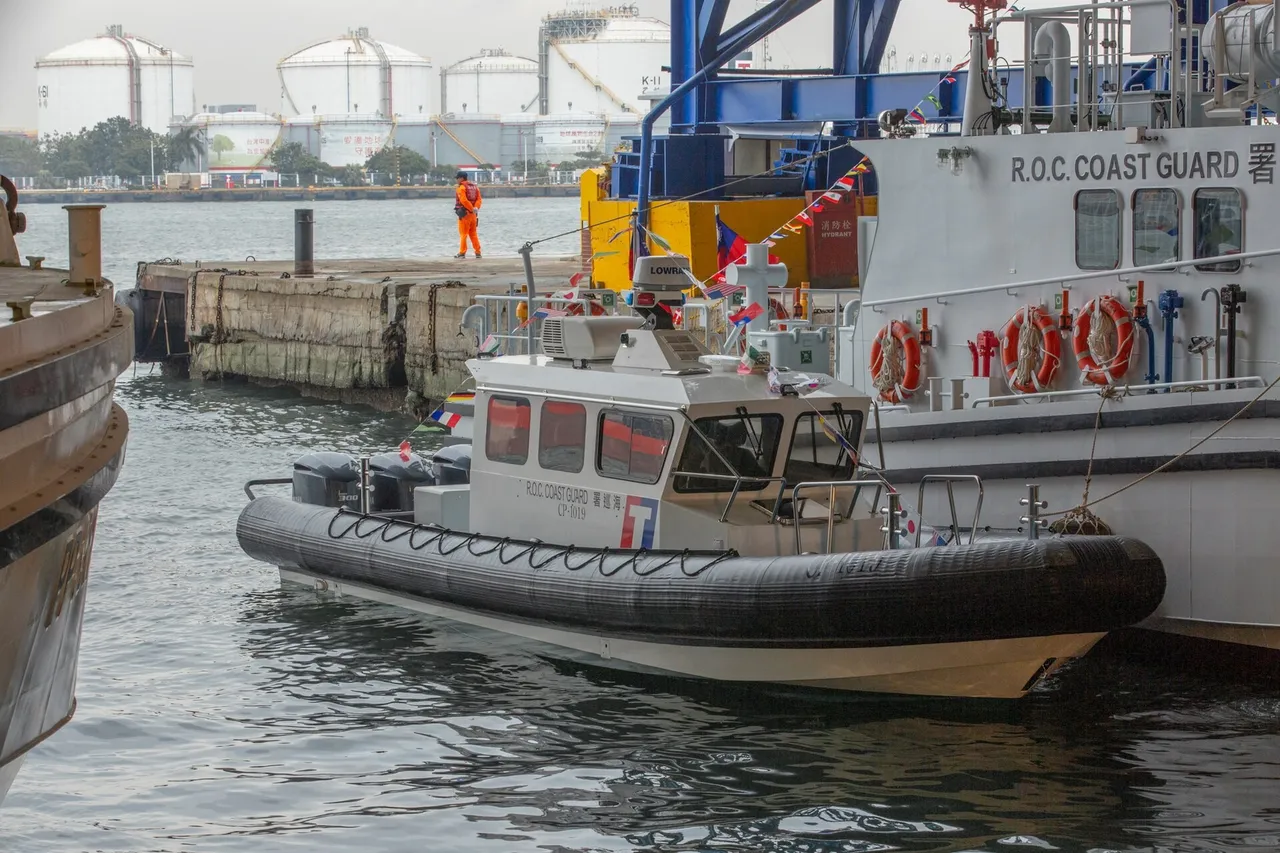
Chinese coast guard ship tells a Taiwanese cutter off Orchid Island that the Republic of China does not exist
Taiwan's coast guard says China Coast Guard ship 2503 broadcast sovereignty claims 40 nautical miles off Lanyu and told passing ships to obey Chinese law.
TaiwanDefence · 17h ago · 3 min read
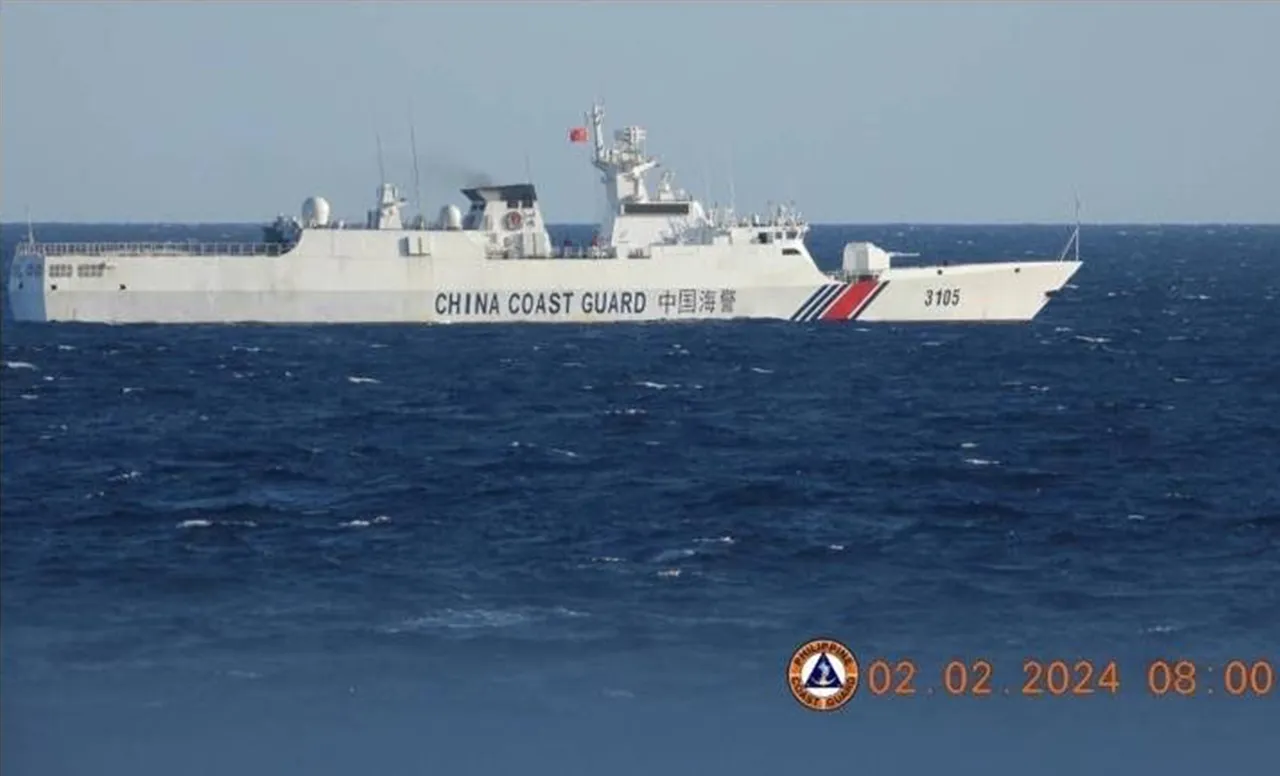
US research monitor counts 69 Chinese coast guard incursions around Taiwan this year, 43 at Kinmen
A George Mason University database updated on 11 November shows Kinmen nearing its 2025 total, as November incursions come several times a week.
TaiwanDefence · 23h ago · 3 min read
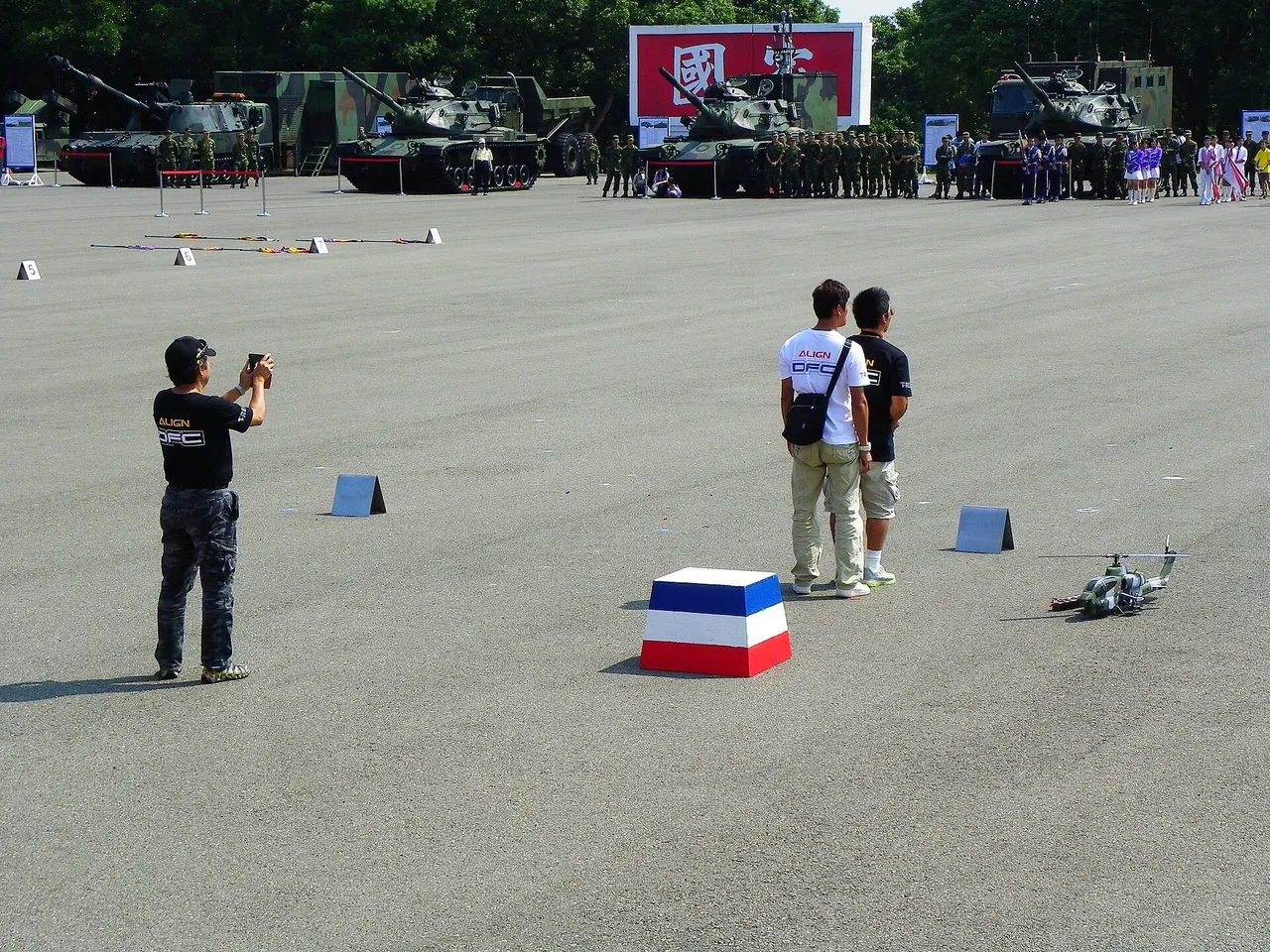
Taiwan charges drone maker Align's founder with hiding Chinese chips in military drones
Prosecutors say the T-REX helicopter firm's founder and his wife supplied four military drone orders with Chinese parts and scrubbed their markings to pass inspection.
TaiwanDefence · 1d ago · 3 min read
Discussion (0)
Comments are not currently available.