
Taiwan condemns Russian military flight through its air defence zone on the eve of APEC
The defence ministry said two Russian aircraft that crossed its zone after skirting Japan and Korea threatened regional stability; trackers say Tu-95s landed in Vietnam.
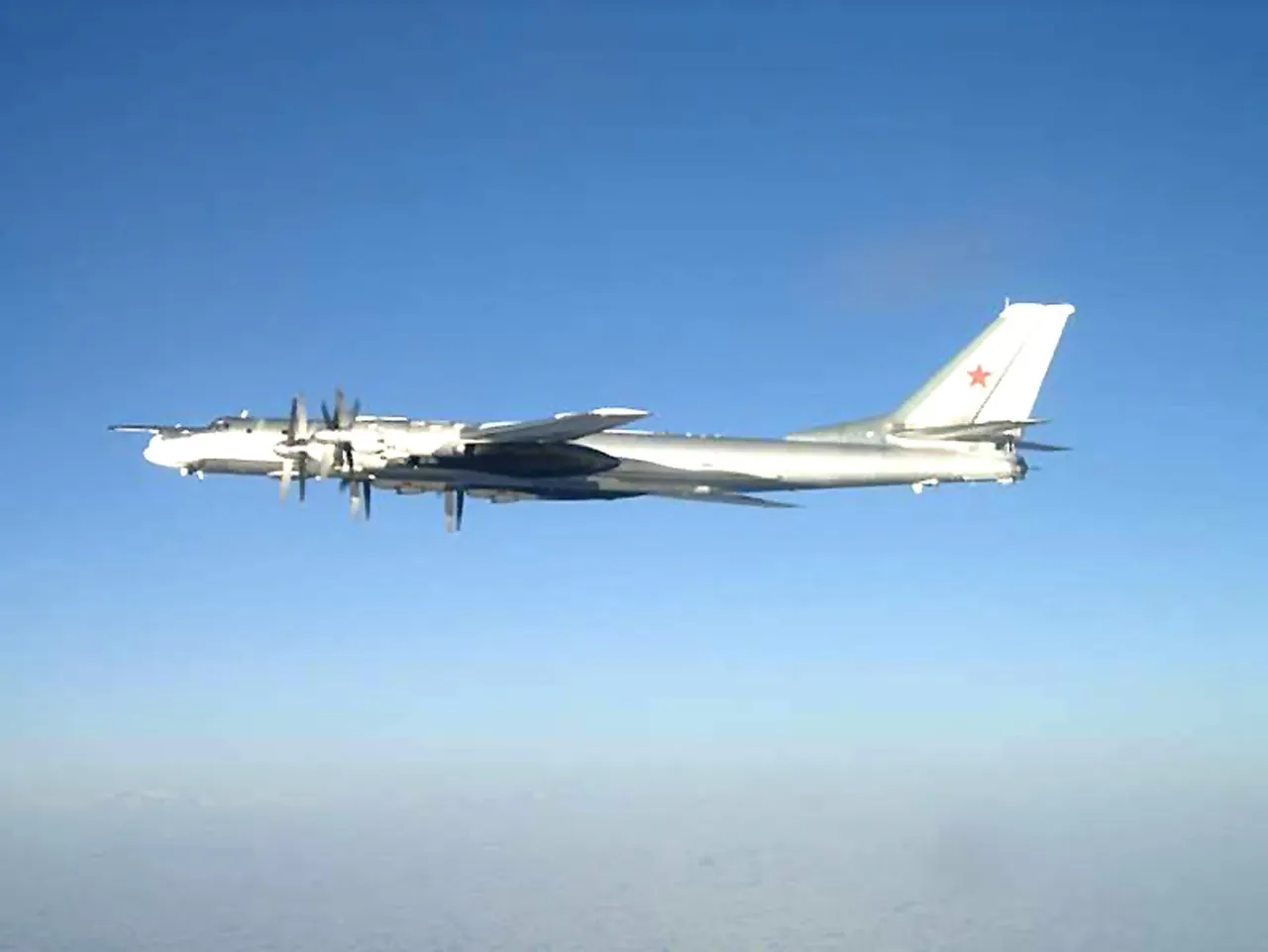

TAIPEI —
Taiwan's Ministry of National Defense on Wednesday, 18 November, condemned a flight by two Russian military aircraft through Taiwan's air defence identification zone a day earlier, saying it undermined regional peace and stability and did not help preserve the status quo in the Taiwan Strait. Gen. Huang Chih-wei, the executive deputy chief of the general staff, delivered the condemnation while speaking to reporters at the Legislative Yuan.
The ministry had said on 17 November that the two aircraft entered the zone from the northeast early that morning, flew through airspace east of Taiwan and left it south of Taitung County. It said the armed forces tracked them throughout with joint intelligence, surveillance and reconnaissance assets and responded appropriately, but it did not name the aircraft type.
Huang declined to say whether Taiwan had sent fighters to meet the Russian aircraft, saying deployments around Taiwan could not be disclosed for national security reasons and that the response followed the military's rules for handling sudden incidents in peacetime readiness. Asked why the ministry announced the flight later than Japan and South Korea, he said the timing matched its normal schedule for releasing military information.
Asked whether Moscow had picked the timing on purpose, Huang said he believed Russia had its own intentions, but that the flight clearly threatened peace and stability in the Asia-Pacific. It came as the APEC summit opened in Shenzhen on 18 November, with Russian President Vladimir Putin arriving in the city ahead of a planned meeting with Chinese leader Xi Jinping and US President Donald Trump on 19 November.
Japan protests, South Korea scrambles
Japan's Ministry of Defense said two aircraft it believed to be Russian violated Japanese territorial airspace northwest of Okinoshima, off Fukuoka Prefecture, for about three minutes each between roughly 4:07 and 4:12 a.m. local time on 17 November. Fighters from the Japan Air Self-Defense Force's Western Air Defense Force were scrambled and issued warnings, and Tokyo lodged a protest with Moscow through diplomatic channels.
Japan said the aircraft then passed through the Tsushima Strait, flew between Yonaguni Island and Taiwan and carried on into the Pacific. Defence Minister Shinjiro Koizumi called the incursion a serious infringement of Japan's sovereignty and a threat to its security. South Korea's Joint Chiefs of Staff said Russian aircraft entered its air defence identification zone but did not violate South Korean airspace.
Bombers turn up in Da Nang
Neither Taipei nor Tokyo identified the aircraft. According to the open-source analyst AviVector, cited by The War Zone, five Tu-95MS bombers left Ukrainka air base in Russia's Far East on 16 November; three flew an 11-hour training sortie over the Sea of Japan with Il-78M tankers, while two continued south. Aviation spotters reported two Tu-95MS bombers and two Il-76 transports landing at Da Nang airport in central Vietnam later on 17 November, and neither Russia nor Vietnam had commented when USNI News reported the arrival.
Russian flights through Taiwan's zone are rare. The War Zone noted that Taiwanese military analyst Chieh Chung told Focus Taiwan that Soviet or Russian aircraft had previously entered it in 1986 and in January 2010. USNI News said the last known Russian bomber deployment to Southeast Asia was in December 2017, when two Tu-95MS bombers and two Il-76 transports landed on Biak Island in Indonesia.
Ben Lewis, founder of the tracking platform PLATracker, told Lianhe Zaobao the flight let Moscow pressure Tokyo, signal support for Beijing on Taiwan and show that Russia can still mount military operations in East Asia despite its setbacks in Ukraine. Taiwan's defence ministry said it would keep monitoring Russian military movements in the region to safeguard regional security.
Sources
More in Indo-Pacific
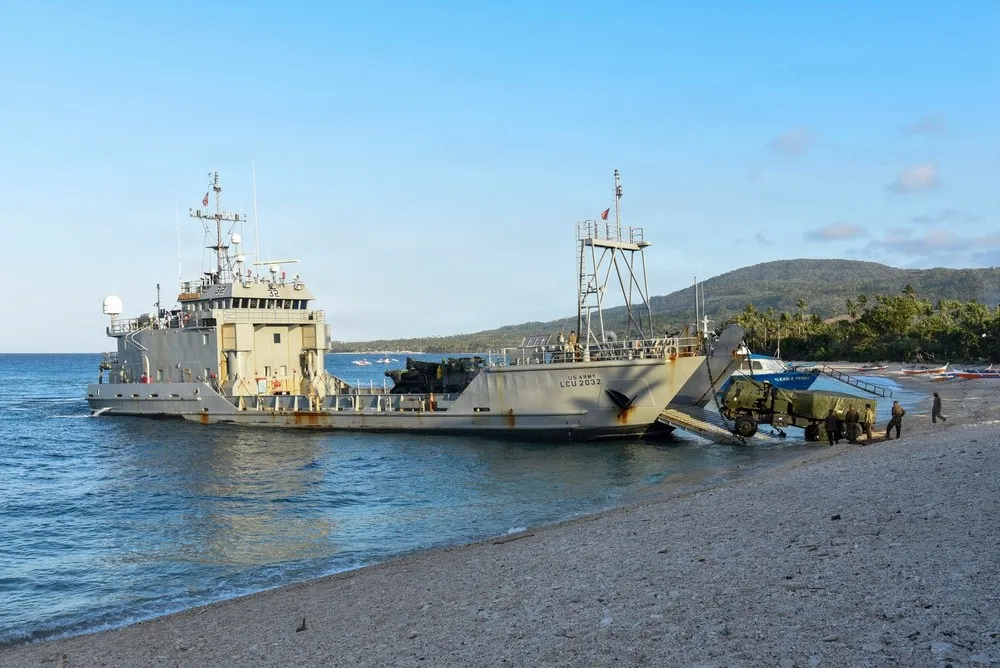
US to pursue a military loan package of more than $2 billion for the Philippines
A White House fact sheet on Trump's Manila visit also earmarks $400 million for South China Sea deterrence and an upgrade of Basco Airport in Batanes.
TaiwanDefence · 2h ago · 2 min read
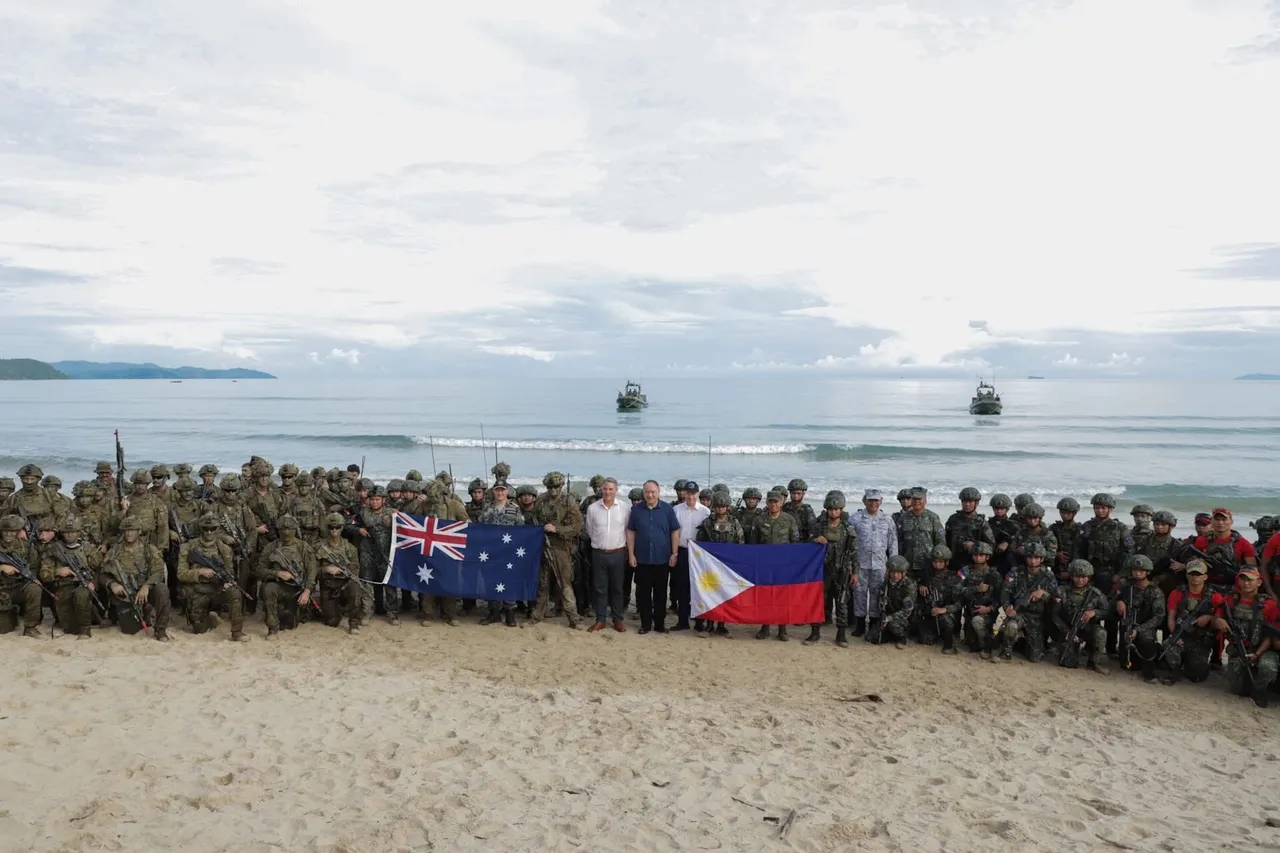
Philippines and Australia sign their new defence pact in Manila as Albanese looks on
The Defence Cooperation Arrangement replaces a 1995 memorandum and is set to deepen maritime awareness, information sharing, training and base infrastructure work.
TaiwanDefence · 3d ago · 3 min read
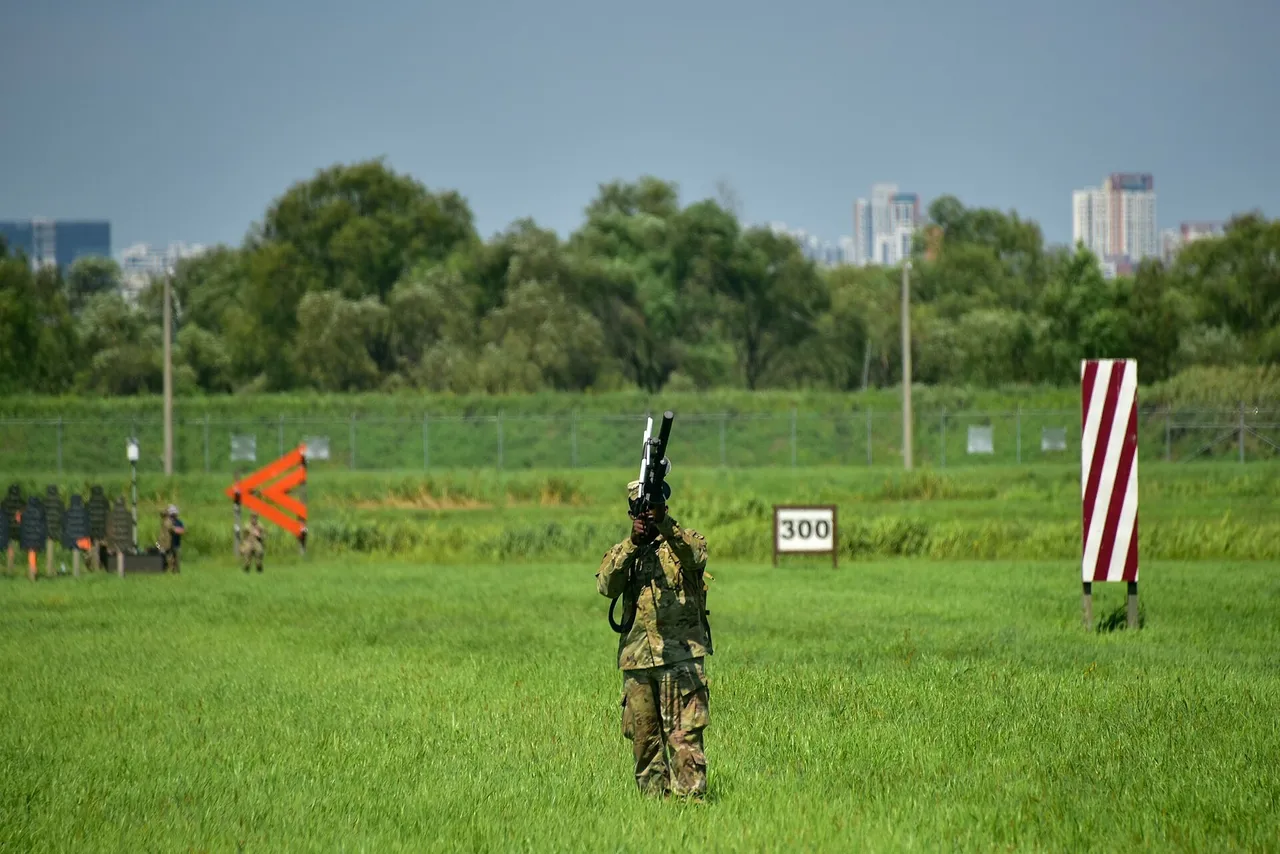
US Army unit in South Korea tests a cheap acoustic sensor net to catch FPV drones
Project MANOWAR, run with South Korean troops at the ROK Army Drone Academy, pairs 3D-printed listening posts with soldier-built machine learning. The unit wants it made a programme of record.
TaiwanDefence · 3d ago · 3 min read
Discussion (0)
Comments are not currently available.