
One-year conscripts will outnumber Taiwan's four-month trainees for the first time next year
Military officials say 35,000 one-year conscripts will enlist in 2027, setting off a second, unannounced round of force restructuring.
TAIPEI —
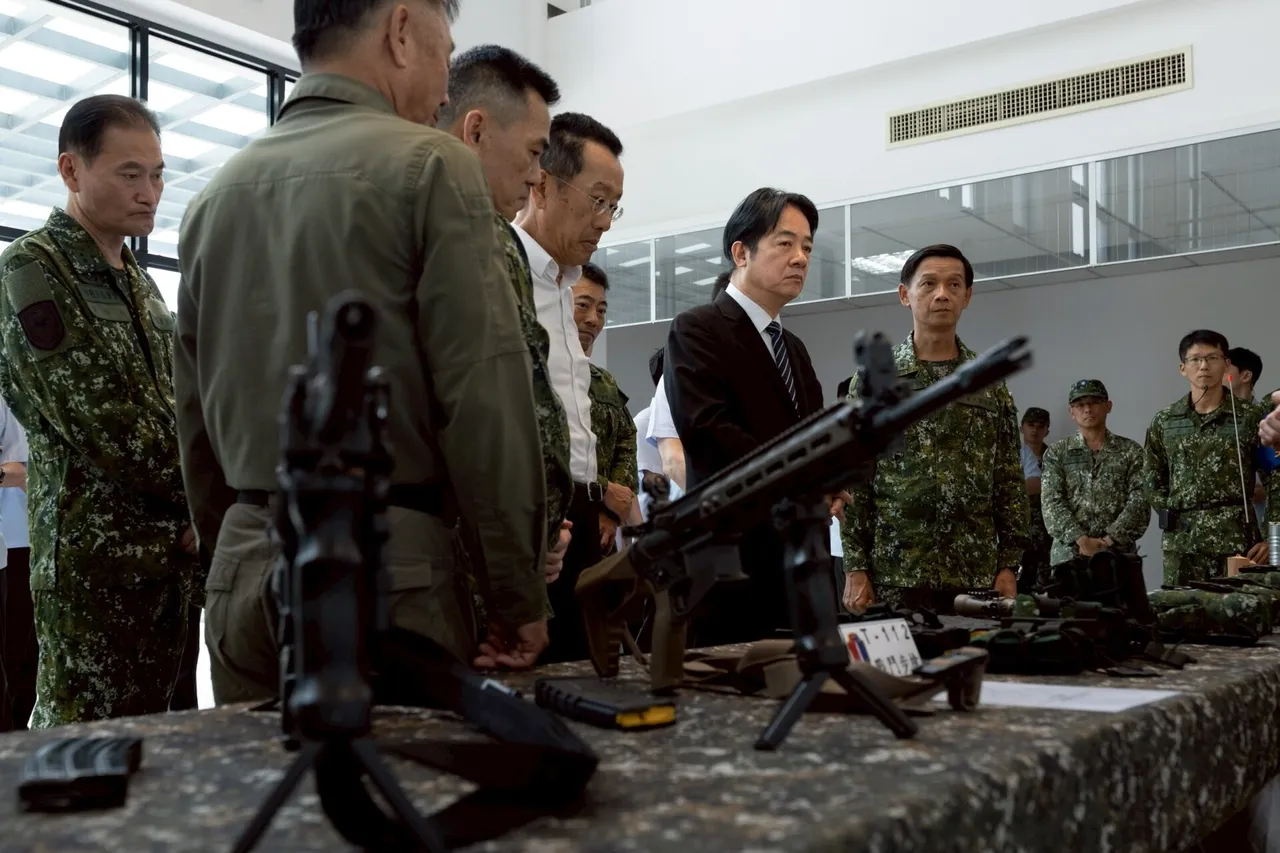
Taiwan expects more men to enter one-year compulsory service than its four-month military training programme next year, the first time the longer form of service will be the larger intake, military officials told the China Times in a report published on Monday, Oct. 19, Taipei time. About 35,000 one-year conscripts, including the first large group of university graduates, are forecast to enlist in 2027, while the four-month intake falls to about 32,700, according to the report.
The officials said the one-year intake is projected to keep climbing and reach about 53,600 by 2029. Because so many more conscripts are coming in, the defence ministry will carry out a second round of changes to the structure of the armed forces, and it will bring back selection exams for conscript reserve officers and reserve non-commissioned officers next year, the report said.
Defence Minister Wellington Koo told lawmakers last week, in reply to legislator Chen Kuan-ting, that the military had finished a first wave of restructuring and was moving on to a second so that the force better serves joint operations among the three services, according to the China Times. Koo described the second wave as a major undertaking that the ministry had studied for a long time, but he gave no details. Chen urged the ministry to learn from Ukraine, citing British media reports that drones there have largely taken over missions once carried out by snipers, and suggested Taiwan consider cuts on that basis.
According to the report, the first wave included the army setting up five garrison brigades, a drone group in each army corps and drone squadrons under the outlying island defence commands. For 2027 the army has drawn up more than 100 restructuring plans to absorb the larger intake, and the other services are preparing too, with the navy forming a littoral combat command and the air force a seventh wing. This year's one-year intake was forecast at about 19,000, though the officials said the actual number is likely to come in lower.
Unlike earlier reorganisations, this one has no public target. Past programmes, known as Jingshi, Jingjin and Jingcui, were announced once planning was complete and cut the military's total authorised strength from 400,000 to 215,000, the report noted. Officials now say only that the total will be adjusted on a rolling basis, that the restructuring has no code name, and that the five operational zones and the service commands will stay as they are.
The China Times said it understands the total authorised strength is now close to 230,000. It reported that the military publishes only the ratio of filled posts to authorised posts rather than a force goal, in order to protect its strategic posture, avoid alarming the public and keep Beijing from working out how fast Taiwan's main combat and garrison units are expanding.
Former Control Yuan member Huang Huang-hsiung, who has long studied the military's force structure, told the paper that returning to one-year service would strain the 215,000 ceiling, push up personnel and operating costs and reshape strategy and force planning. He said the slimmed-down force was bound to grow, possibly back to the 275,000 level of the Jingjin plan, and called the ministry's silence on a target hard to understand.
The reserve officer exams are meant to fill junior officer and NCO gaps in front-line units. The Liberty Times reported in August that Koo told lawmakers in early July the ministry was preparing to restore them from 2027, when men born in 2005 or later start graduating from university. They will replace a one-year volunteer reserve officer course introduced in 2018 that has struggled to recruit: its final intake sought 189 candidates but only 74 sat the exam, after it signed up 204 against a goal of 700 in 2022 and 114 against 300 in 2023, the newspaper said.
Taiwan brought back one-year compulsory service in 2024. According to the Liberty Times, the four-month programme it largely replaces left conscripts without the intermediate and advanced specialist skills needed to take on core unit duties.
Sources
More in Army
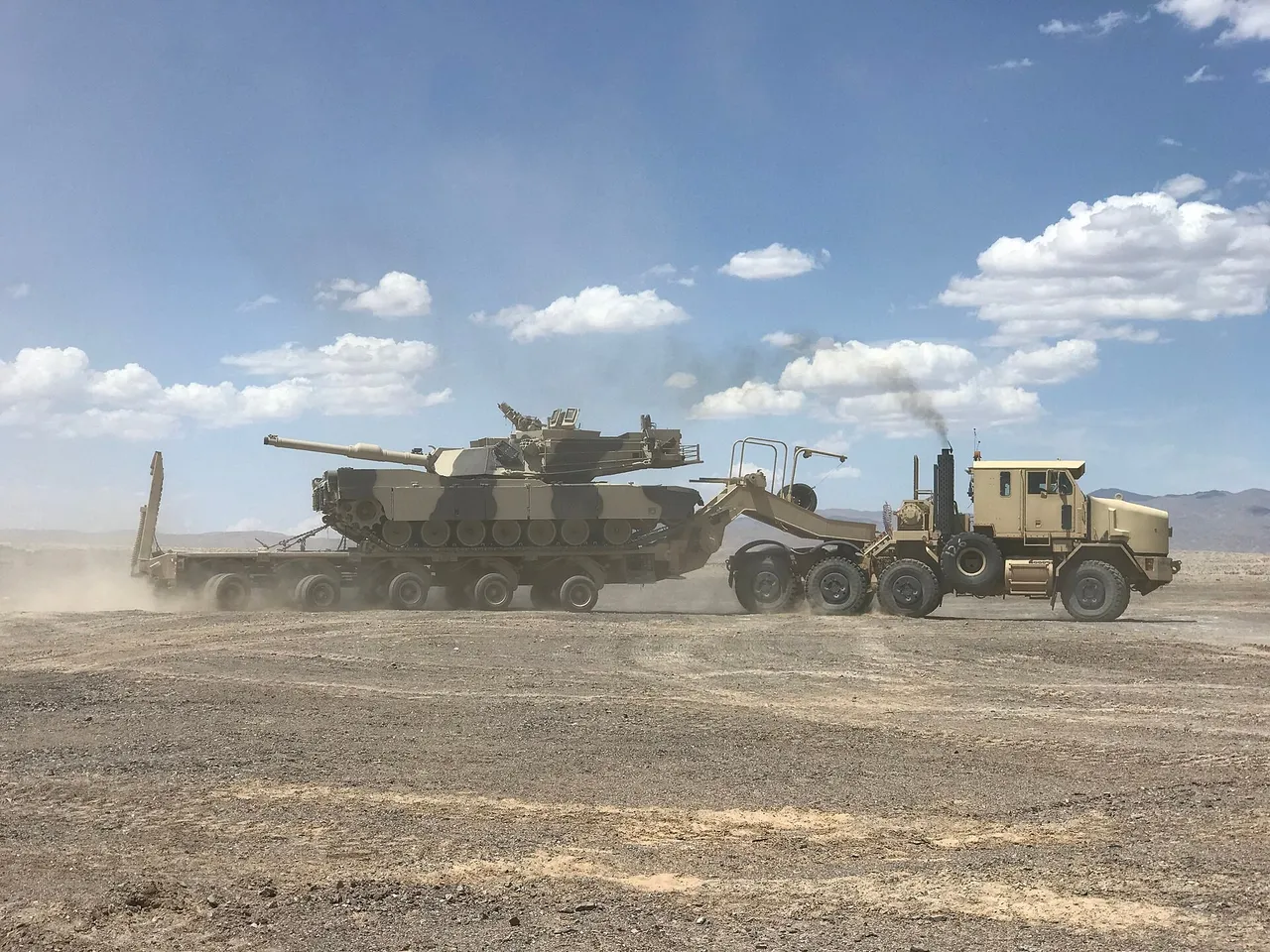
Taiwan's army shelves extra M1070 transporters for its M1A2T tanks, saying they will stay in the north
Military sources say the Abrams fleet's wartime job is holding northern Taiwan, so civilian haulers can handle peacetime moves to southern ranges.
TaiwanDefence · 1h ago · 3 min read
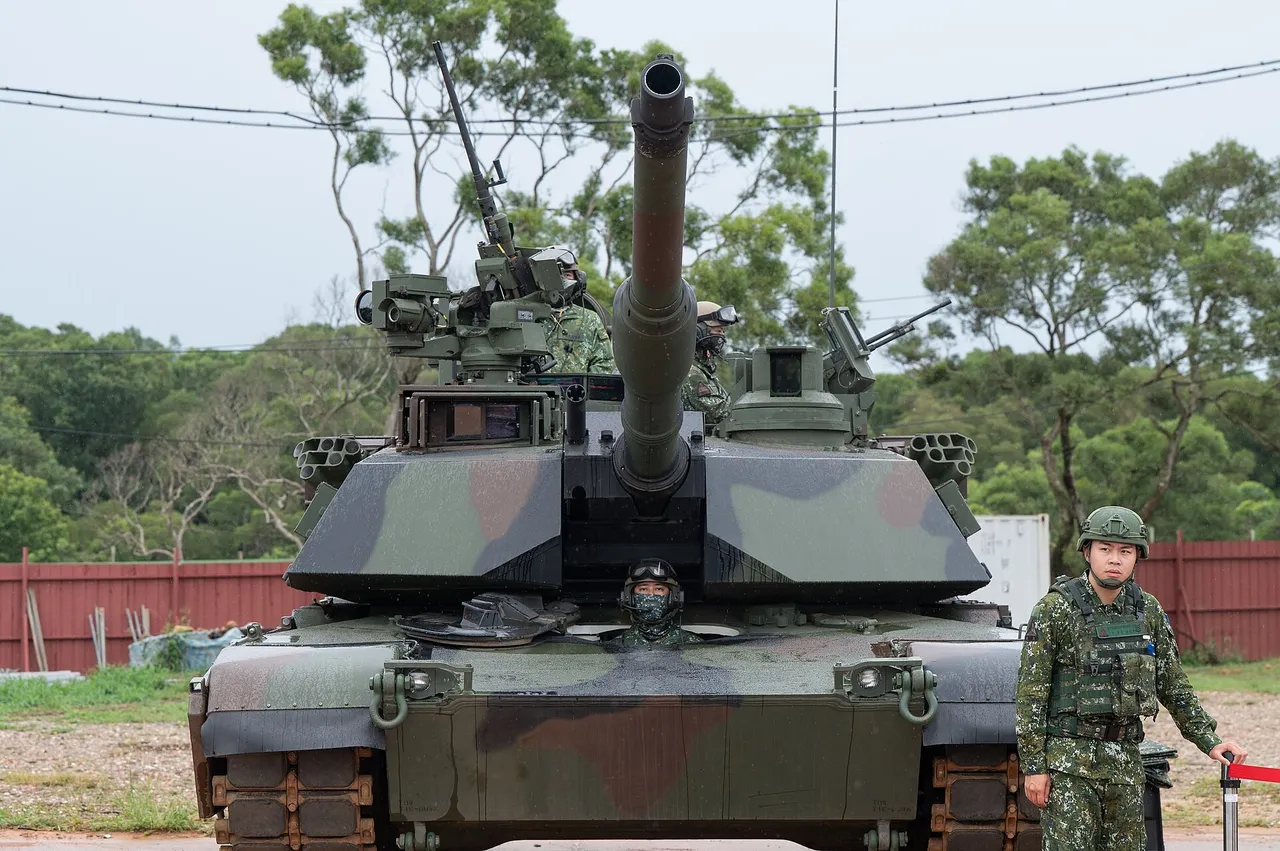
Lu Sheng 2 attackers reach Hsinchu's Nanliao as Taiwan's M1A2T brigade prepares to strike back
Five days into the army's north-south drill, the southern red force has pushed into Hsinchu, and the defending 269th Brigade is now expected to counterattack.
TaiwanDefence · 5h ago · 3 min read
Taiwan's army warns a frozen tactical network budget will hobble real-time support between units
The army tells lawmakers a NT$122 million freeze on its TAK and tactical network budget leaves combat and reserve units unable to back each other in real time.
TaiwanDefence · 13h ago · 3 min read
Discussion (0)
Comments are not currently available.