
Philippine coast guard and marines drive Chinese militia ship and 22 boats from Kota Island
The same mothership brought 24 sampans to the Spratly island in late September; this time the boats came within 250 metres of shore and took two hours to clear.
TAIPEI —
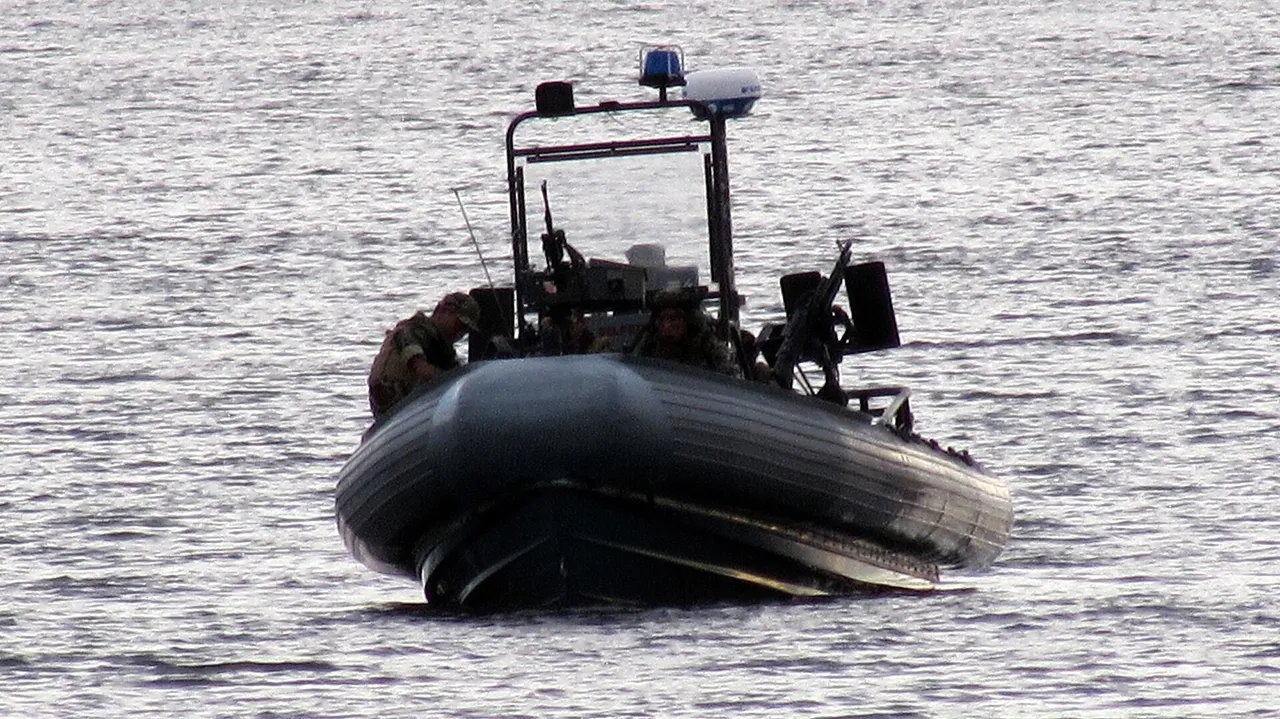
The Philippine Coast Guard says a joint team of coast guard personnel and marines drove a Chinese maritime militia vessel and 22 small fishing boats out of the territorial sea of Kota Island in the Spratly Islands on Friday, the second time in less than two weeks that the same mothership has brought a fleet of boats close to the Philippine-held island.
Rear Adm. Jay Tarriela, the coast guard's spokesperson for the West Philippine Sea, identified the mothership as Chinese Maritime Militia Vessel 9622, the same vessel the coast guard drove away together with 24 small boats, known as sampans, on Sept. 28.
According to the coast guard, personnel stationed on Kota Island, also known as Loaita Island, spotted the sampans at about 3 p.m. fishing roughly 0.55 nautical miles northwest of the island, with the nearest boat only about 250 metres from the shoreline and well inside the 12-nautical-mile territorial sea. The Chinese vessels were also seen dumping waste into the sea.
Rubber boats against a mothership
At about 3:30 p.m., two rubber boats left the island carrying coast guard personnel from the Special Operations Group, the Maritime Law Enforcement Group and the Coast Guard District Kalayaan Island Group, along with medical staff and three Philippine Marines. Philippine Navy personnel on shore provided radio and communications support, while marines kept monitoring the operation and passing on updates.
Tarriela said the militia mothership circled the two coast guard boats during the operation while its master used hand signals to claim the area and direct the Philippine team to leave. The coast guard said it expelled the sampans one by one over about two hours. One sampan refused to leave, leading to minor contact with no injuries or damage, before it complied and departed.
By 5:30 p.m., all the Chinese vessels had been pushed back to about 3.5 nautical miles from Kota Island and had headed northwest, and the operation was ended, the coast guard said. It called the presence of a militia vessel coordinating sampans so close to shore a blatant violation of the island's territorial sea and an affront to Philippine sovereignty, and said the unauthorised fishing breached the Philippine Fisheries Code and the Philippine Maritime Zones Act. Manila administers Kota Island as part of the municipality of Kalayaan in Palawan province.
A harder push than in September
In the Sept. 28 incident, the same vessel launched its 24 sampans about 1.2 nautical miles northwest of the island, and the boats fished and circled within about 300 yards of the shore. A five-member coast guard team in a single rubber boat challenged them, and although the mothership ignored radio calls, its crew answered with hand signals and all the boats withdrew as soon as the team arrived. The coast guard said at the time that launching swarms of small boats from one mothership let the vessel extend its reach and reinforce China's presence under a civilian appearance, and pledged to keep challenging and publicising such activity.
Friday's return of the same mothership, the closer approach to the shoreline, the two-hour effort to clear the boats and the need for a joint coast guard, navy and marine operation suggest the militia presence around the island is becoming more persistent rather than fading after the first expulsion.
Sources
More in Indo-Pacific
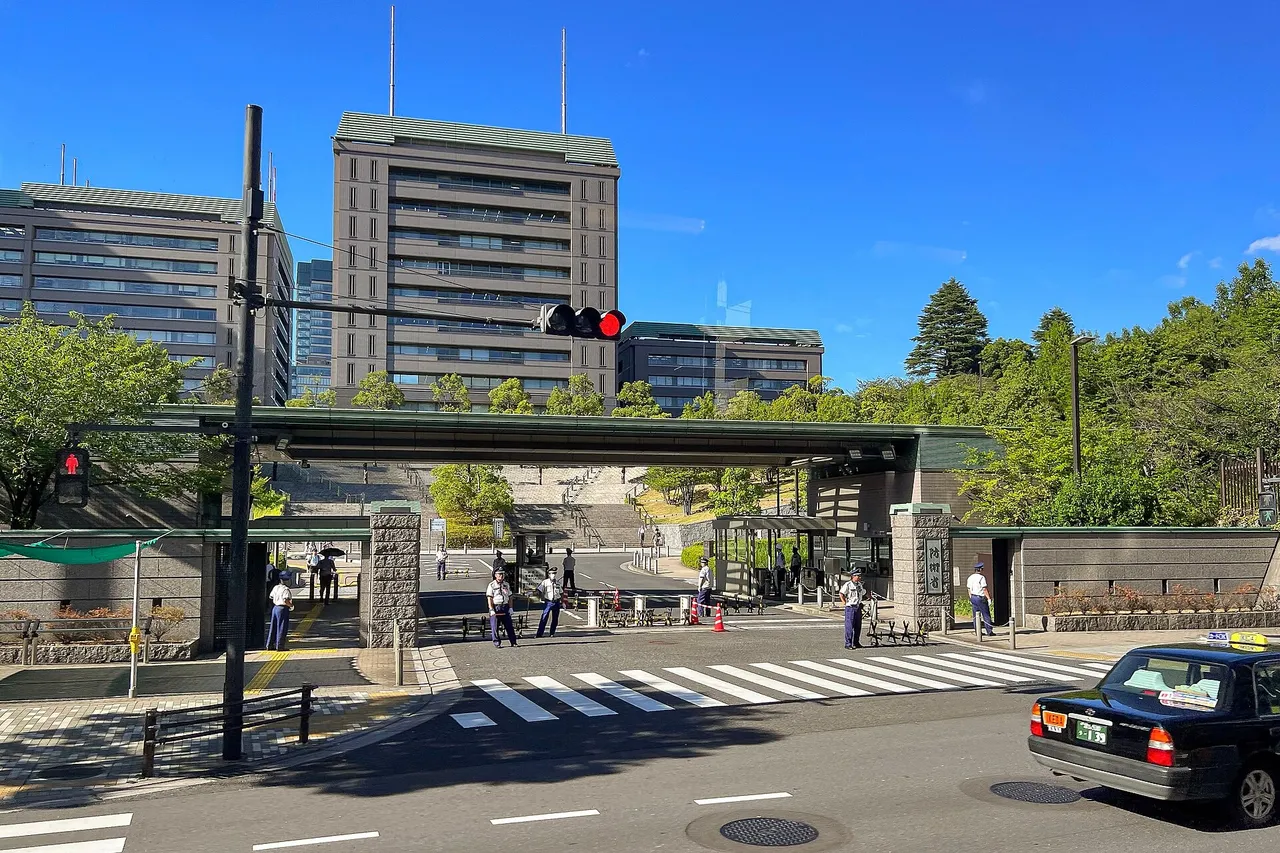
South Korean vice defence minister makes first Japan visit in 16 years
Lee Doo-hee's Tokyo talks with Atsushi Ando reaffirmed bilateral and trilateral coordination against North Korean missiles and named AI and unmanned systems as areas for defence exchanges.
TaiwanDefence · 52m ago · 2 min read
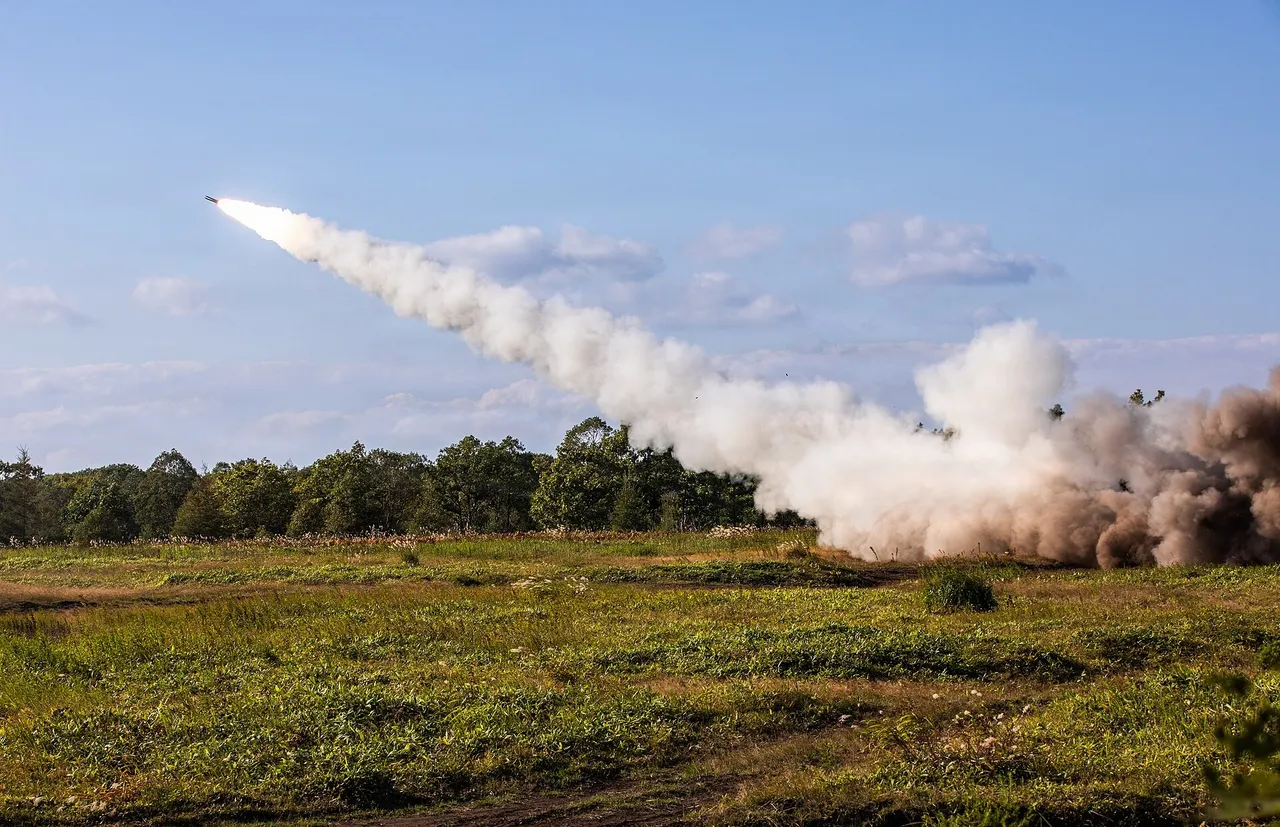
US Army activates fourth multi-domain task force to target Indo-Pacific defences
The new long-range fires formation at Fort Carson will grow to about 2,100 soldiers and report to the Army's Pacific multi-domain headquarters.
TaiwanDefence · 2h ago · 2 min read
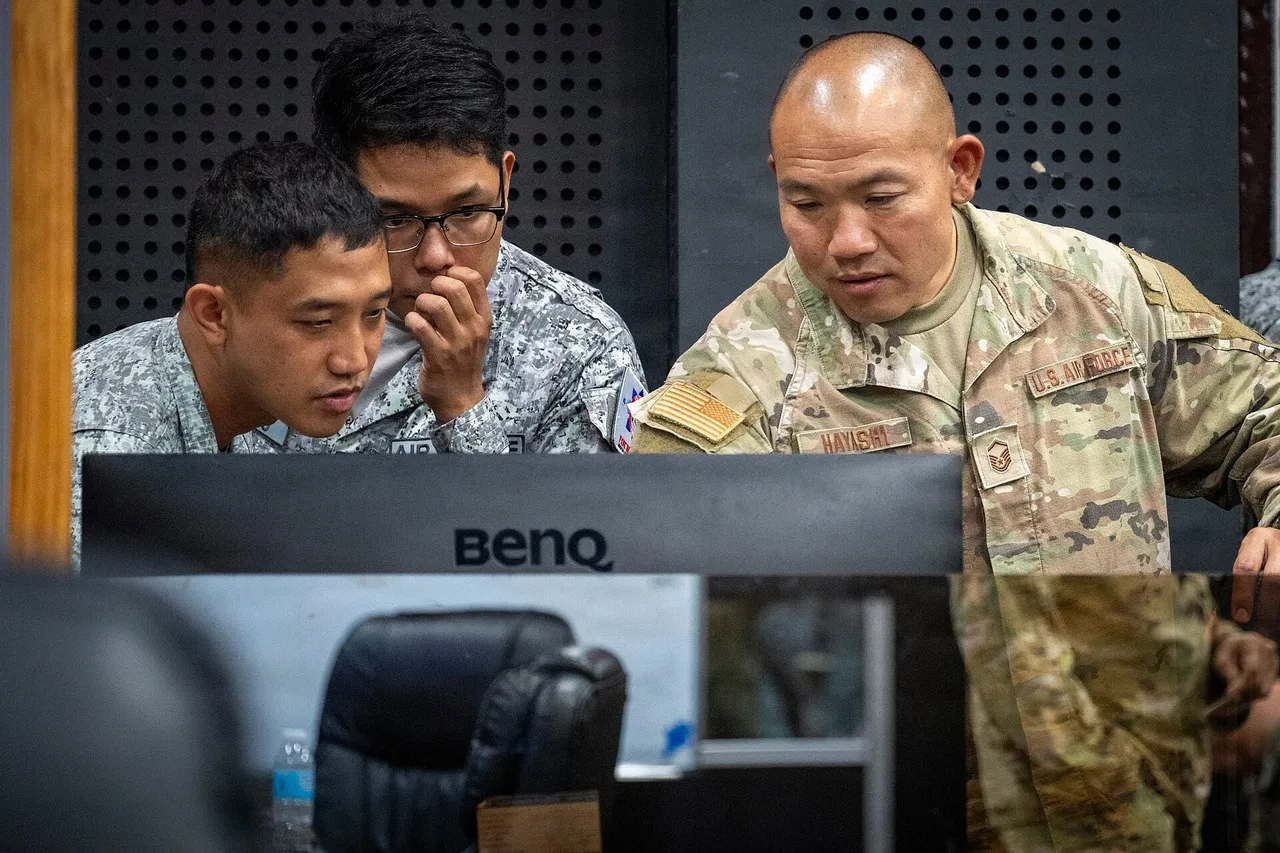
US and Philippine forces hold first joint air and missile defence planning exercise
Planners at Fort Bliss modelled simultaneous cruise missile, drone and ballistic missile attacks on the Philippines and set up a framework for annual joint air defence planning.
TaiwanDefence · 3h ago · 2 min read
Discussion (0)
Comments are not currently available.