
Russian design bureau sent submarine designs and test data to China, C4ADS report finds
A Washington research group traced 12 shipments worth over 80 million dollars from Russia's Rubin bureau to Chinese military buyers between 2015 and 2023.
TAIPEI —
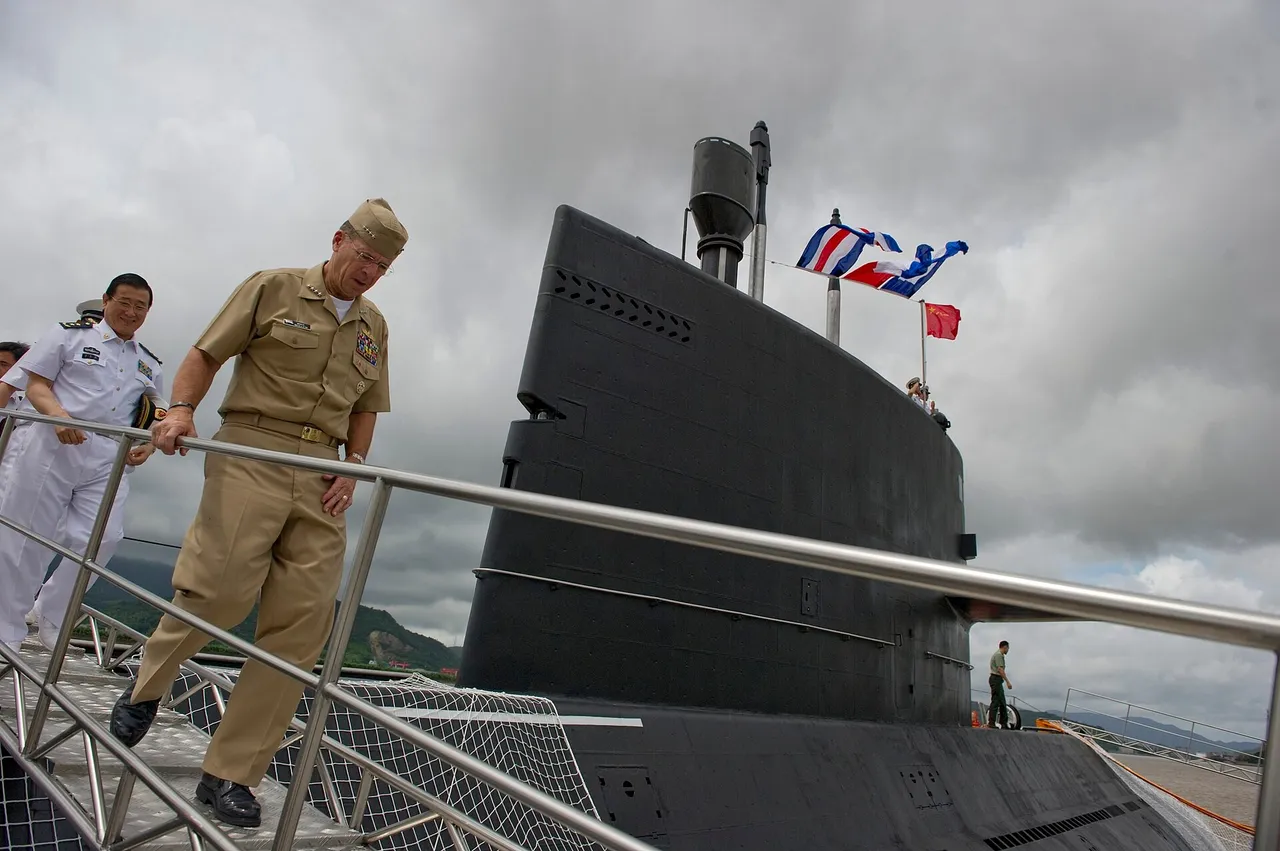
Russia's main submarine design bureau supplied China with more than 80 million dollars' worth of submarine-related documentation and testing material between 2015 and 2023, according to a report released on 22 October by C4ADS, a Washington-based research organisation. The study, which draws on Russian trade records, indicates that the technical cooperation continued after Moscow launched its full-scale invasion of Ukraine in February 2022.
According to coverage of the report by the Ukrainian defence outlet Militarnyi and by UNITED24 Media, the Rubin Central Design Bureau for Marine Engineering made 12 shipments between August 2015 and April 2023 to Chinese military procurement agencies and to China Shipbuilding and Offshore International, the foreign trade arm of China State Shipbuilding Corporation. The report's authors judged that the loosely described consignments most likely covered conceptual designs for a non-nuclear submarine. Rubin is a subsidiary of Russia's state-owned United Shipbuilding Corporation and is under sanctions imposed by the United States, the European Union and Japan.
Two of the shipments, sent in October 2019 and January 2020, contained documentation on submarine testing. Part of it concerned cavitation, an effect that generates underwater noise and can make a submarine easier to detect. A maritime security expert consulted by C4ADS assessed that the material showed Rubin helping the Chinese side evaluate how well its own noise-reduction technology performs, and UNITED24 reported that the transfers also involved technologies meant to improve underwater stealth.
The traffic ran in both directions. Between December 2019 and September 2022, the Chinese shipbuilding exporter sent Rubin submarine testing equipment, including instruments and components for test consoles used to assess a boat's information and control systems. Documents accompanying the September 2022 consignment referred to a contract for joint design and manufacturing, a sign that the partnership was still active seven months after Russian troops crossed into Ukraine.
Militarnyi reported that the cooperation described in the study spans noise reduction, non-nuclear propulsion, automated command, control and weapon management systems, and hull design. China's conventional submarine force was originally built on Soviet and Russian technology before the PLA Navy moved to domestically designed boats. The outlet added that US government sources have said Russia also gives significant technical help to China's nuclear submarine programme, especially on reducing acoustic signatures. That is a separate claim; the shipments documented by C4ADS concern conventional submarine work.
The submarine findings sit inside a wider study of cooperation between the two countries on advanced conventional weapons. C4ADS argues that Russian arms exports to China have fallen as Chinese industry has matured, but that deeper exchanges further up the supply chain have persisted and grown. It describes three channels: Russian companies working with Chinese partners to meet wartime demand for dual-use inputs, manufacturing skills and intellectual property; joint research by state-owned defence firms to validate designs and reduce trial-and-error costs; and academic links between Chinese defence-industry specialists and Russian universities tied to the defence sector.
The report calls the relationship asymmetrical. In its assessment, Russia contributes Soviet-legacy engineering and scientific expertise, while China offers industrial scale, advanced manufacturing and a well-funded system for turning innovation into military applications. It also finds that Beijing appears to limit cooperation when it does not serve China's own technology ambitions, and it recommends that Washington work with allies to speed up innovation while dealing with Beijing and Moscow separately to create friction in their weapons-technology exchanges.
C4ADS warns that the worst case would be a resilient Chinese-Russian defence-industrial and technological axis able to erode the long-standing US lead in precision warfare. For Taiwan and its partners, the submarine strand of the report is the most immediate concern, because outside help in making PLA Navy conventional submarines quieter bears directly on how easily those boats can be detected and tracked in the waters around the island.
Sources
More in Navy
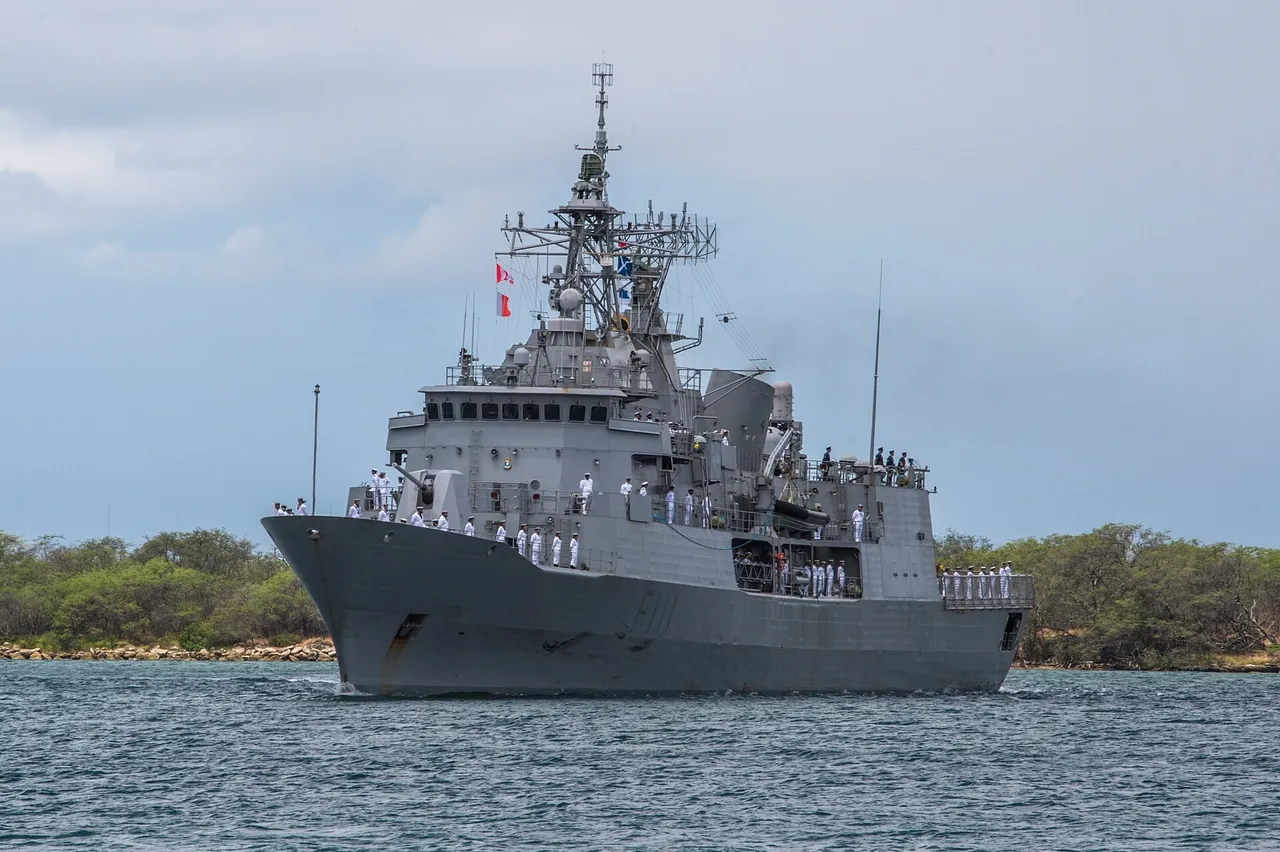
New Zealand navy task group returns home after North Korea sanctions patrols and RIMPAC
HMNZS Te Mana monitored UN sanctions on North Korea for the first time, while the oiler Aotearoa refuelled a Japanese warship under a new supply pact.
TaiwanDefence · 7h ago · 2 min read
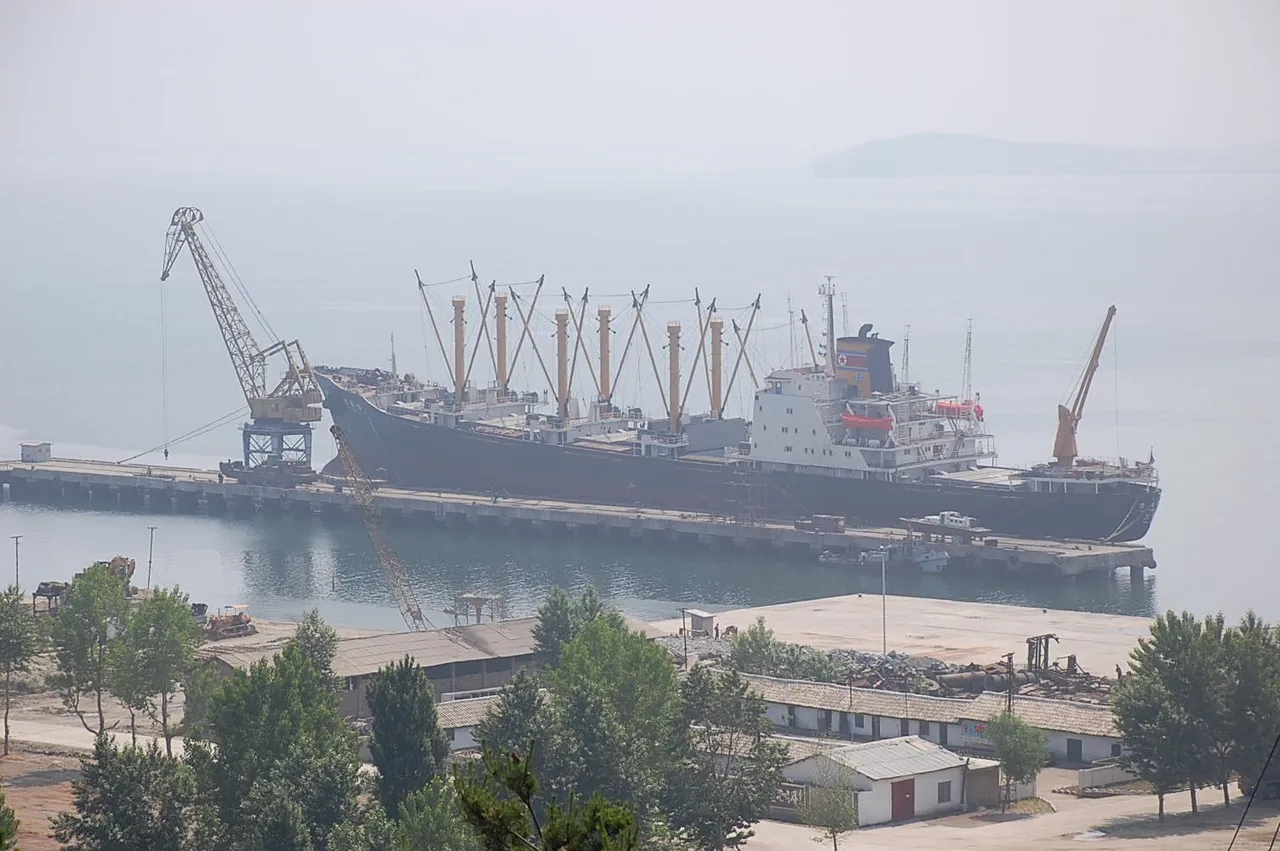
Satellite images suggest North Korea may build a 10,000-ton cruiser and a new naval base at Nampo
A South Korean imagery firm says new materials, worker housing and land reclamation at the west coast yard point to a warship bigger than the Choe Hyon destroyers.
TaiwanDefence · 11h ago · 3 min read
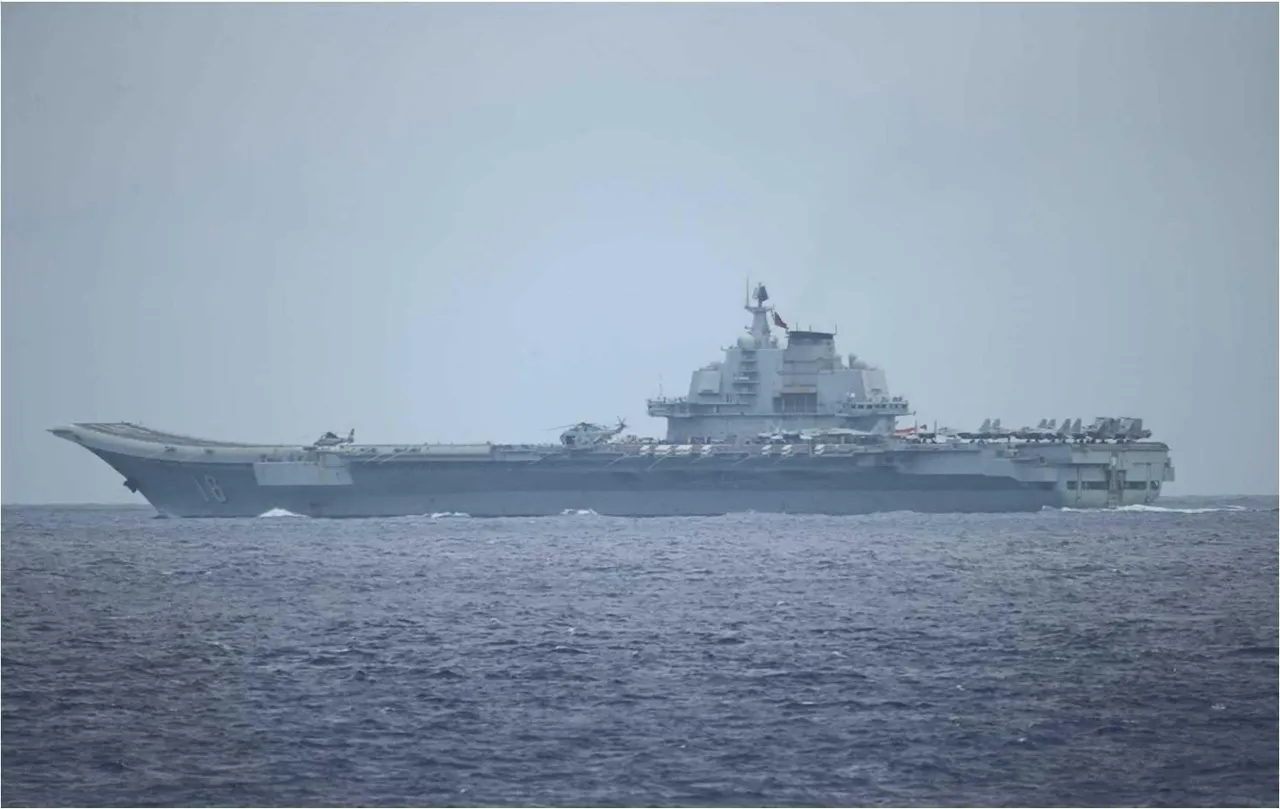
China's carrier Liaoning is seen passing through the Basilan Strait off the southern Philippines
The PLA Navy carrier group, last placed by Japan south of Ishigaki in mid-October, was reported off Zamboanga City, far south of its earlier track.
TaiwanDefence · 13h ago · 3 min read
Discussion (0)
Comments are not currently available.