
Thai army rejects Cambodian charges over three border temples as Phnom Penh protests a military road
Bangkok says troops at Ta Muen Thom, Ta Kwai and Khana are on Thai soil, while Cambodia lodges a formal protest over Thai army road work in Oddar Meanchey.
TAIPEI —
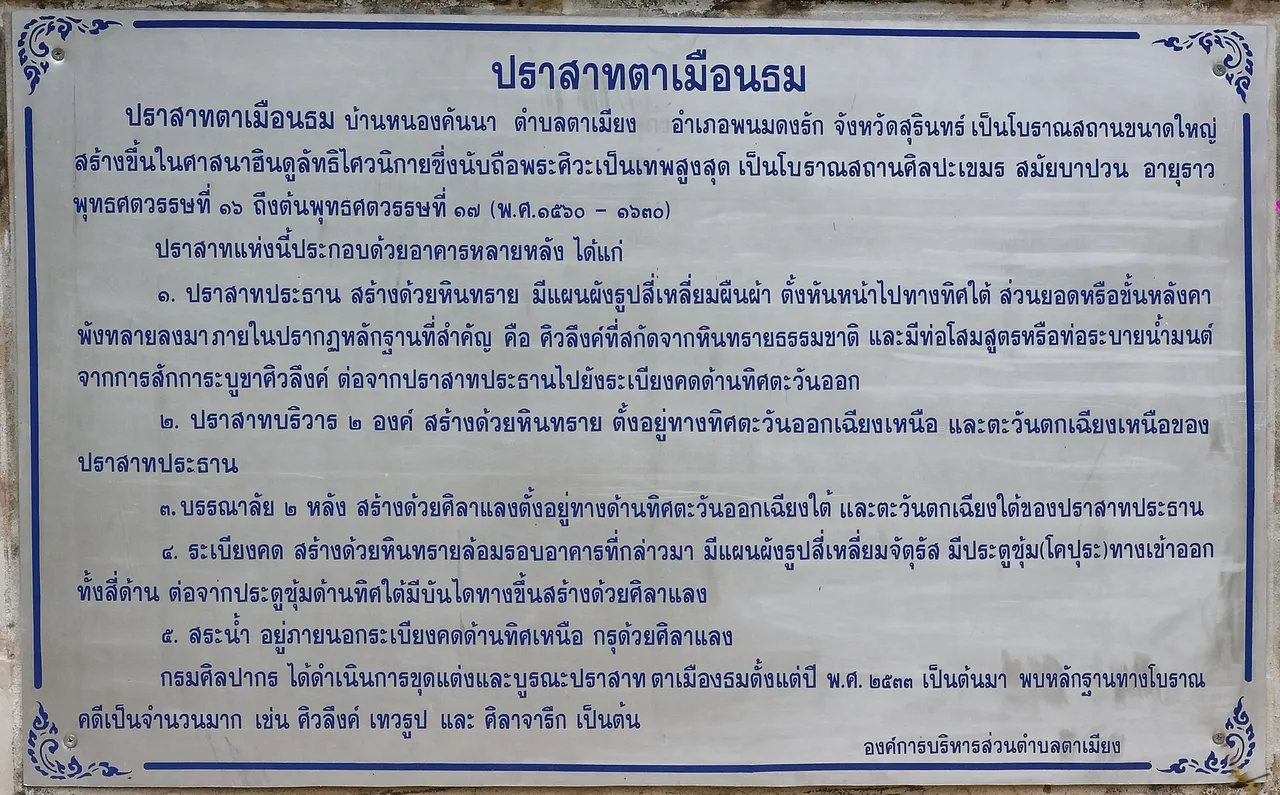
Thailand's army on Saturday rejected Cambodian accusations that its troops had violated Cambodian sovereignty at three disputed temples on the border, as the two neighbours traded fresh claims over military activity along a frontier where they fought twice in 2025. Royal Thai Army spokesman Major General Winthai Suvaree said the Ta Muen Thom, Ta Kwai and Khana temples lie inside Thailand and that soldiers there are protecting Thai territory, civilians and military personnel.
The army was answering a 22 October statement by Cambodia's Ministry of Culture and Fine Arts, which accused Thailand of breaching Cambodian sovereignty through its activities at the three sites. The ministry also alleged that Thai authorities had taken archaeological objects from Khana temple and demanded that they be returned.
Winthai said mine clearance, route improvements and other steps to strengthen security around the temples were safety precautions, and he rejected Cambodia's description of them as an incursion, aggression or provocation. He said the artefacts from Khana had been moved for study and restoration in line with conservation principles, denied that this amounted to illicit removal, and repeated Thailand's claim to sovereignty over the site.
The spokesman also made counter-accusations that Cambodia rejects. He said Thailand holds images showing Cambodian soldiers and bundles of PMN-2 anti-personnel mines at Ta Kwai temple, and he alleged that Cambodian forces had used the Preah Vihear temple as an artillery firing base and a position for support weapons aimed at the Thai side. These are Thai army claims that have not been independently verified. In its 22 October statement, Cambodia's culture ministry called such allegations unfounded and said heritage sites were used only for cultural, religious, conservation, research, educational and tourism purposes.
In a separate move, Cambodia's foreign ministry lodged a formal protest over road building by the Thai military in Oddar Meanchey province. According to the ministry statement, as reported by the Phnom Penh Post and Cambodianess, Thai forces used heavy machinery on 15 October to build a road in the Ta Tum area of Anlong Veng district, between boundary pillars 9, 10 and 11. Two days later, the ministry said, Thai troops sprayed red markings on trees between pillars 10 and 11 to prepare for further road work.
Phnom Penh argues that the work violates Cambodian sovereignty as set out in boundary maps drawn up under the Franco-Siamese Convention of 1904 and the Treaty of 1907. It also says the activity breaches a 2000 memorandum of understanding on surveying and demarcating the land boundary, as well as de-escalation measures agreed at a special meeting of the General Border Committee on 27 December 2025. Cambodia demanded that Thailand stop the work and said it does not accept any boundary line claimed unilaterally by Bangkok. The statement did not say how long the road is or whether construction is continuing, and the Thai army statement reported by The Nation did not refer to the Oddar Meanchey road.
The December 2025 agreement followed renewed armed clashes and was meant to halt hostilities and lower military tension after the fighting displaced hundreds of thousands of civilians from their homes. Cambodia wants the remaining disputes handled by the Joint Boundary Commission, the bilateral body responsible for demarcating the land border. Cambodianess reported that the commission has not resumed its work and that Bangkok has not responded to requests from Phnom Penh to reconvene it.
Winthai said Cambodia's repeated denials risk eroding trust and urged Phnom Penh to stop using public statements to inflame tensions, while Cambodia's foreign ministry said it remains committed to settling all boundary disputes with Thailand peacefully and under international law. The competing statements show that soldiers on both sides are still active around contested temples and boundary pillars almost ten months after the December ceasefire arrangements, leaving the border a live military flashpoint in mainland Southeast Asia.
Sources
More in Indo-Pacific
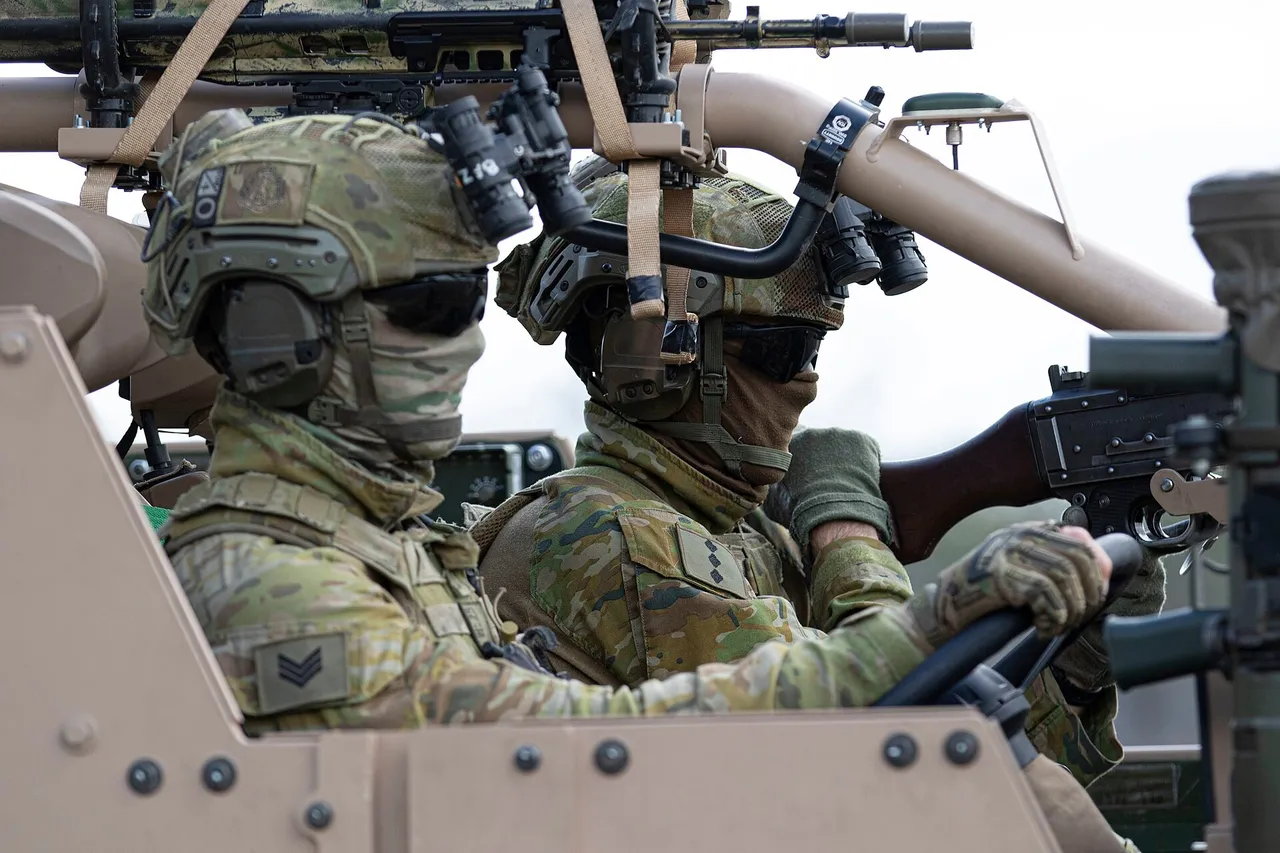
Australian Defence confirms an earlier Supacat tip-over after a fatal rollover in the Northern Territory
The six-wheel transporter that killed a corporal at Mount Bundey had laid over on a 2020 driver course, while British Jackal variants logged more than 30 rolls.
TaiwanDefence · 2h ago · 3 min read
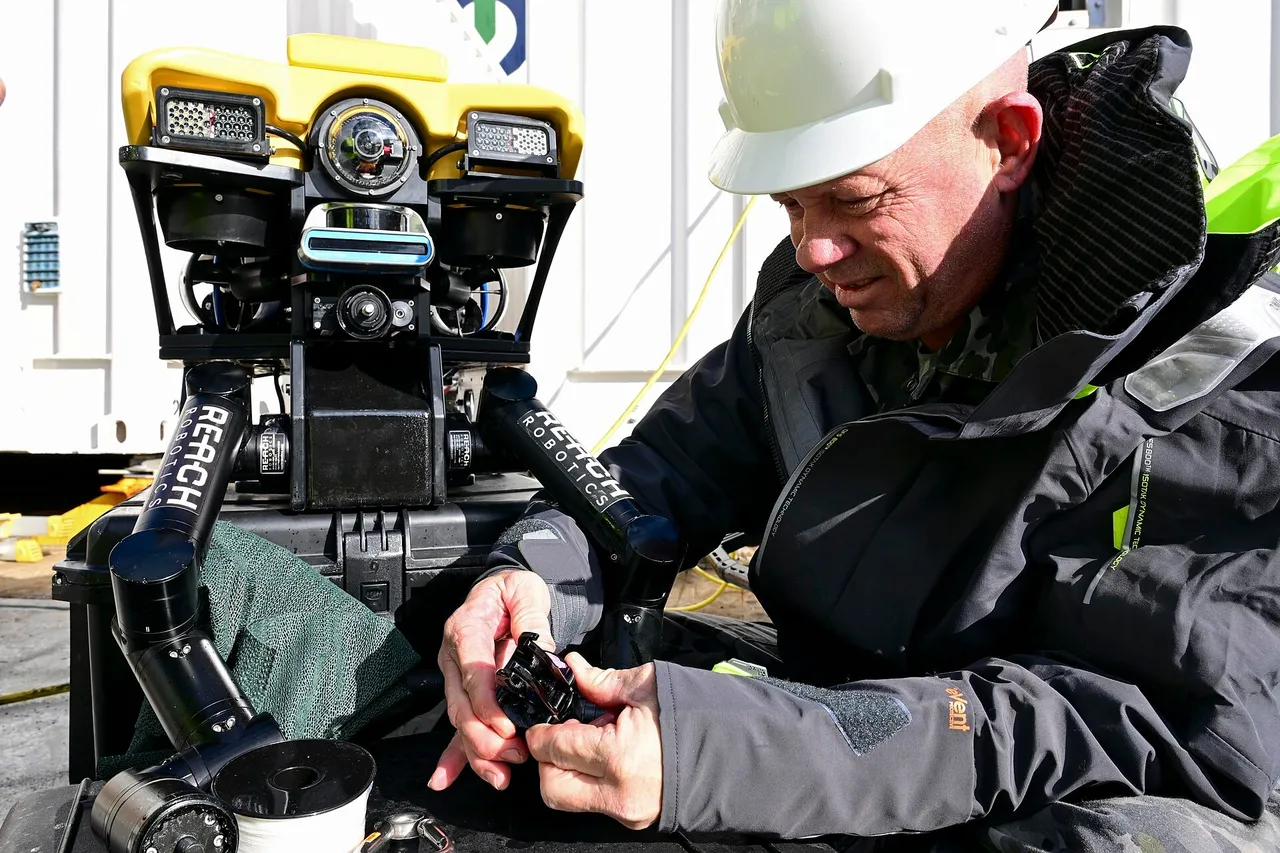
AUKUS officials say undersea drone work is on track after live trials off California
More than 40 crewed and uncrewed systems were put through strike, resupply and submarine-hunting scenarios, with payload deliveries due to start next year.
TaiwanDefence · 3h ago · 3 min read
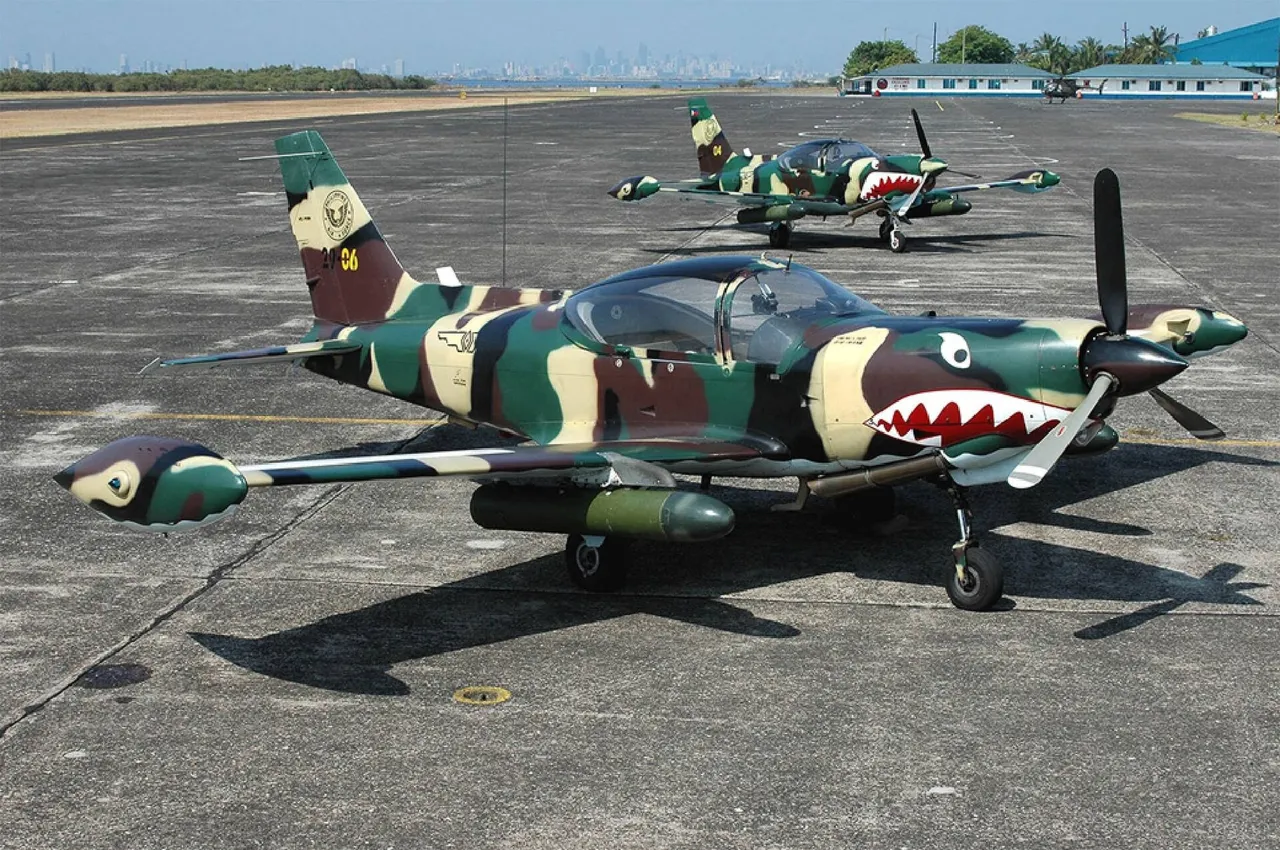
Four Philippine Air Force pilots die as two SF-260 trainers go down at Fernando Air Base
The air force says both trainers came down inside the Lipa base during a training flight and it has grounded every SF-260 while investigators look for the cause.
TaiwanDefence · 5h ago · 2 min read
Discussion (0)
Comments are not currently available.