
South Korean vice defence minister makes first Japan visit in 16 years
Lee Doo-hee's Tokyo talks with Atsushi Ando reaffirmed bilateral and trilateral coordination against North Korean missiles and named AI and unmanned systems as areas for defence exchanges.

TAIPEI —
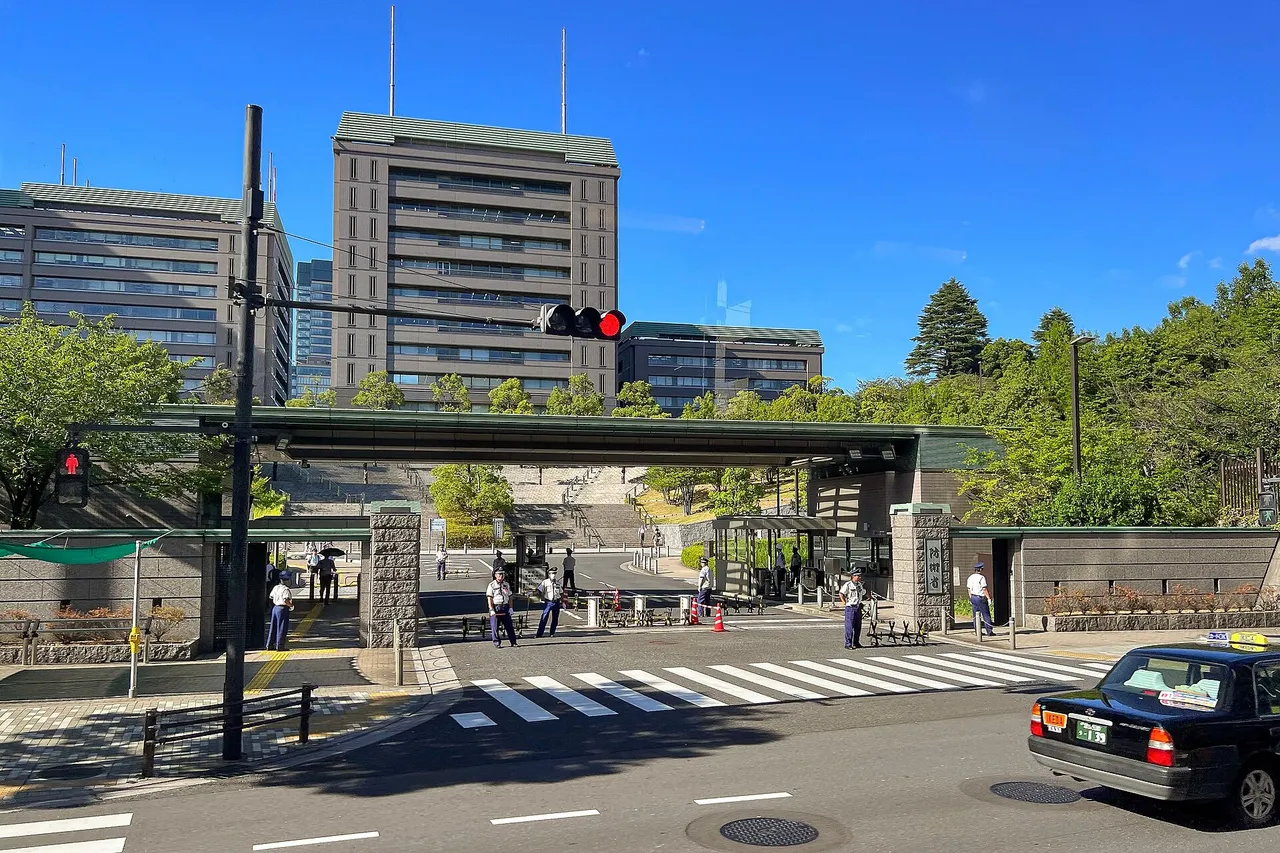
South Korea's Vice Defence Minister Lee Doo-hee held talks with Atsushi Ando, Japan's Vice-Minister of Defense for International Affairs, at the Japanese Defense Ministry in Tokyo on Friday, 9 October, during a two-day visit to Japan that began on Thursday, South Korea's Ministry of National Defense said. Before the talks, Lee paid a courtesy call on Japanese Defence Minister Shinjiro Koizumi.
Japan's Defense Ministry said it was the first visit to Japan by a South Korean vice defence minister in 16 years, according to a Kyodo News report carried by the Nikkei. The Japanese ministry said the two officials exchanged views on the regional situation, including North Korea's nuclear and missile development, and on cooperation in artificial intelligence and unmanned systems, and agreed to work closely both as two countries and in a three-way framework with the United States. Kyodo reported that Lee met Koizumi on Thursday, 8 October.
In Seoul's account, Lee and Ando reaffirmed that close security coordination between South Korea and Japan, and among South Korea, the United States and Japan, is important for responding to North Korea's increasingly advanced nuclear and missile threats, given a rapidly changing international environment and what the ministry described as a grave security situation on the Korean Peninsula. The two officials also agreed to keep pursuing future-oriented defence exchanges and cooperation, with advanced science and technology fields such as AI and unmanned systems singled out.
A return visit after two trips to Seoul
The trip was a return visit. Ando had travelled to Seoul in May for the two countries' security policy consultations and again in September for the Seoul Defense Dialogue, and he invited Lee to Japan, according to the South Korean ministry. Aju Business Daily's Japanese edition noted that Ando's post is a vice-ministerial one, making the Tokyo meeting a vice-ministerial defence dialogue.
The talks came a day after South Korea's top military officer gave lawmakers a sober assessment of the North's military. At a National Assembly audit of the Joint Chiefs of Staff on 8 October, Joint Chiefs Chairman Jin Yeong-seung said the military judged that the accuracy of North Korean missiles had improved since Pyongyang sent troops and weapons to support Russia's war against Ukraine, although he said he could not agree with a lawmaker's suggestion that the North had cut its targeting error to within five metres, News1 reported. Jin also said North Korea appeared to be moving toward a mass-production system for drones, and that South Korea was developing its own capabilities just as quickly.
Read together, the reports suggest that the agreed emphasis on AI and unmanned systems places Seoul and Tokyo's defence exchanges in the same technology areas where South Korean commanders now say North Korea is gaining ground after its forces acquired combat experience alongside Russia. Neither ministry announced a specific joint programme, exercise or equipment project from the meeting.
Sources
More in Indo-Pacific
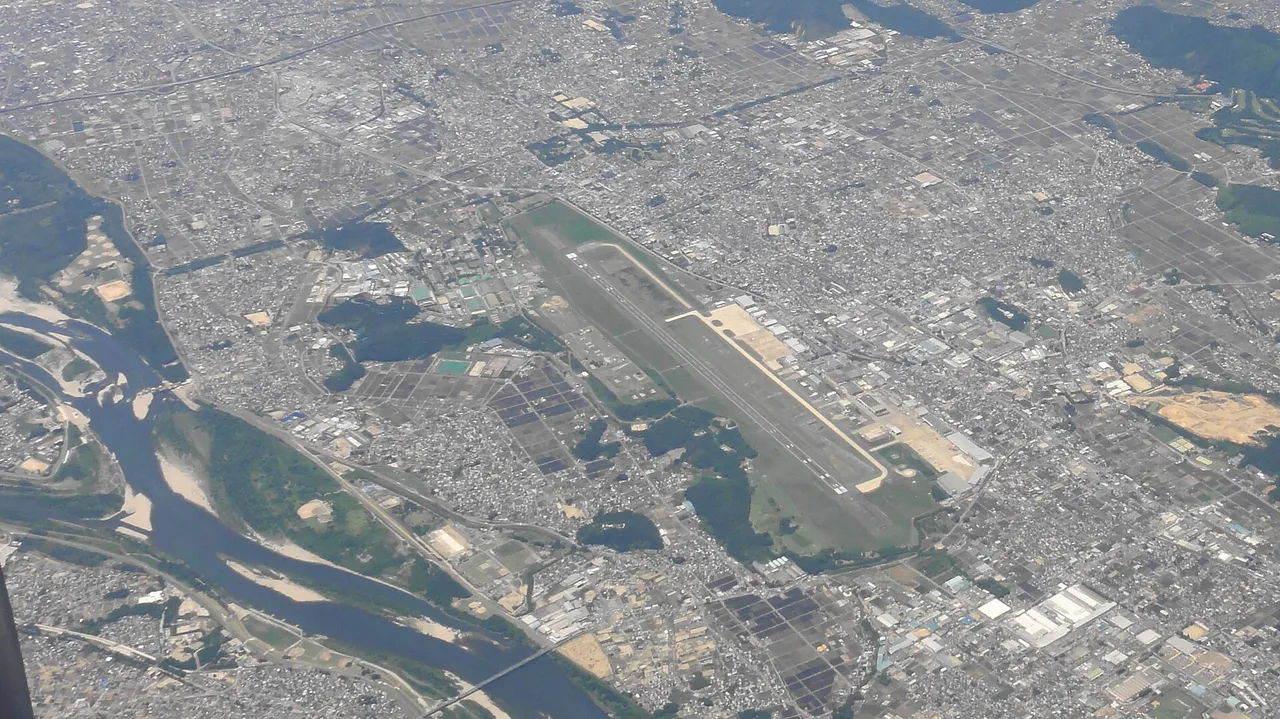
Japan's lower house votes to require permission for land purchases near Self-Defense Forces bases
The bill would bar foreign governments from owning land near bases and on border islands and punish deals made without approval. It now goes to the upper house.
TaiwanDefence · 1h ago · 3 min read
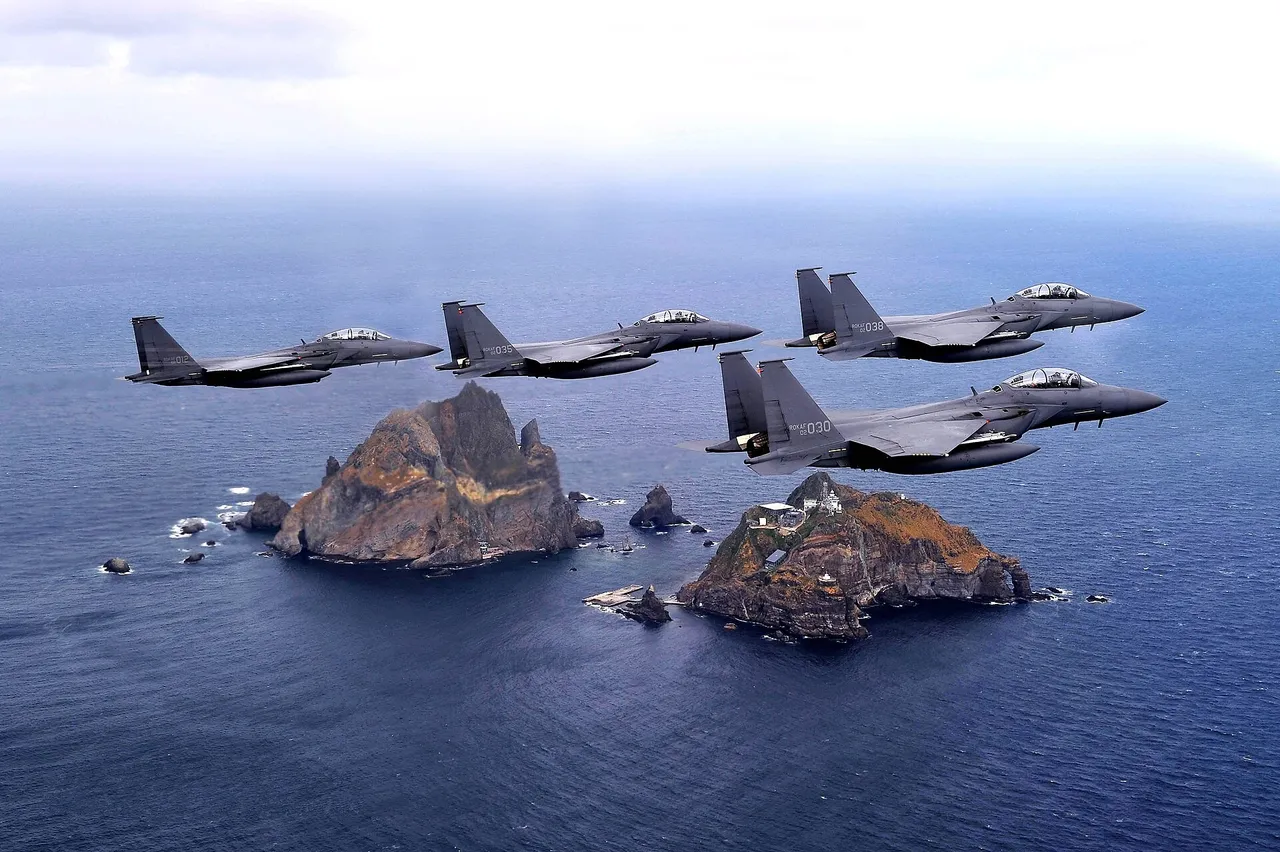
Russian warplanes near Ulleung Island trigger a brief air-raid alert as South Korea scrambles F-15Ks
Several Russian military aircraft entered South Korea's air defence zone over the East Sea; the military says they left without violating its airspace.
TaiwanDefence · 5h ago · 2 min read
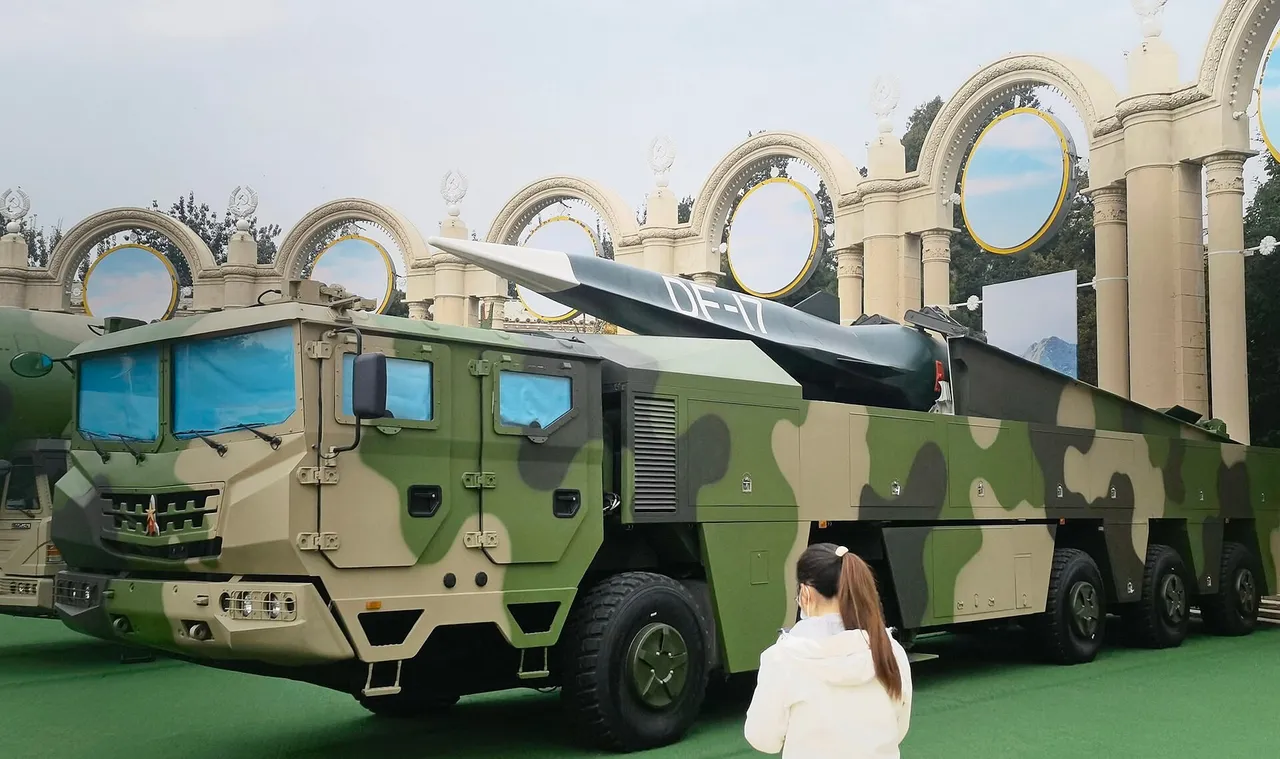
Chinese military researchers fear US AI could make China's nuclear missiles easier to find and destroy
A New York Times review of more than 100 Chinese studies finds PLA analysts worried that American AI could erode Beijing's ability to strike back after a nuclear attack.
TaiwanDefence · 9h ago · 3 min read
Discussion (0)
Comments are not currently available.