South Korea's military test-fires its first homegrown hypersonic glide missile
President Lee Jae Myung watched the defence weapons test, which Seoul says proved heat-resistant materials, guidance and low-altitude manoeuvring after two North Korean missile launches.
TAIPEI —
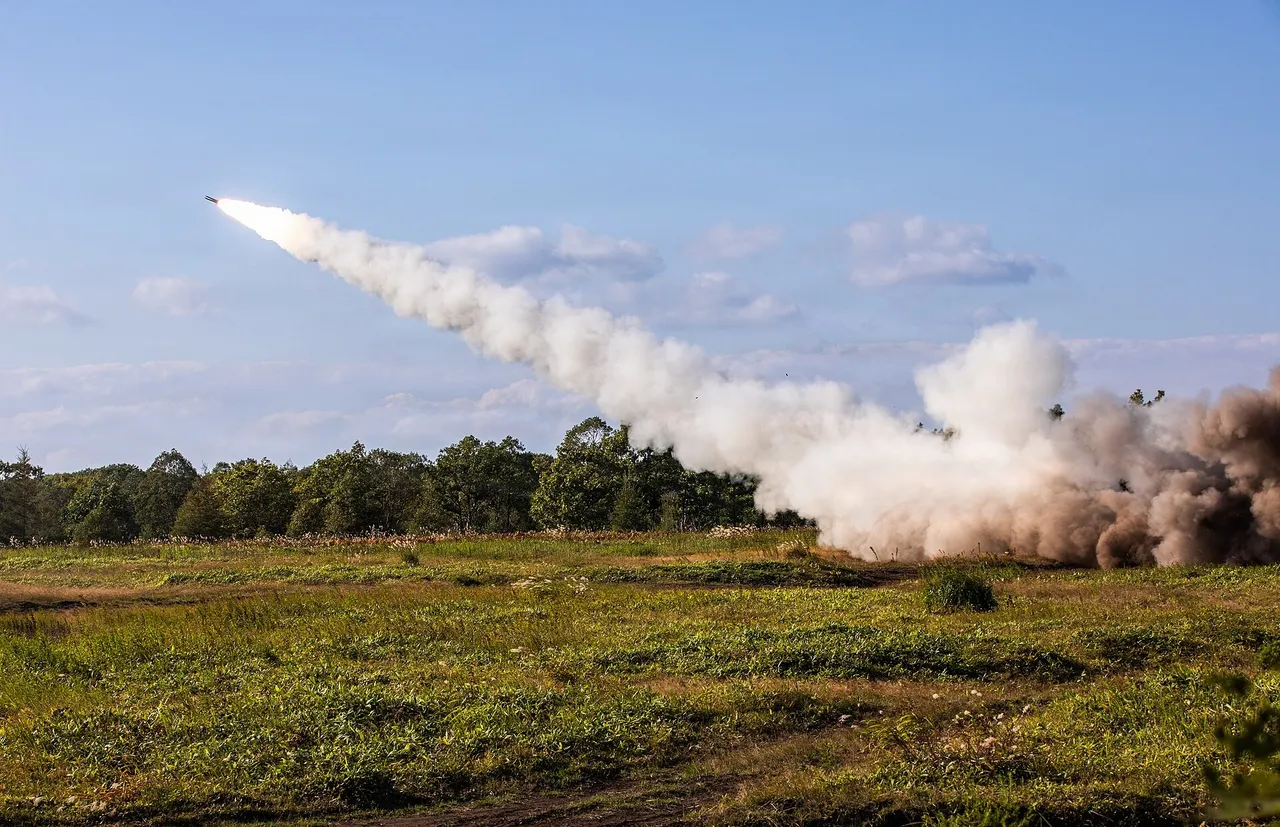
South Korea test-fired its first domestically developed hypersonic glide vehicle, a new missile weapon for its military, on Thursday, 8 October, with President Lee Jae Myung observing the launch, the presidential office said. The office, known as the Blue House, described the weapon as still under research and development using South Korean defence technology, and the test came days after North Korea announced its own hypersonic missile launch.
According to the Blue House statement, the test was designed to verify for the first time the vehicle's core technologies in a hypersonic flight environment: ultra-high-temperature heat-resistant materials, guidance and control, and the ability to fly irregular manoeuvres at low altitude. It said the glide vehicle separated from its booster after climbing to the target altitude, descended, changed course both vertically and horizontally and accurately struck its designated target.
The office called the glide vehicle a key strategic asset that could change the course of a battle, saying its unpredictable flight path and overwhelming speed would allow surprise strikes on key strategic targets in a contingency. It said the weapon offered a new deterrent able to hit key targets in the Korean Peninsula's operational environment. Lee said after the test that South Korea must secure its national security through its own strength, the statement said.
What the images show, and what they do not
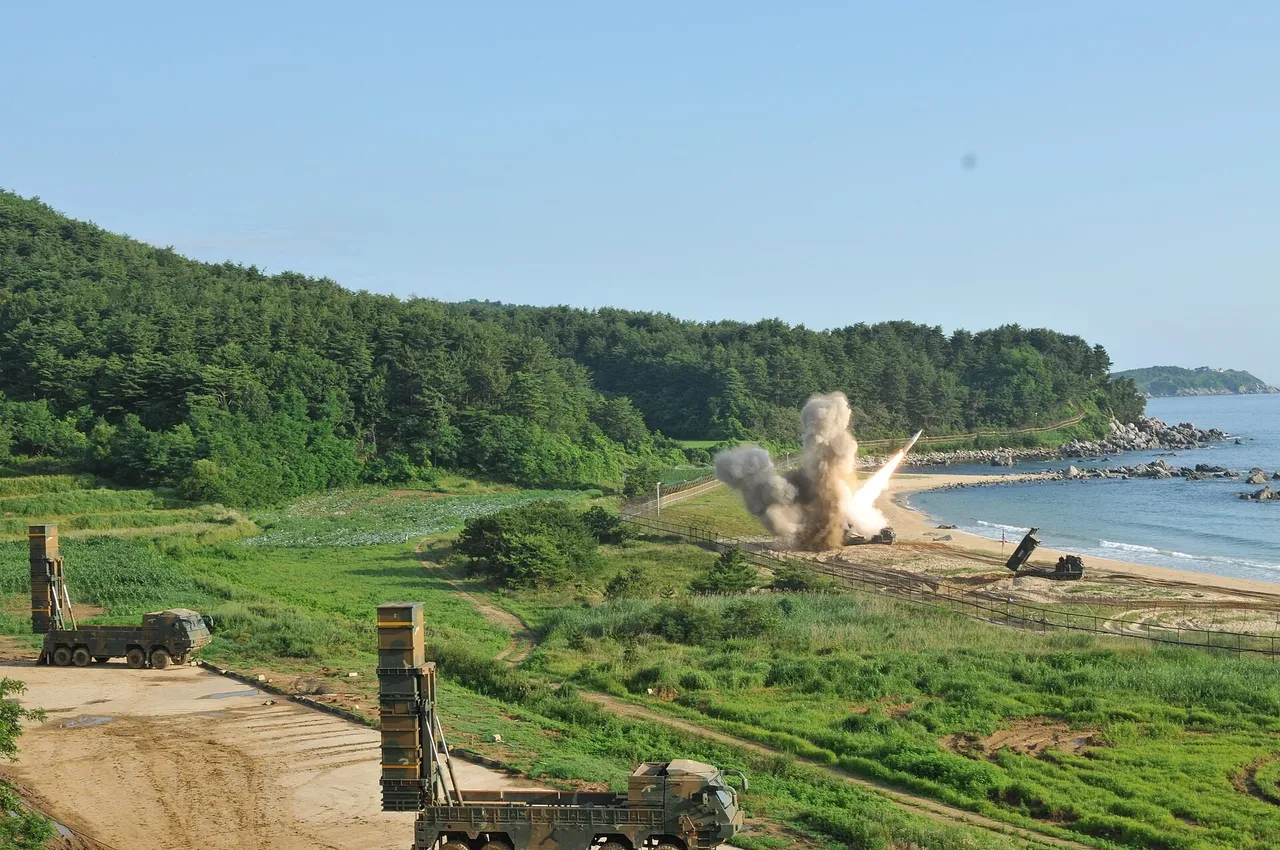
Lee and other officials watched from a conference room at the Anheung Proving Ground in South Chungcheong Province, the coastal range run by the Agency for Defense Development, The War Zone reported on 9 October. Still images later posted by the Blue House show the missile leaving a wheeled transporter-erector-launcher on a platform just off the coast and the glide vehicle hitting the water at the end of its flight. The missile has not been given a public name, and officials have not disclosed how far the vehicle travelled or its peak speed.
Lee was also shown a launcher for the Hyunmoo-5, the country's newest and heaviest ballistic missile, which entered service around the end of last year, though no link between that missile and the glide vehicle has been stated, according to The War Zone. The publication said South Korea is separately developing an air-breathing hypersonic cruise missile and new air- and sea-launched ballistic missiles.
A race with the North
North Korea has carried out two launches of what it described as hypersonic missiles in recent weeks. Pyongyang said its most recent launch, the Saturday before Seoul's test, used artificial intelligence and that the missile's wave-like trajectory left South Korea and Japan unable to track it, while Seoul and Washington said such a missile could be detected and intercepted with allied defences. Hong Sung-pyo, a senior researcher at the Korea Institute for Military Affairs, told AFP that South Korea had put considerable effort into the technology and could be said to have achieved a successful test.
The test also came amid heightened friction after a 21 September incident in which three South Korean soldiers were injured along the Demilitarized Zone, which Seoul's Joint Chiefs of Staff and the United Nations Command blamed on a North Korean landmine laid in breach of the armistice. Pyongyang has denied the accusation.
A single successful flight leaves open questions about mid-course and terminal guidance, but it signals that Seoul intends to answer the North's hypersonic claims with a strike weapon of its own rather than rely on missile defence alone.
Sources
More in Indo-Pacific
South Korean vice defence minister makes first Japan visit in 16 years
Lee Doo-hee's Tokyo talks with Atsushi Ando reaffirmed bilateral and trilateral coordination against North Korean missiles and named AI and unmanned systems as areas for defence exchanges.
TaiwanDefence · 4h ago · 2 min read
Philippine coast guard and marines drive Chinese militia ship and 22 boats from Kota Island
The same mothership brought 24 sampans to the Spratly island in late September; this time the boats came within 250 metres of shore and took two hours to clear.
TaiwanDefence · 5h ago · 2 min read
US Army activates fourth multi-domain task force to target Indo-Pacific defences
The new long-range fires formation at Fort Carson will grow to about 2,100 soldiers and report to the Army's Pacific multi-domain headquarters.
TaiwanDefence · 6h ago · 2 min read
Discussion (0)
Comments are not currently available.