
Ten indicted in Taiwan for posing as NCSIST to buy US military-grade chips for China
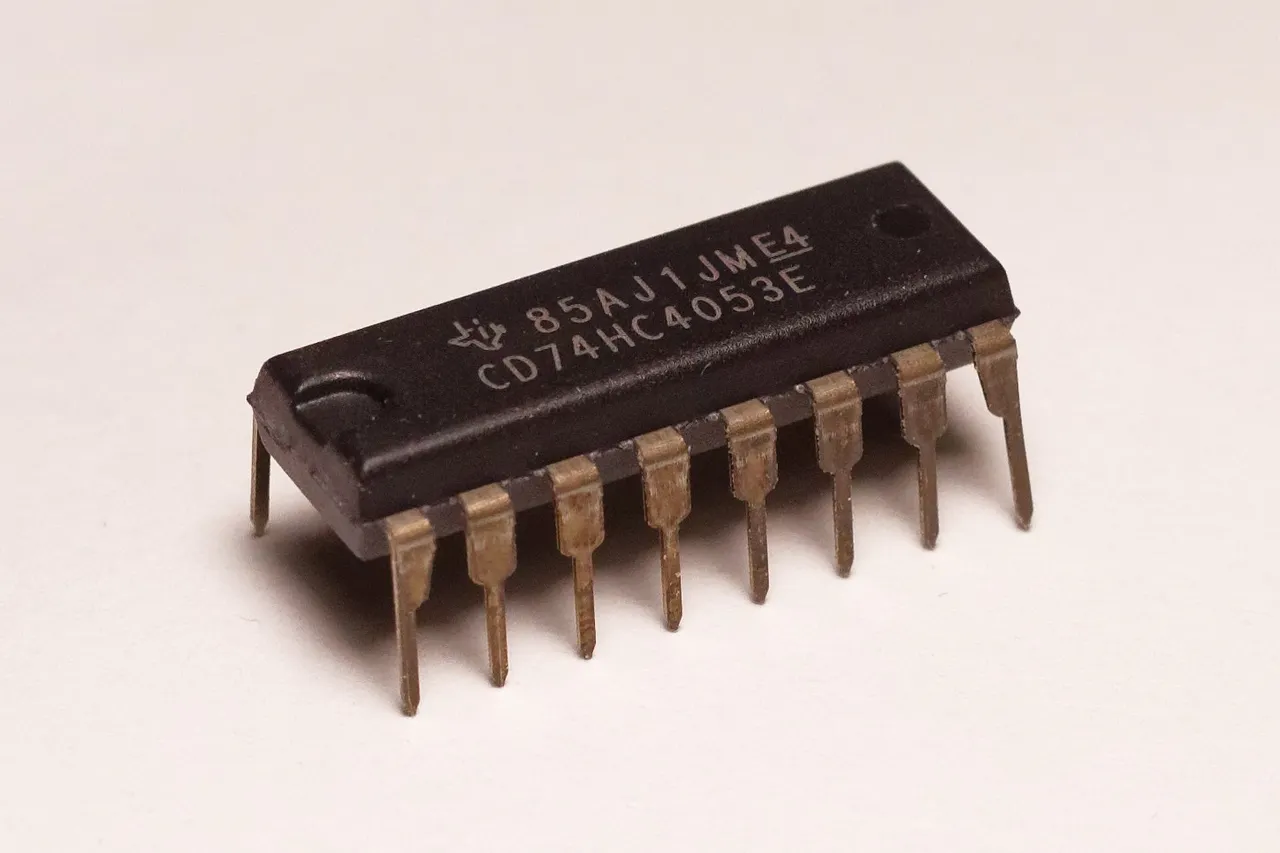
New Taipei prosecutors say the group forged end-user papers in the name of Taiwan's main military research institute, relabelled controlled chips as Taiwanese and shipped them to China and Hong Kong.
TAIPEI —
Prosecutors in New Taipei have indicted 10 people accused of using the name of the National Chung-Shan Institute of Science and Technology (NCSIST), Taiwan's main military research and development body, to buy export-controlled American chips that were then resold to buyers in China and Hong Kong. The New Taipei District Prosecutors' Office announced the indictments on Tuesday, 6 October, according to the Taipei Times and the Central News Agency.
Prosecutors said the chips were suitable for military uses such as radar receivers, electronic reconnaissance and jamming equipment, and that the defendants knew the parts would end up with Chinese research units building missiles and military radar. They argued the trade helped strengthen China's military, harmed Taiwan's national security and risked leading Washington to think Taiwan was deliberately helping Beijing obtain military chips.
Forged seals and false end-user statements
According to the indictment as reported by CNA, the alleged ringleader, Chen Chien-hsiung, who heads companies including Lypid Taiwan, had previously worked in sales for a chip distributor and learned that NCSIST was an approved end user for products from Analog Devices and Texas Instruments. From 2017 onwards, prosecutors said, he and others wrote NCSIST into purchase declarations as the end user and used forged seals of institute departments to pass the suppliers' screening.
Buyers of such controlled parts must give distributors an end-user statement or know-your-customer's-customer documents that set out who will use the product, for what purpose and where, prosecutors said. If the declared end user is in China or another restricted market, the original manufacturer refuses to supply. The group also promised that the chips would not be exported or resold to parties under US sanctions, the Taipei Times reported.
Once the chips reached Taiwan, the defendants allegedly repackaged parts made in countries including the Philippines and South Korea, changed model markings and labelled them as made in Taiwan so they could be declared as uncontrolled goods. That allowed them to slip past checks by customs and the Ministry of Economic Affairs' International Trade Administration before export to Hong Kong or to Hong Kong companies effectively controlled from China, prosecutors said.
Three groups and more than NT$300 million
The 10 defendants include Chen, his younger brother and the heads of several small technology firms, among them Stone Engine Technology, WTG Technology, KPlus Technology, HGT Application, EcoLumina Technologies and ZKey Technology, the Taipei Times said. They face charges of aggravated fraud, forgery and money laundering. Prosecutors asked for a 10-year prison term for Chen and sentences of one to eight years for the others.
The Taipei Times said a separate group run by Lai Chin-lan allegedly used similar methods to sell chips certified to a US military specification to Hong Kong, earning about NT$130 million, and that a third defendant, Yuan Tung-tai, allegedly made more than NT$100 million selling chips with applications in uncrewed aerial vehicles. Prosecutors said the defendants exported more than 10 models of controlled chips in all.
Reports differ on the total proceeds. CNA put combined illicit profits across the groups at more than NT$300 million, while the Taipei Times gave a figure of NT$360 million, or about US$11.33 million. Fount Media, citing the prosecutors' breakdown, said Chen's own group earned roughly NT$92.75 million from trades between 2017 and April 2025, which together with the amounts attributed to the Lai and Yuan groups is consistent with the overall figure of more than NT$300 million. Prosecutors are also asking the court to confiscate the proceeds.
A second export-control case in two months
The case follows an indictment in August in which prosecutors charged nine people, including employees of Nvidia and Super Micro, over the alleged illegal export of artificial intelligence servers to China, the Taipei Times reported at the time. Like that case, the new indictment centres on US-origin technology, and prosecutors noted that the US Commerce Department strictly bars such chips from going to China, Hong Kong and Macau.
The new case stands out because it involves the alleged misuse of the identity of NCSIST itself, the state defence research institute that the American chipmakers had approved as an end user. The case has now gone to court, and the charges remain allegations until judges rule on them.
Sources
More in Indo-Pacific
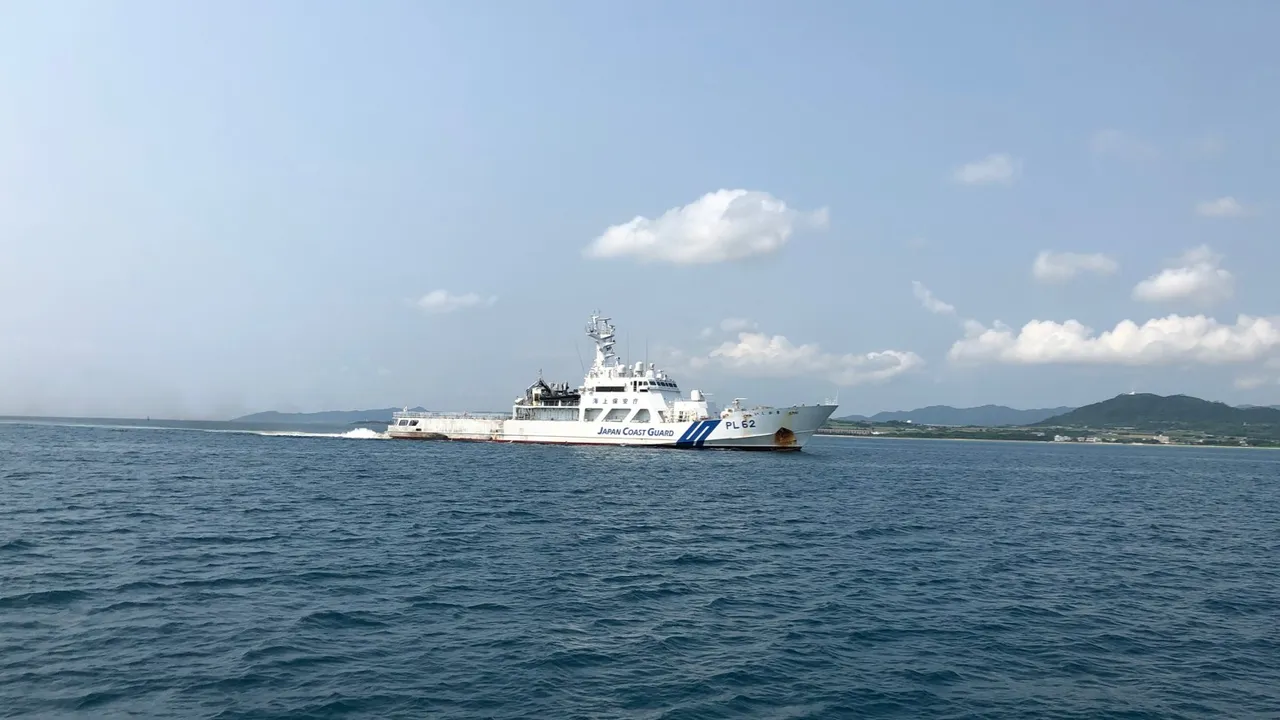
Chinese survey ship Kexue leaves Japan's EEZ off Ishigaki after coast guard warnings
Japan's coast guard says the Chinese research vessel Kexue left Japanese waters north of Ishigaki and Yonaguni after a week of unauthorised survey work, the 14th such case this year.
TaiwanDefence · 2h ago · 3 min read
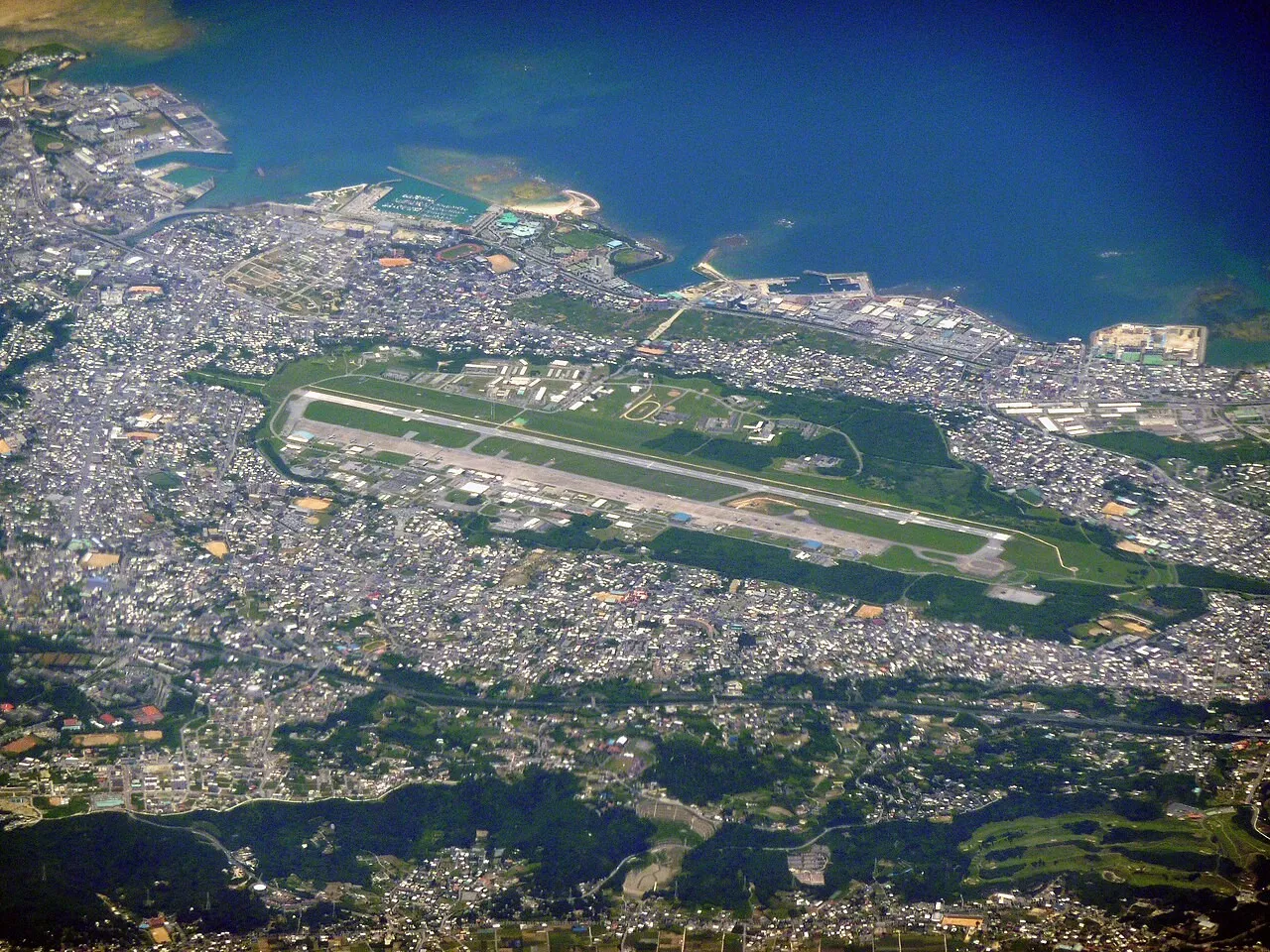
Japan's defence minister to meet Okinawa governor as Marine murder case strains US basing
Shinjiro Koizumi will meet Governor Genta Koja on Wednesday on preventing a repeat after a Futenma-based US Marine was arrested over the killing of a Naha woman.
TaiwanDefence · 4h ago · 3 min read
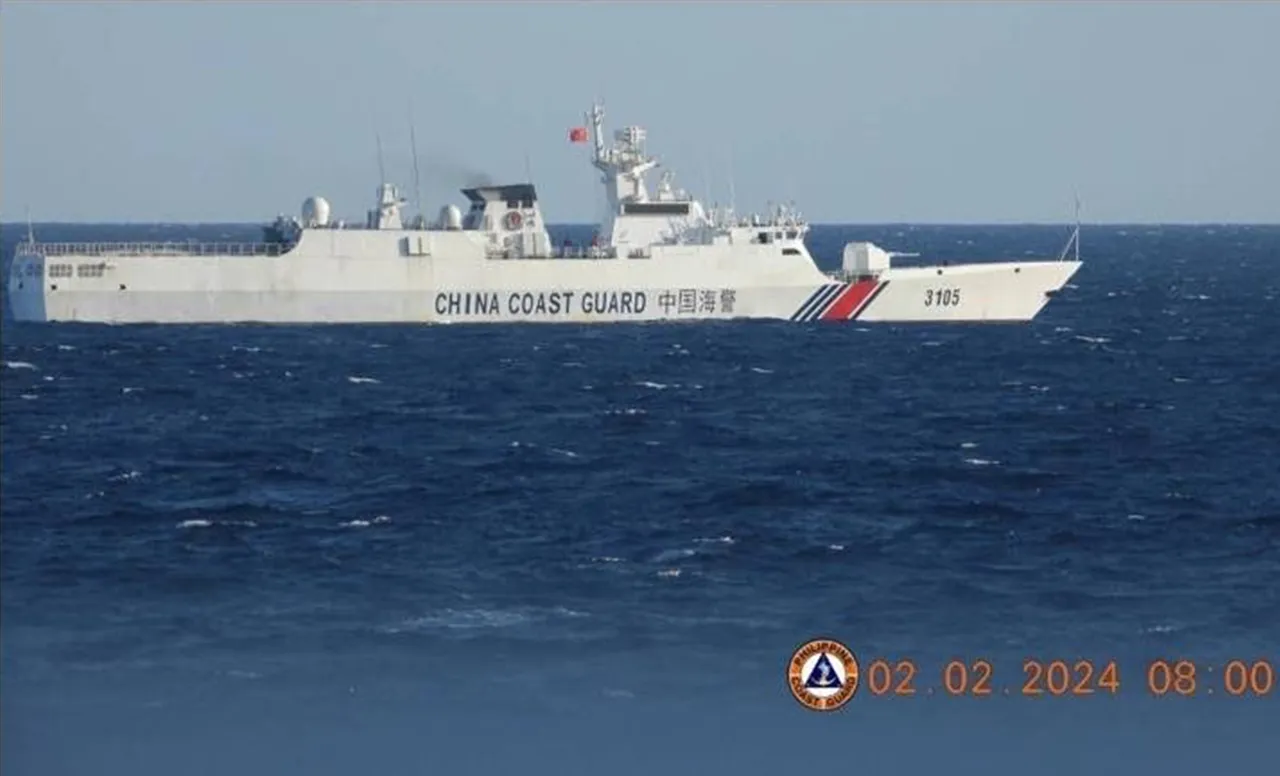
Philippine military's monthly tally of Chinese ships at disputed features nearly doubles to 101
The Philippine military said it monitored 101 Chinese navy and coast guard vessels at four West Philippine Sea features in September, up from 56 in August, with the sharpest rise at Pag-asa Island.
TaiwanDefence · 6h ago · 3 min read
Discussion (0)
Comments are not currently available.