US Army activates fourth multi-domain task force to target Indo-Pacific defences
The new long-range fires formation at Fort Carson will grow to about 2,100 soldiers and report to the Army's Pacific multi-domain headquarters.
TAIPEI —
The US Army has activated its fourth multi-domain task force, a long-range strike formation aligned to the Indo-Pacific whose job is to find and hit the air defences, radars and other networks an adversary would use to keep US and allied forces at a distance.
The 4th Multi-Domain Task Force was stood up at a ceremony on Founders Field at Fort Carson, Colorado, on Oct. 8, where Col. Hugh W.A. Jones assumed command. Jones previously led the 2nd Stryker Brigade of the 4th Infantry Division at Fort Carson. The unit has four battalions and is planned to reach about 2,100 soldiers.
According to the Army, the task force is designed to synchronise long-range precision fires and effects to deny, disrupt and disaggregate adversary capabilities, in particular anti-access and area-denial networks, and to create windows of advantage that other parts of the joint force can exploit. It will report directly to the 7th Infantry Division at Joint Base Lewis-McChord, Washington.
In June the Army merged the 7th Infantry Division with the 1st Multi-Domain Task Force to form the 7th Infantry Division (Multi-Domain Command-Pacific), an operational headquarters meant to integrate manoeuvre, fires, air defence, cyber, space, electronic warfare, intelligence, drones and logistics for the joint force across the Pacific.
Rockets and missiles at the core
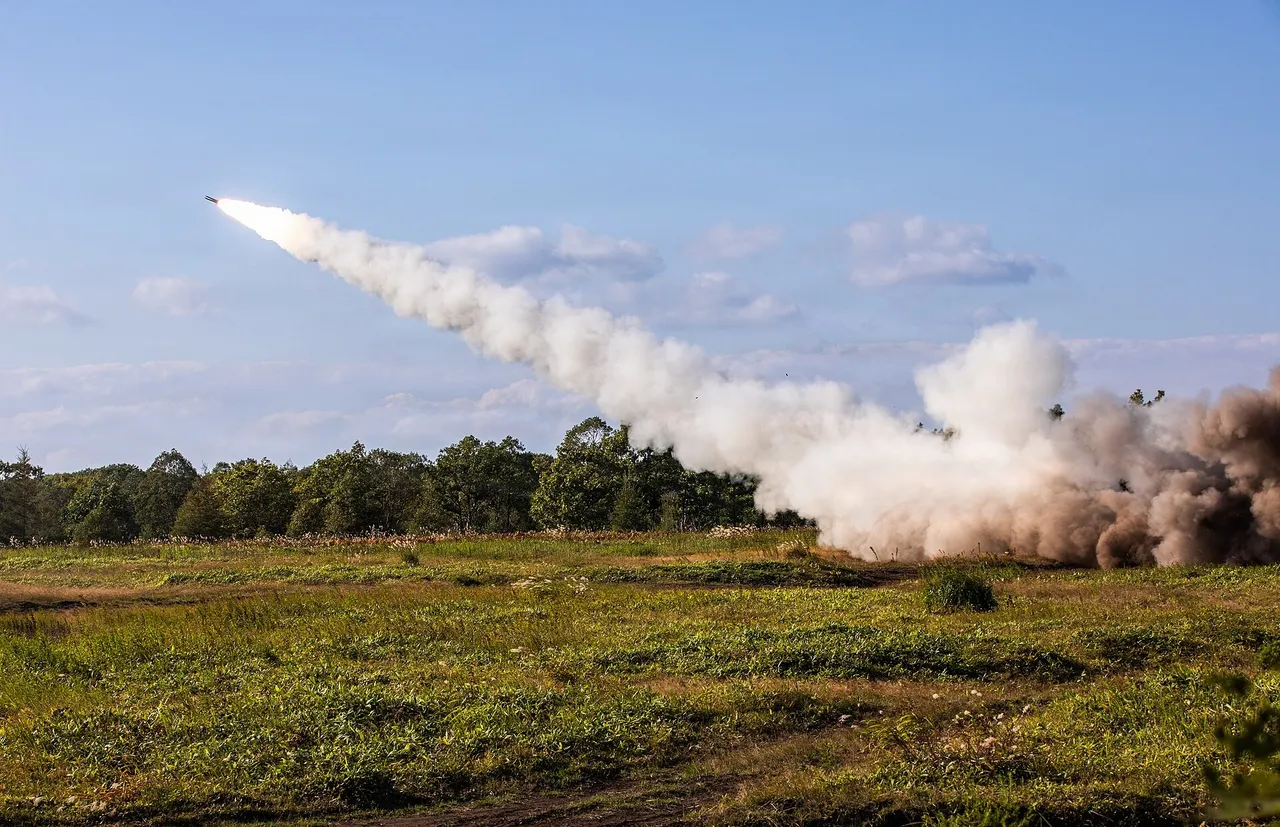
Soldiers at the ceremony described HIMARS rocket launchers as the kinetic arm of the new formation. A HIMARS crew member told local broadcaster KKTV that the systems let the unit reach deeper into enemy territory with rockets or missiles to clear out air defences and other high-value targets, and that HIMARS is now permanently stationed at Fort Carson for the first time.
Jones told the ceremony that the formation was being built to deter aggression and preserve peace, but that it had to be ready to fight and win if war came. Maj. Gen. Bernard Harrington, the 7th Infantry Division commander, told the soldiers they were part of the change needed to prevent conflict and keep the Pacific free and open alongside allies and partners.
The Army plans five multi-domain task forces by 2028, according to a Congressional Research Service report cited by Defense News. The 2nd was activated in Germany in 2021 and the 3rd in Hawaii in 2022, and a fifth is planned for Fort Bragg, North Carolina.
With two of the four existing task forces now tied to the Pacific headquarters, the activation adds another Army formation built around long-range rocket and missile fires to US planning for the region, where such units are intended to hold enemy ships, air defences and command nodes at risk.
Sources
More in Indo-Pacific
Philippine coast guard and marines drive Chinese militia ship and 22 boats from Kota Island
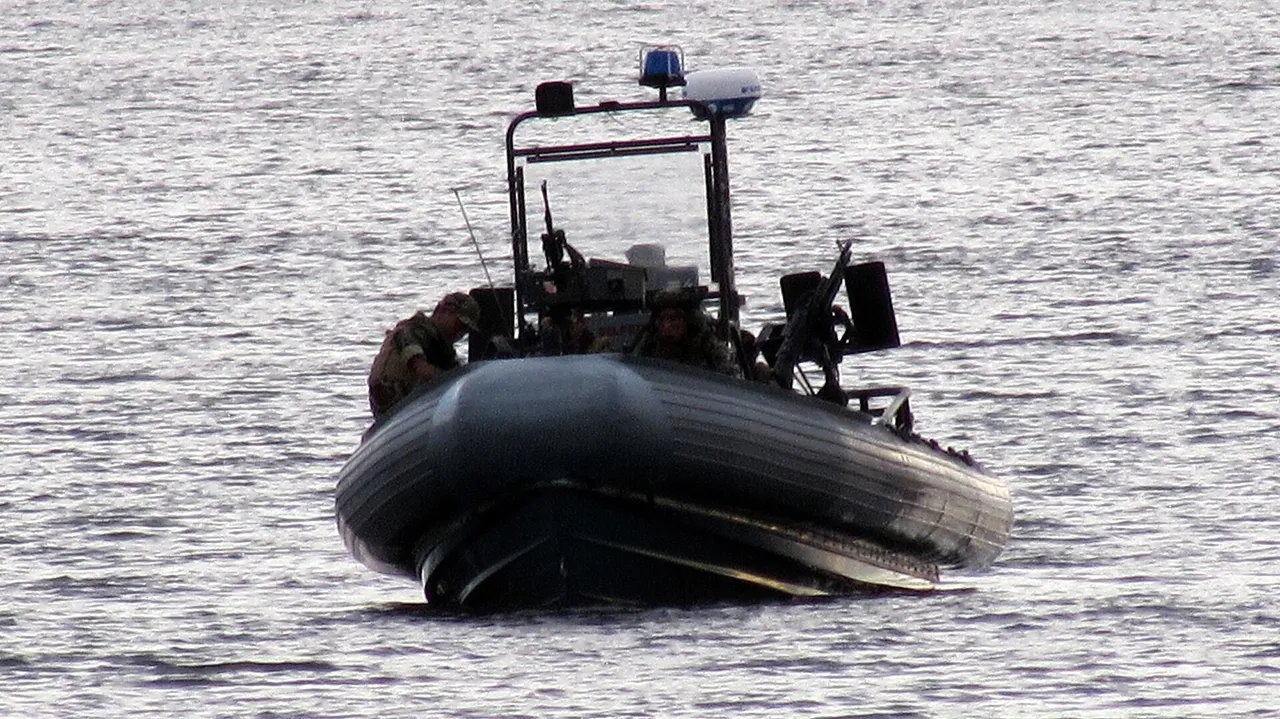
The same mothership brought 24 sampans to the Spratly island in late September; this time the boats came within 250 metres of shore and took two hours to clear.
TaiwanDefence · 54m ago · 2 min read
US and Philippine forces hold first joint air and missile defence planning exercise
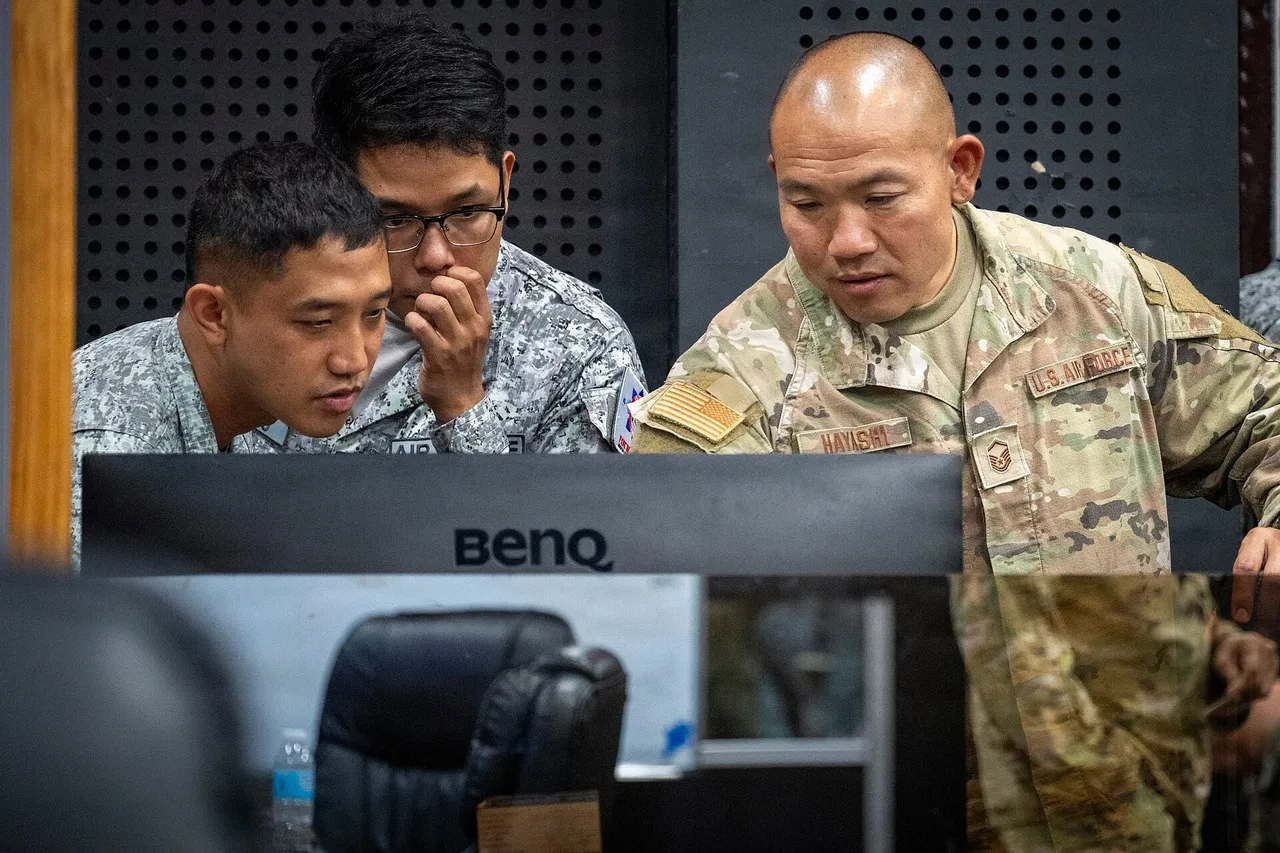
Planners at Fort Bliss modelled simultaneous cruise missile, drone and ballistic missile attacks on the Philippines and set up a framework for annual joint air defence planning.
TaiwanDefence · 2h ago · 2 min read
Okinawa assembly demands overhaul of US forces pact after Marine murder arrest
Okinawa lawmakers voted 45-2 for protest texts to Washington and Tokyo seeking changes to suspect-handover rules, as Japan's defence minister said US curfew steps showed serious intent.
TaiwanDefence · 4h ago · 3 min read
Discussion (0)
Comments are not currently available.