
US clears $300m sale of Tomahawk missile strike-planning systems to Australia
The package buys no new missiles but gives Canberra the planning centre it needs to build and send its own Tomahawk strike missions.
TAIPEI —
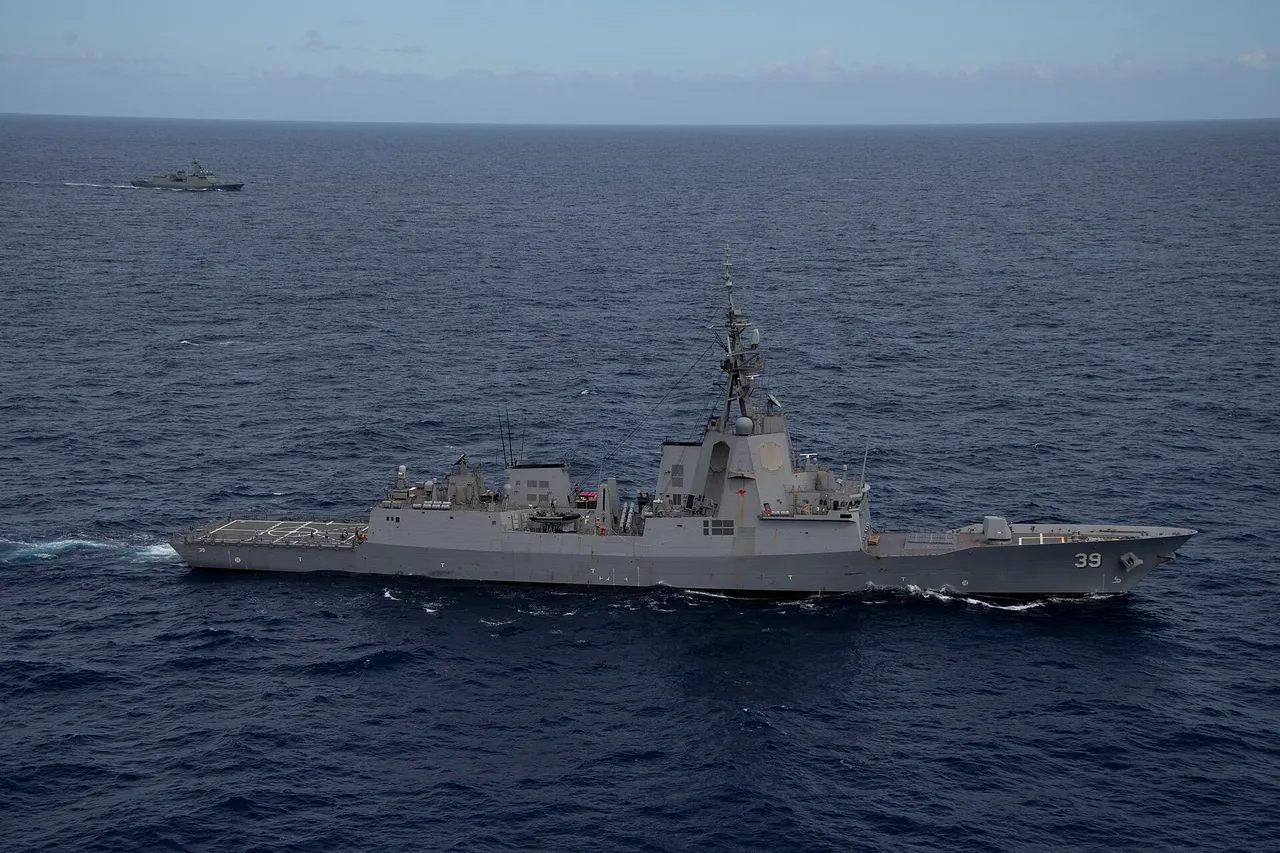
The US State Department has approved a possible $300 million sale to Australia of the systems needed to plan and launch Tomahawk cruise missile strikes. The notification, released on 8 October, covers a Theater Mission Planning Center and its communications systems, a Mission Planning System for that centre, and the programme management, engineering, training and logistics services needed to develop and deliver it.
The package contains no missiles, and the notice does not give quantities or a delivery schedule, Defense War Room reported, noting that the case was sent to Congress as transmittal 26-103. Approval does not mean a contract has been signed; the terms and timeline will be set only if Canberra moves ahead with a formal offer.
Turning missiles into missions
A Tomahawk does not fly straight to its target. Before launch, planners build a route with waypoints over land and sea, terrain and navigation data and an aim point, and the planning centre is the system the US Navy uses to prepare that data, manage strikes and send mission packages to firing ships and submarines. Defense War Room described the centre as one of three parts of the Tomahawk weapon system, alongside the missile itself and the launch control system aboard the firing ship.
The State Department said the sale would improve Australia's ability to meet current and future threats by enhancing its Tomahawk capability, strengthening its ability to deter regional threats and improving its homeland defence, and would deepen its interoperability with US maritime forces. It said the sale would not alter the basic military balance in the region and would not require any additional US government or contractor staff in Australia.
The principal contractors are BAE Systems in San Diego, Boeing subsidiary Tapestry Solutions in St Louis, Peraton in San Jose and Leidos in Virginia Beach.
Third Tomahawk case for Canberra
The approval is Australia's third Tomahawk-related US notification since March 2023, when Washington cleared up to 200 Block V and 20 Block IV missiles for an estimated $895 million. A $250 million case for weapon system support services followed in January 2024. Australia has committed about A$1.3 billion to buy more than 200 missiles, and the destroyer HMAS Brisbane fired one off California in December 2024, making Australia the third Tomahawk operator after the United States and Britain.
Canberra plans to carry the missile, which it says can reach up to 2,500 kilometres, on its Hobart-class destroyers, the Virginia-class nuclear-powered submarines it is due to receive under the AUKUS pact from the early 2030s and possibly its future Hunter-class frigates. HMAS Hobart left dock in August after an upgrade that adds the combat system software needed for Tomahawk alongside the SM-6 and Naval Strike Missile, Defense War Room reported. It said the planning centre would give the region a further allied strike node alongside Japan, which is buying up to 400 Tomahawks.
Sources
More in Indo-Pacific
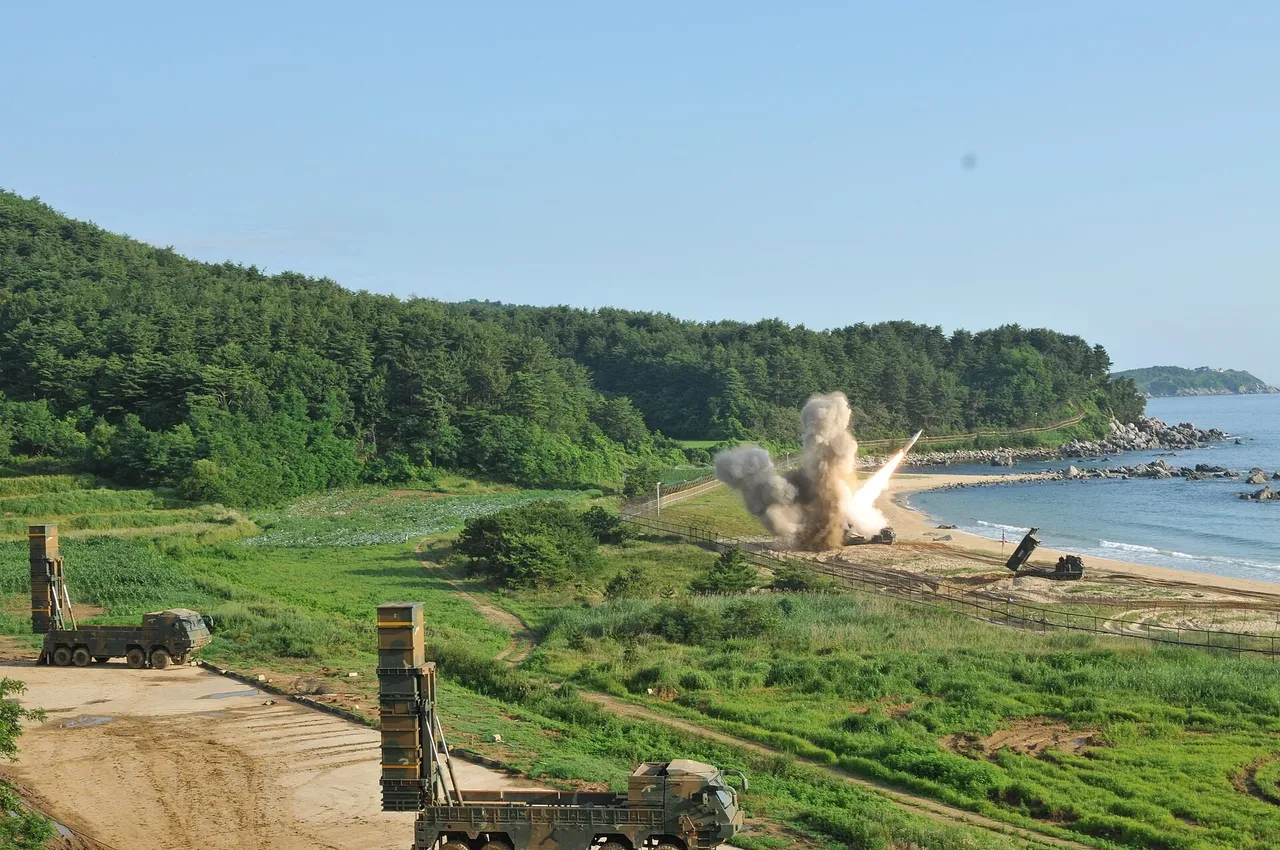
South Korea's military test-fires its first homegrown hypersonic glide missile
President Lee Jae Myung watched the defence weapons test, which Seoul says proved heat-resistant materials, guidance and low-altitude manoeuvring after two North Korean missile launches.
TaiwanDefence · 10h ago · 3 min read
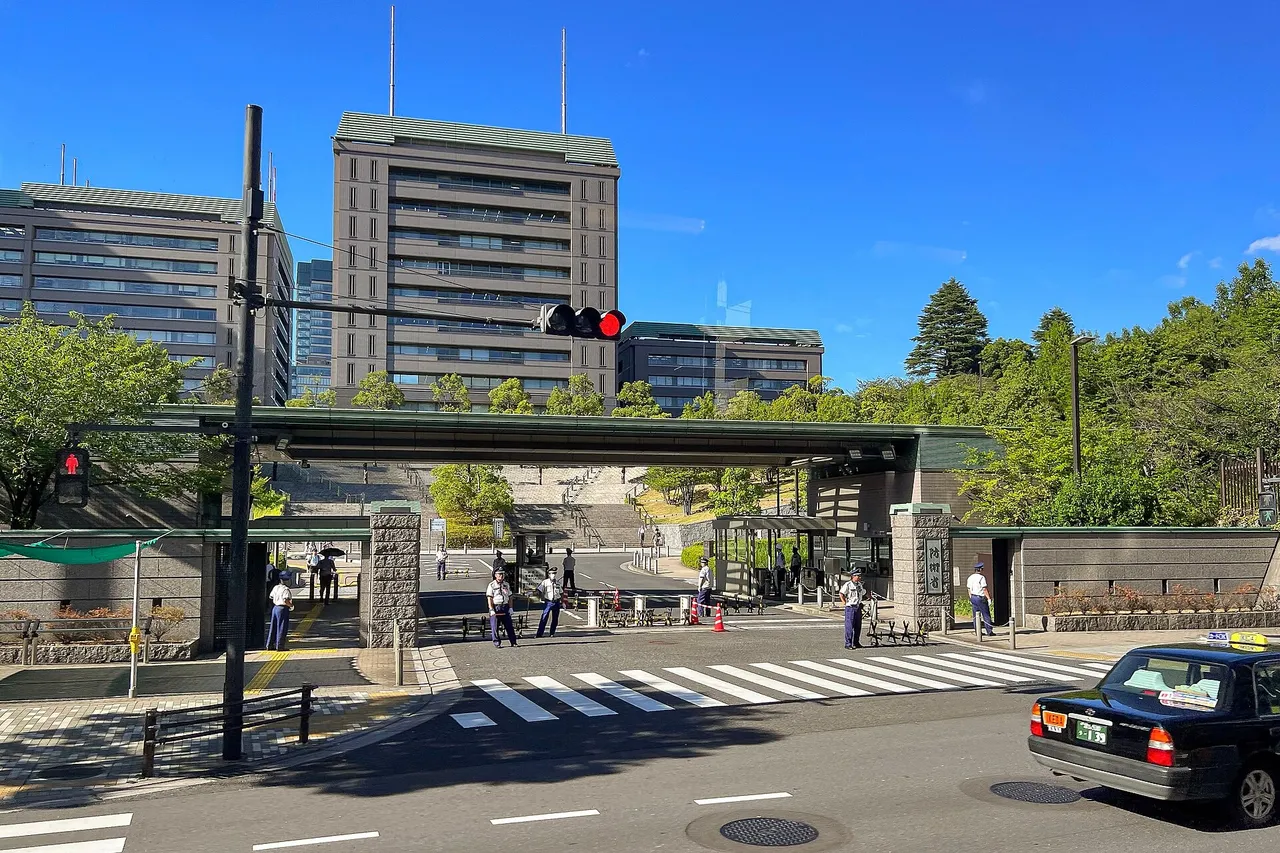
South Korean vice defence minister makes first Japan visit in 16 years
Lee Doo-hee's Tokyo talks with Atsushi Ando reaffirmed bilateral and trilateral coordination against North Korean missiles and named AI and unmanned systems as areas for defence exchanges.
TaiwanDefence · 13h ago · 2 min read
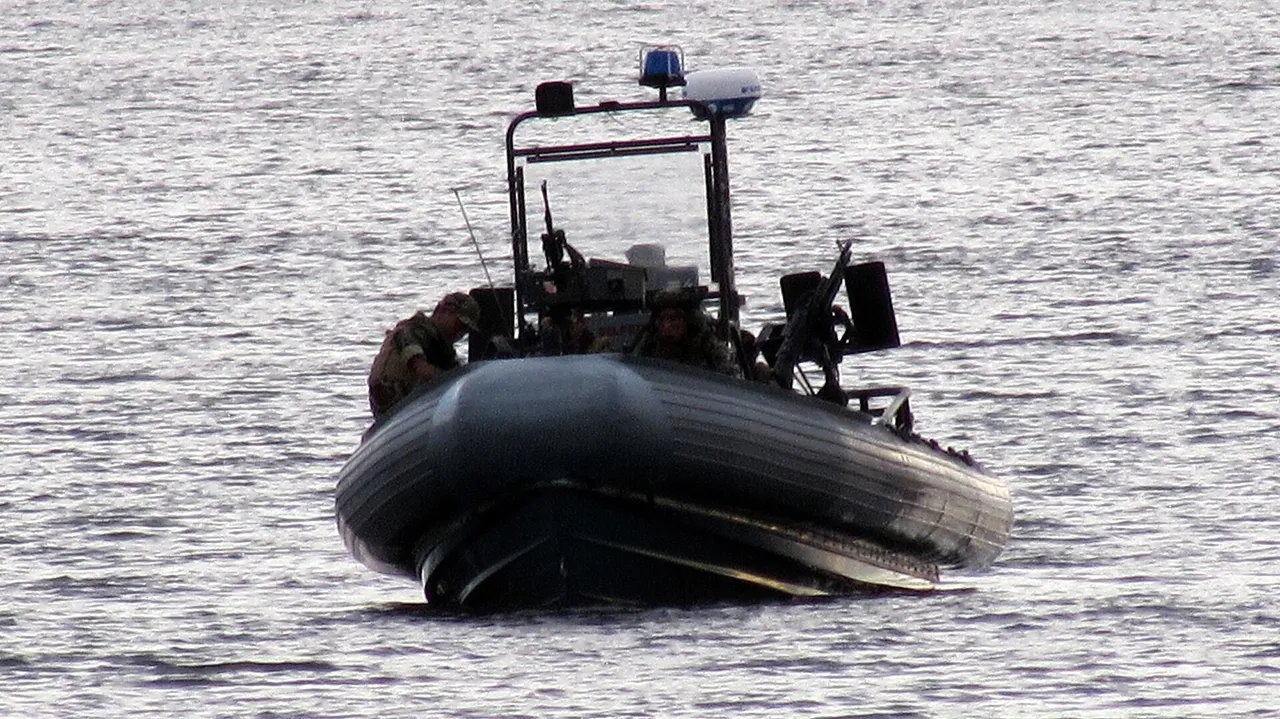
Philippine coast guard and marines drive Chinese militia ship and 22 boats from Kota Island
The same mothership brought 24 sampans to the Spratly island in late September; this time the boats came within 250 metres of shore and took two hours to clear.
TaiwanDefence · 14h ago · 2 min read
Discussion (0)
Comments are not currently available.