
US Space Command blocks New Zealand from releasing details of its Auckland space-tracking hub
The Pentagon-funded hub has tracked Chinese military satellite launches, and the wider network it belongs to has supported US combat operations against Iran.
TAIPEI —
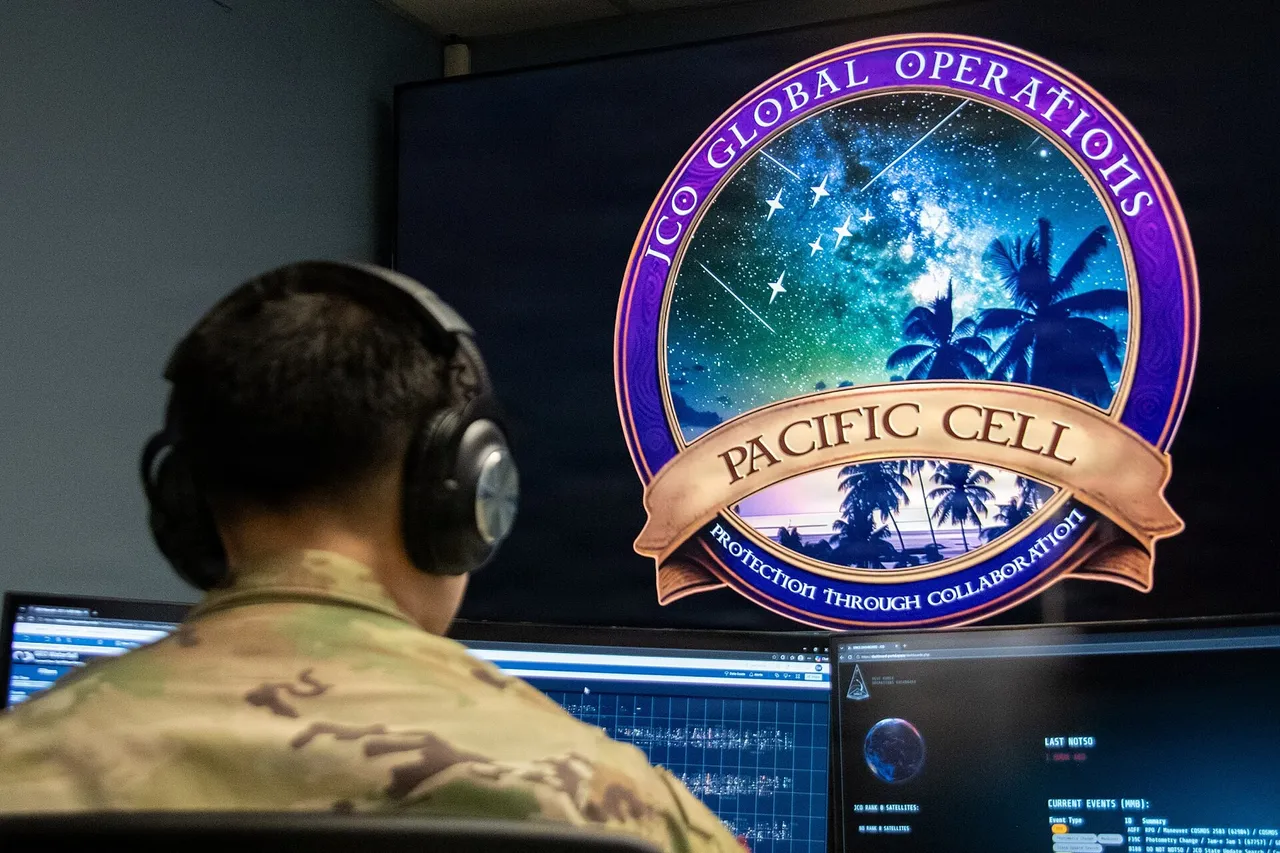
US Space Command has told the New Zealand Defence Force not to release details of what a Pentagon-funded space surveillance hub in Auckland has been doing, according to Radio New Zealand. The broadcaster reported on 25 October that the defence force turned down its Official Information Act request after receiving advice from the American command, and suggested it try the US Freedom of Information Act instead.
The Auckland site is one of three global hubs in the Joint Commercial Operations network, which the Pentagon set up in 2020 to bring commercial tracking data on rockets, satellites and debris into US Space Command. Auckland coordinates the Pacific third of the globe, while the other two hubs are in Britain and the United States. SatNews reported that the cell is located at Royal New Zealand Air Force Base Auckland.
The New Zealand Defence Force told RNZ that it keeps sovereignty over the hub, but that it does not have the authority to release the network's documents on its own. RNZ had asked for activity notices from March to September and for two years of activity reports. The defence force said US Space Command's position had not changed when it checked again, and the command has not explained why it blocked the release.
Earlier releases show what the hub watches. Notices from February, released under the same law to another requester, showed that Auckland coordinated tracking of launches of Chinese military satellites and of a Russian launch carrying two Iranian satellites for weather and television broadcasting. A report in April said that adding Starlink satellites to the network's commercial sources had led to a significant increase in successful tracking of Chinese and Russian launches.
The network has also moved closer to combat support. Barbara Golf, whom RNZ described as the head of the network, told a conference in Hawaii last month that US Central Command asked the Space Force to widen its monitoring of the electromagnetic spectrum when Operation Epic Fury against Iran began on 28 February. She said the network did so quickly, using the data to find sources of electronic attack, such as Iranian jammers that could disrupt drones, and that it plans to extend that work to all six US geographic combatant commands within a year.
RNZ asked whether the Auckland hub had any part in the Iran operations, and the defence force did not say. It had earlier denied that the hub had expanded into electromagnetic monitoring, and it said any change to its role would need approval from the New Zealand government. The defence force has nonetheless trained network operators in Japan as part of the Pacific cell.
New Zealand set up the Pacific cell in 2023 at Washington's invitation, presenting it as a space safety and security mission. RNZ reported that the arrangement costs New Zealand little beyond a few staff, because the United States pays for all of the commercial sensor data, worth about 50 million dollars a year across the network.
The dispute shows how a small ally's role in space tracking can become tied to American military operations without its own government being able to say so in public. For the Indo-Pacific, the Auckland cell matters because it covers the Pacific third of the globe and has already tracked Chinese military launches, while the limits on disclosure leave the New Zealand public with little view of how that work is used.
Sources
More in Indo-Pacific
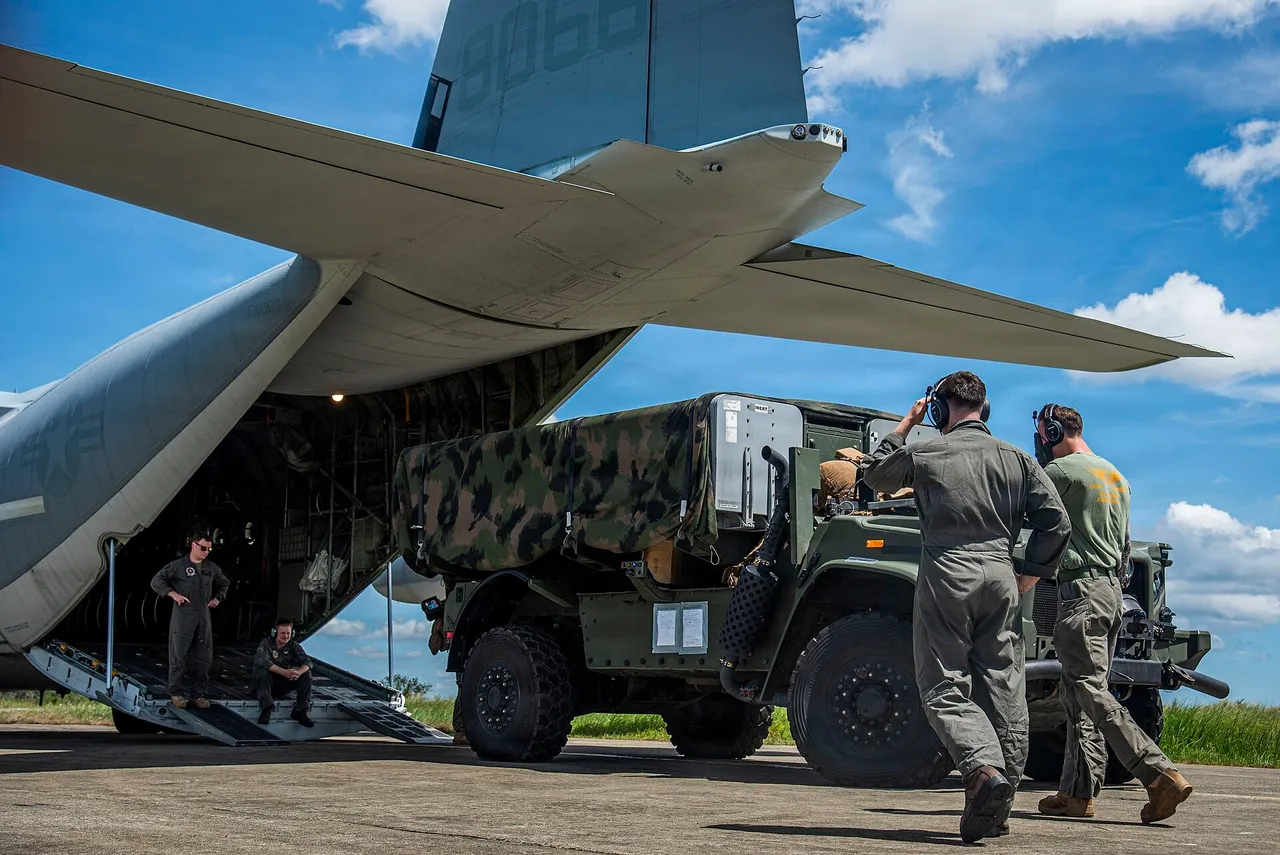
Philippine foreign ministry says Manila has no cable-protection arrangement with Taiwan
The statement walks back a Filipino diplomat's talk in Washington of deeper work with Taipei on undersea cables and grey-zone pressure near the Bashi Channel.
TaiwanDefence · 30m ago · 3 min read
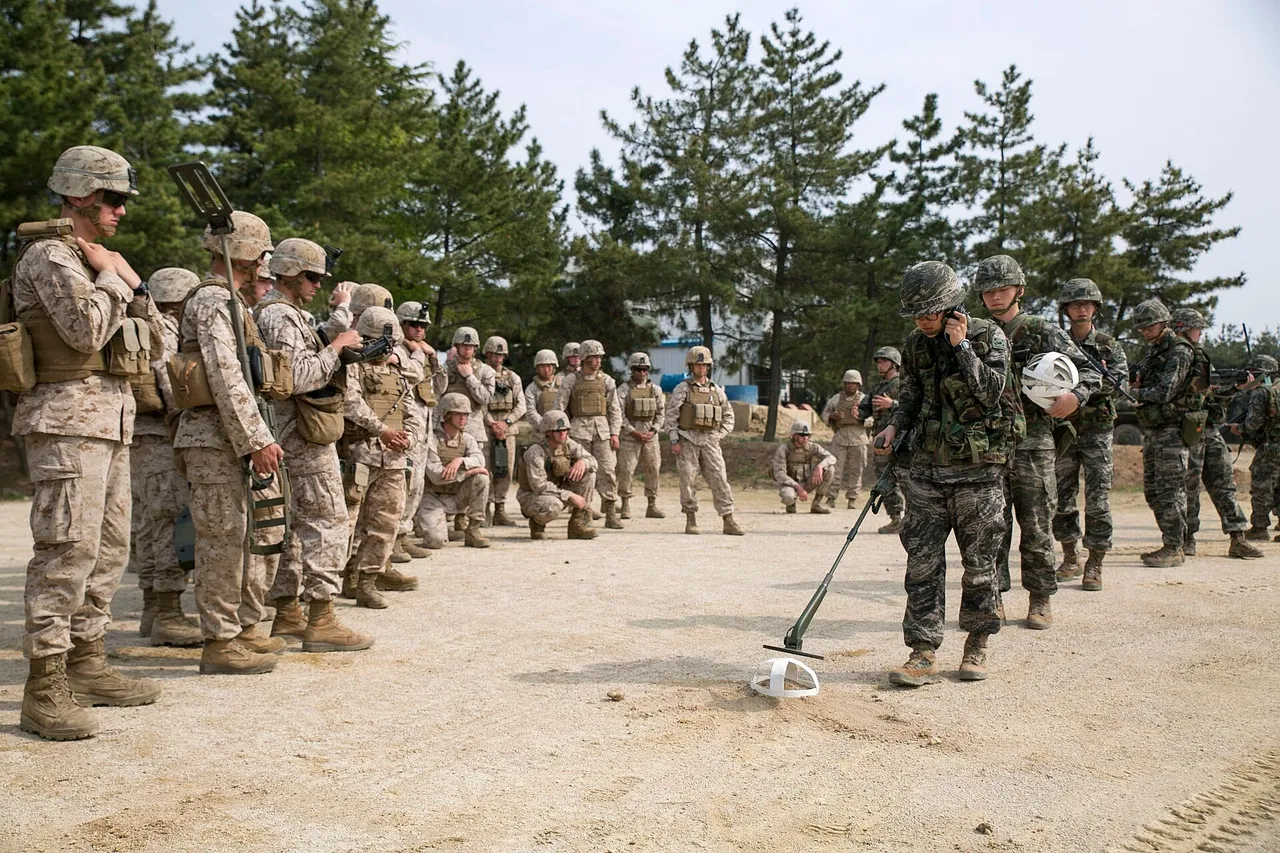
South Korea plans to ease proof rules for troops maimed by unidentified mines near the DMZ
The defence ministry is reviewing law changes after a Marine officer who lost a foot to a TNT mine was denied combat-wound status because no fragments were found.
TaiwanDefence · 2h ago · 3 min read
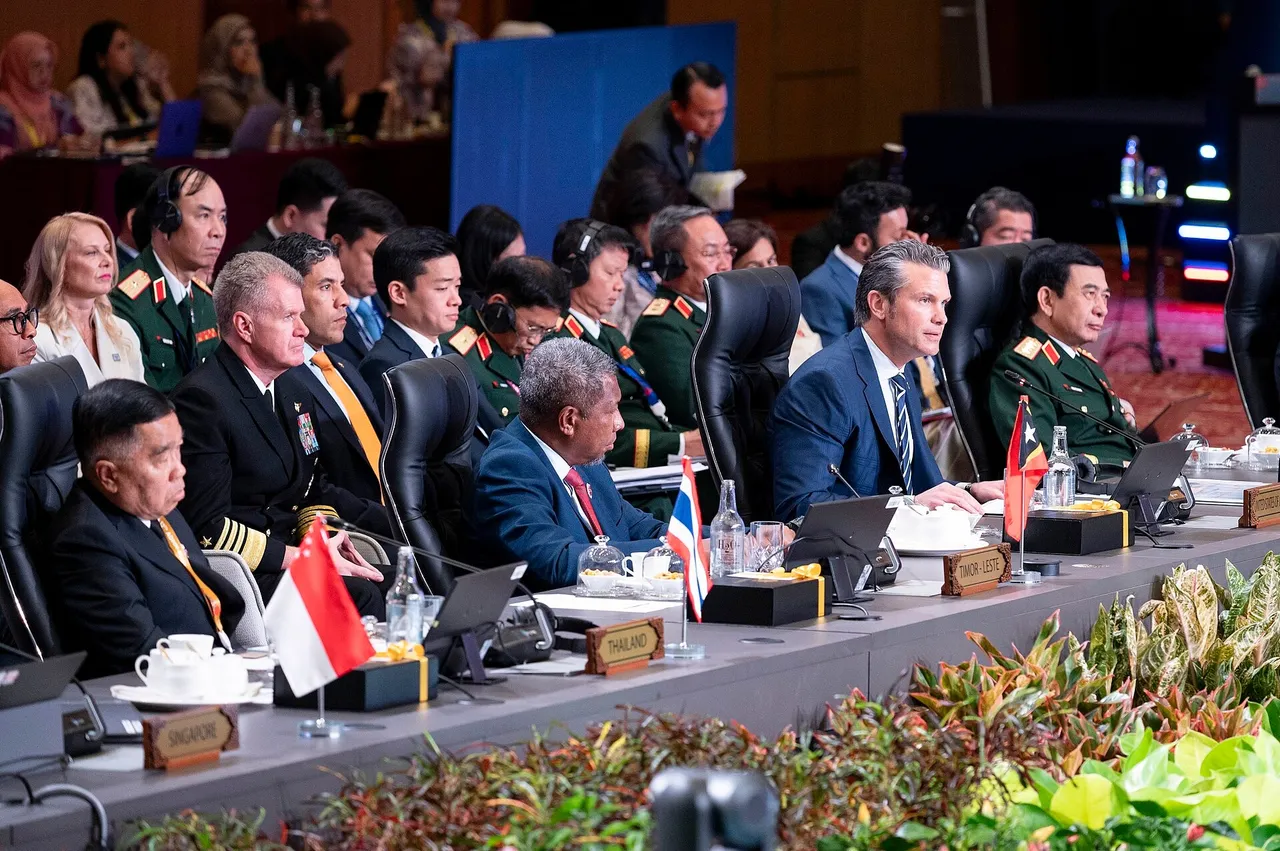
Philippines deploys 3,670 personnel and a no-fly zone for ASEAN defence ministers in Cebu
Manila hosts the 20th ADMM and 13th ADMM-Plus from 26 October, with the South China Sea and undersea cables on the agenda and China's attendance left unclear.
TaiwanDefence · 3h ago · 2 min read
Discussion (0)
Comments are not currently available.