
Philippine foreign ministry says Manila has no cable-protection arrangement with Taiwan
The statement walks back a Filipino diplomat's talk in Washington of deeper work with Taipei on undersea cables and grey-zone pressure near the Bashi Channel.
TAIPEI —
The Philippine Department of Foreign Affairs said on Monday, 26 October, that the Philippines has no cooperative arrangement with Taiwan covering subsea cables or any other critical undersea infrastructure. The department issued the statement to reporters who had asked about remarks made by one of its own diplomats in Washington last week, Philstar and the Manila Times reported.
The department also restated Manila's adherence to its longstanding One China Policy, a position it had already set out in a statement on 22 October. That policy rests on the 1975 joint communique between the Philippines and China, under which Manila recognises the People's Republic of China as the sole legal government of China, according to the Manila Times.
The remarks at issue came from Felipe Cariño III, deputy chief of mission at the Philippine embassy in Washington, at a seminar hosted by the Center for a New American Security on 21 October. According to reports of the event, he said Manila and Taipei were exploring deeper cooperation on protecting undersea cables through knowledge sharing and capacity building, and that the work could help address grey-zone problems around the Bashi Channel, the waterway between southern Taiwan and the Batanes islands. Asked about joint patrols or holding ships accountable for cable damage, he said he had no details.
The foreign ministry gave a different account of the discussion. It said the seminar had focused on protecting critical undersea infrastructure through stronger public-private cooperation, particularly in repairing and recovering damaged infrastructure, and that grey-zone cooperation with Taiwan was not mentioned. It added that protecting these networks requires effort from every party that benefits from them.
The think tank described the event on Facebook as a look at subsea cables as an overlooked Pacific vulnerability that is increasingly targeted by Chinese grey-zone activity, the Manila Times reported. Its panel included Andrea Yang, deputy representative at the Taipei Economic and Cultural Representative Office in Washington, and the think tank's chief executive, Richard Fontaine.
Beijing had reacted quickly to the original remarks. In a statement a day after the seminar, Chinese foreign ministry spokesperson Mao Ning said the Philippines should strictly follow what Beijing calls the one-China principle through real actions, Philstar reported. That is the Chinese government's stated position rather than an independent assessment of the cable discussions.
The waters involved matter to both governments. The Luzon Strait, a passage roughly 250 kilometres wide that links the Philippine Sea with the South China Sea, carries 18 submarine cables according to an analysis this month by the Asia Pacific Network Information Centre, which Philstar cited. The Batanes chain spans most of the strait, and its northernmost island, Mavulis, lies about 140 kilometres from Taiwan's southern tip. Politiko noted that a Taiwan-Philippines-United States cable system already lands at Claveria in Cagayan province, separate from any government security arrangement.
Concern about the corridor has risen in recent weeks. In September, the Philippine Coast Guard accused the Chinese research vessel Jia Hai Ke 7 of spoofing its location while holding position about 38 nautical miles northwest of Itbayat in Batanes. The coast guard said the ship's movements were worrying for the security of the country's undersea communications and because of the possible military use of the data it gathered.
The clarification narrows what Manila is willing to say in public without settling how far practical contacts go. The department did not describe any technical or commercial contacts with Taiwan on cable repair, and neither government has announced an agreement, a timetable or a joint body. The reports reviewed for this article did not include a response from Taipei to the denial.
Sources
More in Indo-Pacific
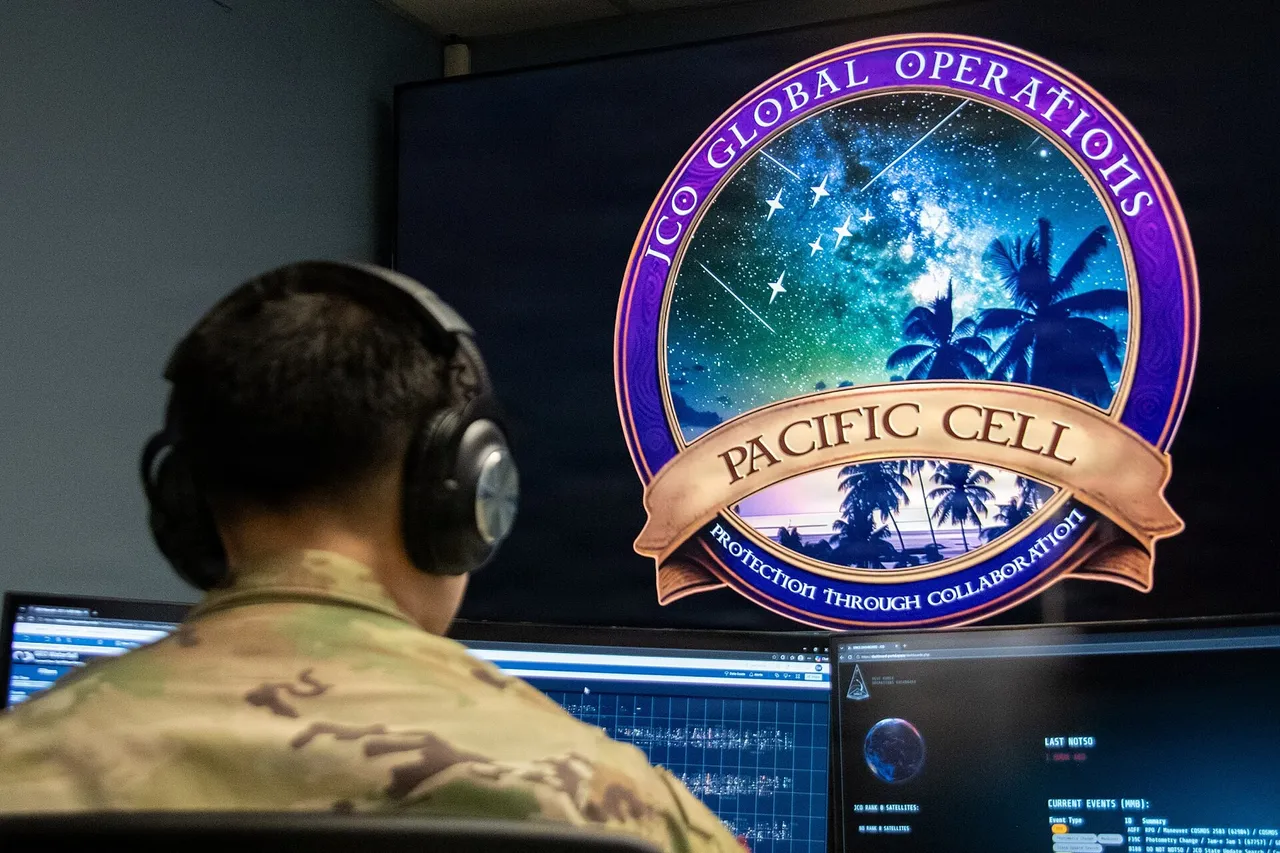
US Space Command blocks New Zealand from releasing details of its Auckland space-tracking hub
The Pentagon-funded hub has tracked Chinese military satellite launches, and the wider network it belongs to has supported US combat operations against Iran.
TaiwanDefence · 2h ago · 3 min read
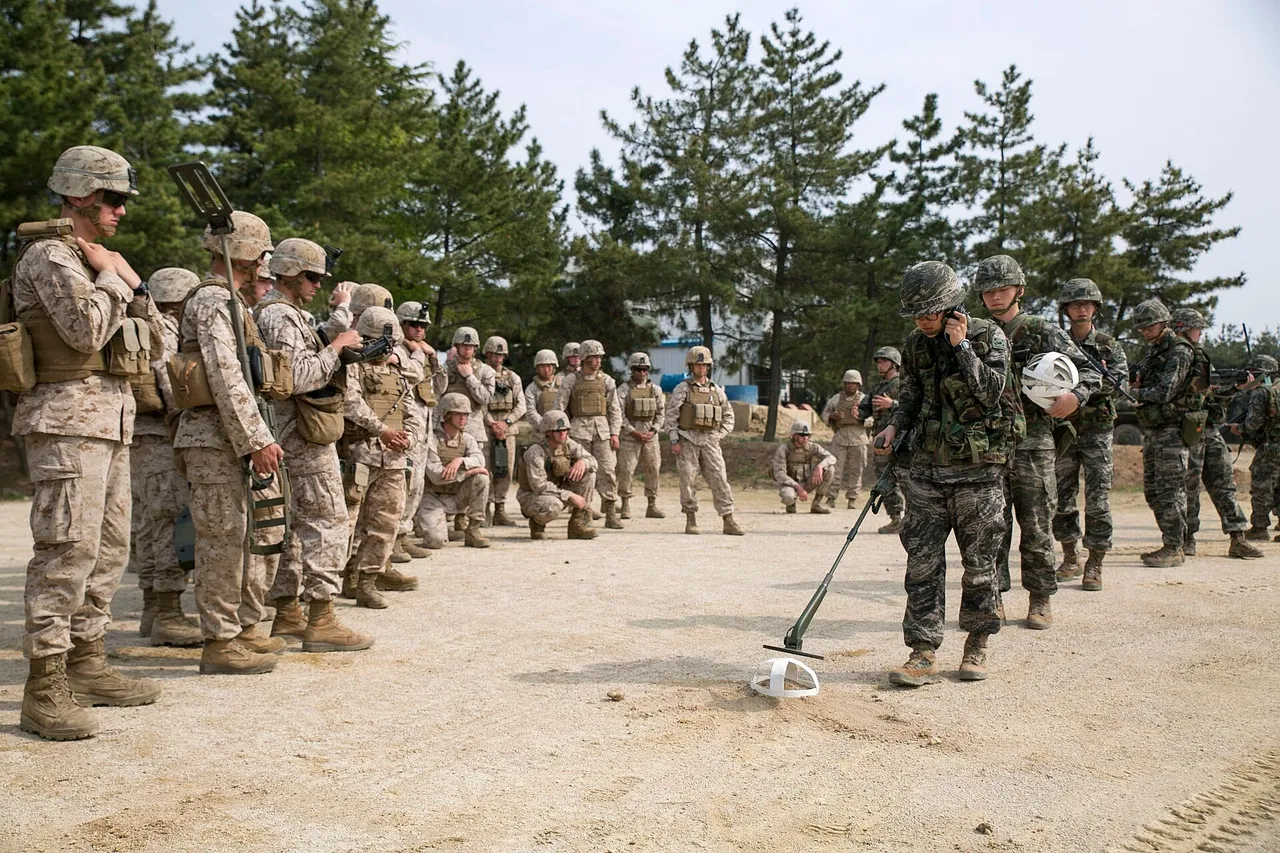
South Korea plans to ease proof rules for troops maimed by unidentified mines near the DMZ
The defence ministry is reviewing law changes after a Marine officer who lost a foot to a TNT mine was denied combat-wound status because no fragments were found.
TaiwanDefence · 3h ago · 3 min read
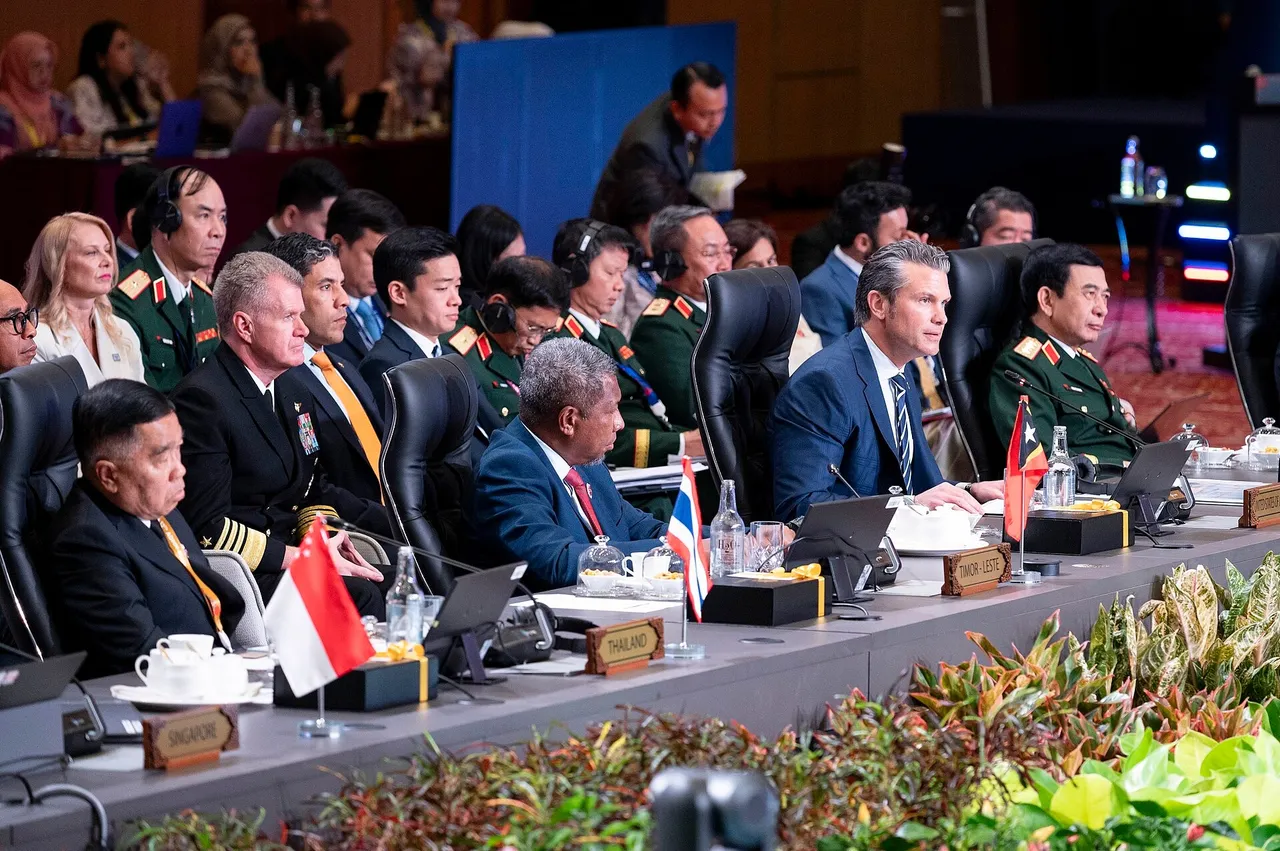
Philippines deploys 3,670 personnel and a no-fly zone for ASEAN defence ministers in Cebu
Manila hosts the 20th ADMM and 13th ADMM-Plus from 26 October, with the South China Sea and undersea cables on the agenda and China's attendance left unclear.
TaiwanDefence · 4h ago · 2 min read
Discussion (0)
Comments are not currently available.