
Taiwan's maritime council says an AI coast guard drone swarm has passed a 20-aircraft simulation
A council-funded university team has flown two simulated swarms of mixed vertical-take-off drones together and now plans hardware tests and flights at sea.
TAIPEI —
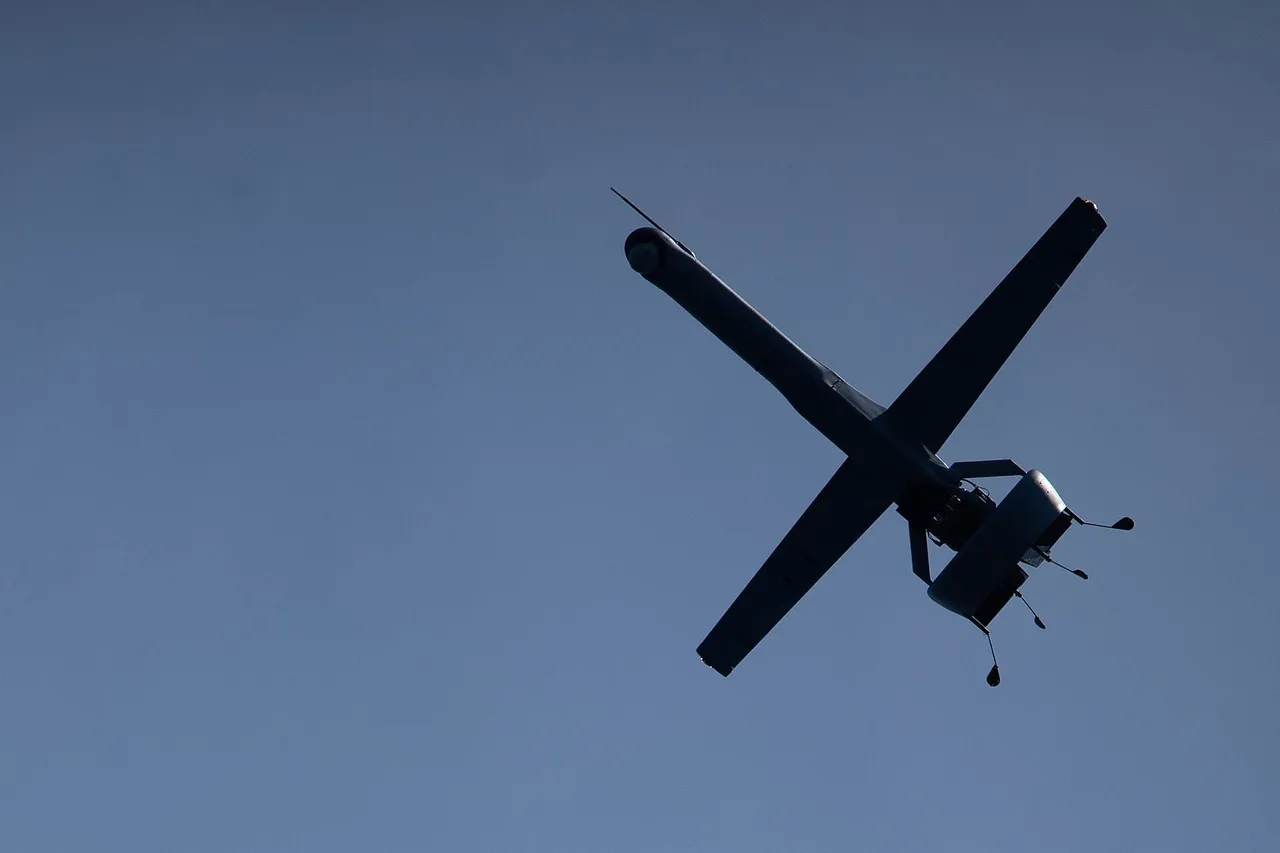
Taiwan's Ocean Affairs Council, which oversees the Coast Guard Administration, said on Monday, 26 October, that a research project it funds has completed a synchronised flight simulation of two drone swarms totalling 20 aircraft. The council presented the result as a step toward patrols that combine ships with groups of unmanned aircraft working together, the Liberty Times, the China Times and the defence ministry's Youth Daily News reported.
The work is being carried out by a team from the Department of Aeronautics and Astronautics at National Cheng Kung University in Tainan. The project covers artificial intelligence mission planning for mixed fleets of fixed-wing drones that can take off and land vertically, and it is meant to support what the council calls a three-dimensional coast guard, in which surface patrols are backed by aircraft overhead.
According to the council, the team modelled three commercially available vertical take-off designs: the JUMP 20, the V-BAT and the Flexrotor. It built three-dimensional models of each airframe, analysed their aerodynamic parameters and ran six-degree-of-freedom flight simulations, producing flight-behaviour and control models that let the system assign tasks according to the strengths of each type.
The control software relies on multi-agent reinforcement learning, a form of machine learning in which several agents learn to act together. The council said this allows the drones to form up much like a flock of geese, sharing out tasks, planning routes and coordinating with one another on their own. The team added leader-follower formation control and dynamic obstacle avoidance so the swarm can change course when conditions shift or obstacles appear.
To prevent collisions within the swarm, the algorithm enforces three-dimensional spacing between aircraft and a minimum vertical separation of 100 feet, or about 30 metres. The council described the simulation as a shift from controlling single aircraft to coordinating several fleets at once.
The next stages are hardware-in-the-loop testing, integration of prototype aircraft and flight trials over the sea, which the council said will check whether the system works reliably in different sea conditions. The reports did not give a timetable, a budget, or say whether the coast guard intends to buy any of the three aircraft types.
The council linked the project to the pressures on its patrol fleet. It said traditional sea patrols cover wide areas in changeable weather and depend heavily on crews and ships, and that law enforcement needs and grey-zone harassment are driving its push for air cover. It also said recent regional conflicts show drone use moving from single aircraft to coordinated swarms of mixed types. In the council's view, the system could act as the eyes of coast guard crews, improve maritime defence and rescue work, and strengthen whole-of-society defence resilience.
Sources
More in Industry
South Korea's defence ministry spent 1.1 billion won on drone events marred by crashes and rule breaches
Ministry data given to lawmaker Yu Yong-weon show five years of drone showcase spending as Seoul plans a 19 per cent rise in drone and counter-drone funding for 2027.
TaiwanDefence · 6h ago · 3 min read
Poland offers Vietnam Krab howitzers, Rosomak carriers and coastal defence radars
A Polish deputy minister says state arms group PGZ is in talks with Hanoi on armour, artillery, ammunition and coastal defence, with first contracts targeted for December.
TaiwanDefence · 8h ago · 2 min read
Restaurants and pharmacies win South Korean military supply tenders as brokers, MBC finds
An MBC review of 5,200 tenders over five years found unrelated businesses winning army and navy contracts and passing the work on for a fee, with faulty gear reported.
TaiwanDefence · 11h ago · 2 min read
Discussion (0)
Comments are not currently available.