Germany warms to joining GCAP fighter programme as Japan guards its 2035 timeline
Berlin welcomed Britain's offer to bring it into the Japan-UK-Italy fighter project, but Tokyo wants any new partner to leave the 2035 service date intact.
TAIPEI —
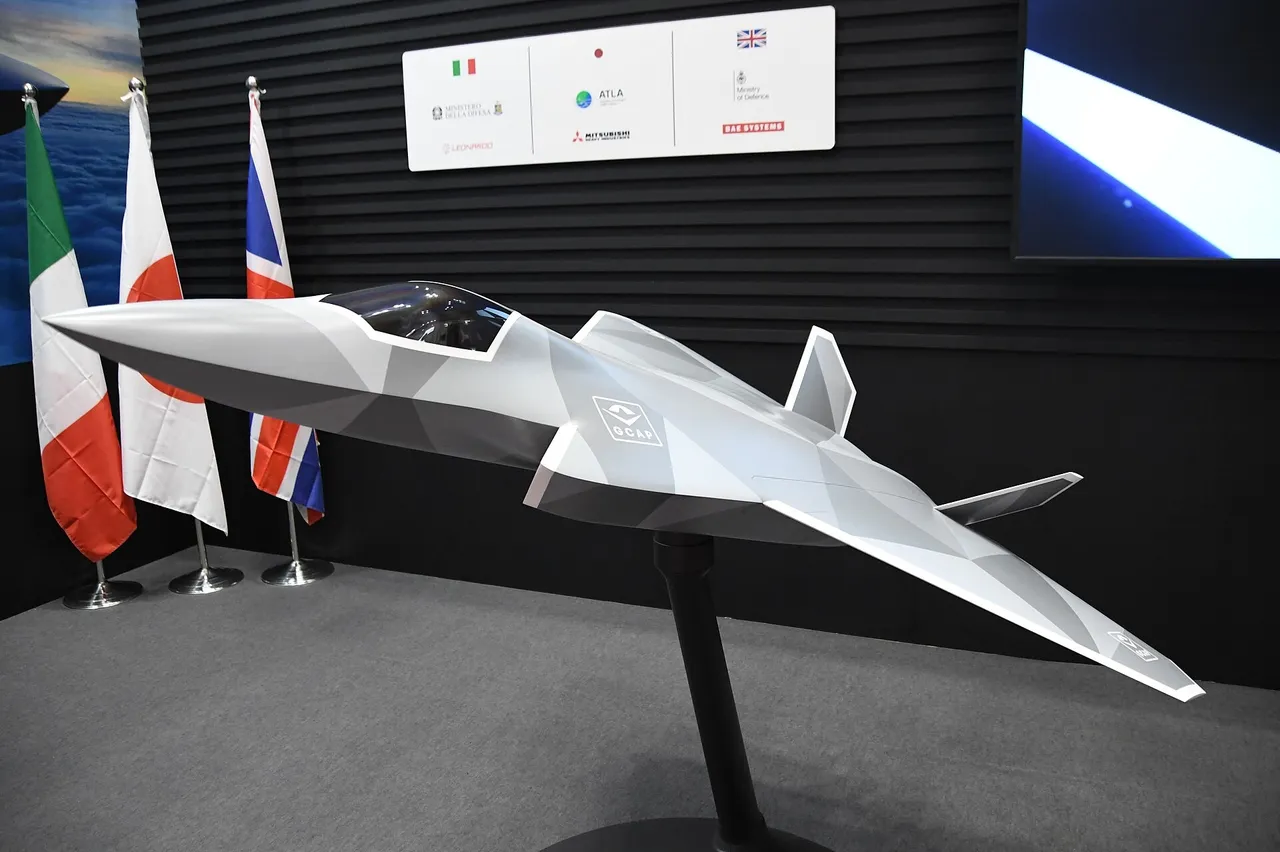
Germany has welcomed a British offer to join the Global Combat Air Programme (GCAP), the next-generation fighter project Japan is building with the United Kingdom and Italy, while Japan signalled that any expansion must not put the programme's timeline at risk, the Japan Times reported on Saturday. Steffen Meyer, the German government's first deputy spokesperson, told a regular news conference in Berlin on Friday that Germany viewed British Prime Minister Andy Burnham's position very favourably, but said Berlin still intends to pursue a European route to a next-generation fighter and will assert its national interests in the discussions.
Burnham raised the idea on Thursday at a joint press conference in Berlin with Chancellor Friedrich Merz, where the two leaders ratified a bilateral security and defence treaty. He said he had told Merz of Britain's openness to Germany joining GCAP and that London would seek to progress the idea in the coming period together with Italy and Japan.
A senior German official quoted by Politico Europe cautioned that the step was neither a decision nor a preliminary decision. The official said Germany was at a very early stage of reassessing its options, was exploring every avenue, and that Merz favours a European solution over Germany acting alone.
Why Berlin is looking
Germany had partnered with France and Spain on the Future Combat Air System (FCAS), a rival next-generation fighter effort that collapsed this summer amid industrial disputes. German officials said at the time that they were weighing a new project led by Airbus or a move into GCAP. Germany already builds the Eurofighter Typhoon with Britain and Italy, and some defence experts regard its growing military budget as making it a suitable partner.
GCAP took on its first new participant in July, when Canada joined as an observer, a status that gives Ottawa access to briefings and classified data and could lead to a deeper role later. Saudi Arabia has long been described as another interested country. Aviation Week reported that it is still unclear whether Germany would have to sign the GCAP treaty or would first become an observer like Canada.
Tokyo's concern is the schedule
For Japan, the priority is timing. The new fighter is meant to replace Japan's F-2 fleet, which is due to start retiring in the middle of the next decade, as well as British and Italian Typhoons, and Tokyo is focused on the 2035 target given the security threat it sees from China. Japanese Defence Minister Shinjiro Koizumi declined on Friday to say whether Germany had asked to join, but said GCAP was set up with cooperation among allies and partners in mind and that Japan would coordinate with Britain and Italy on any third-country cooperation so that the programme becomes even better.
Industry leaders sounded similar notes on 9 October at the opening in Turin of the first global engineering site of Edgewing, the joint venture leading the aircraft's development. Chief executive Marco Zoff said the venture could take on extra industrial partners without undue delay, but that governments would have to accept trade-offs, and that none of the three partner countries would let the schedule slip. Leonardo chief executive Lorenzo Mariani told Aviation Week that German participation would be industrially beneficial in the long term but disruptive in the short term, and Japan's ambassador to Italy, Ono Hikariko, said the programme must deliver on its targeted timeline.
A key milestone, a system requirements review expected at the end of 2027, is due to fix the aircraft's external shape before detailed design begins, and BAE Systems and Leonardo have warned that the window for adding partners is closing. The programme has secured about 6 billion euros in contracts this year, and Edgewing plans a second global site in Nagoya in early 2027. The fighter is planned to fly alongside uncrewed loyal wingman aircraft linked by a combat cloud network.
Sources
More in Industry
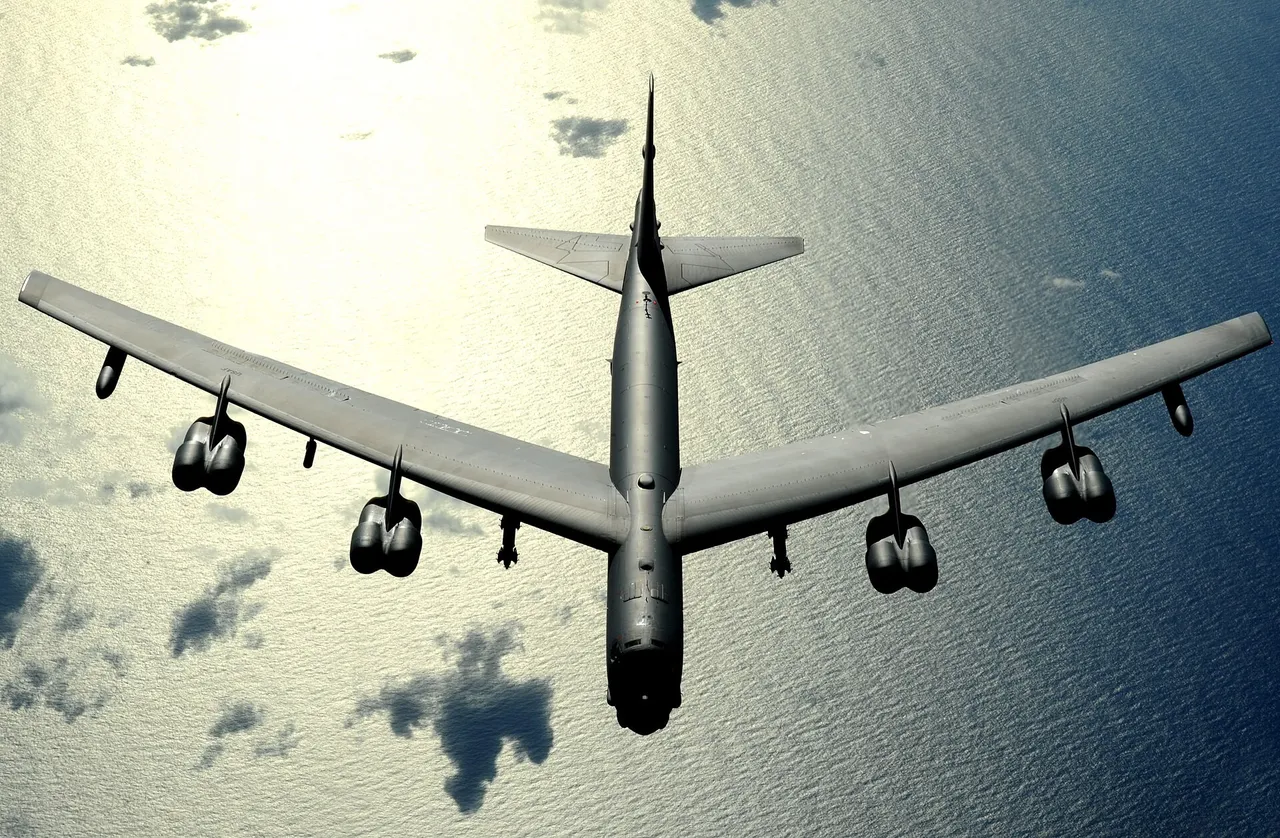
US Navy moves to arm B-52 bombers with stealthy LRASM anti-ship missiles
A sole-source notice to Lockheed Martin revives a stalled plan that analysts say would make US bombers a key threat to Chinese warships in a Taiwan war.
TaiwanDefence · 4h ago · 2 min read
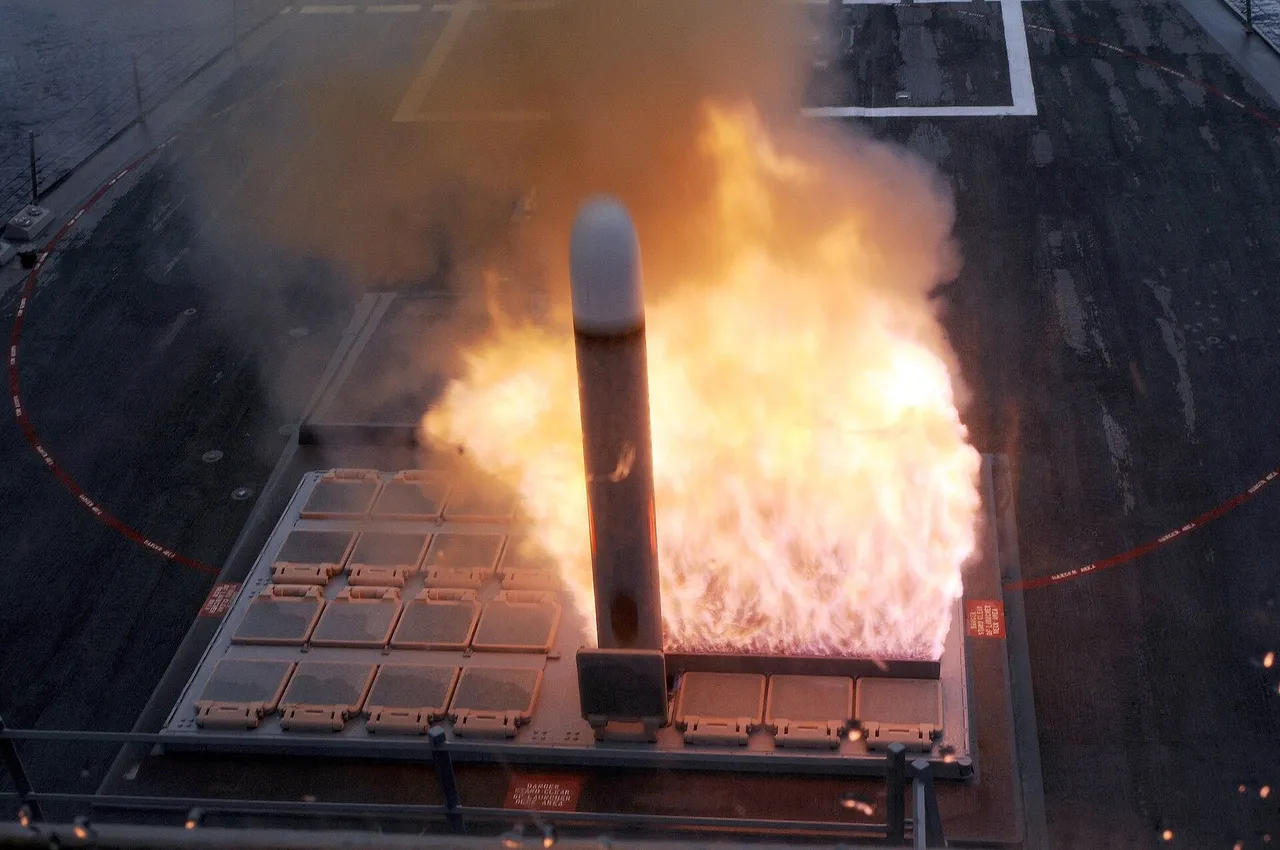
US Navy moves Tomahawk's bunker-busting JMEWS warhead into production with Raytheon
A sole-source notice moves the two-stage warhead for the Tomahawk Block Vb out of development, as the Navy rebuilds a cruise missile stockpile drawn down by the Iran campaign.
TaiwanDefence · 5h ago · 2 min read
Lockheed unveils PAC-3 Edge, a longer-range Patriot interceptor aimed at hypersonic threats
The US Army Future Interceptor entry is due to start testing in 2027 and deploy by 2031, building on the PAC-3 MSE that Taiwan is buying.
TaiwanDefence · 6h ago · 2 min read
Discussion (0)
Comments are not currently available.