
India and Malaysia open sixth Harimau Shakti army drills in Ipoh with drones and counter-terrorism in focus
Some 120 troops from each army will train in jungle and semi-urban terrain until 30 November, adding drone reconnaissance and counter-drone drills.

TAIPEI —
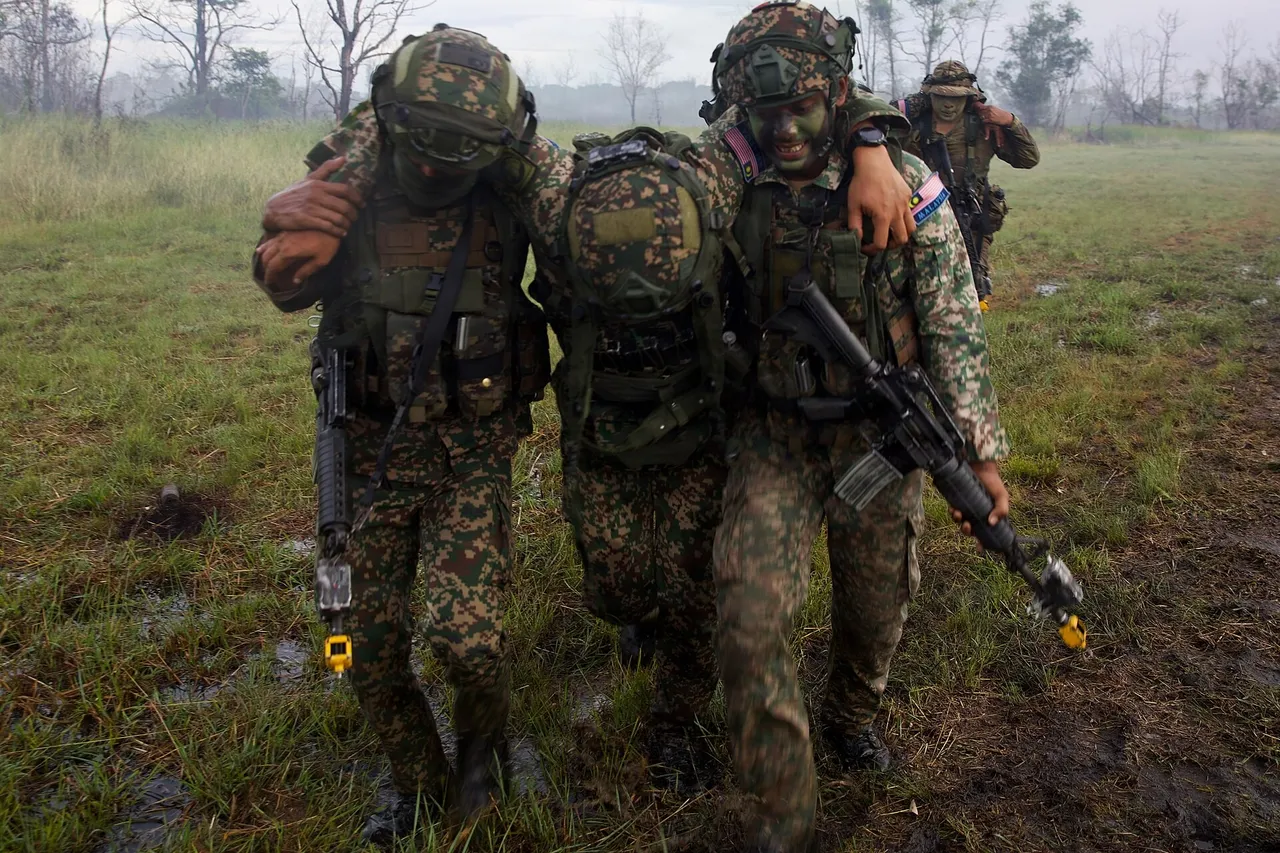
India and Malaysia began the sixth edition of their bilateral army exercise, Harimau Shakti, in Ipoh, Malaysia, on 19 November, India's Ministry of Defence said. The drills are scheduled to run until 30 November, and each country has sent a contingent of 120 personnel.
The exercise is held alternately in India and Malaysia. According to the ministry, its aim is to rehearse sub-conventional operations under Chapter VII of the United Nations mandate, with particular emphasis on coordinating the two armies' responses during counter-terrorism operations.
Chapter VII of the UN Charter covers threats to the peace, breaches of the peace and acts of aggression, and allows the Security Council to authorise measures up to and including military action, TFIPOST noted in its report on the opening of the drills.
Drones and counter-drone training
A major part of this year's programme is the integrated use of unmanned aerial systems for reconnaissance and surveillance, the ministry said. Troops from both sides will also practise counter-drone techniques intended to detect and neutralise hostile unmanned aircraft.
TFIPOST said the addition of drone and counter-drone work reflects how aerial surveillance has become central to giving ground commanders a clearer picture of the battlefield, while counter-drone systems add a layer of protection against threats from the air.
Jungle and semi-urban terrain
The training is focused on coordinated operations in jungle and semi-urban terrain, combining joint planning, tactical coordination and the use of emerging technologies. It is being run in progressive phases, starting with cross-training and familiarisation with each other's operating procedures before moving on to joint tactical drills.
Planned activities include setting up a Joint Command Post and Surveillance Centre, counter-terrorism operations, raids, cordon-and-search operations and combat engineering drills, DD India and The Pioneer reported, citing the defence ministry.
The exercise is due to end with a joint validation exercise built around a simulated counter-terrorism scenario. That final phase will bring together coordinated ground operations, integrated surveillance and the employment of unmanned systems. TFIPOST said the scenario is meant to let the two armies practise operating as a single integrated force.
From the Rajasthan desert to Malaysia
The previous, fifth edition took place in the deserts of Rajasthan in December 2025. All India Radio reported at the time that the troops rehearsed securing helipads and carrying out casualty evacuation during counter-terrorist operations, under the same UN Chapter VII framework. That edition was scheduled to run until 18 December 2025, the broadcaster said.
India's defence ministry said the current exercise will give the two armies a chance to exchange best practices in tactics, techniques and procedures and to build interoperability and mutual understanding. It added that the drills are expected to strengthen defence cooperation and military relations between India and Malaysia and to contribute to regional peace and stability.
Sources
More in Indo-Pacific
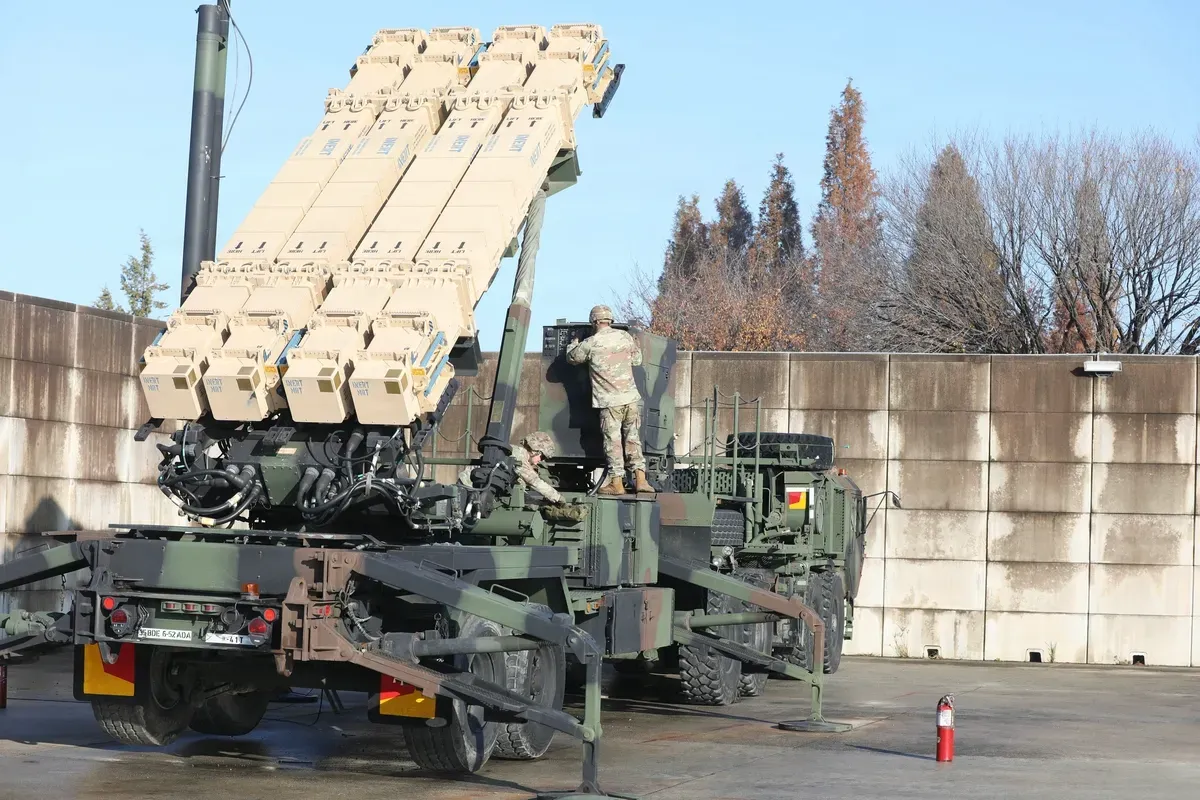
US Army Patriot battery in South Korea becomes the first to certify on the IBCS air defence network
Eighth Army says Delta Battery has completed IBCS certification, letting its radars and launchers spread out, with more Patriot batteries due within weeks.
TaiwanDefence · 5h ago · 3 min read
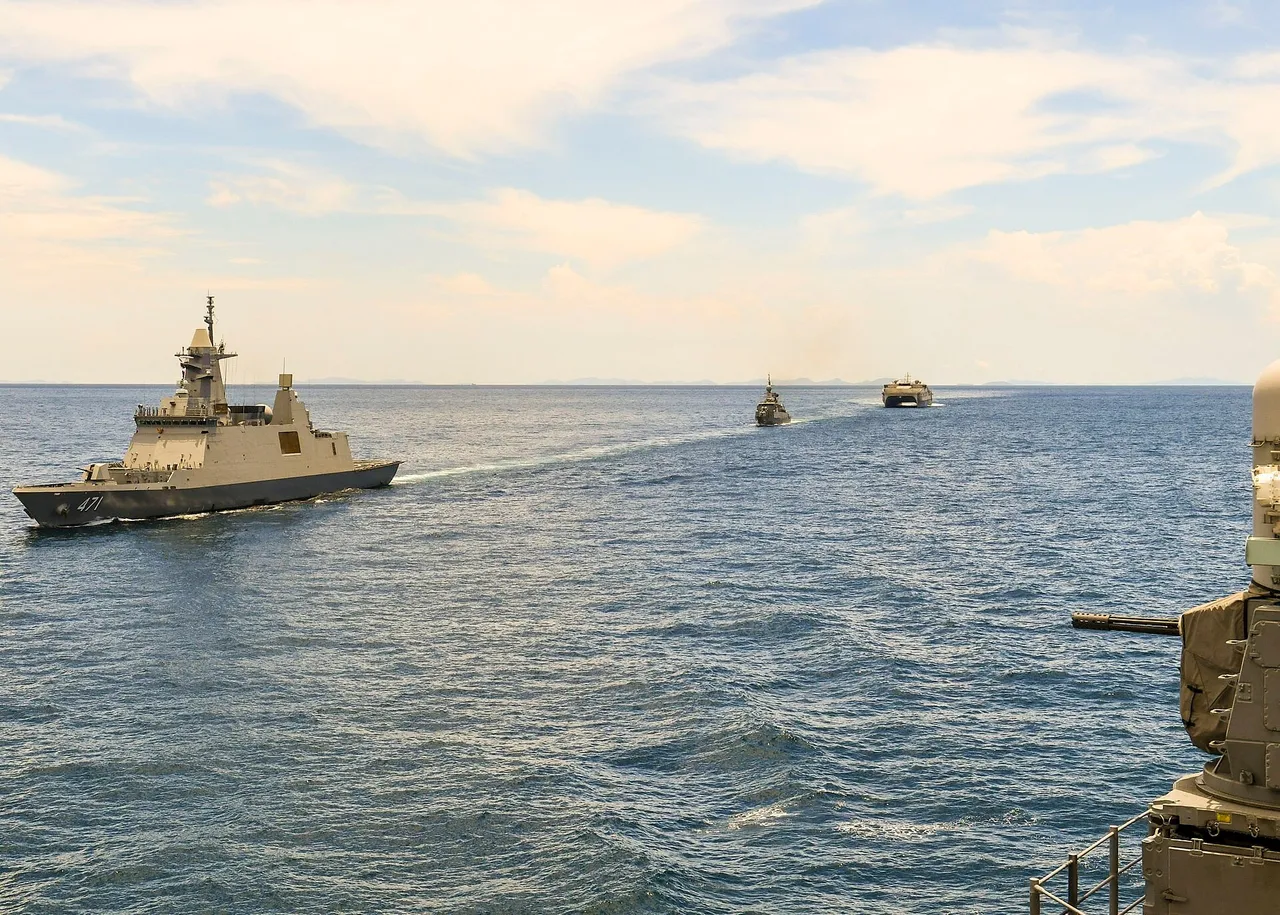
Thailand's navy scraps its Hanwha frigate award and restarts the tender over a flawed bid rule
A Finance Ministry appeals ruling forces the Royal Thai Navy to rerun its 17 billion baht frigate tender; Hanwha Ocean can bid again and has gone to the ombudsman.
TaiwanDefence · 9h ago · 3 min read
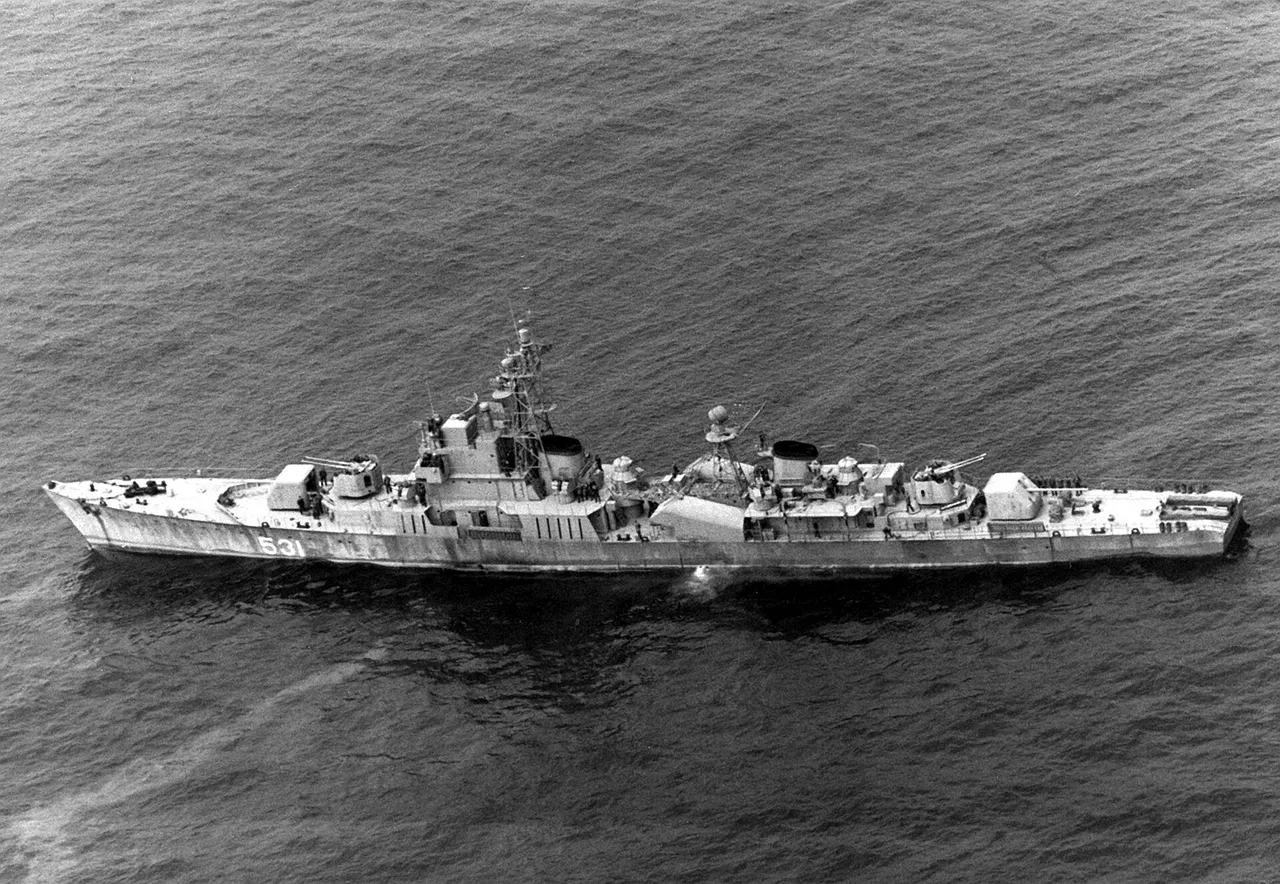
Kim Jong Un calls a powerful navy North Korea's first strategic task on a naval university visit
Kim's 18 November tour of the Kim Jong Suk Naval University follows his warship, shipyard and naval base visits, pointing to a push to train crews for a growing fleet.
TaiwanDefence · 11h ago · 2 min read
Discussion (0)
Comments are not currently available.