
US Army Patriot battery in South Korea becomes the first to certify on the IBCS air defence network
Eighth Army says Delta Battery has completed IBCS certification, letting its radars and launchers spread out, with more Patriot batteries due within weeks.
TAIPEI —
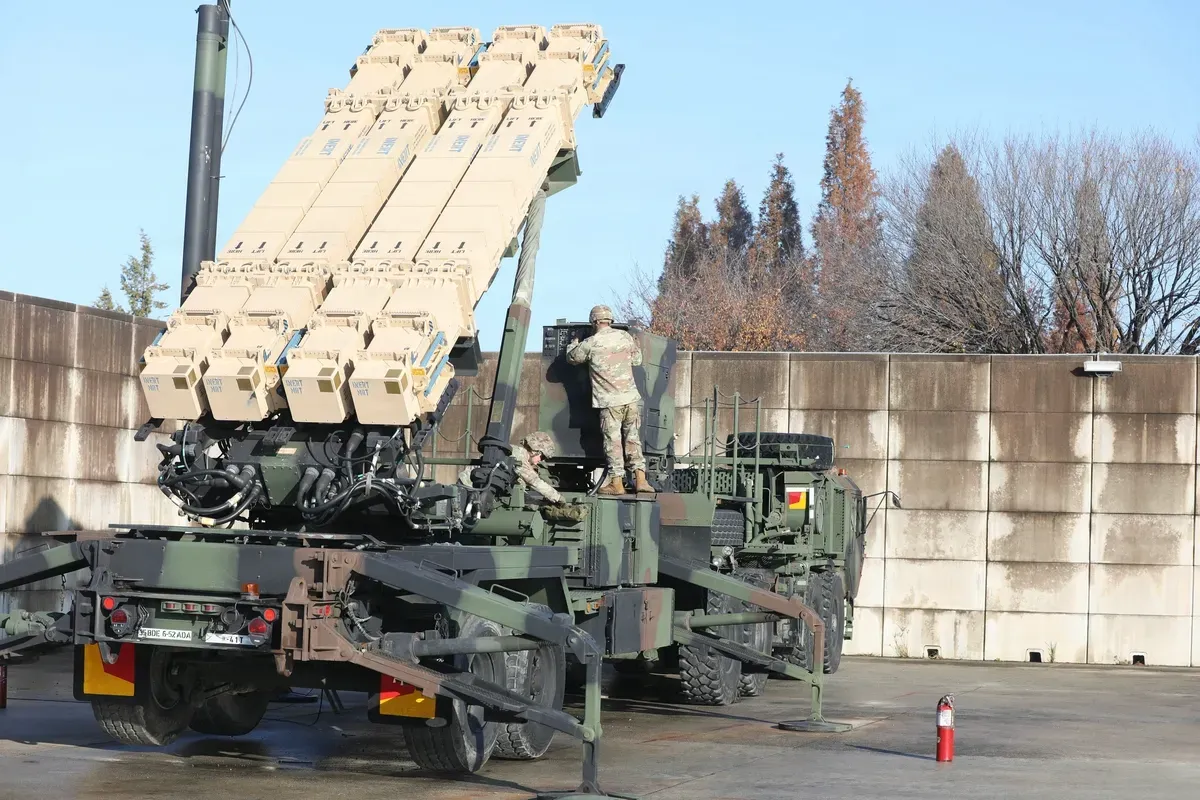
A US Army Patriot battery stationed in South Korea has become the first operational Patriot unit in the service to complete certification on the Integrated Air and Missile Defense Battle Command System, known as IBCS, the US Eighth Army said on 18 November.
The unit is Delta Battery of the 6th Battalion, 52nd Air Defense Artillery Regiment, part of the 35th Air Defense Artillery Brigade. Eighth Army said other Patriot batteries in the same battalion are expected to certify on the system in the coming weeks.
According to the Eighth Army Public Affairs Office, the battery moved off legacy, stand-alone weapon networks and onto the IBCS integrated fire control network. During the evaluation, crews separated the battery's sensors and launchers from its fire control unit, a step the Army says allows equipment to be dispersed and supports pairing the best available sensor with the best available shooter.
The command said the certification strengthens the brigade's Fight Tonight readiness and shows it can defend critical assets against complex regional missile threats. It also prepares the unit for follow-on distributed command and control operations.
Any sensor, best shooter
IBCS is built by Northrop Grumman and links ground, air and maritime sensors with interceptors from different air defence systems in real time. In a conventional Patriot battery, the battery's own AN/MPQ-65 radar feeds an engagement control station that directs only that battery's launchers. On the IBCS network, a launcher can fire using a track produced by a radar it is not physically attached to.
The Korea Herald's business edition said the biggest change is survivability. Legacy Patriot radars and launchers had to sit close together, while IBCS lets them be spread out, so the network can keep working on data from other sensors even if one radar is destroyed.
Chosun Ilbo reported that the system can use artificial intelligence to help rank threats and recommend interceptors, with humans choosing among the options it presents. That description came from a South Korean defence analyst quoted by the paper, not from the US Army announcement.
A conversion that began in January
Citing people familiar with the matter, the Herald reported that IBCS equipment has been with the 35th Air Defense Artillery Brigade, which operates eight Patriot batteries, since last year. Both Korean papers said Eighth Army began converting two of the brigade's Patriot battalions to the system in January.
In March, during a field exercise linked to the combined Freedom Shield drills, Eighth Army also brought the Indirect Fire Protection Capability, a system designed to counter drones and cruise missiles, into IBCS as part of a layered defence on the peninsula.
Chosun Ilbo said the brigade commander, Colonel Rosanna Clemente, told the LANPAC conference in Hawaii in May that Patriot assets are in very high demand and short supply, and that IBCS would help keep an enemy guessing about where they are.
THAAD next, South Korean radars not linked
Chosun Ilbo reported that US Forces Korea plans to bring its THAAD battery into IBCS in about a year. That would make it possible, according to both papers, for the THAAD radar at Seongju to detect ballistic missiles that Patriot batteries around Seoul then intercept.
The Herald also noted a July test reported by the Army Communicator, in which 6-52 Air Defense Artillery assets linked an engagement operations centre remotely to US forces in the Philippines to exchange radar data.
South Korea's own sensors remain outside the network. Both papers reported that coordinates from South Korean military radars are not connected in real time to the US command system, which rules out combined engagements on IBCS for now. A military source told Chosun Ilbo that linking the two networks would improve readiness against North Korean threats, but that progress has been slow.
Sources
More in Indo-Pacific
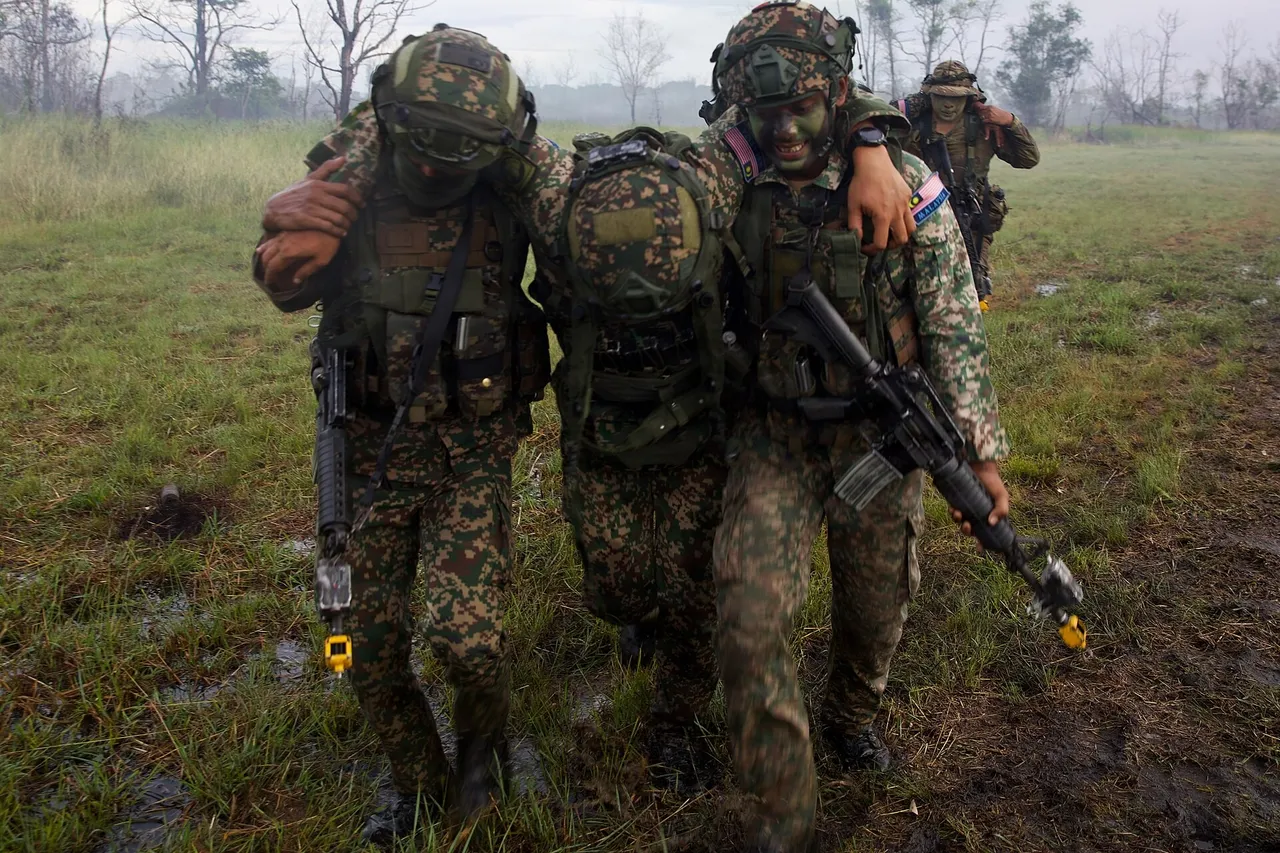
India and Malaysia open sixth Harimau Shakti army drills in Ipoh with drones and counter-terrorism in focus
Some 120 troops from each army will train in jungle and semi-urban terrain until 30 November, adding drone reconnaissance and counter-drone drills.
TaiwanDefence · 3h ago · 2 min read
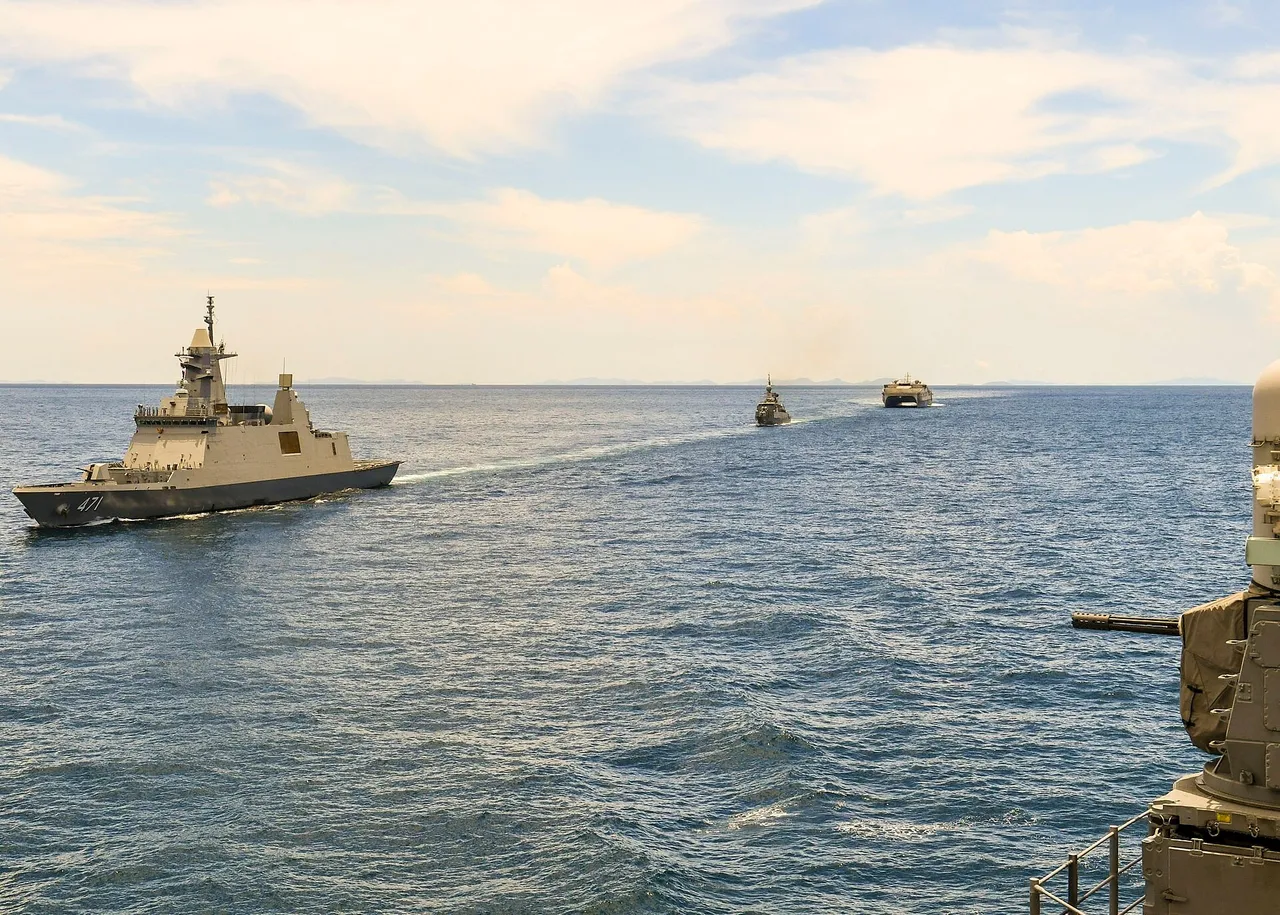
Thailand's navy scraps its Hanwha frigate award and restarts the tender over a flawed bid rule
A Finance Ministry appeals ruling forces the Royal Thai Navy to rerun its 17 billion baht frigate tender; Hanwha Ocean can bid again and has gone to the ombudsman.
TaiwanDefence · 9h ago · 3 min read
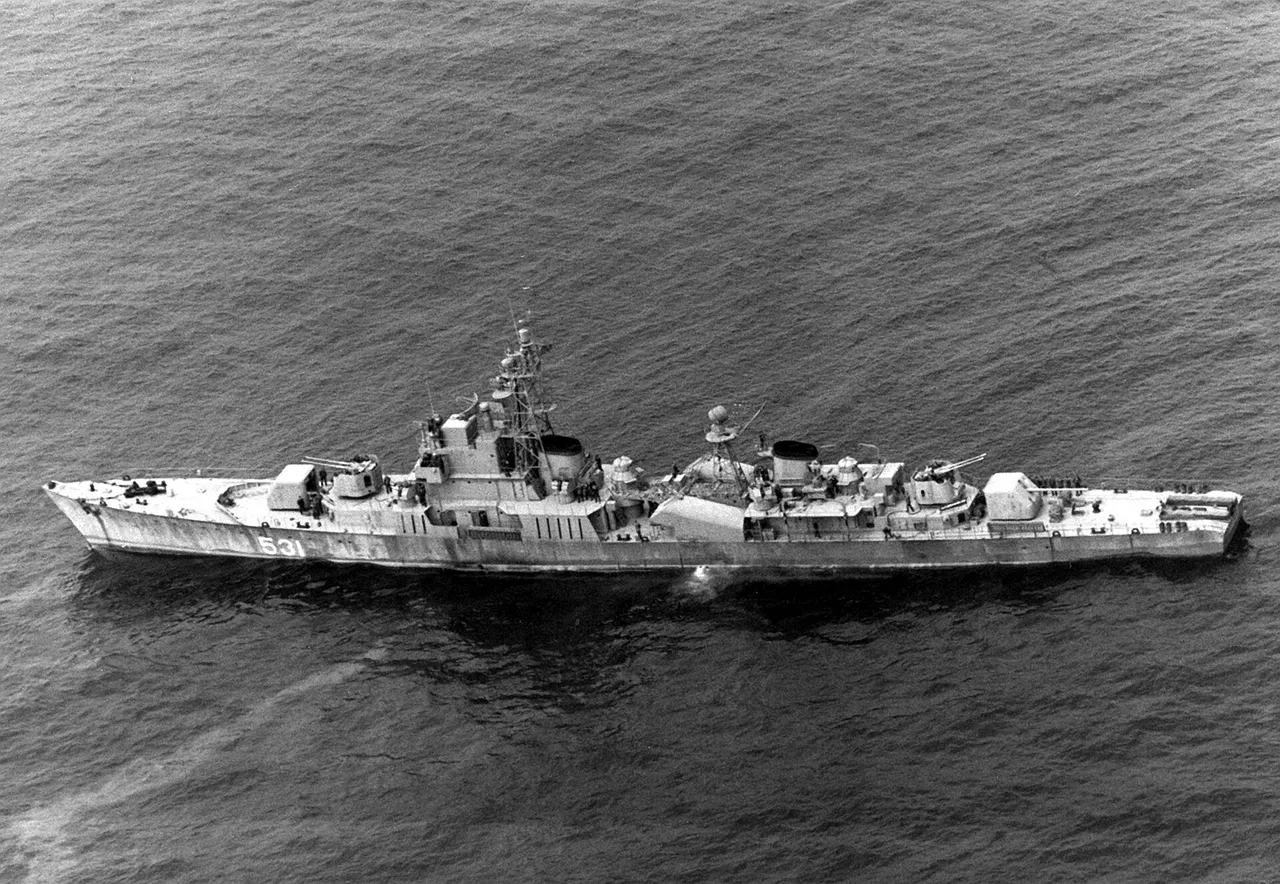
Kim Jong Un calls a powerful navy North Korea's first strategic task on a naval university visit
Kim's 18 November tour of the Kim Jong Suk Naval University follows his warship, shipyard and naval base visits, pointing to a push to train crews for a growing fleet.
TaiwanDefence · 11h ago · 2 min read
Discussion (0)
Comments are not currently available.