
Japan launches seventh Taigei-class submarine Shogei in Kobe
Mitsubishi Heavy Industries floated the diesel-electric boat for the Maritime Self-Defense Force on 8 October as Tokyo weighs propulsion choices for a larger VLS-armed follow-on design.
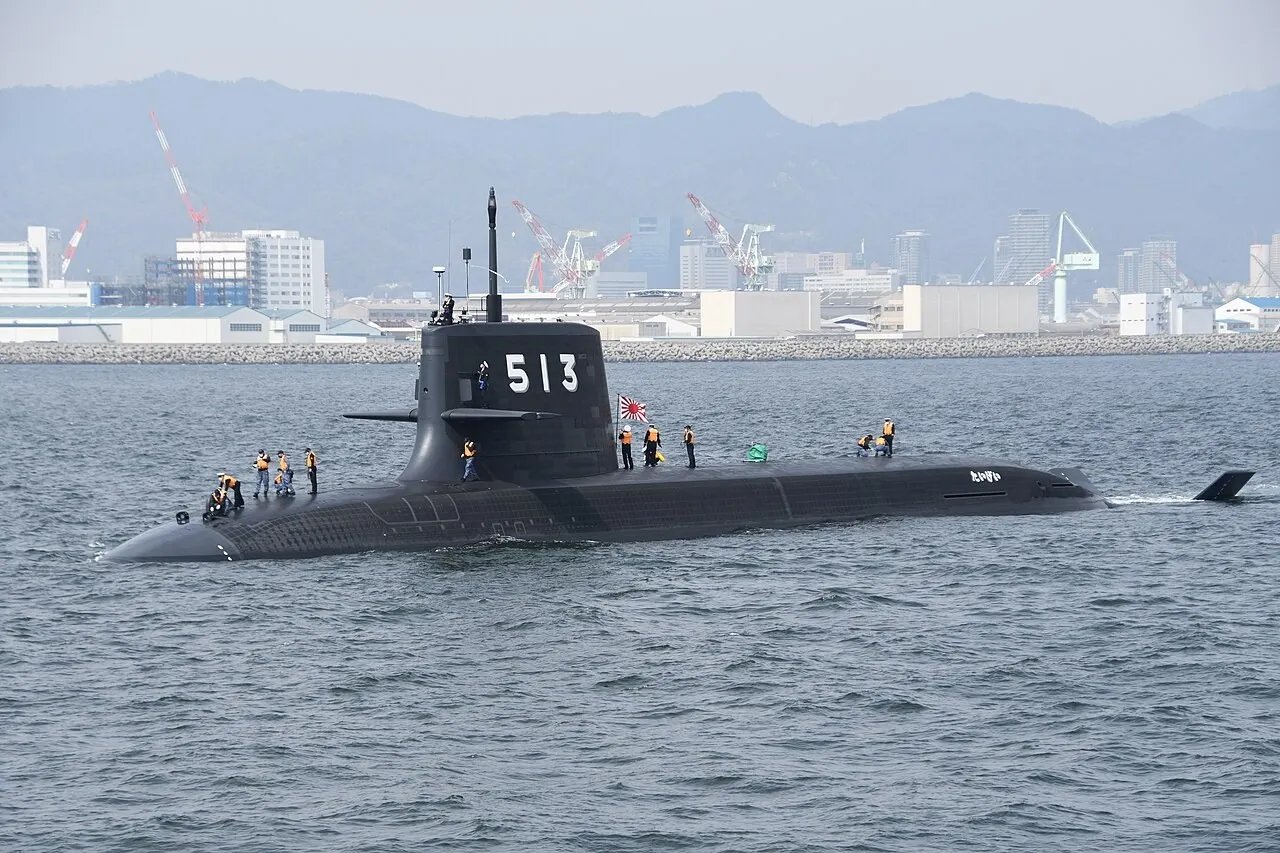

TAIPEI —
Mitsubishi Heavy Industries launched the seventh Taigei-class diesel-electric attack submarine for Japan's Maritime Self-Defence Force at its Kobe shipyard on Thursday, 8 October, naming the boat Shogei (SS-519). The company said the 3,000-tonne boat will complete outfitting of hull, machinery, electrical and weapons systems before delivery to the Ministry of Defence in fiscal year 2027.
Jiji Press, reporting from the naming and launch ceremony, said the vessel is budgeted at about 80.5 billion yen, measures 84 metres long and about 9 metres in beam, displaces roughly 3,000 tonnes standard, and will carry a crew of about 70. The Maritime Self-Defence Force said the design features improved detection and a quieter hull; Naval News reported delivery is scheduled for March 2028.
Higher-output diesels and lithium-ion batteries
Like the fourth through sixth boats of the class, Shogei will use higher-output Kawasaki 12V 25/31 diesel engines. The Taigei class runs submerged on large-capacity lithium-ion batteries rather than air-independent propulsion, a configuration Japan introduced to extend submerged endurance relative to earlier Soryu-class boats that still relied more heavily on snorkeling to recharge.
Naval News said the class carries Japan's Type 18 heavyweight torpedo and can launch UGM-84L Harpoon Block II anti-ship missiles. The seventh boat continues a build run shared between Mitsubishi and Kawasaki; the fifth boat, Chogei, was commissioned earlier in 2026, and Kawasaki launched the sixth, Sougei, in October 2025.
In its announcement, Mitsubishi said it would keep acting as a total ship integrator for Japan's defence ministry, addressing crew reduction, cybersecurity and life-cycle cost, and would concentrate on developing new submarines unconstrained by conventional frameworks. The fifth boat, Chogei, was launched at the same Kobe yard in October 2024.
Nuclear propulsion remains under study, not decided
The launch comes as Japanese defence officials publicly keep nuclear propulsion on the table for a next-generation submarine expected to carry vertical launch cells for long-range stand-off missiles. Naval News reported that the Acquisition, Technology and Logistics Agency in July awarded Mitsubishi a 3.9 billion yen research contract on total-ship optimisation for that VLS design, running through fiscal 2029.
Defence Minister Shinjiro Koizumi said in September that Tokyo would not rule out nuclear-powered submarines while revising its three national security documents by year-end, citing sustained submerged speed and endurance, while also listing higher cost, larger hulls, specialised training and potentially louder signatures as drawbacks. No procurement decision has been announced; the Taigei boats themselves remain conventionally powered.
Naval News framed the propulsion question around the Chinese navy's expanding activity in the Western Pacific, where the ability to deploy quickly over long distances and stay submerged for extended periods is becoming more important for Japan. The Taigei boats are Tokyo's near-term answer; whether the VLS follow-on goes nuclear is the decision still ahead.
Sources
More in Navy
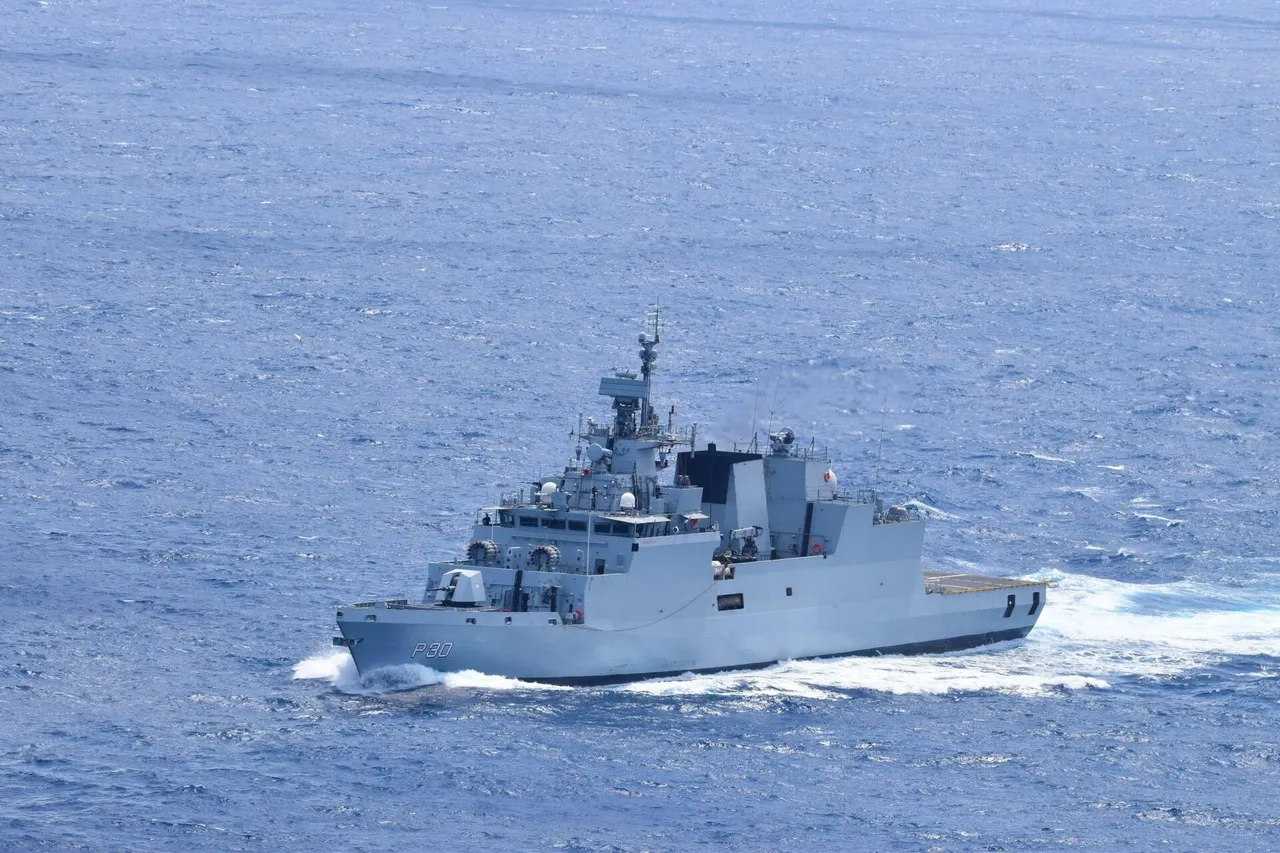
India's state shipyards move to hand three of eight new navy corvettes to a private yard
GRSE and Goa Shipyard plan to outsource three Next Generation Corvettes, which would see a private Indian yard build a frontline warship for the first time.
TaiwanDefence · 19h ago · 3 min read
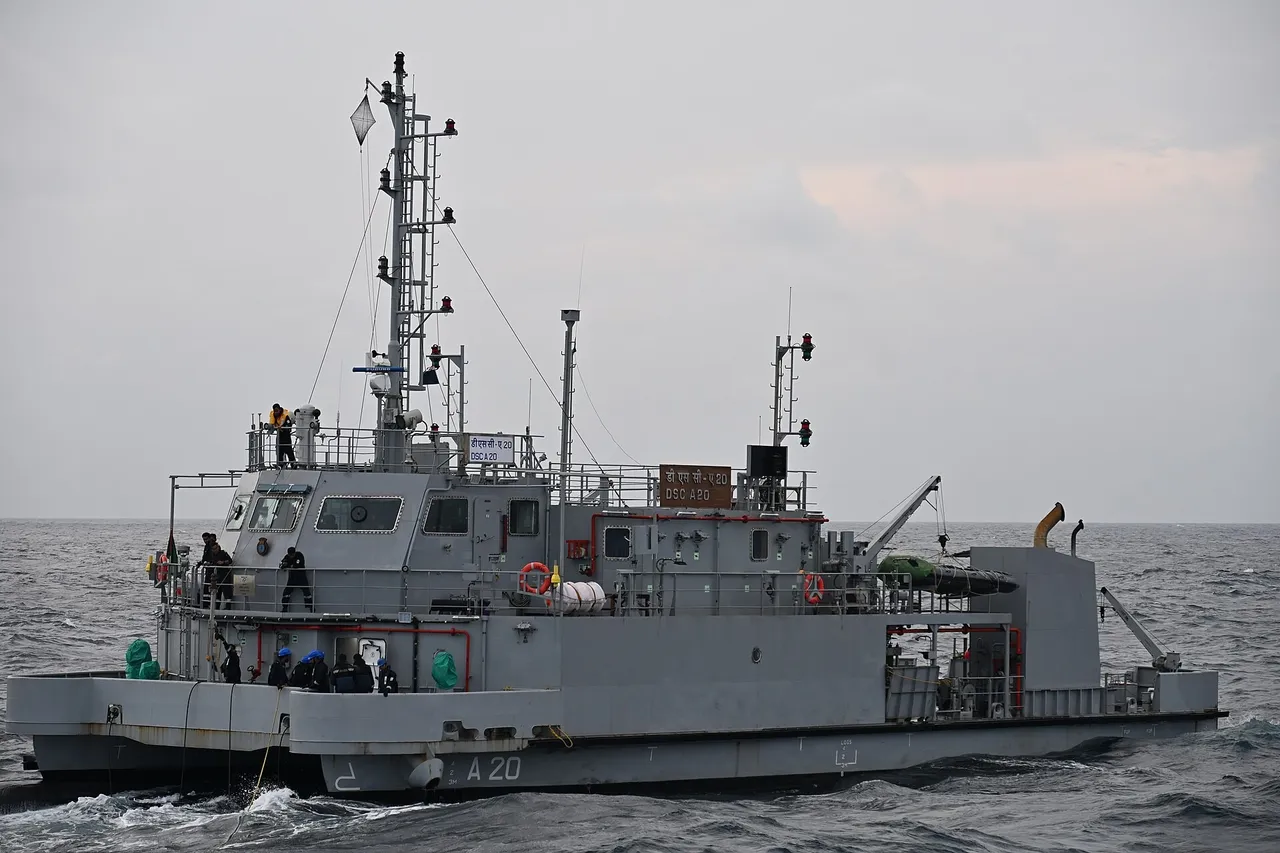
India's navy receives DSC A21, the second of five Titagarh-built diving support craft
The catamaran craft, handed over in Mumbai on 20 November, is the second of five ordered in 2021 for harbour diving and salvage work, with deliveries behind plan.
TaiwanDefence · 1d ago · 2 min read
US Navy's No. 2 nominee wants a foreign shipbuilder to open an American yard just for frigates
William Toti told senators that bringing Korean or Japanese shipbuilding know-how into a new US yard is the fastest way to get frigates, as Congress resists building warships abroad.
TaiwanDefence · 2d ago · 2 min read
Discussion (0)
Comments are not currently available.