
Lowy index finds the US military lead over China in Asia is the narrowest since 2018
The Lowy Institute's 2026 Asia Power Index blames a Middle East war that drained US missiles and pulled 7th Fleet assets away from the Pacific.

TAIPEI —
The United States still leads China in military power in Asia, but the margin is now the smallest since the Lowy Institute began its Asia Power Index in 2018, according to the 2026 edition of the index released by the Australian think tank on Sunday, 22 November.
Across all measures combined, the US score fell for a second year in a row to 78.9 points out of 100, against 73.6 for China. That leaves a gap of 5.3 points, the lowest US score and the narrowest margin in the history of the ranking, the South China Morning Post reported.
A shrinking military margin
The institute said the United States declined in economic capability, military capability, defence networks and diplomatic influence over the past year. China held steady on most measures and gained in military capability, cultural influence and resilience, while slipping on economic relationships.
Jack Sato, a researcher on the index, told the ABC that the US lead over China in military capability had fallen from 27 points in 2018 to just over 15. He described the overall gap as still a clear US lead, but said the narrowing reflected a decline in American power more than a rise in Chinese power.
The report's authors, Hunter Marston and Jack Sato, attributed much of the change to the war with Iran that began with US and Israeli strikes in February 2026. They wrote that the conflict had eroded US military capability by depleting American stocks of long-range missiles.
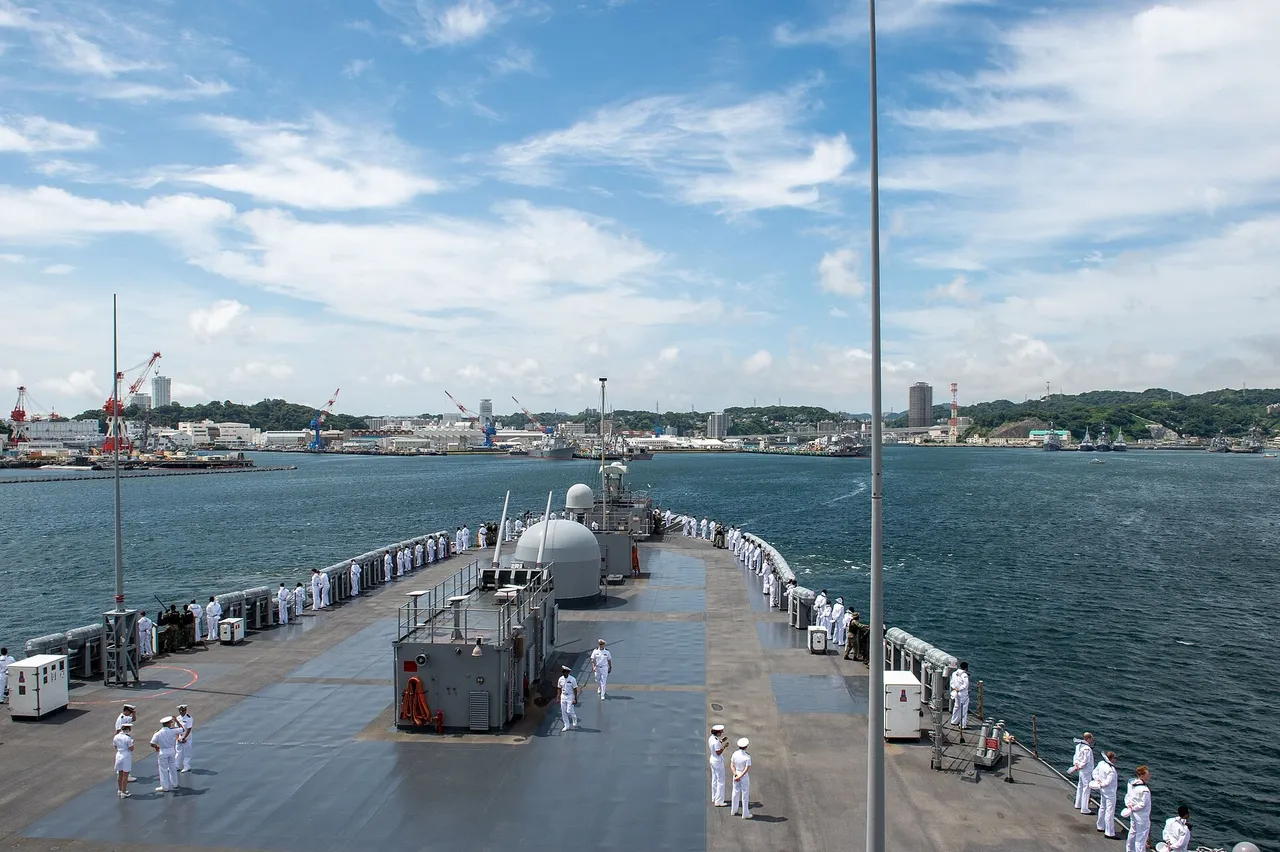
They also said the Trump administration had shifted military resources from the 7th Fleet in the Pacific to the Persian Gulf, and that the United States had held fewer joint exercises and defence dialogues over the past year with its main regional allies, including Australia, Japan and South Korea. The ABC noted that calls to scale back exercises with South Korea added to negative views of US leadership in the institute's expert survey.
Where each side leads
According to the institute, China's sea control and sea denial capabilities continue to grow, and it holds a sizeable lead over the United States in ground-based missiles and ground forces. In the Pacific, it said, China's military posture and its ability to deploy force quickly and at scale now outmatch those of the United States.
Washington keeps clear advantages elsewhere, the report said. Its military budget is nearly three times China's, and it leads in land firepower, air power, transport capacity, ballistic missile submarines, aircraft carriers and amphibious ships, which let it project force around the world.
Allies hedge on US commitment
The authors said US allies and partners in the region welcome the easing of US-China tension since President Donald Trump and Xi Jinping agreed in May 2026 to pursue what they called constructive strategic stability, but are increasingly anxious about a possible US military withdrawal from the Pacific. The ABC reported that the shift of US resources to the Middle East coincided with deeper defence ties among Washington's treaty allies in the region.
The index found no coherent bloc emerging to displace the United States. Despite growing cooperation between China, Russia and North Korea, the authors saw little sign of lasting convergence among them, and judged the regional balance of power to remain bipolar. Australia slipped one place to sixth overall, behind Russia, the ABC said.
Sources
More in Indo-Pacific
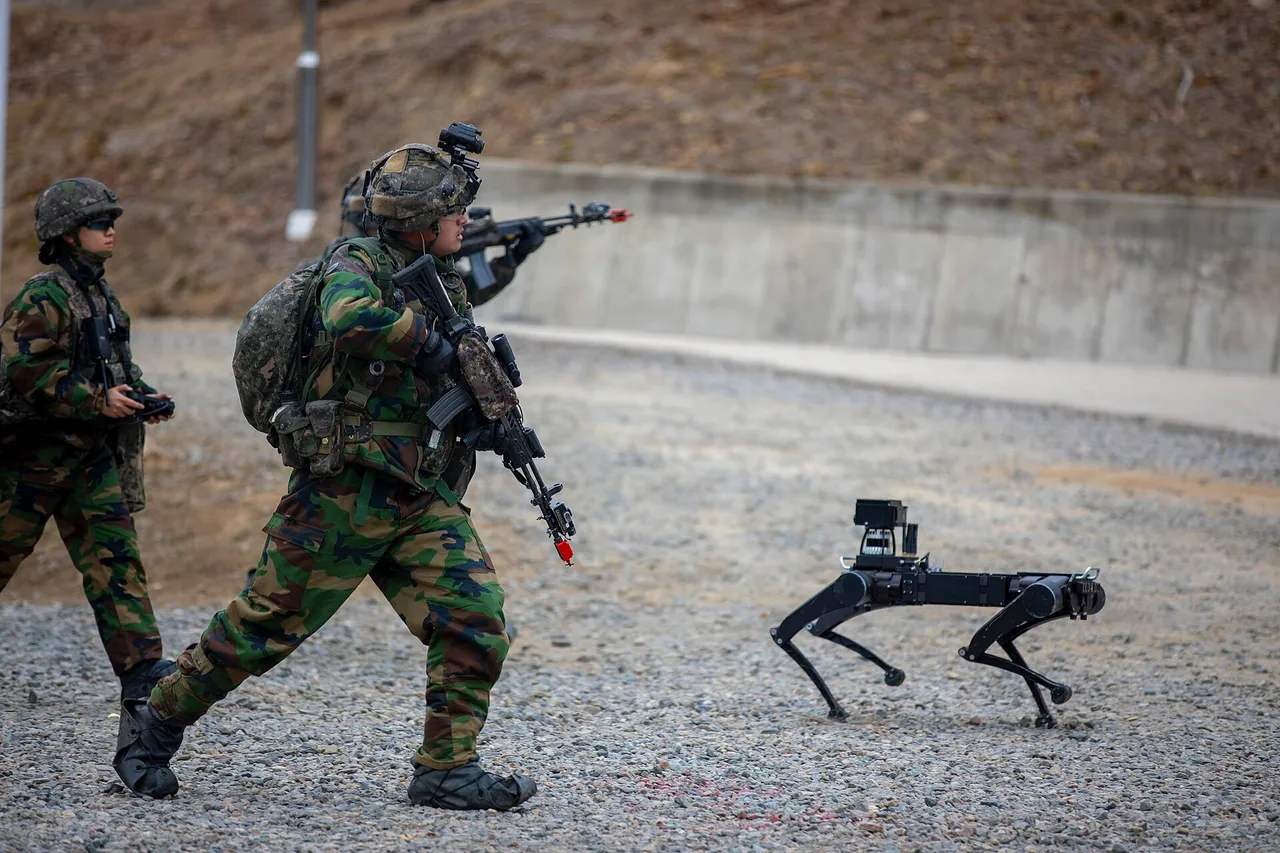
South Korean army's rear command opens test units to civilian robots for logistics work
The army's Second Operational Command will host trial units for robots and physical AI in supply and logistics duties under a deal with Korea's robot agency.
TaiwanDefence · 17h ago · 2 min read
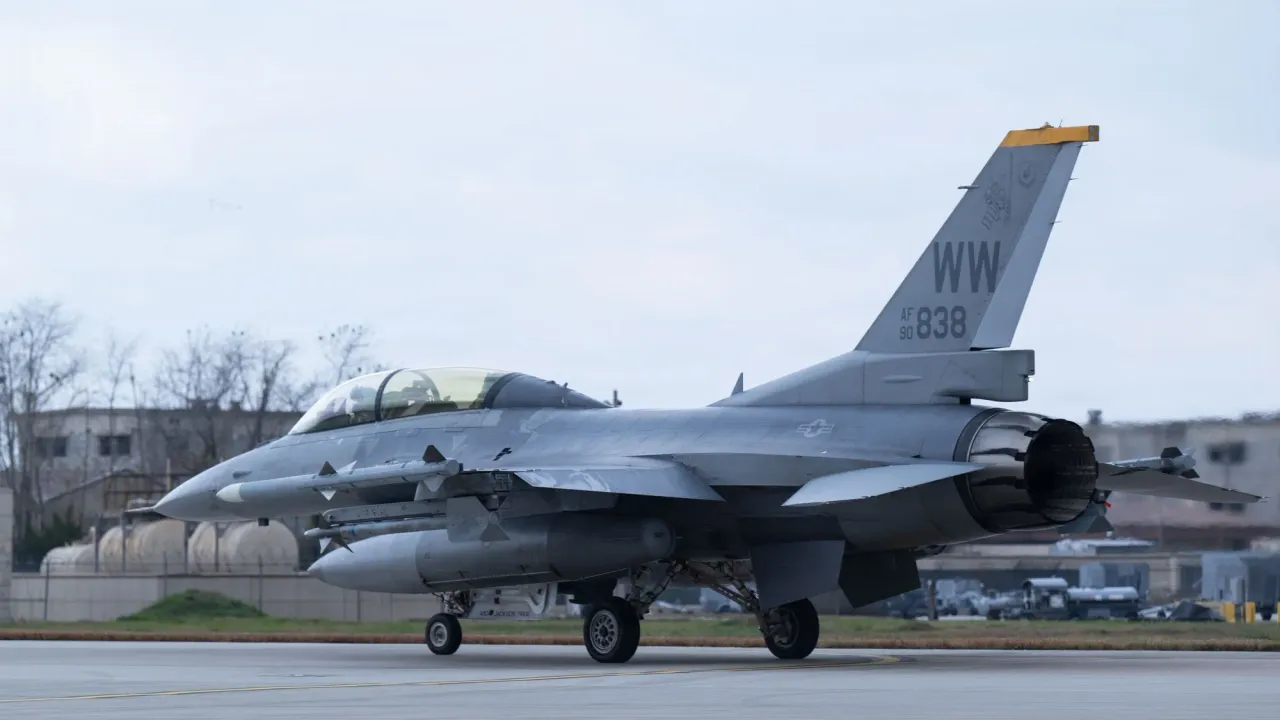
US F-16 wing in South Korea flies 11 sorties through simulated drone and ground attacks at Kunsan
The 8th Fighter Wing kept F-16s flying during a five-day wartime drill at Kunsan Air Base that cut power and water and tested defences against small drones.
TaiwanDefence · 1d ago · 2 min read
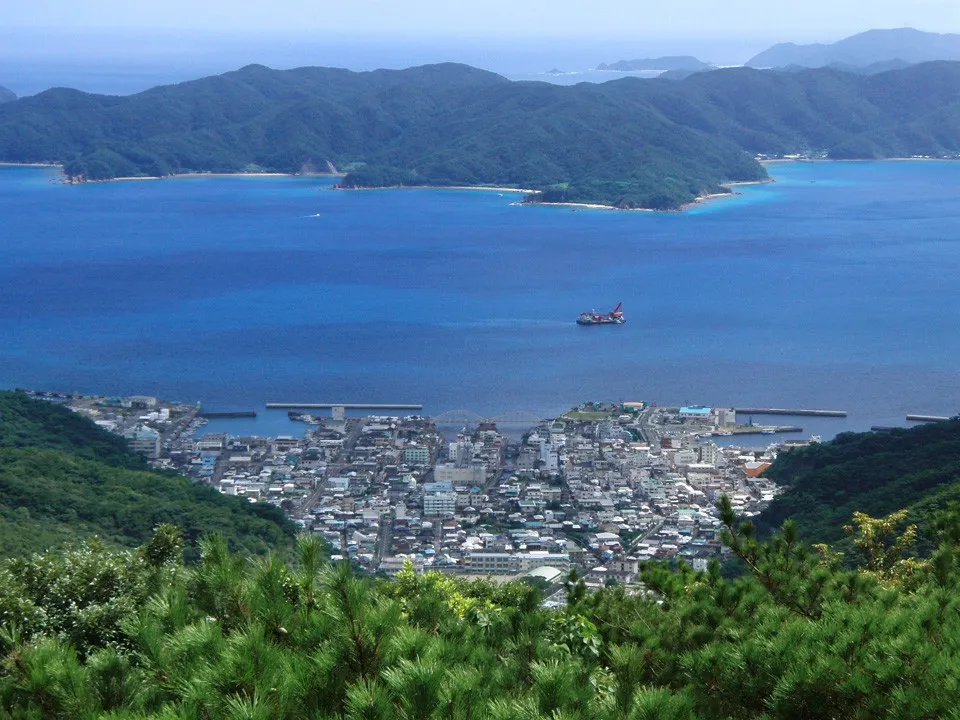
Kagoshima clears land reclamation for a new Self-Defense Forces supply port on Amami Oshima
The prefecture approved the defence ministry's plan to fill in sea at Koniya port in Setouchi, opening the way for building work from as early as next year.
TaiwanDefence · 2d ago · 2 min read
Discussion (0)
Comments are not currently available.