
Japan-Philippines air drill opens as first test of new logistics pact
Doshin-Bayanihan 6-26 began on 4 October, with the Philippine Air Force due to fuel a Japanese KC-130H under a cross-servicing pact in force since August.
TAIPEI —
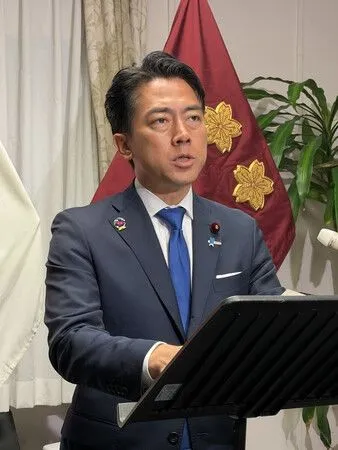
The Philippine and Japanese air forces opened a six-day humanitarian assistance and disaster relief exercise on Sunday, 4 October, and it is set to become the first activity carried out under the two countries' new defence logistics agreement. The drill, called Doshin-Bayanihan 6-26, runs until 9 October at several sites across the central and western Philippines.
Japanese Defence Minister Shinjiro Koizumi announced on Friday, 2 October, that the Acquisition and Cross-Servicing Agreement would be applied for the first time during the exercise. Under the arrangement, the Philippine Air Force is to provide aviation fuel to a Japan Air Self-Defense Force aircraft. Koizumi told reporters that the first use of the pact marked an important step and showed that defence ties between Tokyo and Manila had entered a new phase.
The agreement sets out a legal framework under which the Japanese Self-Defense Forces and the Armed Forces of the Philippines can supply each other with goods and services. It was signed in January and took effect in August. The Philippine Department of National Defense has said the pact improves interoperability and readiness and makes joint exercises, disaster relief, peacekeeping and other agreed activities more efficient to run.
According to an Air Staff Office document cited by the Philippine Daily Inquirer, training is taking place at Mactan-Benito Ebuen Air Base in Cebu, Daniel Z. Romualdez Airport in Leyte and Puerto Princesa International Airport in Palawan. The Inquirer noted that the Puerto Princesa site directly faces the West Philippine Sea.
Japan has sent a KC-130H transport and about 40 personnel from the Air Self-Defense Force's Air Support Command, while the Philippine Air Force is fielding a C-130H with its own crews. In a briefing in September, Philippine Air Force spokesperson Colonel Alvin Jay Capinguian said a W-3A Sokol helicopter would also take part, along with roughly 160 Philippine airmen, 42 Japanese personnel and two observers from US Pacific Air Forces.
The training plan covers airdrops, cargo loading and unloading, take-offs and landings using night vision goggles, mass casualty response and aeromedical evacuation. Those tasks reflect the exercise's disaster relief focus, but they also rehearse the airlift, night flying and casualty handling skills that both air forces would need in a regional crisis.
Doshin-Bayanihan has been held regularly since the first joint air drill between the two countries took place at Clark Air Base in Pampanga in July 2021. The previous edition, in October 2025, was the first exercise conducted under the Reciprocal Access Agreement, which governs visits by each country's forces to the other and took effect in September 2025. During that drill, a Japanese C-130H also flew relief supplies after an earthquake struck northern Cebu.
Taken together, the two agreements give Japan and the Philippines the legal basis both to deploy forces on each other's territory and to sustain them there with fuel and other support. Each step has been tested first in a humanitarian setting, a pattern that lets the two militaries build working routines before applying them in more demanding operations.
Japan and the Philippines are both allies of the United States and have expanded security cooperation in recent years in response to China's maritime assertiveness in the East and South China Seas. The two US Pacific Air Forces observers named in the September briefing show that Washington is following the bilateral drill closely, even though it is not a formal participant.
Reports available on Monday described the fuel transfer as planned for the exercise period and did not yet confirm that it had taken place. The exercise is scheduled to end on Friday, 9 October.
Sources
More in Indo-Pacific
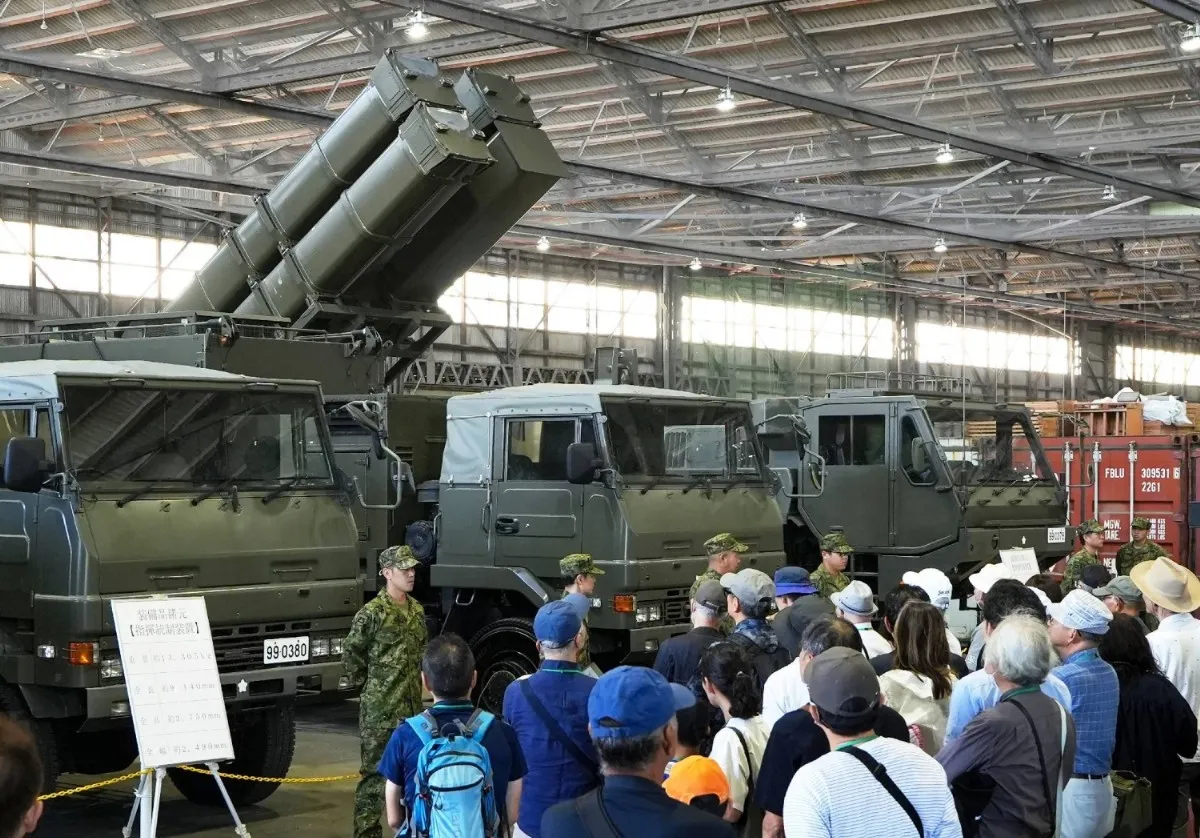
Japan shows Type-25 long-range missile launchers to Kumamoto residents
About 220 residents viewed Type-25 launch vehicles at Camp Kengun on 3 October, weeks before the 1,000 km missile makes its first Keen Sword appearance.
TaiwanDefence · 21m ago · 3 min read
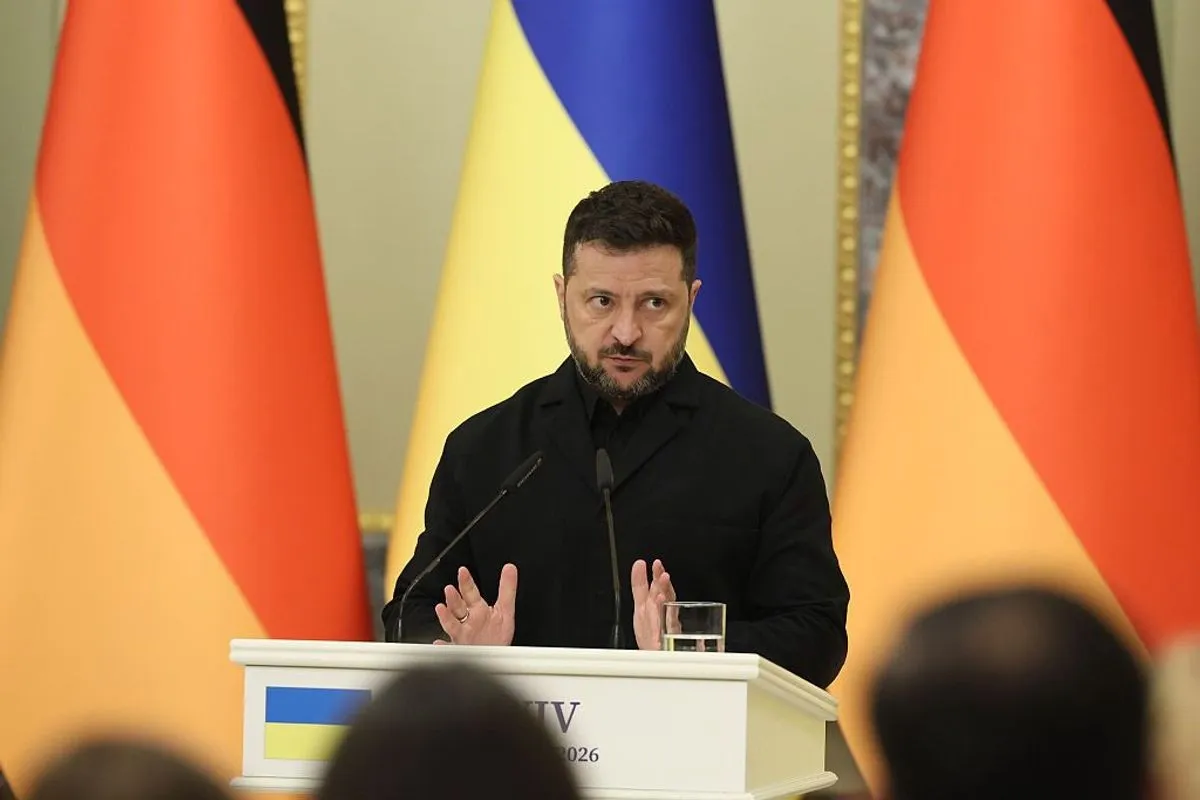
Zelensky says Russia is sharing jet-drone technology with North Korea
Ukraine’s president said on 4 October that Moscow has passed jet-powered drone know-how to Pyongyang and that Kyiv is briefing Japan on North Korean troops.
TaiwanDefence · 2h ago · 2 min read
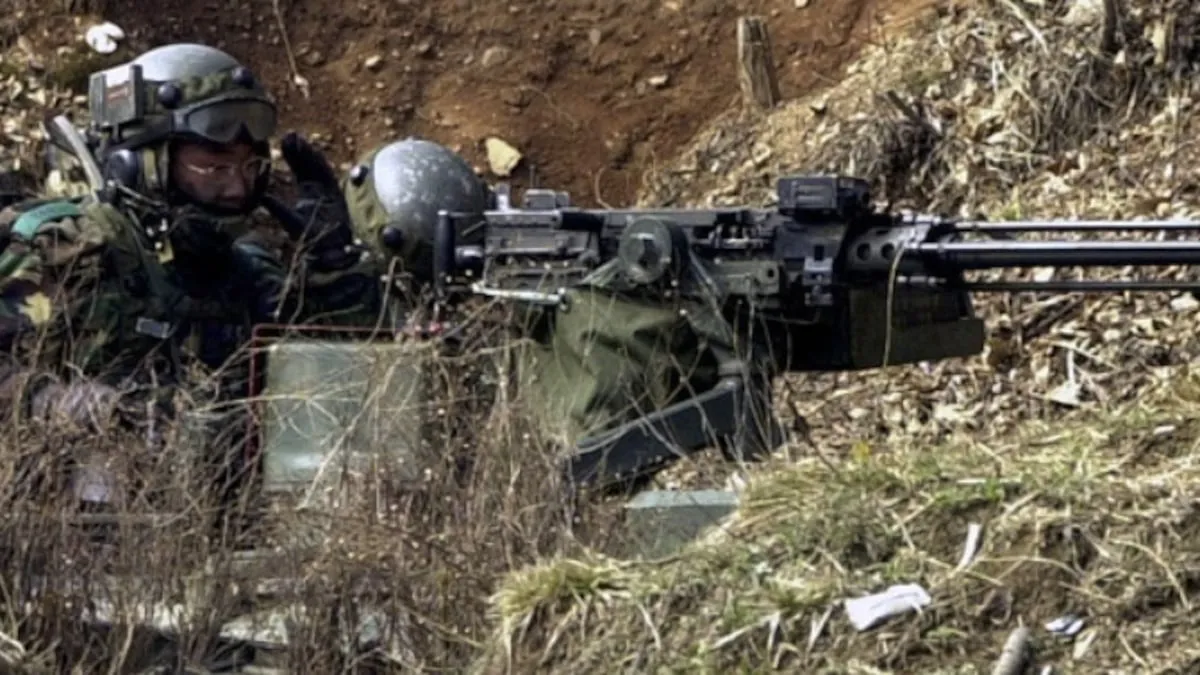
Audit finds unloaded guns on duty across South Korea's front-line corps
A defence ministry audit disclosed on 4 October found guards in four Army corps and a Marine division held weapons without live rounds loaded at border posts.
TaiwanDefence · 6h ago · 3 min read
Discussion (0)
Comments are not currently available.