Japan plans AI-driven autonomous ships to move troops to southwestern islands
Yomiuri reports Japan's Defence Ministry will write autonomous transport ships into its revised security documents and begin research next fiscal year for island contingencies.
TAIPEI —
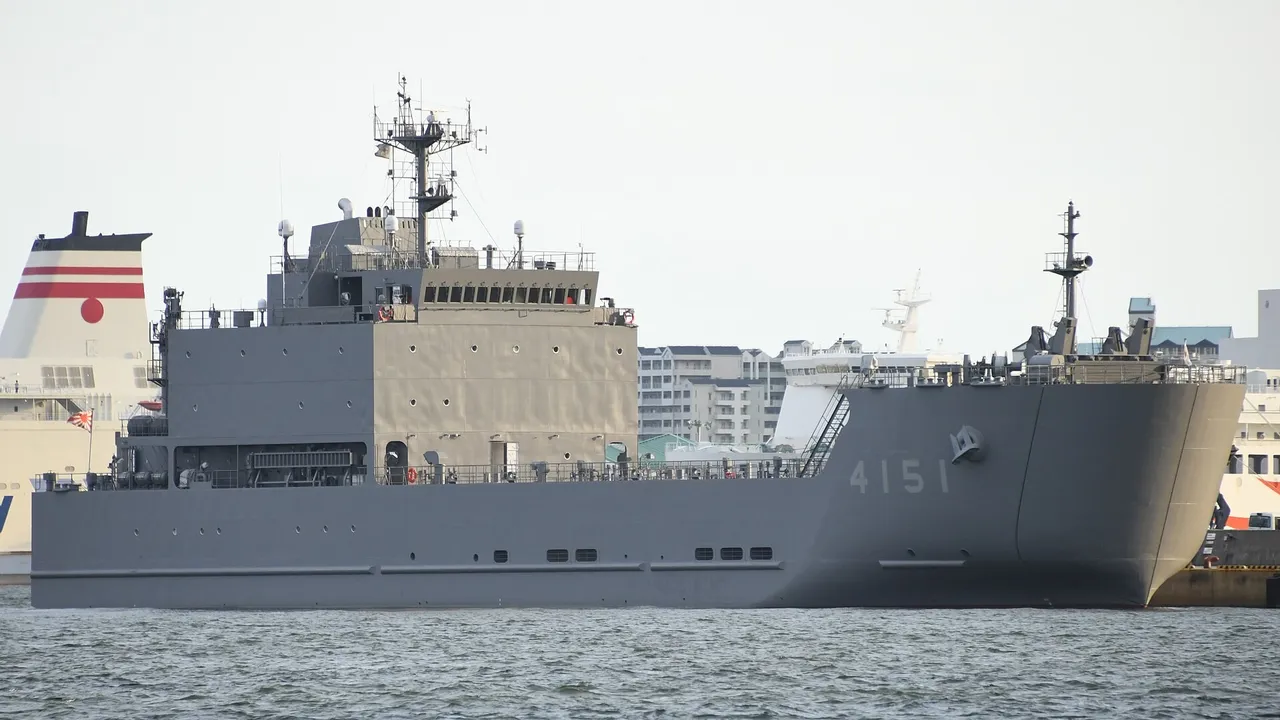
Japan's Ministry of Defense has decided to develop and field transport ships that pair artificial intelligence with autonomous navigation, the Yomiuri Shimbun reported on 5 October, citing several government sources. Yonhap and Taiwan's Central News Agency carried the report the same day. The vessels are meant to expand the Self-Defense Forces' ability to move troops, ammunition and other supplies by sea to the southwestern islands in a contingency, and to help evacuate island residents.
According to the report, the government will set out the policy in the three national security documents it plans to revise before the end of this year, and the ministry will begin survey research in the next fiscal year. The ministry has already included the project in its budget request for fiscal 2027, but only as an item request that does not name a specific amount.
How the ships would work
The planned system would combine data from cameras, radar and satellite positioning with information about the surrounding terrain and sea, and use AI to work out the best route. It would adjust for currents and other ocean conditions while automating passage in coastal and open waters as well as berthing and departure. That would let the ships sail with smaller crews, and the ministry is also considering fully uncrewed operation later on.
The ministry intends to draw on technology already being developed in the civilian sector. The Nippon Foundation has worked with shipbuilders and shipping companies on autonomous vessels since 2020, and a cargo ship built for autonomous operation entered commercial service in January this year. Trials of shore-based monitoring and support for ships in congested waters and during berthing are also under way, the Yomiuri said.
Island logistics
The ministry's aim is to keep supply routes open to remote islands and through dangerous waters during an emergency. The Yomiuri noted that the southwestern islands, where a Taiwan contingency is expected to play out, are surrounded by sea on every side, so reliable shipments of ammunition, fuel and food would be a lifeline for preventing an invasion or attack.
Cutting crew numbers, or removing crews altogether, would also reduce the danger and workload faced by service members assigned to transport duties. A senior ministry official told the newspaper that autonomous transport ships were a promising way to raise lift capacity because they could keep operating for long periods even in harsh conditions.
The plan builds on a structure the ministry created last year. It launched the SDF Maritime Transport Group, a joint unit drawn from the ground, maritime and air forces, to carry units and supplies to remote islands and strengthen sea transport. At the same time the forces face a shortage of recruits as Japan's birth rate falls, which adds to the case for ships that need fewer people.
The reports gave no cost figure, ship design or delivery timetable. They describe a policy decision and the start of research rather than an approved procurement programme. The government plans to adopt the revised security documents that will carry the policy before the end of this year, and the research funding would only begin to flow in the next fiscal year.
Sources
More in Indo-Pacific
Japan's MSDF fields six V-BAT drones for shipborne surveillance
Jiji reports Japan's navy now operates six Shield AI V-BAT drones, with operator training under way at Ominato and patrol-ship deployment planned from 2027.
TaiwanDefence · 2h ago · 3 min read
Japan shows Type-25 long-range missile launchers to Kumamoto residents
About 220 residents viewed Type-25 launch vehicles at Camp Kengun on 3 October, weeks before the 1,000 km missile makes its first Keen Sword appearance.
TaiwanDefence · 6h ago · 3 min read
Japan-Philippines air drill opens as first test of new logistics pact
Doshin-Bayanihan 6-26 began on 4 October, with the Philippine Air Force due to fuel a Japanese KC-130H under a cross-servicing pact in force since August.
TaiwanDefence · 7h ago · 3 min read
Discussion (0)
Comments are not currently available.