
Japan raises pay for every rank of its Self-Defense Forces as recruiting shortfalls bite
A law passed by Japan's upper house on 13 November lifts base pay and bonuses for all SDF members, backdated to April, and adds a new transfer allowance.

TAIPEI —
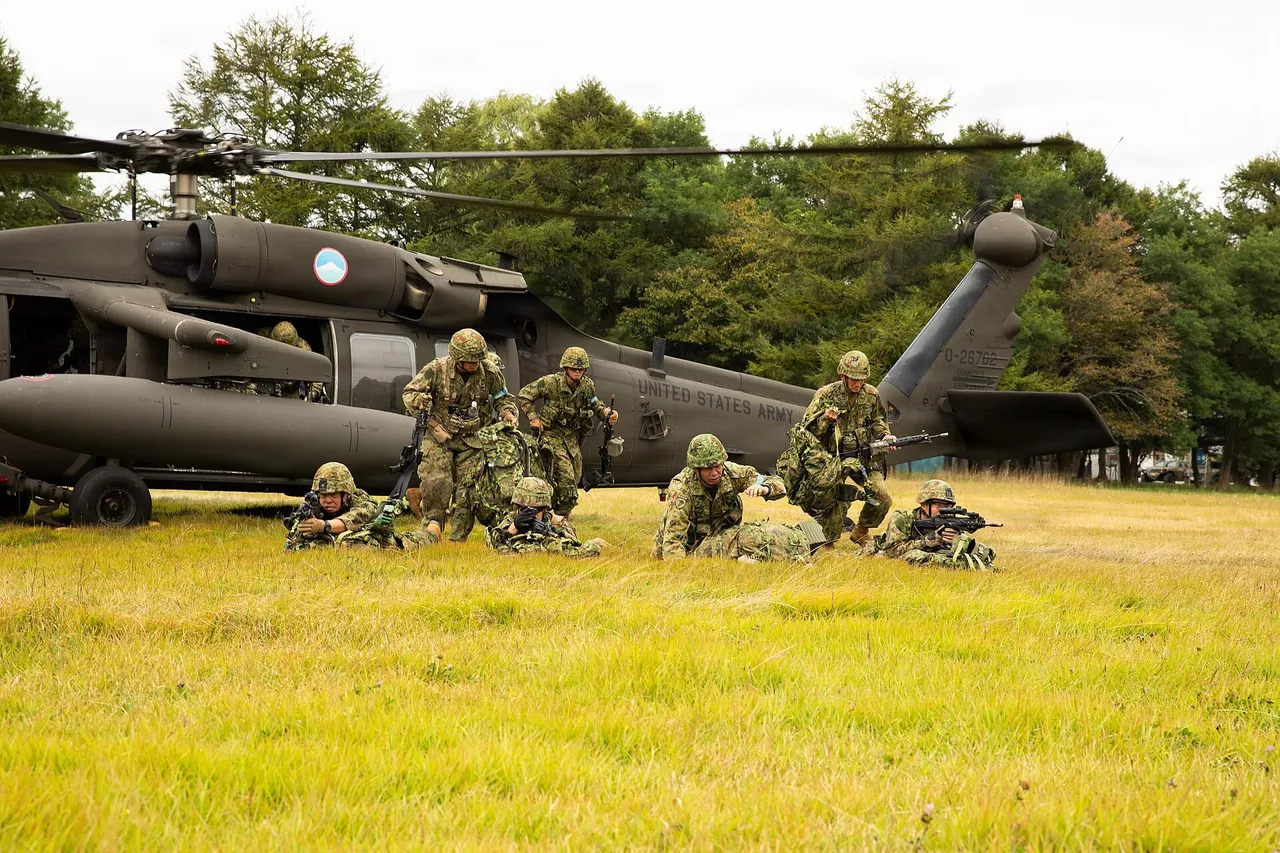
Japan has enacted a law that raises base pay for members of the Self-Defense Forces at every stage of their careers, as the defence ministry struggles to fill its ranks. The amendment to the law on the pay of Defence Ministry personnel cleared a plenary session of the House of Councillors on the morning of 13 November, with votes from both governing and opposition parties.
The revision follows a recommendation from the National Personnel Authority and is meant to close the gap between SDF salaries and pay in private companies. It lifts base salaries and bonuses, and the higher rates will be paid retroactively from April this year.
Under the new scale, a private second class, the rank at which high school graduates usually enlist, will receive a monthly base salary of 250,300 yen, an increase of 10,800 yen. A university graduate who joins as a general officer candidate will be paid 299,600 yen a month, up by 11,300 yen.
The law also creates a new allowance to ease the financial burden of relocation on personnel, who are moved between postings around the country more often than most public employees.
Defence Minister Shinjiro Koizumi told a news conference after that morning's cabinet meeting that members in their 30s and 40s, who make up the core of front-line units, would see their annual income rise by roughly 200,000 yen or more, and that pay across the whole force would reach its highest level ever. He added that, in a model case of a high school graduate who enlists as a private second class, lifetime earnings would pass 300 million yen for the first time.
Koizumi said the ministry was aiming to become the organisation that values its people more than any other in the world, and that it would push ahead with further measures toward that goal.
The pay bill is only a first step. The ministry is also preparing what would be the first review of a pay structure designed specifically for uniformed personnel since the SDF was created, and Koizumi said that work would be accelerated so it can be compiled by the end of the year. TBS reported that the government aims to introduce that separate SDF salary system next year.
A shortage of new recruits has become a serious problem for the SDF, and the government hopes the pay increase, combined with the planned salary system, will help ease it, according to TBS.
Koizumi has also tied personnel policy to Japan's planned revision of its three core security documents. With securing enough uniformed personnel a continuing challenge, he said on 13 November that better treatment of SDF members would be one of the themes of that revision, including a review of the pay structure and support for people who leave the service, NHK reported.
For Tokyo, the move links pay directly to readiness. Ships, missile units and aircraft can only be fielded if there are enough trained people to operate them, and by placing compensation inside its security planning the ministry is signalling that recruitment and retention are now treated as a defence problem rather than a routine wage adjustment.
Sources
More in Indo-Pacific
Malaysia says a BrahMos buy for its Su-30MKM fighters is still only being explored
Defence Minister Khaled Nordin told parliament no decision has been made, as the missile's maker says talks with other South-east Asian buyers are advanced.
TaiwanDefence · 2h ago · 3 min read
Indian Army lines up Pokhran trials for 540 jet-powered kamikaze drones as 11 Indian firms compete
The Rs 2,000 crore fast-track buy is the army's first dedicated programme for high-speed attack drones, which fly roughly three times faster than propeller types.
TaiwanDefence · 4h ago · 3 min read
South Korea seeks to widen its navy's anti-piracy zone toward Hormuz as Iran warns Seoul off
Seoul's plan adds a P-8A patrol aircraft and mine-clearing drones to the Cheonghae Unit, while Tehran says any naval role near the strait would count as hostile.
TaiwanDefence · 5h ago · 3 min read
Discussion (0)
Comments are not currently available.