
Taiwan's army chief orders a counselling overhaul as self-harm cases among soldiers mount
Army commander Lu Kun-hsiu told officers on 13 November that every self-harm case is a lost comrade, not a statistic, as the army weighs adding resident counsellors.

TAIPEI —
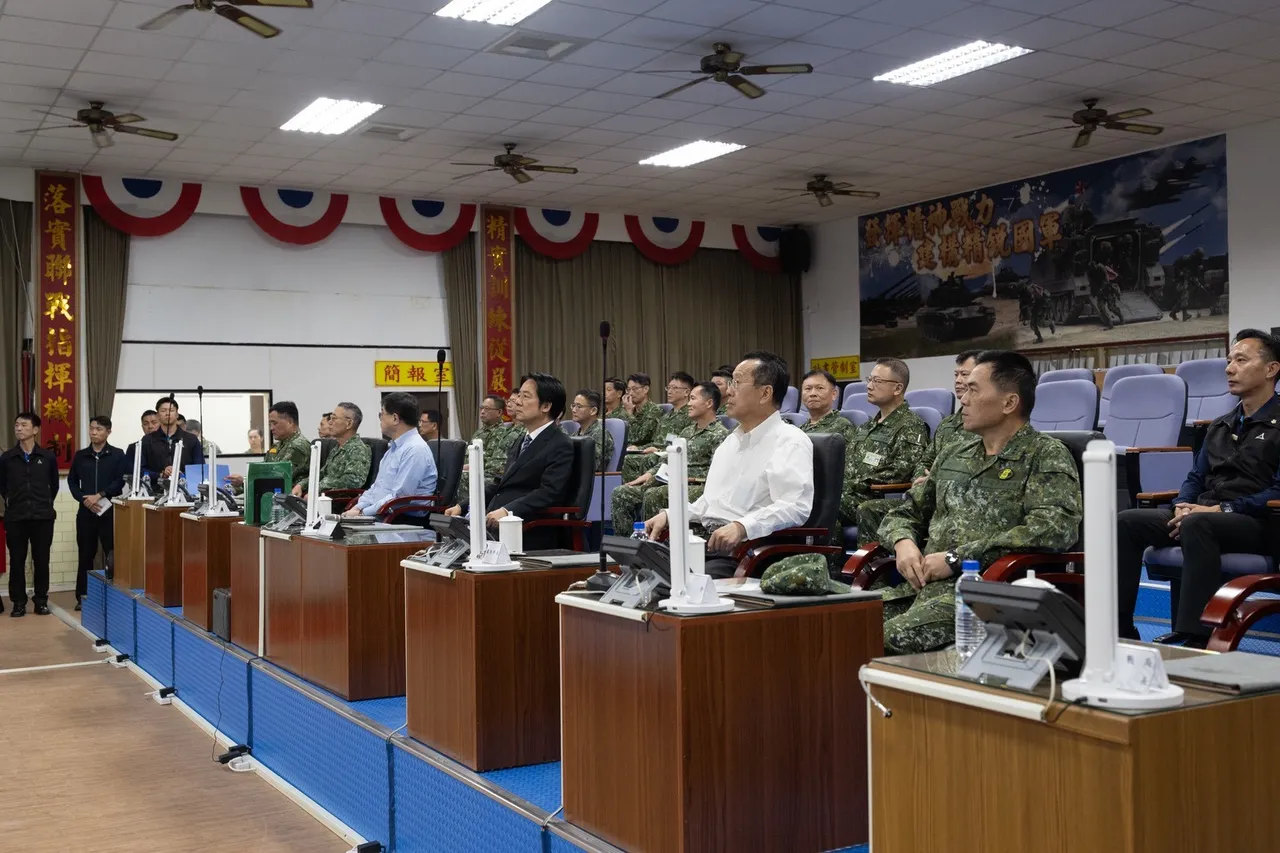
Taiwan's army commander, General Lu Kun-hsiu, has told his officers that self-harm cases among soldiers must not be treated as a figure that rises or falls in a year-end tally, because every one of them is a comrade the service has to do everything it can to help and protect. He made the point on 13 November while chairing the army's annual review conference on psychological counselling work.
The meeting was held at the Dahan camp and brought together the army's political warfare director, Lieutenant General Lou Wei-chieh, his deputy, Major General Hsieh Yung-wei, deputy heads of the army's first-level units, and political warfare chiefs and counselling officers from brigade level upwards, according to both reports.
Liberty Times noted that the conference came after a series of deaths and injuries among military personnel over the past half year that has drawn wide public concern.
The session opened with a briefing that analysed the patterns behind this year's suicide cases and reviewed how each had been handled. The stated aim was to confront the problems openly, identify their causes and strengthen prevention so that fewer cases occur.
Officers then discussed proposed changes to the army's counselling policy. The items on the table included tighter management of individual counselling cases, checks using physical and mental health screening scales, assessment of the counselling skills of newly commissioned junior officers, the addition of resident counsellors in units, and a clearer division of counselling responsibilities at each level of command.
Lu described counselling as life-saving work that every member of the service shares. He argued that if each cadre did a little more and showed more care, helping soldiers to ease the pressure of their duties, lives could be saved at critical moments.
He also stressed that the conference was intended to work out policy reforms rather than to assign blame. He urged commanders to look at past cases with honesty about their own shortcomings, find where counselling had fallen short, and learn from the experience of other units instead of paying for lessons with their own soldiers' lives. Drawing on his own early career as a company political officer, he called political warfare cadres the unsung backbone of unit stability and safety.
The review follows sharp criticism in the Legislative Yuan. Public broadcaster PTS reported on 2 November that the opposition Kuomintang caucus said the armed forces had recorded 19 self-harm cases so far this year, compared with 17 in the whole of last year, and that three people had died within half a month. The caucus demanded a full administrative investigation report within a week over the death of a lieutenant from the army's 206th Brigade on 30 September, along with a third-party inquiry.
Defence Minister Wellington Koo said at the time that the ministry would review its counselling work, and that the 206th Brigade's commander and its political warfare director had been reassigned and other personnel disciplined. The ruling Democratic Progressive Party caucus also said the family's demands for answers were reasonable, PTS reported.
Neither report gave a timetable for the proposed changes, including the extra resident counsellors. For a force whose combat power depends on keeping trained soldiers in its ranks, how quickly those reforms reach front-line units will shape whether the army can turn a painful year into lasting change in how it looks after its people.
Sources
More in Army
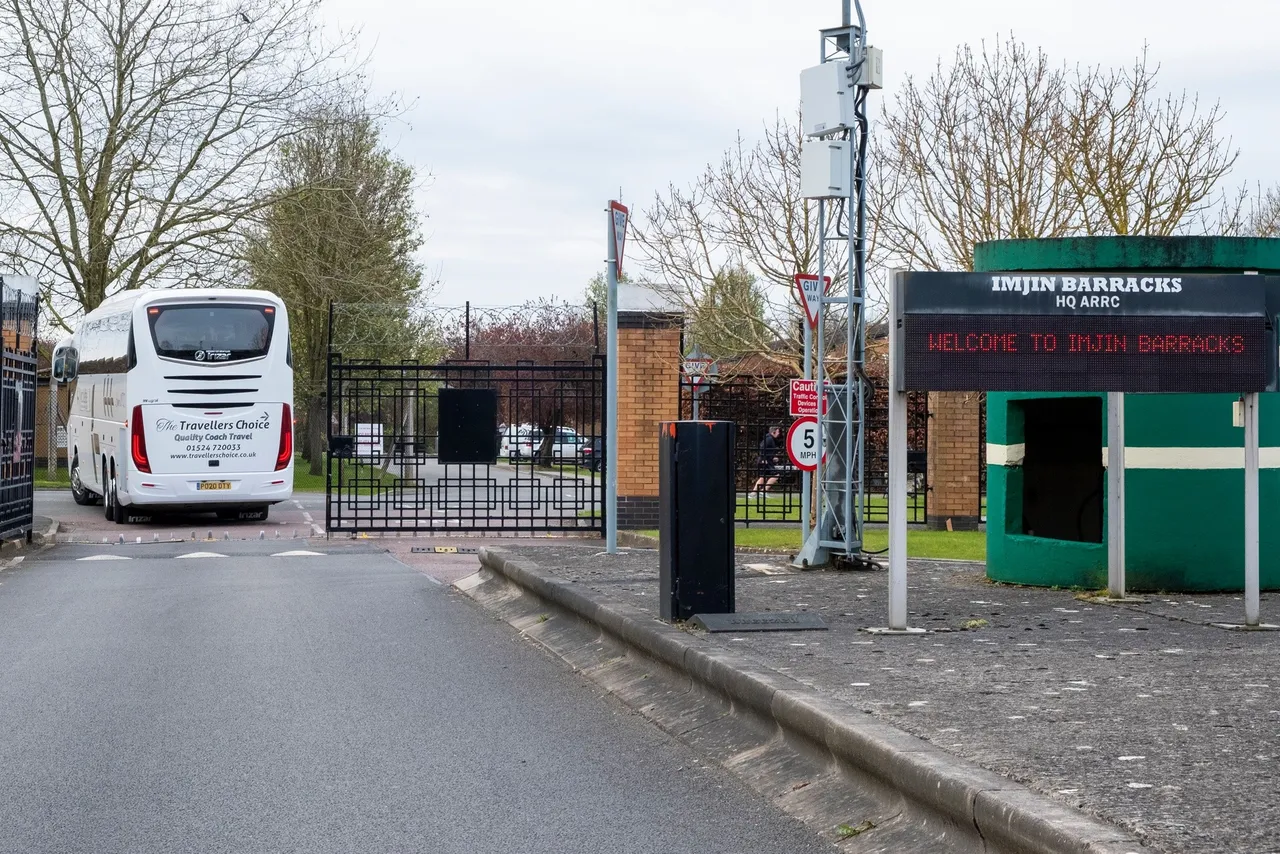
US Army names lieutenant colonel held in Britain over alleged Russian espionage
An Army official identified Lt Col Brandon Tyner, assigned to NATO's Imjin Barracks in England, as the officer arrested this week on suspicion of helping Russian intelligence.
TaiwanDefence · 6h ago · 2 min read
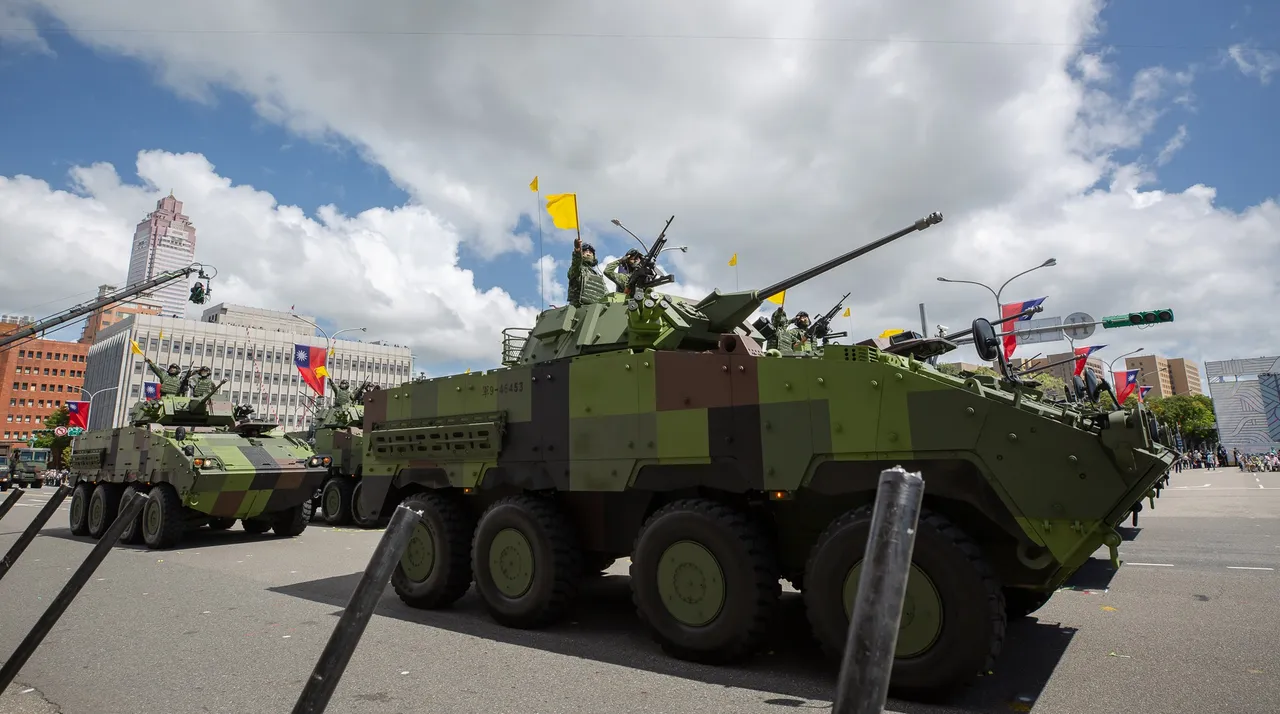
Taiwan's military police rehearse clearing enemy saboteurs from Taipei infrastructure at night
The 202nd Military Police Command sent CM33 and CM34 armoured vehicles through Taipei late on 11 November to drill guarding a key site alongside the police.
TaiwanDefence · 1d ago · 2 min read
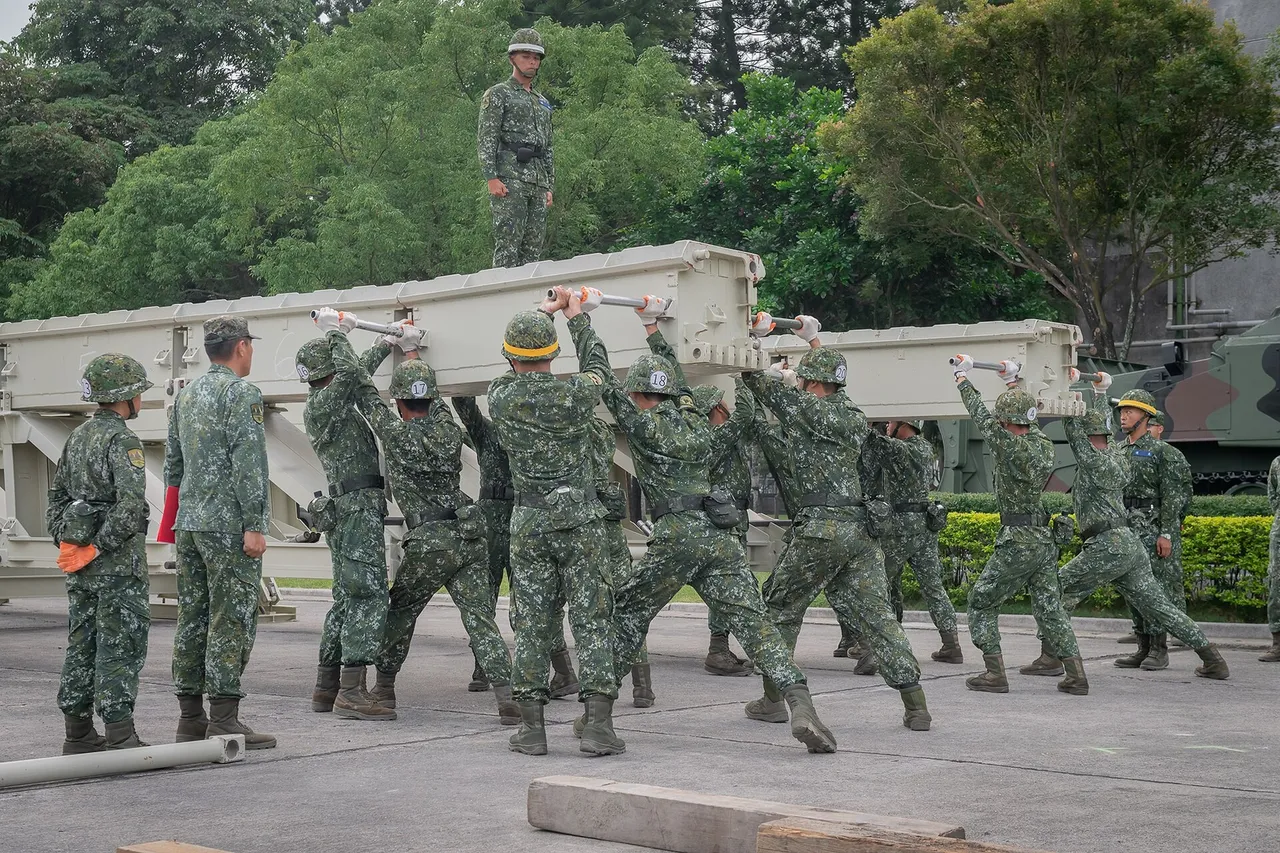
Taiwan's army drops stand-alone bridge blasts from 2027 training, saying it has the data it needs
Army commander Lu Kun-hsiu says every operational area has gathered its demolition data, making Tainan's Touqian River Bridge the last live blast of this phase.
TaiwanDefence · 1d ago · 2 min read
Discussion (0)
Comments are not currently available.