
Japan scrambled fighters 135 times in October, its busiest month this year, as Chinese flights surged
Japan's Joint Staff says 94 of October's 135 fighter scrambles were against Chinese aircraft, with the south-western command near Taiwan handling 73 launches.

TAIPEI —
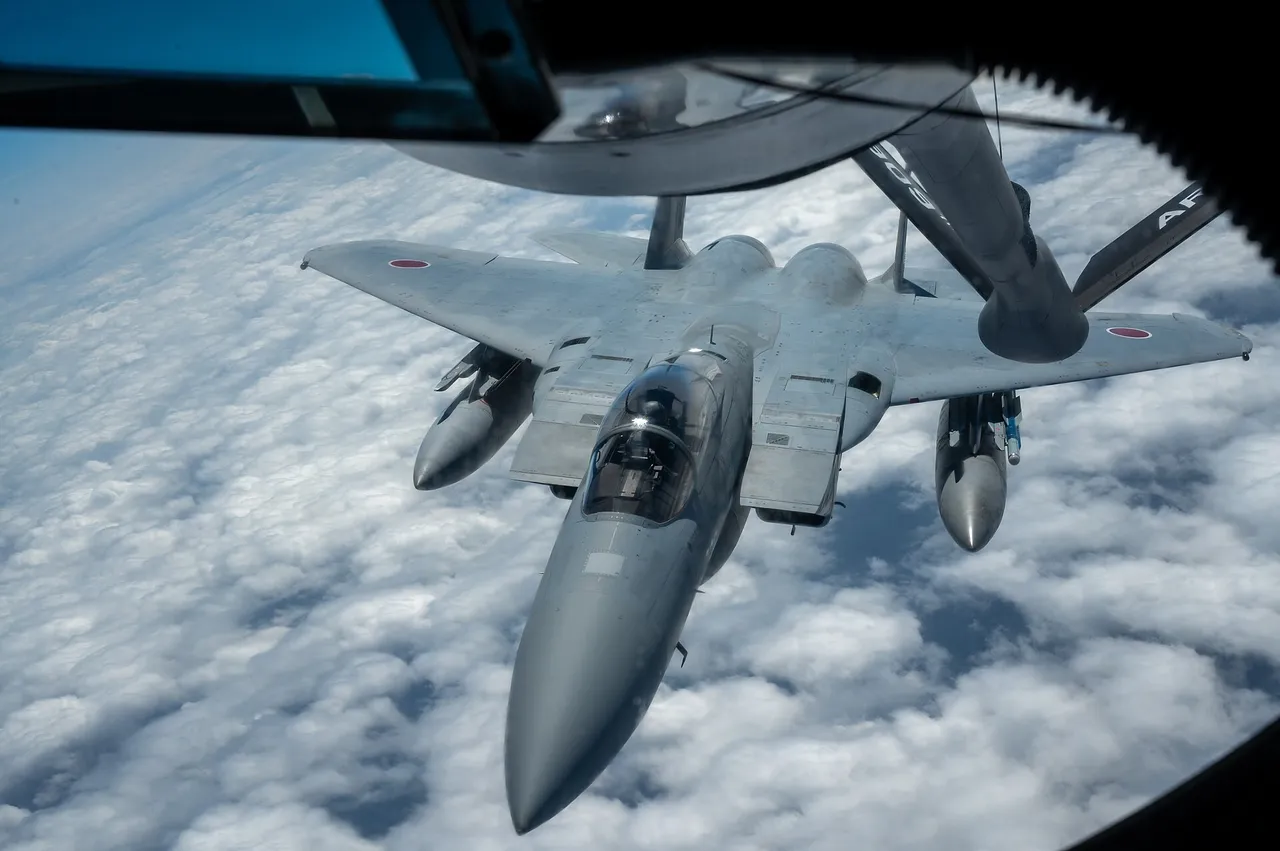
Japan's Air Self-Defense Force scrambled fighter jets 135 times in October 2026 to respond to foreign aircraft approaching the country, the highest monthly total since the Japanese fiscal year began in April. The preliminary figures were released on 13 November by the Joint Staff Office of the Ministry of Defense.
Aircraft that Japan attributed to China, a category that includes estimated identifications, accounted for 94 of the October launches. Russian aircraft prompted 40 scrambles, one was against an aircraft from another country or region, and none involved North Korea. The Joint Staff said the numbers are provisional and may still be revised.
The October count was up from 95 in September, a rise of a little over 42 percent according to a calculation by the defence news site Escenario Mundial. Scrambles against Chinese aircraft grew from 70 to 94 over the same period, while those against Russian aircraft went from 24 to 40, so Chinese activity accounted for most of the month-on-month increase.
The busiest sector by a wide margin was the south-west. The Southwestern Air Defense Force, which watches the approaches from the East China Sea and the airspace around Japan's south-western islands, launched fighters 73 times in October, up from 42 in September and more than half of the national total. The Northern Air Defense Force recorded 29 scrambles, the Western Air Defense Force 26 and the Central Air Defense Force seven.
The monthly series shows a steady climb through the year. Japan recorded 55 scrambles in April, 59 in May, 67 in June and 90 in July, before a dip to 76 in August and a rebound to 95 in September. That brought the total for the first seven months of fiscal 2026 to 577, of which 379 were against Chinese aircraft, 192 against Russian aircraft and six against others.
Over those seven months the south-western command again led the country with 274 scrambles, followed by the northern command with 141, the western command with 128 and the central command with 34, according to the Joint Staff tables.
The year-on-year change is sharper still. In October 2025, Japan scrambled fighters 71 times, of which 43 were against Russian aircraft and 25 against Chinese aircraft, according to Joint Staff figures reported at the time by J Defense News. On those official numbers, scrambles against Chinese aircraft in October 2026 were nearly four times the level of a year earlier.
Escenario Mundial cautioned that the monthly totals do not identify individual flights and cannot on their own show the intent of the aircraft concerned, but said the October data points to a clear intensification of Japan's surveillance and interception work, especially in the south-west.
The pressure has continued into November. Japan's Joint Staff reported Chinese drones flying through the gap between Yonaguni and Taiwan on 11 and 12 November, including a BZK-005 reconnaissance drone on the first day, and fighters of the Southwestern Air Defense Force were scrambled in response each time, Zona Militar reported. No violation of Japanese airspace was reported.
For Taiwan, the figures matter because the south-western sector covers the island chain that runs from Okinawa toward Yonaguni, a little over 100 kilometres from Taiwan. A rising tempo of Chinese flights there stretches Japanese air defence crews and aircraft along the same corridor that Chinese forces use to move between the East China Sea and the western Pacific.
Sources
More in Indo-Pacific
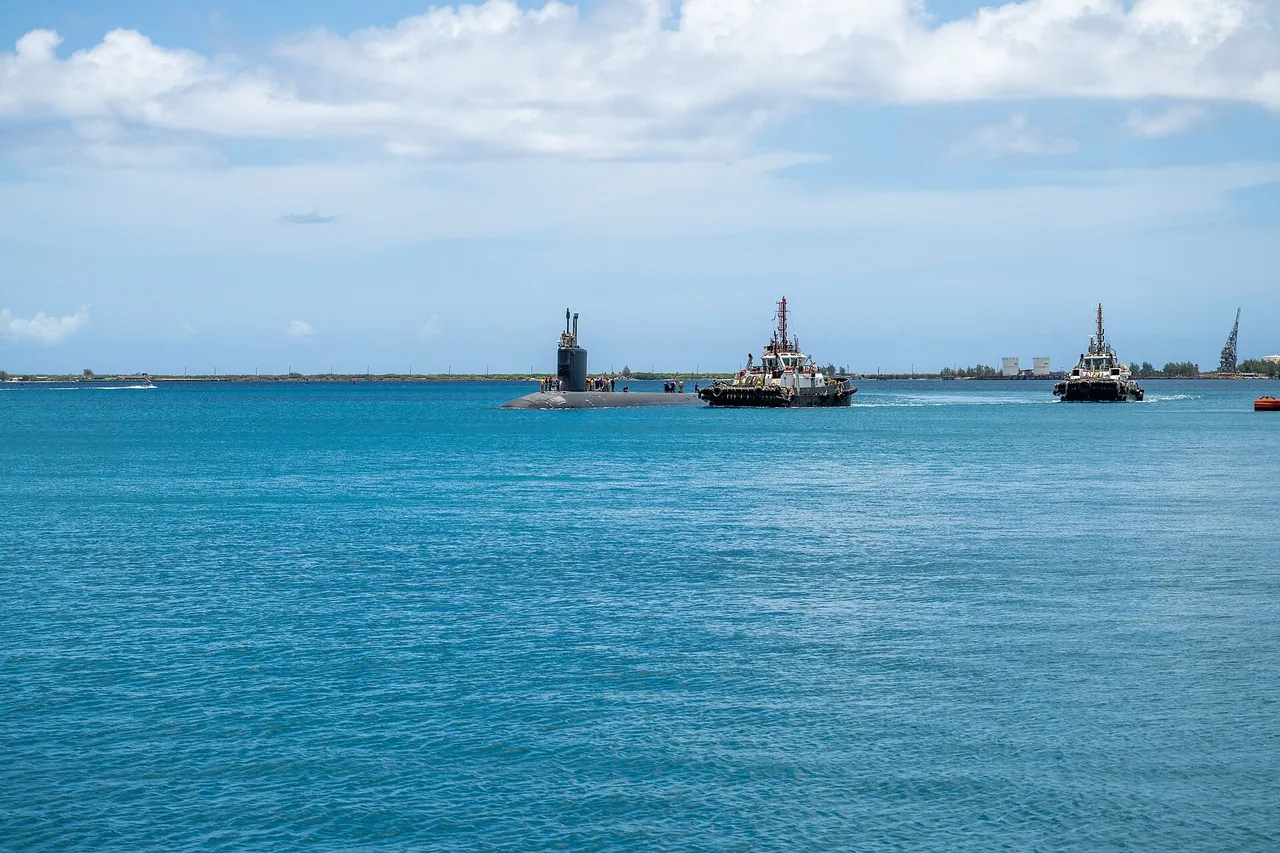
Pentagon policy chief Colby calls attack submarines indispensable to holding the First Island Chain
Elbridge Colby told the Naval Submarine League on 12 November that US attack submarines sit at the heart of a denial defence along the First Island Chain.
TaiwanDefence · 1h ago · 3 min read
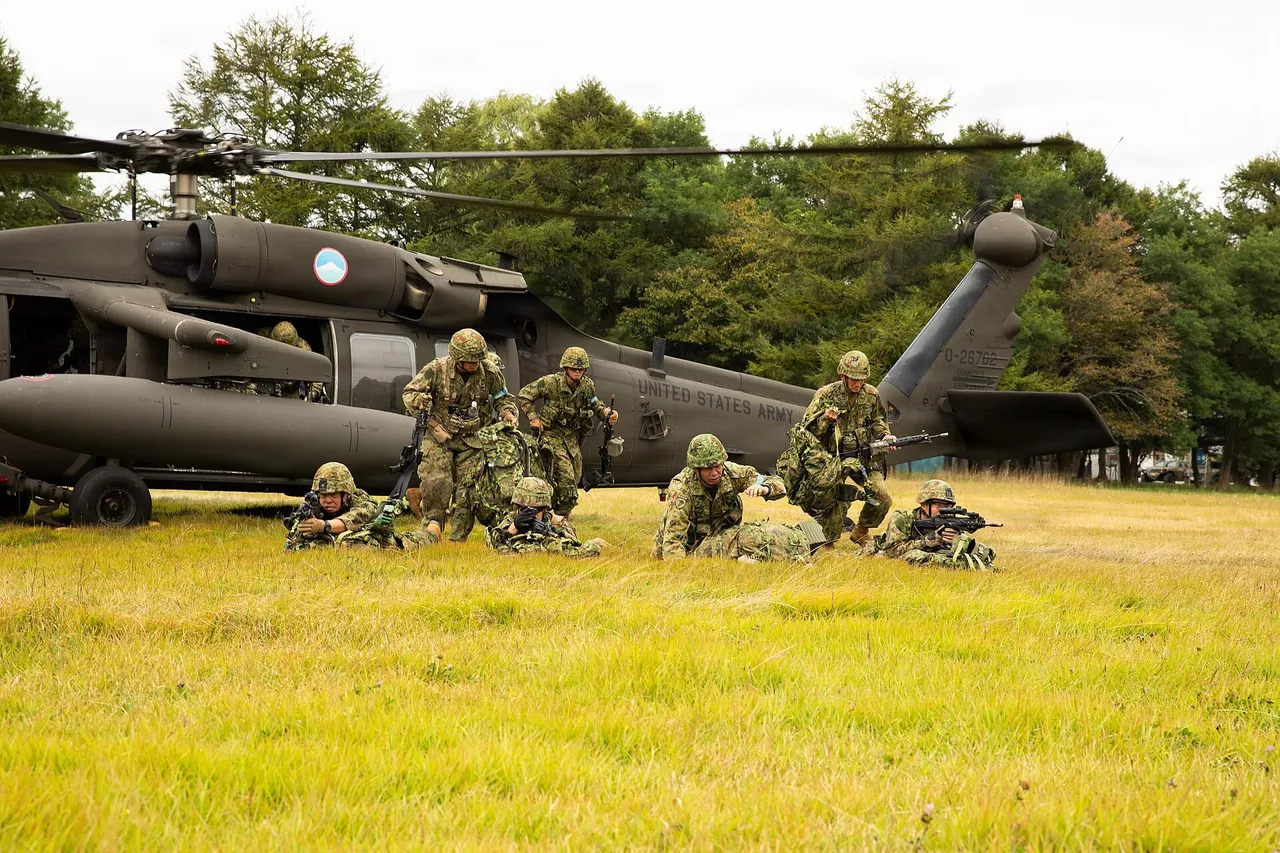
Japan raises pay for every rank of its Self-Defense Forces as recruiting shortfalls bite
A law passed by Japan's upper house on 13 November lifts base pay and bonuses for all SDF members, backdated to April, and adds a new transfer allowance.
TaiwanDefence · 3h ago · 2 min read
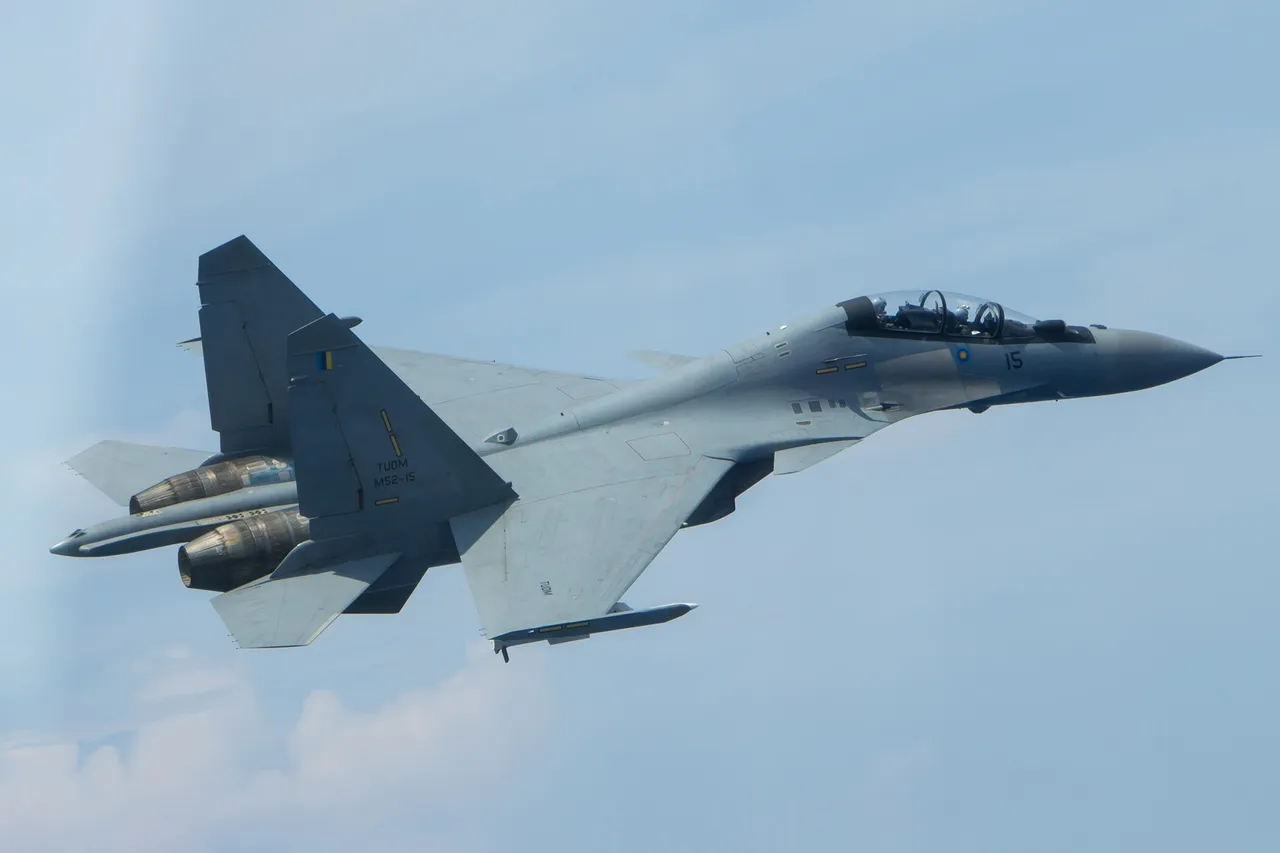
Malaysia says a BrahMos buy for its Su-30MKM fighters is still only being explored
Defence Minister Khaled Nordin told parliament no decision has been made, as the missile's maker says talks with other South-east Asian buyers are advanced.
TaiwanDefence · 5h ago · 3 min read
Discussion (0)
Comments are not currently available.