
Pentagon policy chief Colby calls attack submarines indispensable to holding the First Island Chain
Elbridge Colby told the Naval Submarine League on 12 November that US attack submarines sit at the heart of a denial defence along the First Island Chain.
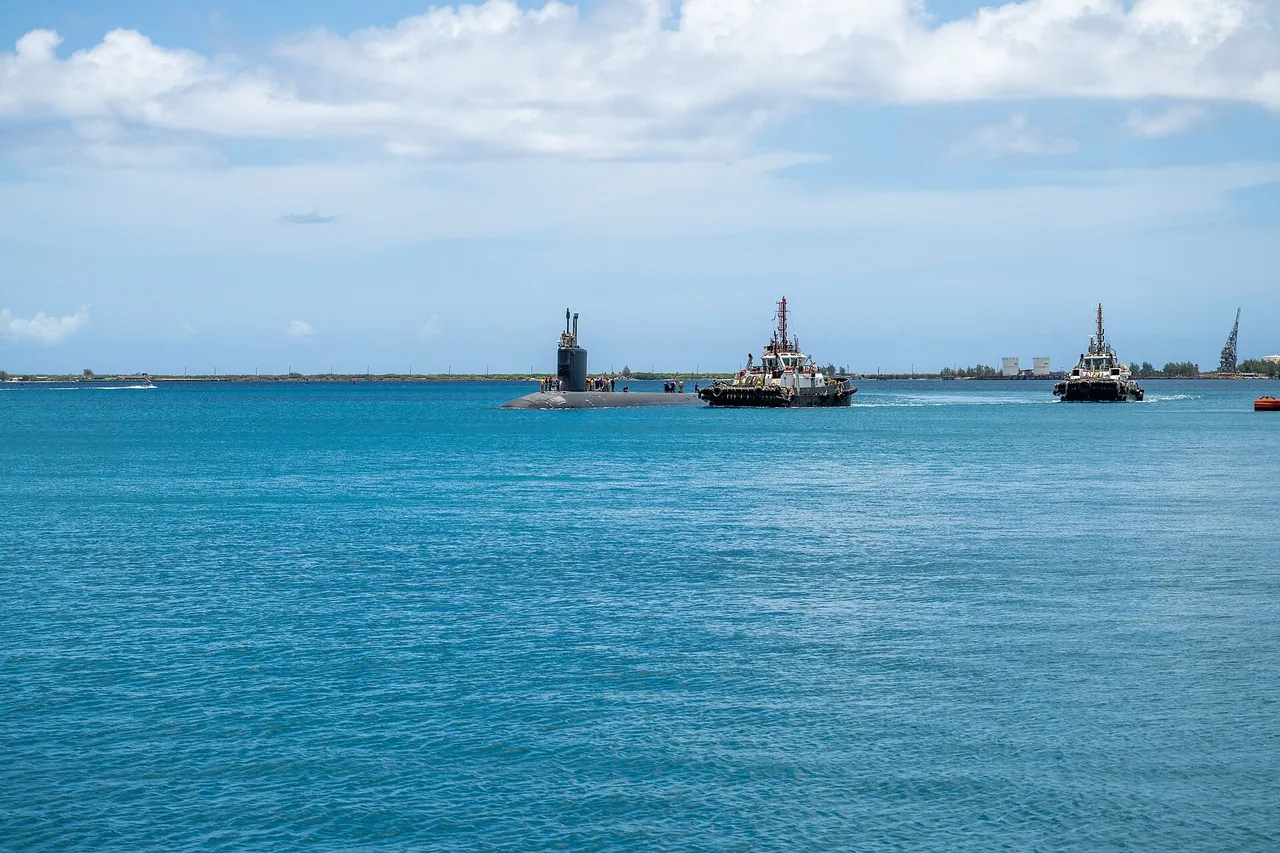

TAIPEI —
Elbridge Colby, the US Under Secretary of War for Policy, has told the submarine industry that American attack submarines are indispensable to the Pentagon's strategy of deterrence by denial in the Indo-Pacific. He delivered the address on 12 November at the Naval Submarine League's annual symposium, and the Department of War published his prepared text the same day.
Colby said the department's defence approach centres on the First Island Chain. Its aim, he explained, is to make sure a potential aggressor understands that it cannot achieve quick and decisive military success at an acceptable cost, so that restraint becomes the sensible choice. He described denial as a realistic rather than a maximalist strategy, resting on credible capability, operational readiness and a resilient force posture.
The Japan Times, carrying a Bloomberg report, noted that Colby did not name China in front of an audience of submarine contractors and Navy officials, but judged the reference to be unmistakable. The report said he presented the submarine force as crucial to denying an adversary control of the island chain that runs through Japan, Taiwan, parts of the Philippines and Indonesia, and it read his remarks about a quick victory at or across the sea as a possible reference to deterring a Chinese move against Taiwan.
In his text, Colby argued that in a region defined by distance and maritime geography, submarines complicate an adversary's plans in ways that few other capabilities can match. He added that the undersea domain is gaining strategic value as the sea surface becomes easier to observe and more heavily contested.
He also claimed that the United States keeps a very significant advantage under the sea, and that its attack submarines can operate far forward, even in the earliest phases of a conflict, without depending on a large, fixed and vulnerable footprint. In his view this lets Washington generate major effects at sea with relatively limited political exposure, which he said matters in a conflict where geography could create a perception that American interests or resolve are weaker than an opponent's.
Colby did not present that edge as permanent. He told the audience that potential adversaries are alert and investing heavily, and that the undersea advantage will not sustain itself without new investment in the next generation of submarines and related systems.
He tied the submarine force to the administration's push for what he called a generational revival of the defence industrial base, including a requested 1.5 trillion dollar infusion into US defences and industry. He listed a fifth naval shipyard, a new repair centre for submarine components and a project called Arsenal-2, which he described as the largest new shipyard in the United States and one designed to build submarines.
At the same time, he warned that extra industrial capacity is not the measure of success on its own. The tests that count, he said, are submarines delivered on schedule, maintenance finished as planned and more boats available to the fleet.
The Japan Times report placed the speech a week before President Donald Trump and Chinese leader Xi Jinping are due to hold their third summit of the year, on the sidelines of the Asia-Pacific Economic Cooperation meeting in Shenzhen.
For Taiwan, the address sets out from the Pentagon's policy office why undersea forces sit at the centre of US planning for the Western Pacific. The explicit focus on the First Island Chain and on denying an aggressor a fast victory across the sea matches the threat that Taiwan's own forces train against, while Colby's stress on delivery and maintenance points to the gap the US industrial base still has to close.
Sources
More in Indo-Pacific
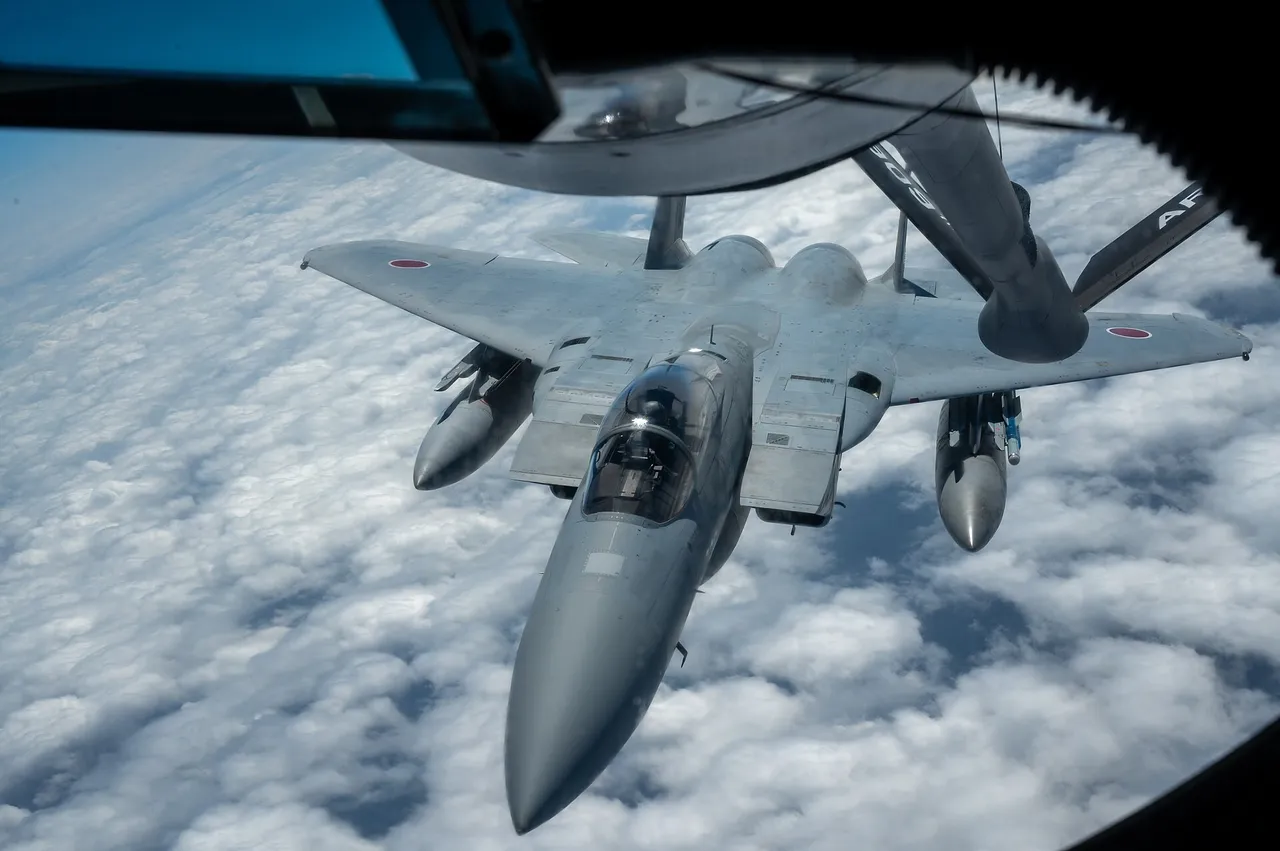
Japan scrambled fighters 135 times in October, its busiest month this year, as Chinese flights surged
Japan's Joint Staff says 94 of October's 135 fighter scrambles were against Chinese aircraft, with the south-western command near Taiwan handling 73 launches.
TaiwanDefence · just now · 3 min read
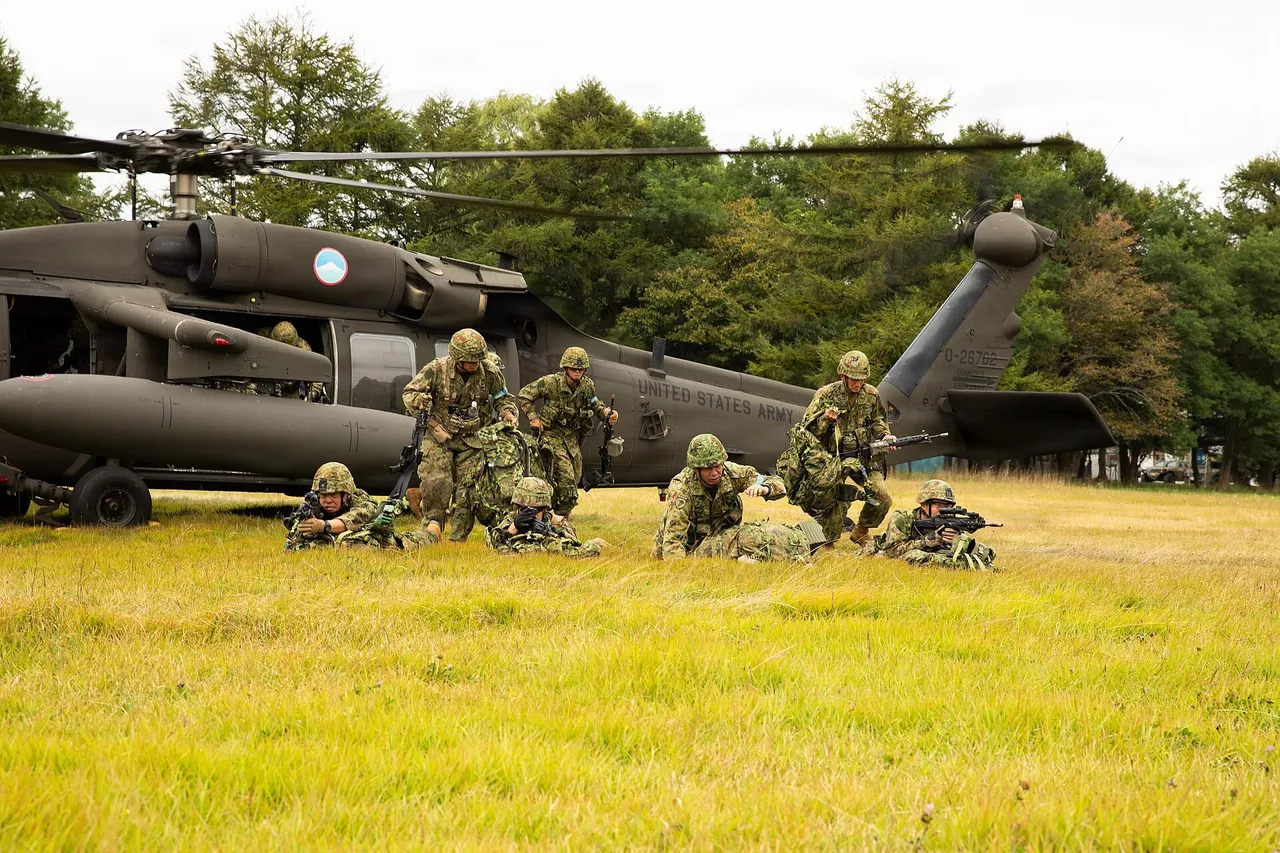
Japan raises pay for every rank of its Self-Defense Forces as recruiting shortfalls bite
A law passed by Japan's upper house on 13 November lifts base pay and bonuses for all SDF members, backdated to April, and adds a new transfer allowance.
TaiwanDefence · 3h ago · 2 min read
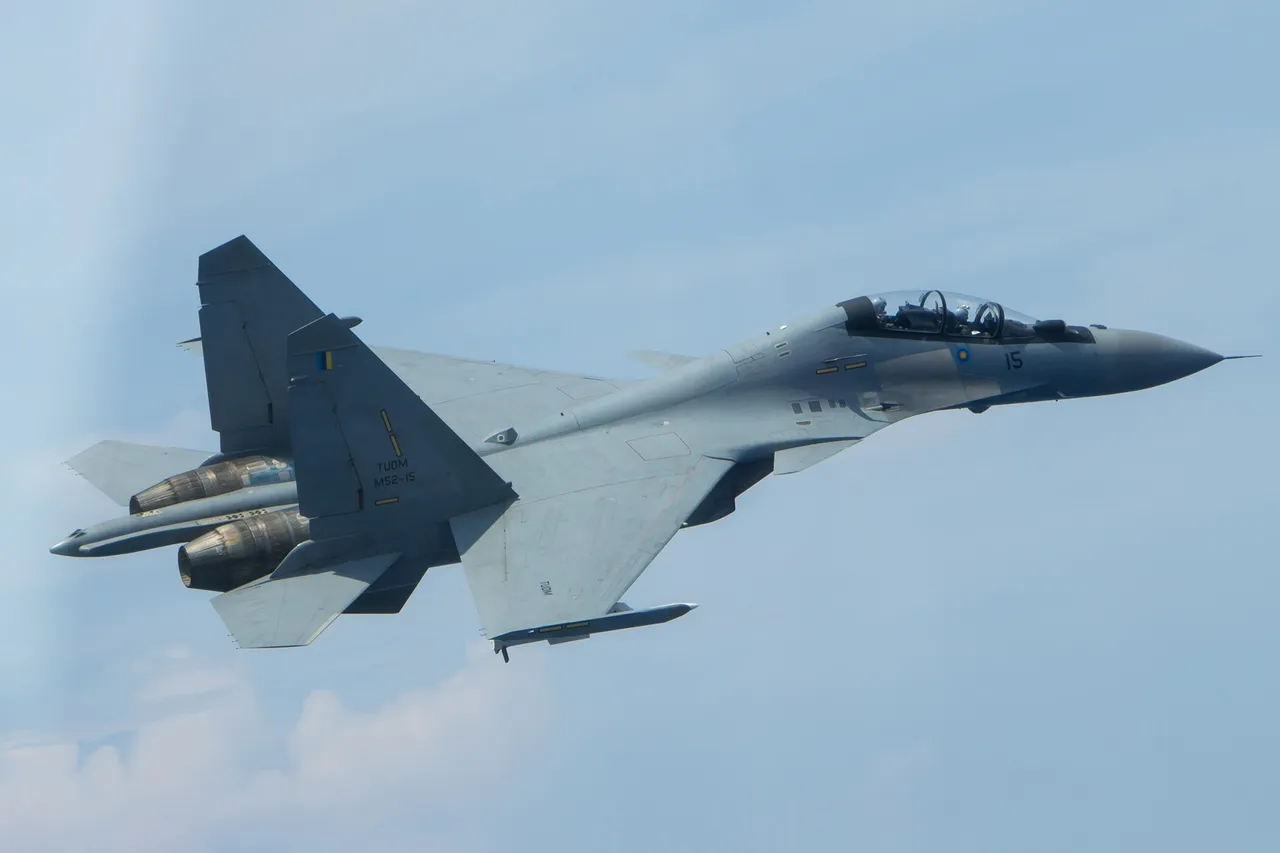
Malaysia says a BrahMos buy for its Su-30MKM fighters is still only being explored
Defence Minister Khaled Nordin told parliament no decision has been made, as the missile's maker says talks with other South-east Asian buyers are advanced.
TaiwanDefence · 4h ago · 3 min read
Discussion (0)
Comments are not currently available.