
Japan's defence minister says public sees need to debate nuclear-powered submarines
Shinjiro Koizumi weighed the boats' endurance and speed against their cost as Tokyo considers naming them in security documents due by year-end.
TAIPEI —
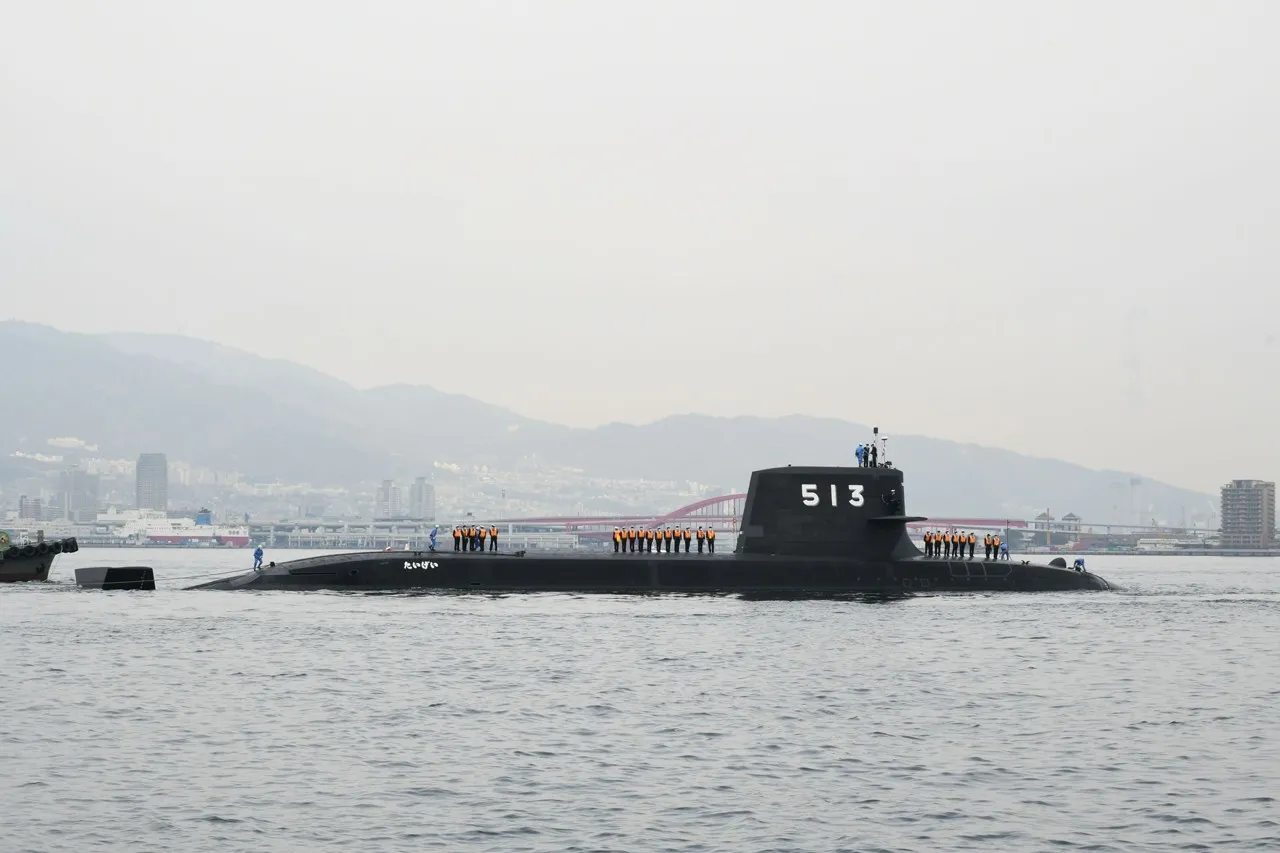
Japanese Defence Minister Shinjiro Koizumi said on Friday that the public probably already understands the need to debate whether the Self-Defense Forces should acquire nuclear-powered submarines, and that the government will keep studying them as an option. Speaking at a regular news conference after the cabinet meeting on 9 October, he said Tokyo has not settled on any conclusion but will not exclude any option and will explain the issue carefully to the public as the discussion goes on, according to the Yomiuri Shimbun, the Sankei Shimbun and Nikkei.
The remarks came days after reports that the government is weighing a reference to nuclear-powered submarines in the three national security documents it plans to revise by the end of 2026, most likely as a subject for further study rather than a decision to buy them. A government source told Kyodo News that writing such a line into the documents would make it easier to hold concrete discussions, whether or not Japan ultimately acquires the boats.
Endurance and speed against cost
Koizumi set out what he sees as the main advantages: the ability to stay submerged for long periods and to travel at higher speed. He said those qualities would let crews carry out missions with a higher level of safety and pull out of dangerous waters safely. On the common objection that nuclear boats are noisier underwater than conventional ones, he said their quietness was improving.
He also acknowledged the drawbacks, including construction costs expected to be several times those of a conventional submarine and the specialised expertise needed to maintain and service a nuclear plant. The Sankei Shimbun reported that he pointed to moves by countries such as Australia to acquire nuclear submarines, and he said Japan would build up a concrete and realistic debate, grounded in its security environment, about what is needed to protect people's lives.
Legal and political hurdles
Supporters argue that such boats are essential to Japan's deterrence as the Chinese military expands its activity into the Pacific. Jiji Press reported that conventional submarines must periodically raise air intake and exhaust masts, while nuclear submarines can stay down for months and travel at more than 50 kilometres per hour compared with about 35 for conventional boats, and their larger hulls could carry counterstrike weapons.
The obstacles are substantial. Japanese law limits the use of nuclear energy to peaceful purposes, and past governments have held that it cannot be used to power SDF submarines, Kyodo reported. The Japan Innovation Party, the junior partner in Prime Minister Sanae Takaichi's coalition, called in June for nuclear submarines to be introduced quickly, but many in the governing Liberal Democratic Party remain cautious, and one senior LDP lawmaker told Jiji that any study would probably conclude the boats are unnecessary.
Sources
More in Navy
US reportedly accepts Taiwan's price requests for MH-60R sub-hunting helicopters and C-130Js
Military sources told the Liberty Times that Washington has taken Taiwan's letters of request for two long-sought aircraft, a first step that falls well short of an approved sale.
TaiwanDefence · 9h ago · 3 min read
Hai Kun submarine stays docked as year-end delivery target nears and experts split over its control system
With about two and a half months left on CSBC's year-end pledge, a former navy adviser says Taiwan's prototype submarine needs a new platform management system; an analyst says debugging is enough.
TaiwanDefence · 17h ago · 3 min read
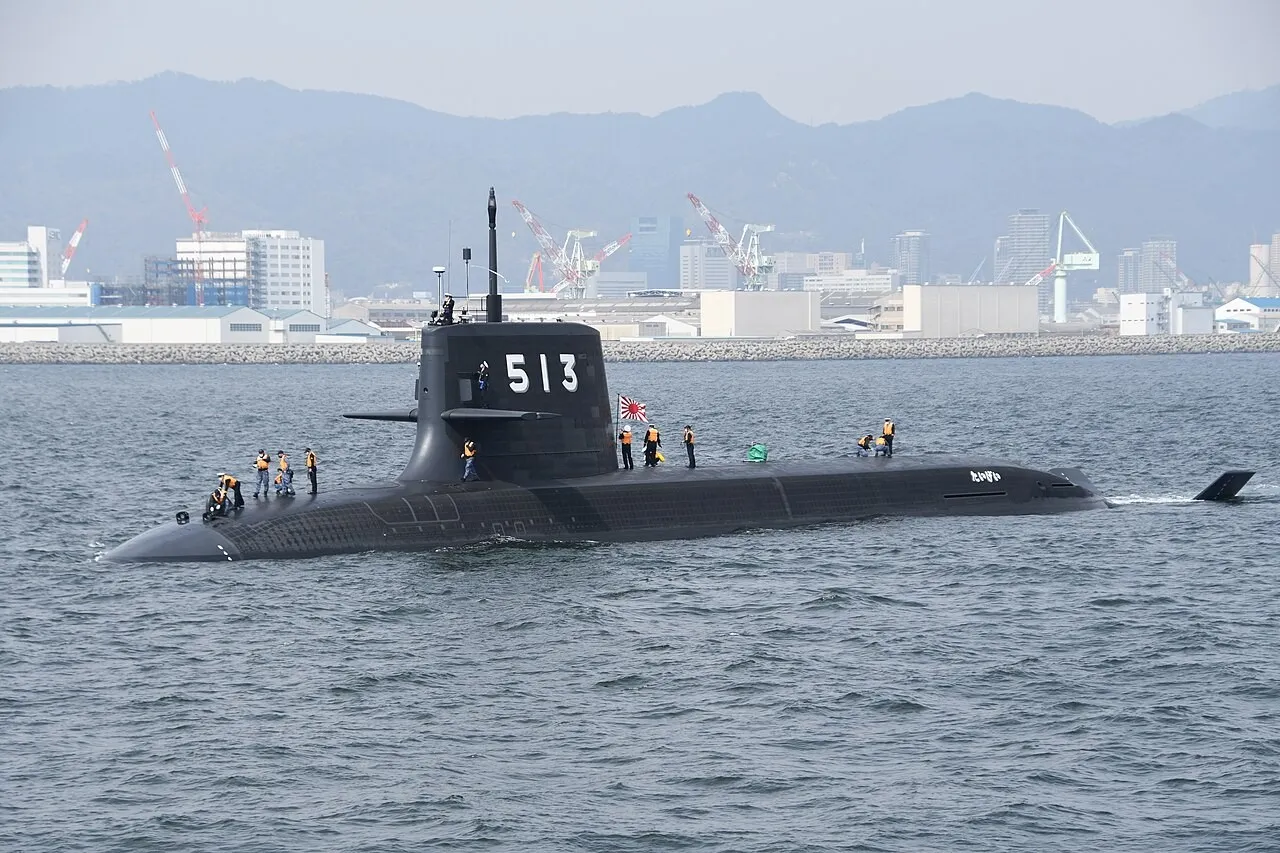
Japan launches seventh Taigei-class submarine Shogei in Kobe
Mitsubishi Heavy Industries floated the diesel-electric boat for the Maritime Self-Defense Force on 8 October as Tokyo weighs propulsion choices for a larger VLS-armed follow-on design.
TaiwanDefence · 1d ago · 2 min read
Discussion (0)
Comments are not currently available.