
Japan's ruling parties set talks on a defence plan that could cost up to 80 trillion yen
The LDP and Ishin will open work on Japan's three security documents on 10 November, with spending, nuclear submarines and non-nuclear rules in dispute.
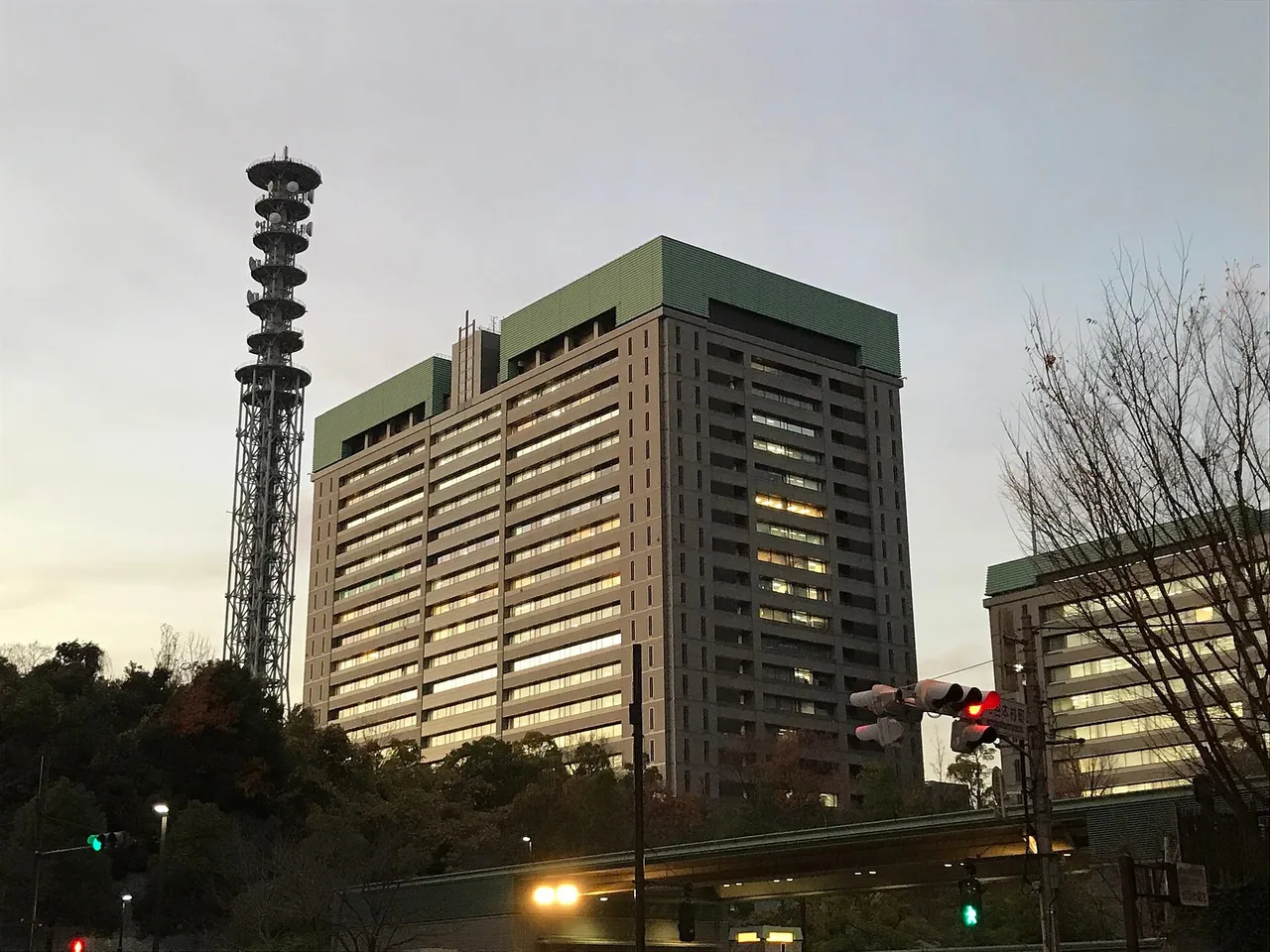
TAIPEI —
Japan's two ruling parties, the Liberal Democratic Party and the Japan Innovation Party (Ishin), are arranging to hold their first working-level meeting on 10 November on revising the country's three security documents, Kyodo News and Jiji Press reported on 4 November, citing several people involved. The talks open as a plan to spend 70 trillion to 80 trillion yen on defence over the five years from fiscal 2027 circulates inside the government and the ruling camp.
What the talks will cover
Kyodo said the working group will be led by Yasukazu Hamada, who chairs the LDP's research commission on security, and Seiji Maehara, who holds the same post in Ishin. The first session is expected to settle the agenda and the way forward. The government is expected to present an outline of the revisions, including its assessment of the security situation around Japan, China included, and the broad direction of a shift towards large-scale use of drones and artificial intelligence.
Jiji said the main points of contention are the size of the rise in defence spending, a review of the three non-nuclear principles, which Prime Minister Sanae Takaichi has long argued should be revisited, and whether Japan should acquire nuclear-powered submarines. The parties aim to compile recommendations and submit them to the prime minister by early December. Kyodo reported that the government is working towards a cabinet decision on the documents in December, and that the two parties differ on both the non-nuclear principles and nuclear-powered submarines.
The schedule is tighter than last time. When the current documents were drawn up in 2022, the LDP and its then coalition partner Komeito began working-level talks in October and the cabinet approved the documents on 16 December, Kyodo noted. The agency quoted an unnamed LDP figure as saying this round had already started late and that discussion needed to speed up.
The price tag
Reuters reported on 2 November, citing two people with knowledge of the matter, that a figure of 70 trillion to 80 trillion yen has been floated for the next five-year defence buildup programme, one of the three documents. At the upper end that would be about 1.8 times the roughly 43 trillion yen of the current plan, which runs from fiscal 2023. One source said much of the extra money would go on buying drones in large numbers and that the weak yen had pushed up the cost of imported equipment. The other said the total might settle in the mid-to-high 70 trillion yen range, and questioned whether even that would be enough given the security situation in East Asia.
How to pay for it remains open. In an interview published by Reuters on 5 November, Keio University economist Takero Doi, who sits on the Finance Ministry's fiscal advisory council, said Takaichi should state plainly that the increase will not rely on government bonds, and said he opposed raising corporate tax to fund it. He noted that 70 trillion yen over five years works out at 14 trillion yen a year, roughly two years of the state budget for education and science, and said the public should be asked directly whether spending on that scale is right.
Koizumi presses the nuclear question
Defence Minister Shinjiro Koizumi used a symposium in Tokyo on 3 November to repeat that the revision process should include a debate on the three non-nuclear principles, Kyodo reported. He pointed to Chinese and Russian military activity around Japan, said the country needed an environment in which necessary security policies could be discussed openly, and said society as a whole should share an awareness of the nuclear threat while the documents are finalised.
Why it matters
The three documents set Japan's national security strategy, its defence strategy and its five-year buildup programme, so the outcome will decide how much Tokyo spends on its forces and what kind of forces it buys for the rest of the decade. The government's outline is expected to set out its reading of the security situation around Japan, China included, and the 10 November meeting is the first formal step in a short negotiation over money, submarines and the limits of Japan's nuclear policy.
Sources
More in Indo-Pacific
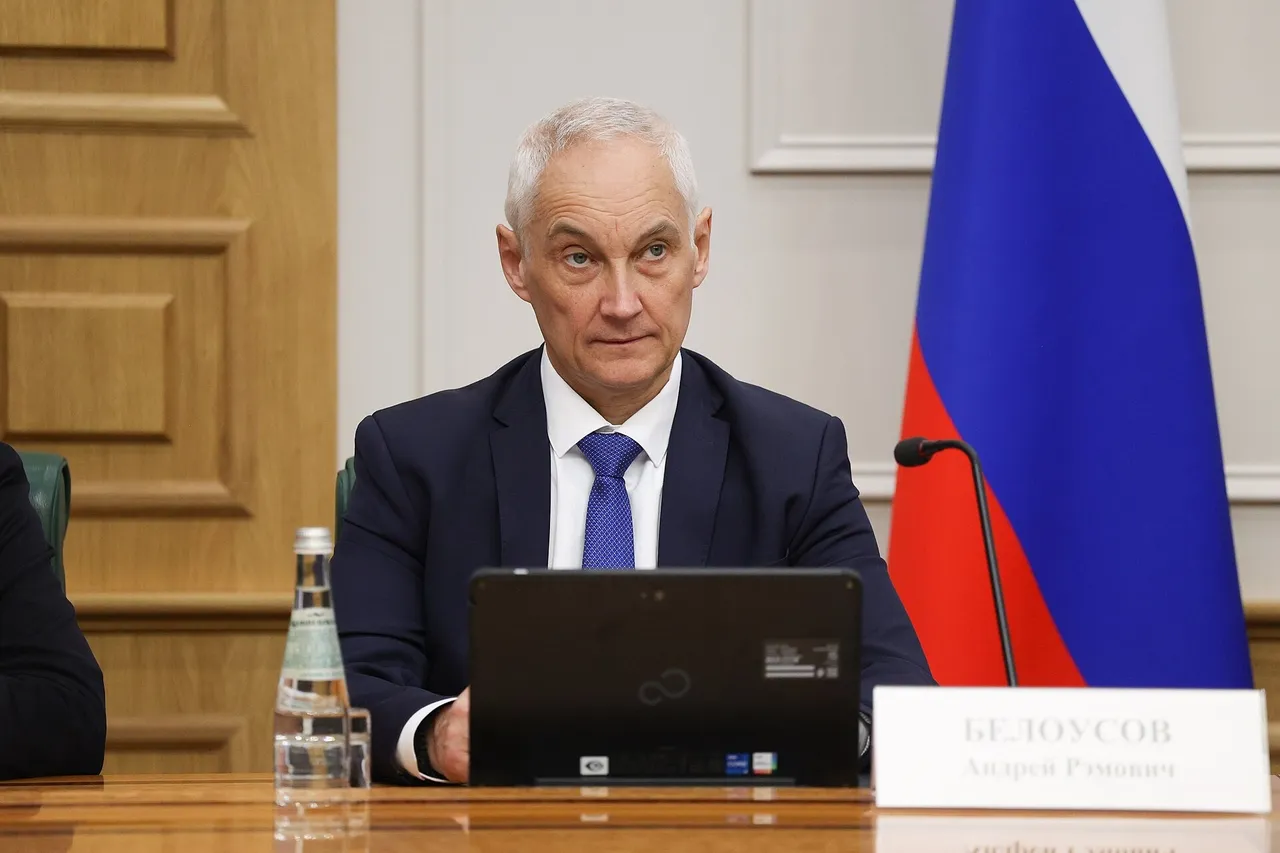
China's top general hosts Russia's defence minister and pledges closer military ties
Zhang Shengmin, one of only two active members of China's top military body, met Andrei Belousov in Beijing as Moscow hailed an unprecedented partnership.
TaiwanDefence · 3h ago · 2 min read
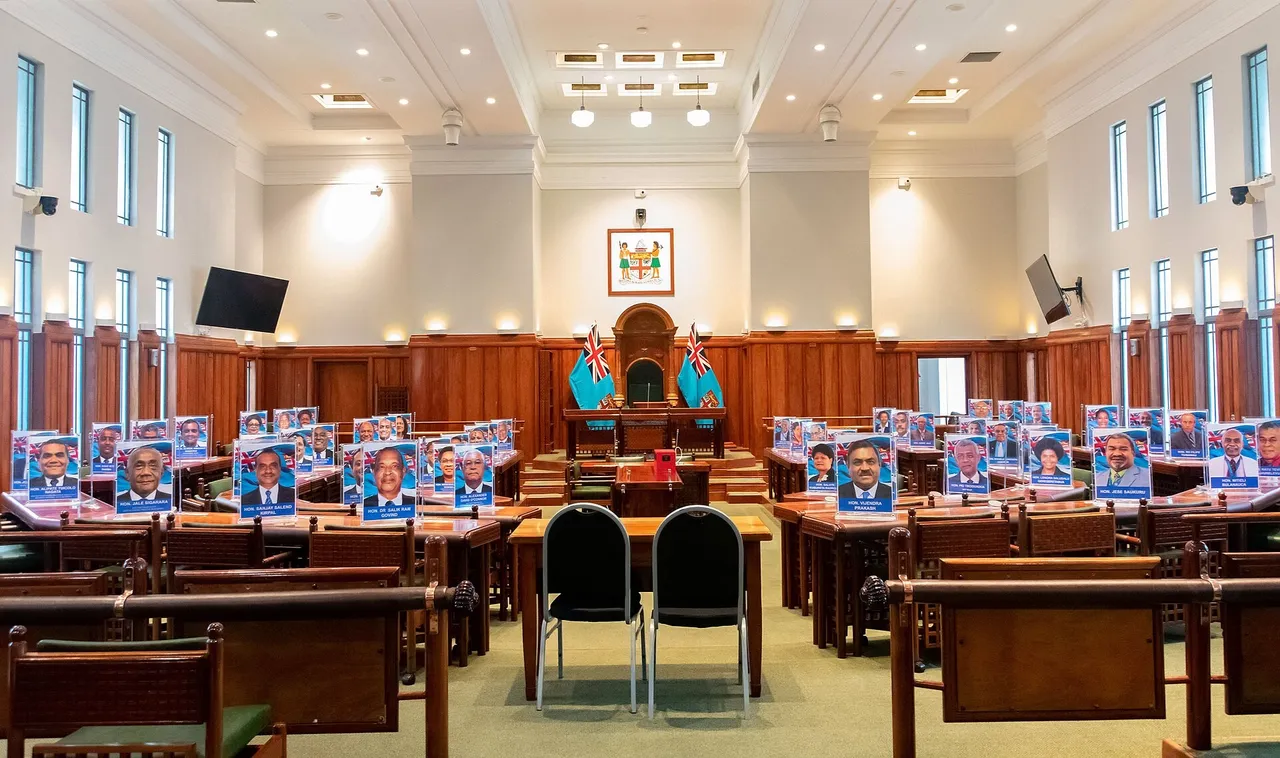
Fijian committee puts Australia defence treaty on hold as Rabuka vows another route
A Fijian parliamentary committee wants talks reopened on the Veitacini defence treaty with Australia, citing visiting forces and intelligence sharing.
TaiwanDefence · 6h ago · 3 min read
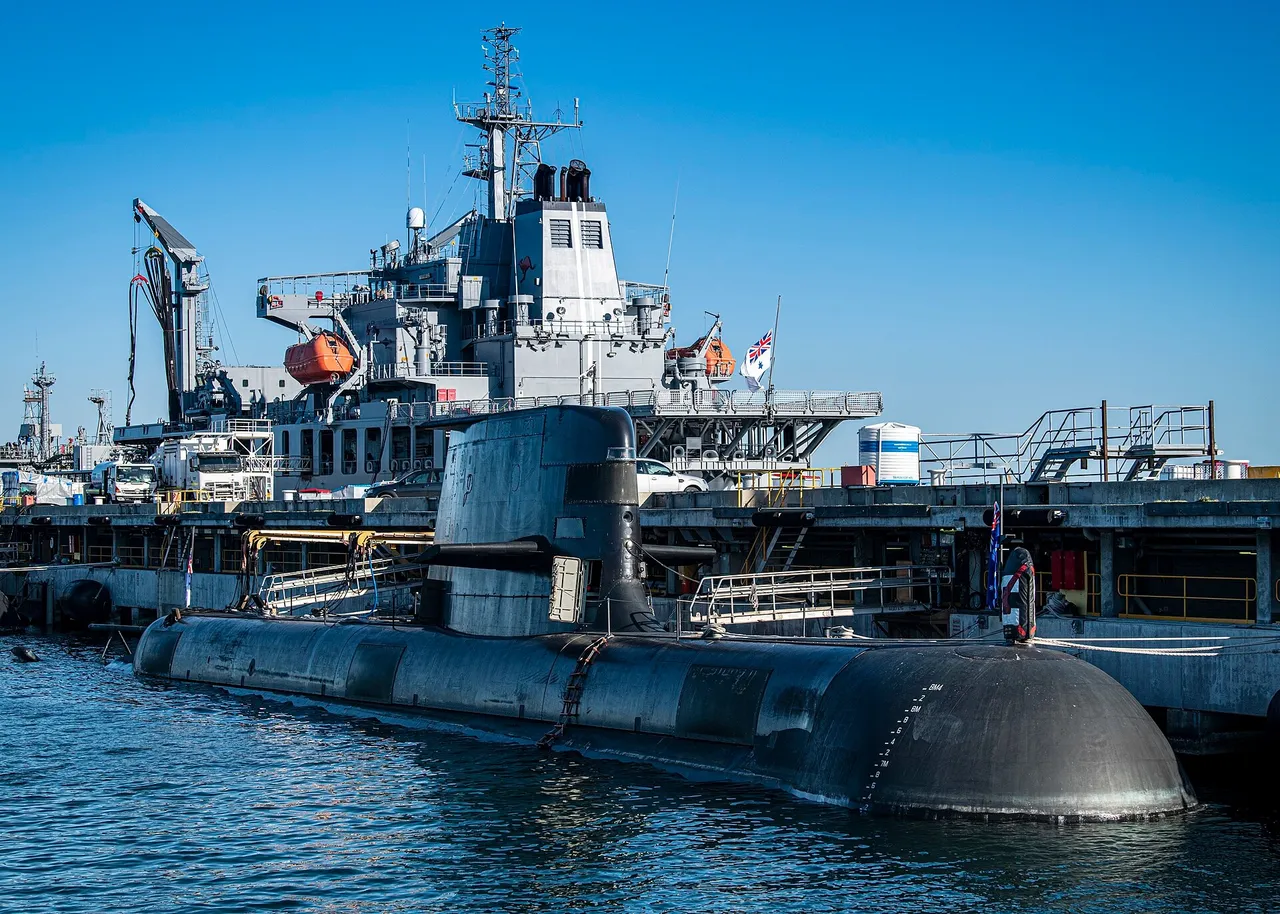
Independent Australian inquiry urges the government to scrap the AUKUS submarine deal
A union and community-backed inquiry led by Peter Garrett and ex-defence chief Chris Barrie calls AUKUS too costly and risky. Canberra rejects it.
TaiwanDefence · 8h ago · 3 min read
Discussion (0)
Comments are not currently available.