
Japan's small test railgun fires 10 rounds in a row on battery power
Japan's defence procurement agency showed a 16mm railgun firing one round every 10 seconds, a step toward shrinking the huge power supply the weapon needs.
TAIPEI —
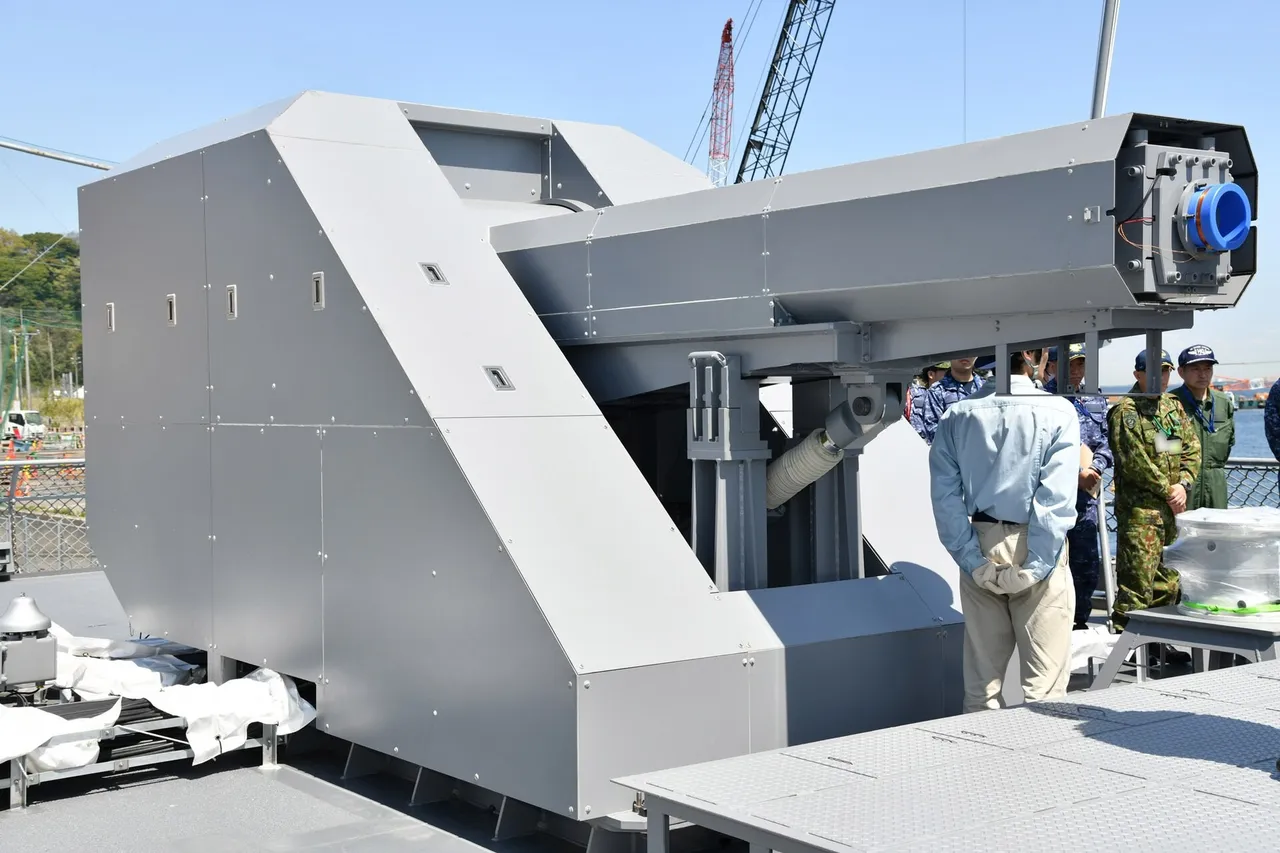
Japan's Acquisition, Technology and Logistics Agency has shown that a small experimental railgun can fire 10 rounds in a row using a battery-based power supply, according to research results displayed at the agency's 2026 technology symposium in Tokyo. The symposium runs on 10 and 11 November at the Hotel Grand Hill Ichigaya, and its exhibition programme lists the hypersonic railgun research of the agency's Ground Systems Research Center.
The test used a 16mm calibre launcher that fired about one round every 10 seconds, reaching a muzzle velocity of 240 metres per second, Yahoo News Japan reported. In place of part of the bulky capacitor bank normally used to store energy for each shot, researchers fed the gun from a high-output lithium titanate rechargeable battery originally developed for civilian use. Taiwan's Liberty Times described the same results and said they demonstrate that a smaller power supply and repeated firing are both feasible.
The numbers are modest by railgun standards, and both reports stressed that this was not a hypersonic rapid-fire demonstration. Yahoo News Japan said the result should be read as proof of the power technology that could later raise the firing rate of a full-size weapon, rather than proof of high-velocity sustained fire.
Power and firing rate are the two problems that have kept railguns off warships. A railgun drives a solid metal projectile along two rails using electromagnetic force rather than propellant, which demands very large bursts of current for each shot. Rail wear, the size of the energy storage system and the time needed to recharge between shots have long been the main obstacles, the Yahoo report said.
Japan's larger prototype shows the scale of the problem. According to an agency presentation from its 2025 symposium, the 40mm railgun is about 6 metres long, weighs about 8 tonnes and is charged with 5 megajoules of energy stored in a capacitor bank filling four 20-foot shipping containers. The agency said that gun had achieved a muzzle velocity above 2,300 metres per second and a rail life of more than 200 rounds.
That 40mm gun was fitted to the rear flight deck of the Japan Maritime Self-Defense Force test ship JS Asuka and fired at sea in June and July 2025. The agency said it scored multiple hits on a target ship southeast of Hachijojima and collected data on how the projectiles behave as they leave the barrel and fly through the air.
The Liberty Times said the next task is to scale up the new battery-based repeat-firing technology and integrate it with the larger gun. It reported that the related research project is planned to run until fiscal 2028, and that outside observers expect a shipborne weapon could be deployed on a new generation of Aegis-equipped ships between 2030 and 2035. Japan's defence ministry has not announced a deployment date.
The paper also noted that the United States, which spent heavily on naval railguns, later paused its programme and shifted funding toward hypersonic missiles and lasers, leaving Japan and China as the countries still pressing ahead with shipborne railguns. It said Japan sees the weapon as a cheaper way to defend ships against large salvos of missiles, since each round is expected to cost far less than an interceptor missile and a ship could carry hundreds of them.
For Japan, the work forms part of a wider push to bring new technology into service faster. The symposium programme also includes research on electromagnetic pulse munitions, robotic arms for automatic loading, future unmanned ground vehicles and a power supply for vehicle-mounted high-energy weapons, alongside talks by the defence minister and senior agency officials.
Sources
More in Indo-Pacific
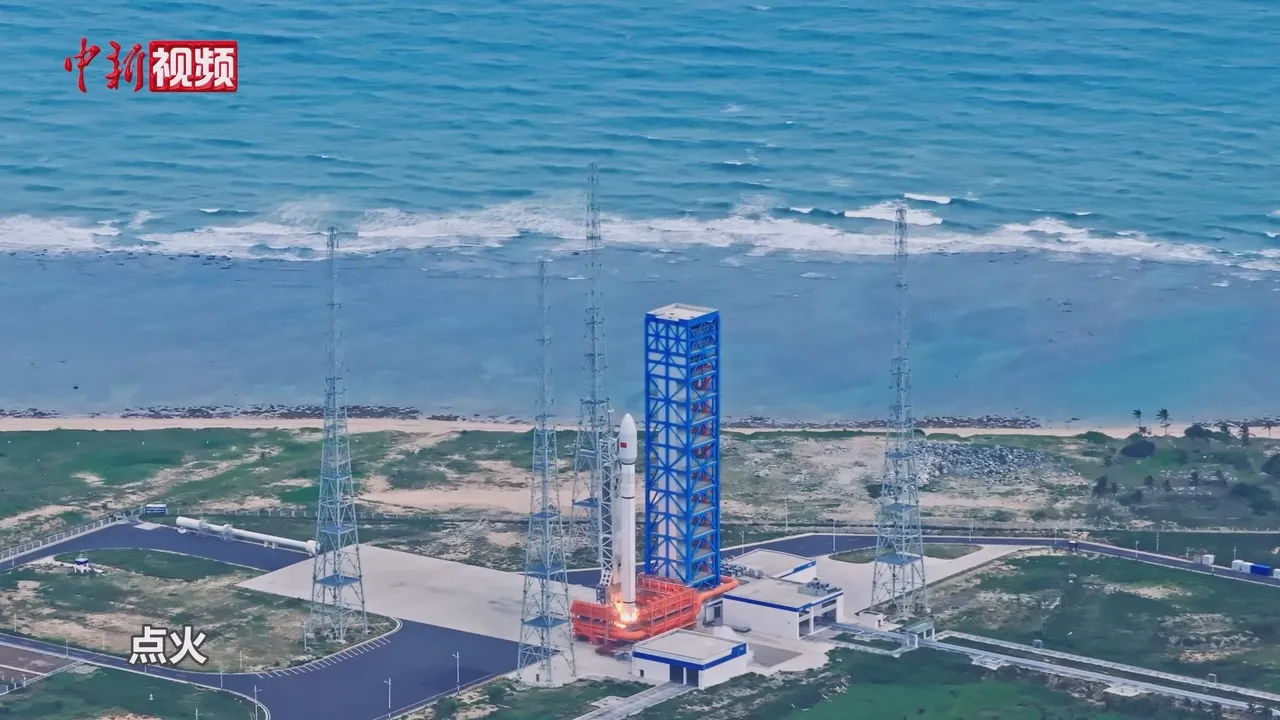
Philippine Navy puts its western command on alert as a Chinese rocket streaks over its sea outposts
Sailors from Puerto Princesa to Rizal Reef tracked glowing trails from a Long March 12 launch whose debris zone lay 19 nautical miles from Tubbataha.
TaiwanDefence · 4h ago · 3 min read
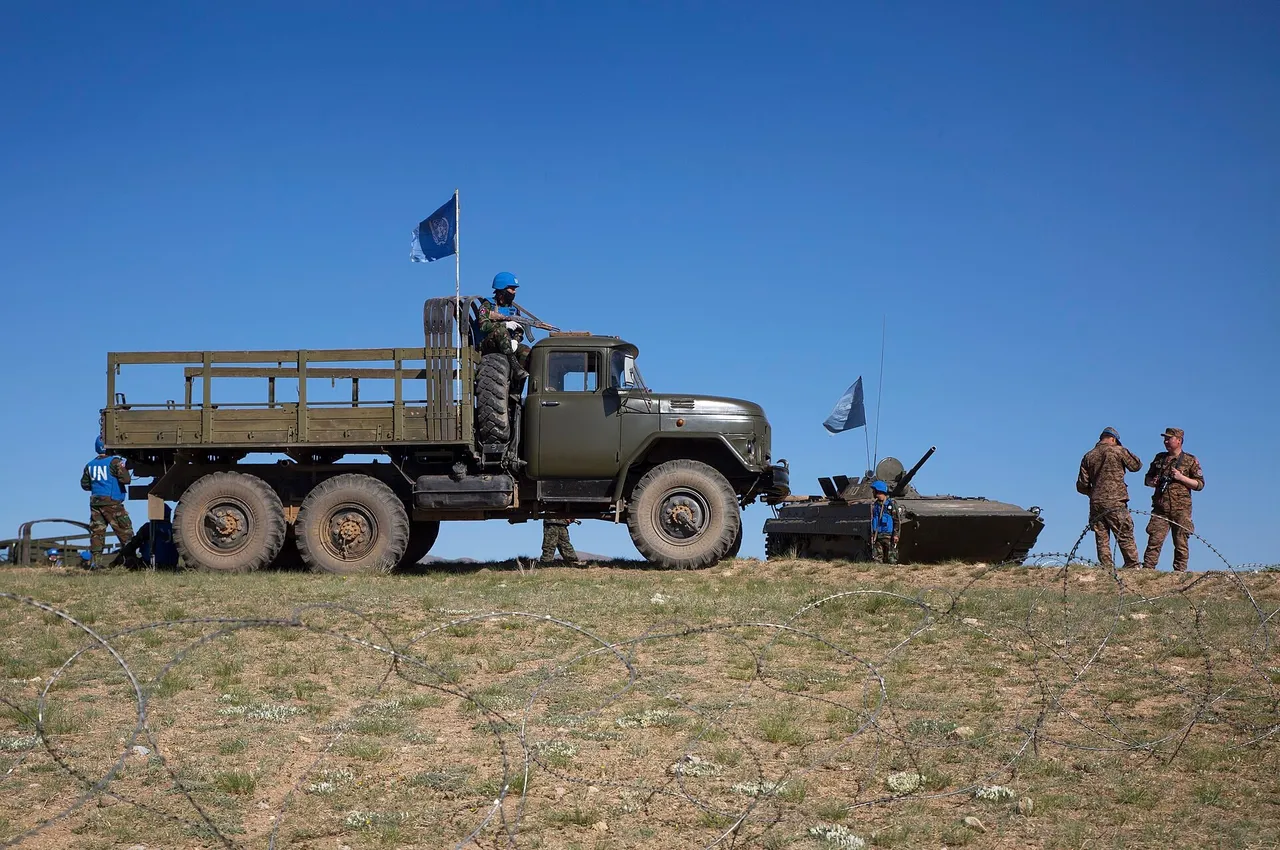
Cambodia starts its first military conscription as 5,000 recruits begin training
Hun Manet opened the draft on Independence Day and paired it with a shake-up that pulls soldiers out of small district posts and into battalions.
TaiwanDefence · 5h ago · 2 min read
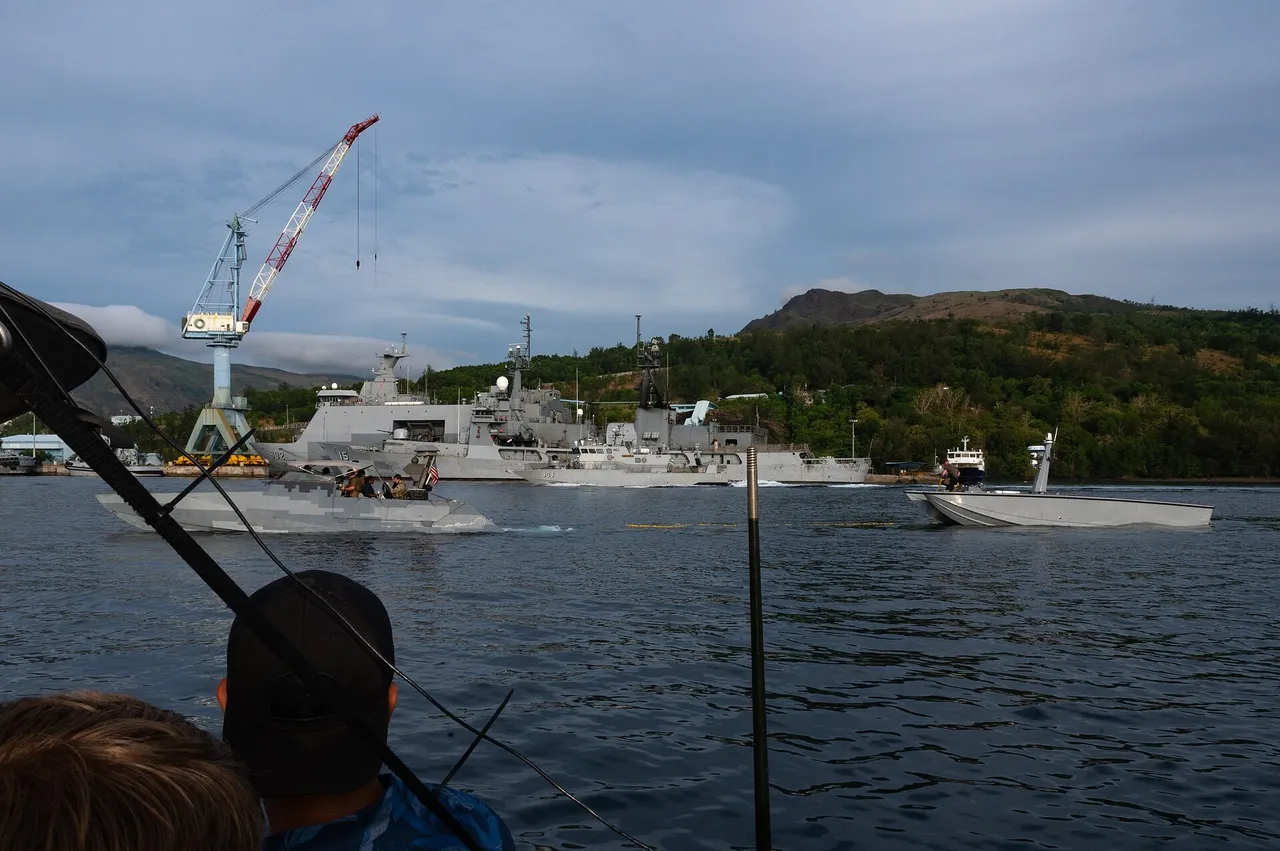
US hands Philippine Marines two Devil Ray drone boats worth more than $8 million
The US Embassy says the two uncrewed T38 surface vessels will let the Philippine military watch wider stretches of its waters for longer and at lower cost.
TaiwanDefence · 6h ago · 2 min read
Discussion (0)
Comments are not currently available.