ANALYSIS
Outnumbered at sea, Taiwan's navy bets on coastal missiles and submarines rather than hulls
Taiwan's first 128 land-based Harpoons are due by year-end, a senior military source said on 7 October 2026. The buy shows how Taipei is answering a fleet gap it cannot close.
TAIPEI —
This article is an original Taiwan Defence analysis based on the cited public sources. It distinguishes reported facts from analytical judgments and does not represent original field reporting.
The first 128 missiles for Taiwan's land-based Harpoon Coastal Defense System are due to arrive before the end of this year, a senior military source said on Wednesday, 7 October 2026, and the navy's Littoral Combat Command plans to form a fourth littoral combat group in 2027 to operate them, the Taiwan Post reported.
Taiwan has ordered 100 launch systems, 400 missiles, four training rounds, 100 launcher vehicles and 25 radar trucks. Once the new group stands up, the command will have five operational groups: four littoral combat groups and a maritime tactical reconnaissance group. The Harpoons will be layered with domestic Hsiung Feng II, Hsiung Feng III and extended-range Hsiung Feng III missiles under command-and-control equipment built by the National Chung-Shan Institute of Science and Technology.
The announcement is a small logistics milestone, but it captures the central choice in Taiwanese naval planning. On every count of ships and submarines, Taiwan is outnumbered by China and outclassed in size by Japan. Its navy is therefore putting its marginal money into mobile shore-based missiles and a handful of submarines, weapons meant to deny the Taiwan Strait to an invasion fleet rather than to control it.
A gap measured in multiples
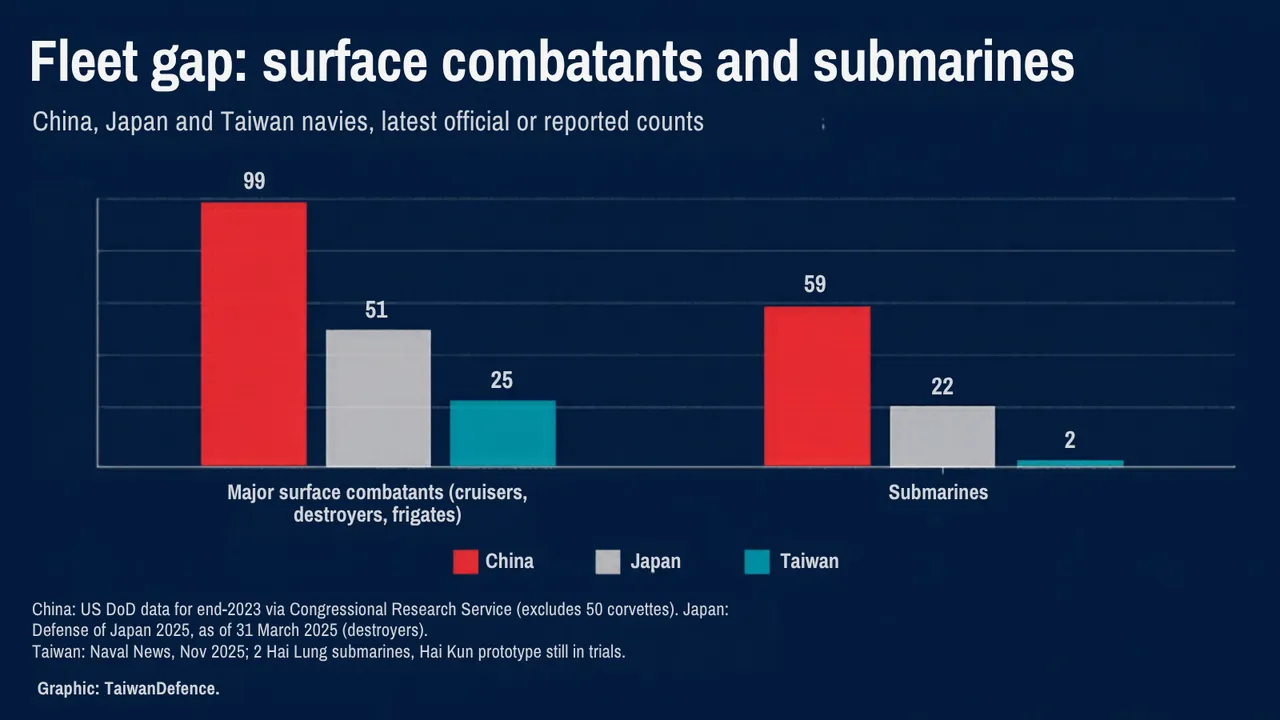
The most detailed public count of China's navy comes from the US Defense Department's annual China report, tabulated by the Congressional Research Service. For end-2023, it lists 3 aircraft carriers, 8 cruisers, 42 destroyers, 49 frigates and 50 corvettes, plus 59 submarines, of which 6 are ballistic-missile boats and 6 are nuclear-powered attack boats. That makes 332 principal combat ships before auxiliaries are added.
The Pentagon's headline figure is larger because it counts differently. It describes a battle force of more than 370 ships including auxiliaries, excluding about 60 Houbei-class missile catamarans, and projects 395 ships by 2025 and 435 by 2030. It expects the submarine force to reach 65 boats by 2025 and 80 by 2035. Readers should treat these as US government estimates, not Chinese disclosures.
Japan's Ministry of Defense listed 51 destroyers and 22 submarines in commission at 31 March 2025, with combined standard displacement of about 284,000 tonnes for the destroyers and 64,000 tonnes for the submarines. Japan's figures fold frigate-sized ships into the destroyer category, so they are not a like-for-like match with the US count of Chinese types.
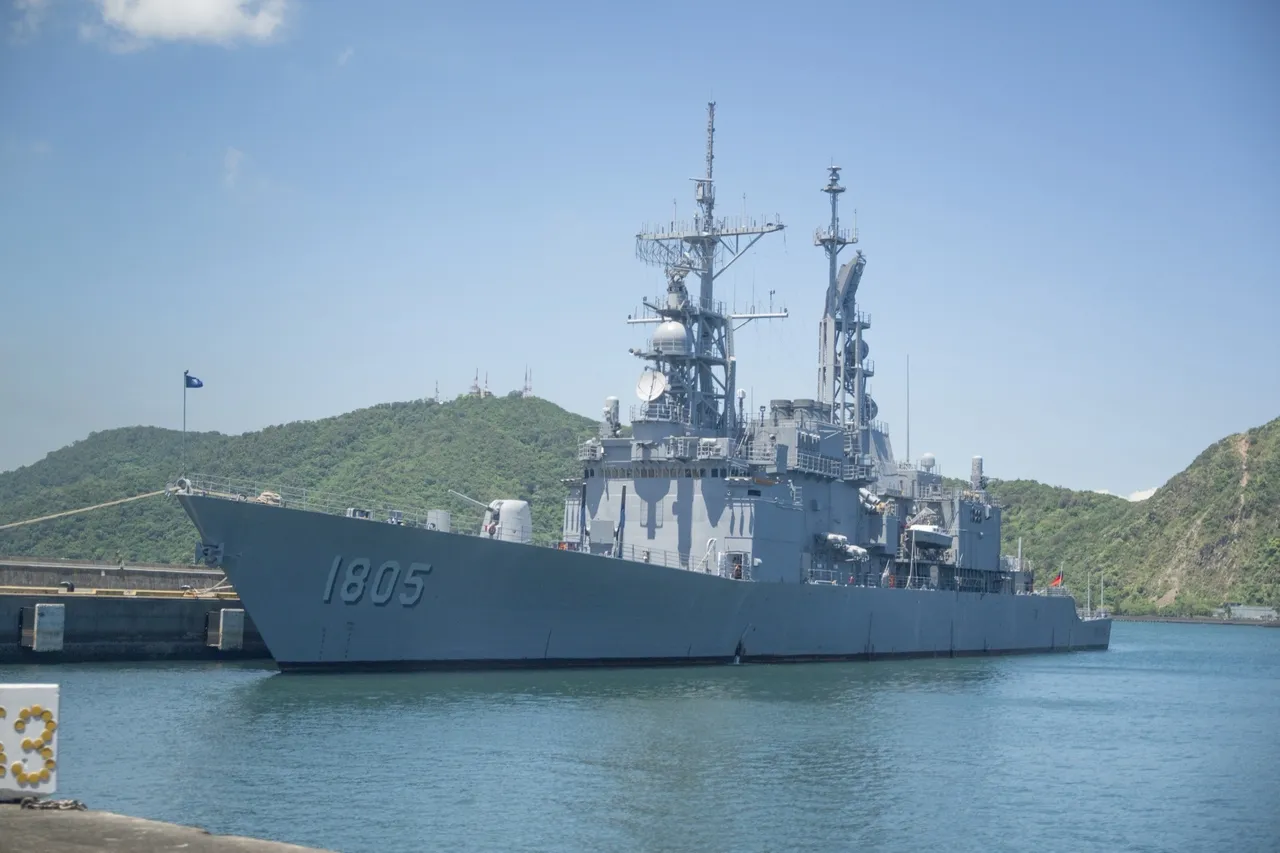
Taiwan's surface fleet, by Naval News' count in November 2025, is 25 major ships: four Kee Lung-class destroyers, ten Cheng Kung-class frigates, six Kang Ding-class frigates and five Chi Yang-class frigates. Fifteen of them had been in service for more than 25 years, and the Chi Yang ships were between 51 and 53 years old. Under water, Taiwan still relies on two Dutch-built submarines delivered in the 1980s.
Put side by side, China fields roughly four times as many cruisers, destroyers and frigates as Taiwan, at 99 against 25, and about 30 times as many submarines, at 59 against 2. Japan's destroyer force alone is about double Taiwan's surface fleet. No plausible budget closes those ratios within a decade.
Sources: crs, jmod, nn, tdn
Missiles instead of hulls
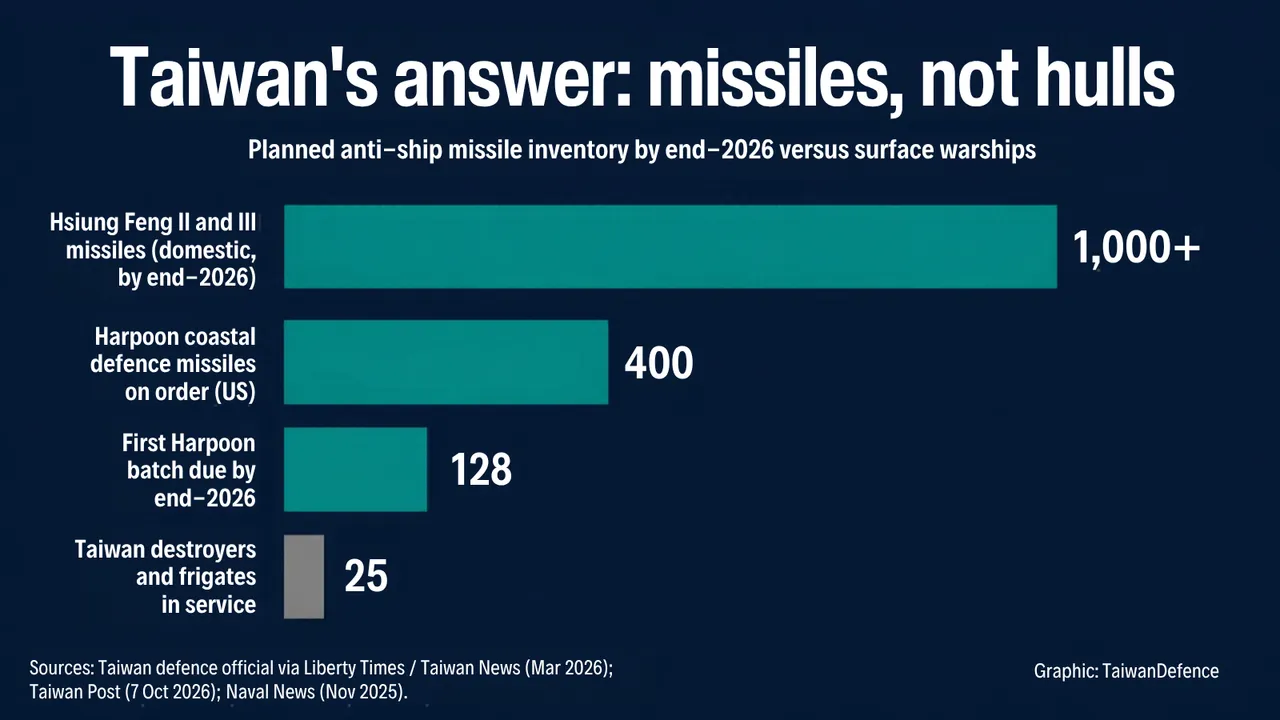
Taiwan's answer is volume in a different currency. A defence official told the Liberty Times in March, as relayed by Taiwan News, that Taiwan would hold more than 1,000 domestically built Hsiung Feng II and III missiles by the end of 2026. With 400 Harpoons arriving in batches through 2028, the total anti-ship inventory would exceed 1,400. The National Chung-Shan Institute of Science and Technology was producing about 200 Hsiung Feng missiles a year under the special budget.
Sources: tn, tpost, nn
Those figures are official projections reported second-hand rather than audited inventories, and the March report said the military planned to acquire 32 Harpoon systems and 128 missiles by 2026. The 7 October report is consistent with that plan, which suggests the US production line is holding schedule for Taiwan.
The logic is cost exchange. A truck-mounted launcher that can hide in Taiwan's mountains and urban sprawl is far harder to find and kill than a destroyer at a pier. Every Chinese amphibious ship that must cross the Taiwan Strait becomes a target, while Taiwan's own large warships would be exposed to China's land-based missiles from the outset of a conflict.
Submarines remain the weak link
The undersea leg is where the plan is least mature. The prototype Hai Kun completed its 23rd sea trial and 17th submerged test on 2 October near Kaohsiung, according to The Defense News. Builder CSBC Corporation missed its November 2025 contract deadline and has been paying penalties of about NT$190,000 a day, and the navy is aiming for handover by the end of 2026.
Delivery will not mean combat readiness. The navy still has to certify the boat, integrate its systems and run operational tests, and money for follow-on boats depends on the prototype passing its trials. Until then Taiwan's submarine force stays at two operational boats from the 1980s, against a Chinese force that the Pentagon expects to keep growing.
What to watch
Three markers will show whether the denial strategy is real or rhetorical: the first Harpoon shipment landing on schedule, the fourth littoral combat group standing up in 2027, and Hai Kun handing over and passing operational tests. If all three arrive, Taiwan will still be badly outnumbered in ships. But it will have shifted the contest toward one an attacker must win at sea, in range of more than 1,400 missiles.
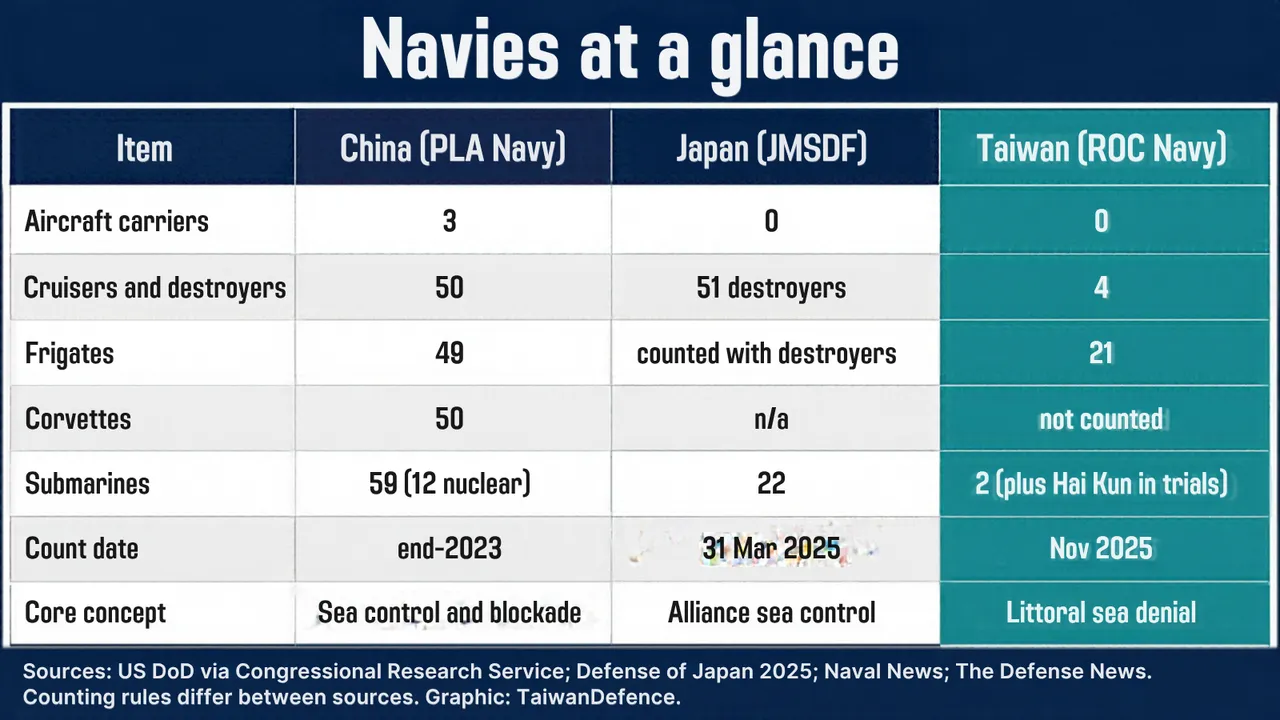
Sources: crs, jmod, nn, tdn
Sources
More in Analysis
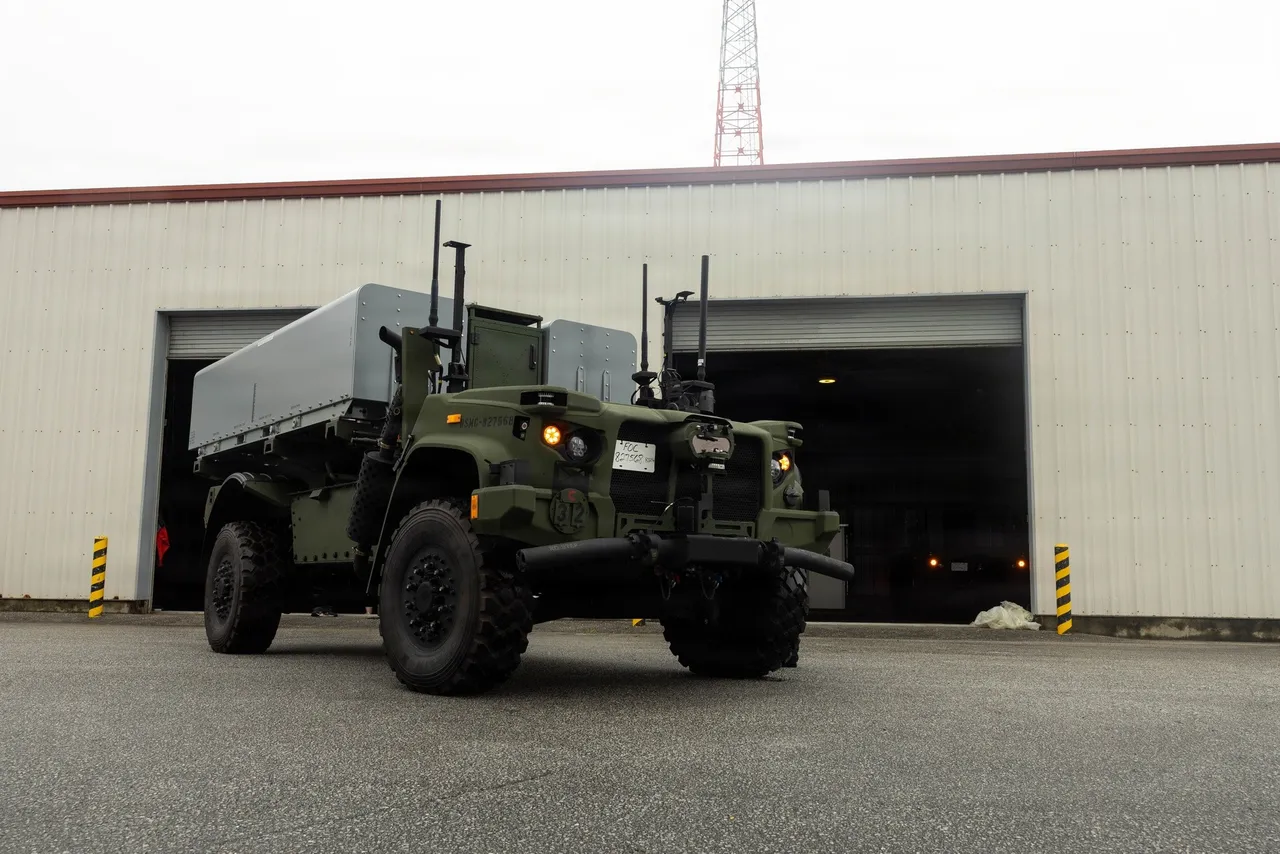
Yonaguni NMESIS package turns Keen Sword into a Taiwan-adjacent sea-denial rehearsal
Reporting dated 5 October 2026 details the first Marine Corps NMESIS and MADIS package planned for Yonaguni in Keen Sword, rehearsing distributed coastal fires within about 110 kilometres of Taiwan.
TaiwanDefence · 2d ago · 3 min read
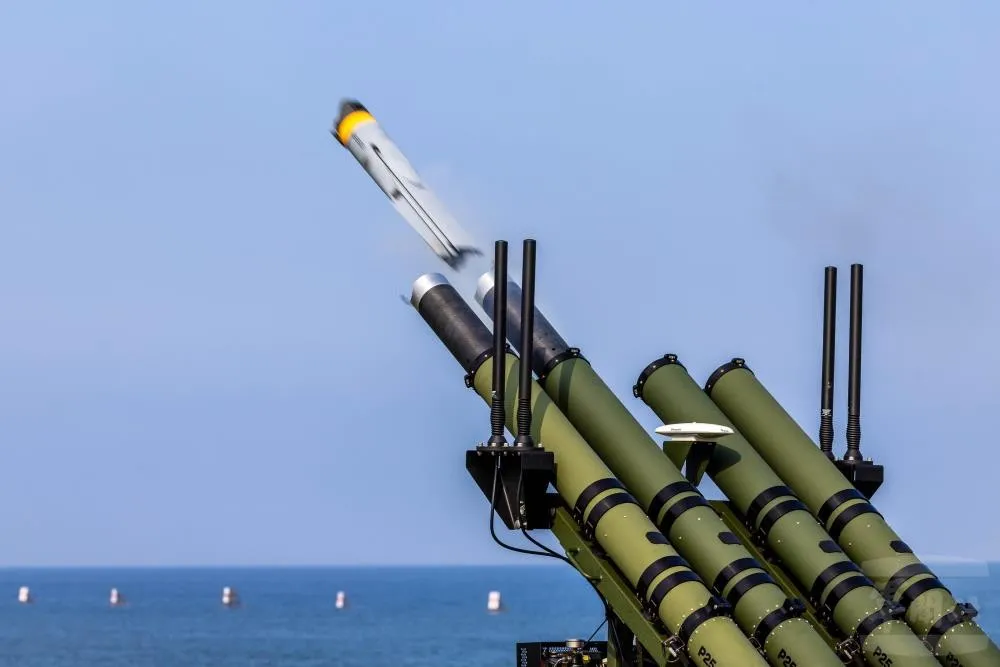
Japan fields six V-BATs as Taiwan funds drones
On 5 October 2026, Jiji and The Japan Times reported Japan MSDF flying six V-BATs. Taiwan's 27 August NT$240bn drone law and same-day Altius LOA keep the delivery test through 2026-28.
TaiwanDefence · 2d ago · 43 min read
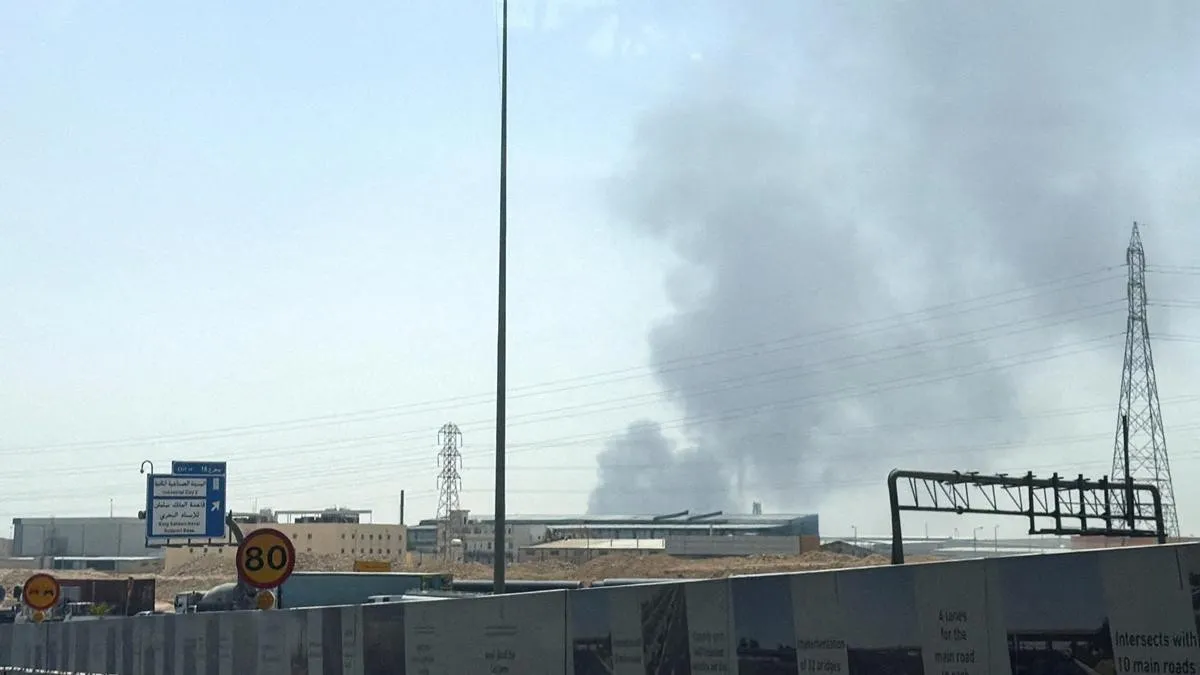
Houthis say missiles hit Aramco near Riyadh
On 3 October 2026 the Houthis said missiles and drones hit an Aramco site near Riyadh, timely because an AFP journalist saw the refinery on fire that afternoon.
TaiwanDefence · 2d ago · 4 min read
Discussion (0)
Comments are not currently available.