
South Korea clears its nuclear submarine plan for a 2027 start and a shipbuilder contest
Seoul's arms committee approved the Jang Bogo N basic strategy and skipped a feasibility study, but talks with Washington on reactor fuel remain stalled.
TAIPEI —
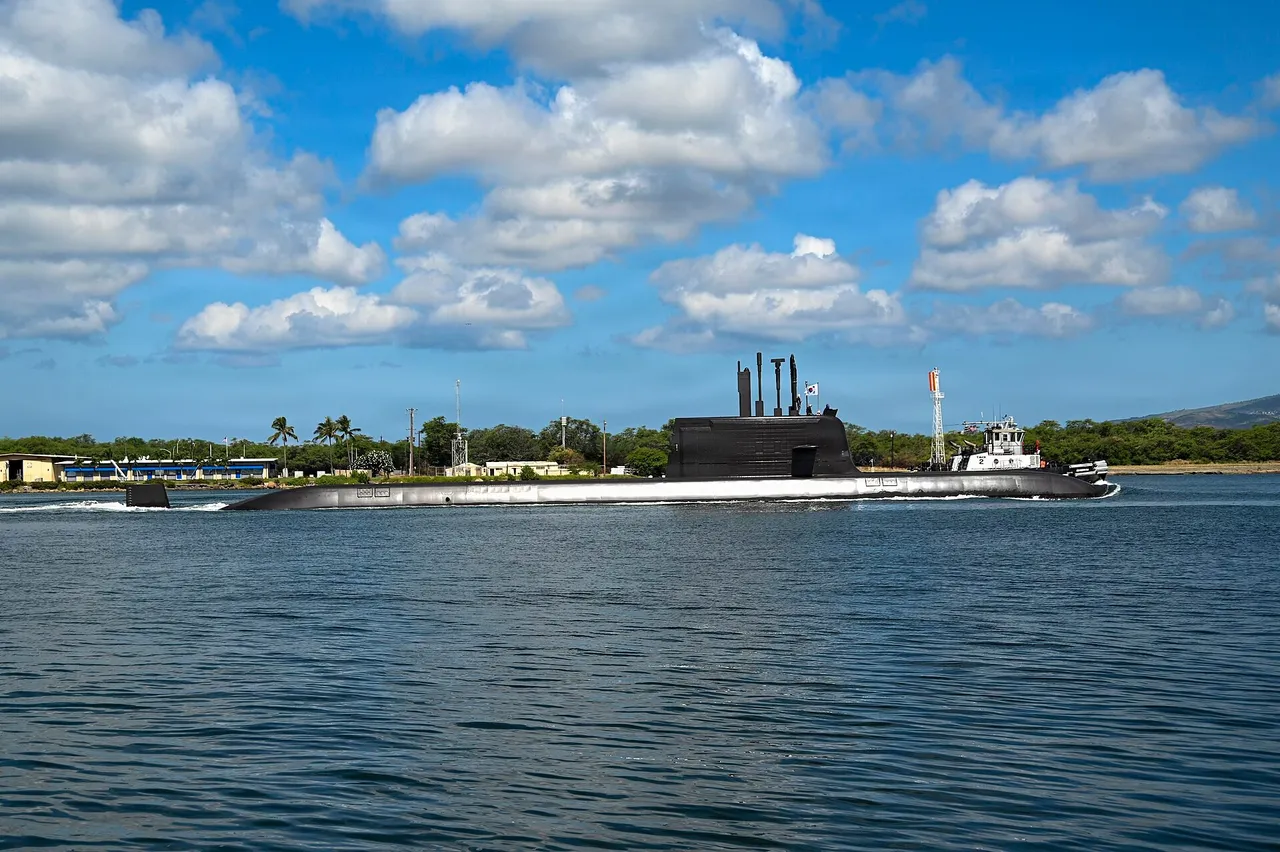
A defence acquisition committee under South Korea's arms procurement agency approved the basic acquisition strategy for the Jang Bogo N project on 6 November 2026, clearing the way for the country's first nuclear-powered submarine program, according to Yonhap and the Korea JoongAng Daily. The Defense Acquisition Program Administration, known as DAPA, said the decision turns the basic development plan the government unveiled in May into a formal weapons acquisition program, which will formally launch in 2027.
Yonhap reported that Seoul is aiming for nuclear-propelled but conventionally armed attack submarines, with the first boat launched in the mid-2030s and fielded after the late 2030s. DAPA said the project should strengthen deterrence against North Korean nuclear and missile threats and extend the underwater reach of South Korea's Kill Chain preemptive strike system, Munhwa Ilbo reported.
The program has been exempted from the preliminary feasibility study normally required for major arms purchases. Yonhap said the exemption was granted in August under rules that let highly classified projects skip that step, and the JoongAng Daily noted that such a study usually takes one to two years. Aju Press reported that a separate in-depth assessment will still be carried out.
Hull design and construction will go to competitive bidding among domestic shipbuilders rather than a sole-source award, Aju Press reported, with DAPA saying local yards had shown enough submarine design and building capability to justify a contest. The JoongAng Daily said Hanwha Ocean and HD Hyundai Heavy Industries, which have both built submarines for the Navy, are expected to compete. The government plans to buy the small modular reactor for propulsion, and certain missile systems, on its own account and supply them to the winning builder.
Yonhap said DAPA intends to select the builder through open bidding in the first half of next year and sign a contract by the end of 2027. The JoongAng Daily described the sequence slightly differently, with a basic system development plan in the first half of 2027 followed by a tender, bid evaluation and a contract before the year ends. A DAPA official told reporters that the Dosan Ahn Chang-ho, the 3,000-ton boat Korea designed on its own, took about four years to design and five to build, and that a nuclear-powered boat is expected to take somewhat longer.
Fuel is the most sensitive open question. Yonhap said Seoul has secured US consent to build submarines powered by high-assay, low-enriched uranium enriched to below 20 percent. The JoongAng Daily reported, however, that vice-ministerial talks with Washington on the security provisions of the October 2025 joint fact sheet opened in Seoul in June and covered submarine construction, uranium enrichment and spent fuel reprocessing, but that a second round planned for Washington in July has yet to take place. A DAPA official said that starting the project before those talks conclude would take a policy and political judgment.
Money is also unsettled. Yonhap said the total budget has not been finalised and remains under deliberation, while Aju Press said it was not disclosed for security reasons. Yonhap noted media reports that Seoul wants at least three 8,000-ton boats at an estimated 28.9 trillion won, or about US$21.3 billion, and the JoongAng Daily said a design of about 8,000 tons using low-enriched uranium is under consideration.
The same meeting approved several other programs, Yonhap reported. They include a second block of the Korean Tactical Surface-to-Surface Missile-I, an artillery-killer system whose range is 30 percent greater than the earlier Block-I missile, with a program running from 2028 to 2035 at about 537 billion won. The committee also passed a revised plan for mass production of a tactical multiband radio, plans for new harbor patrol boats and an unmanned mine-clearing surface vessel, and the choice of the Sikorsky S-92A Plus as the next presidential helicopter. The JoongAng Daily said that helicopter program is worth 873 billion won and that Lockheed Martin was the only bidder.
Sources
More in Indo-Pacific
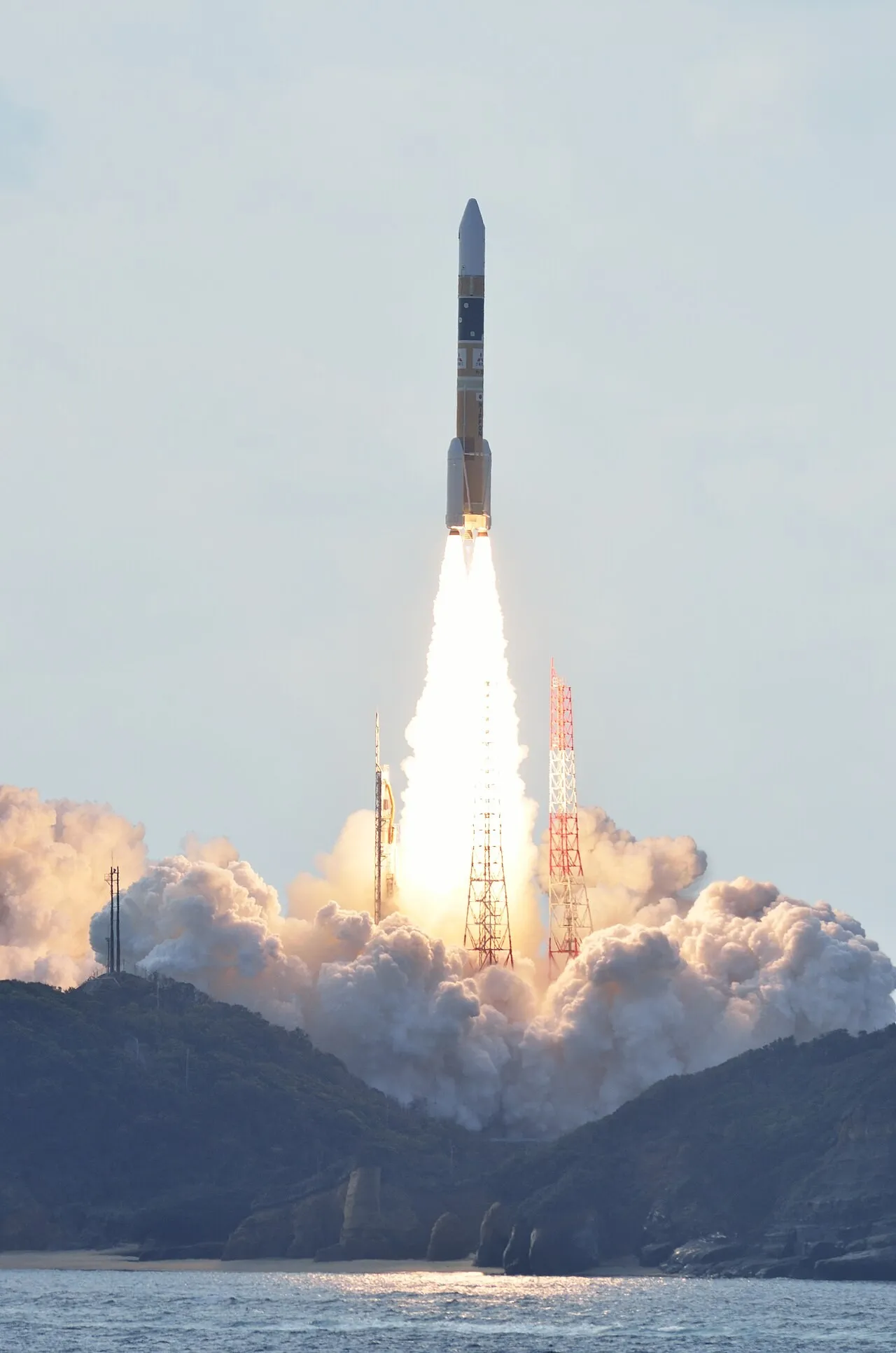
Japan moves to build a signals intelligence satellite to find targets for its counterstrike missiles
The Defence Ministry plans to begin sensor research next year and launch a demonstration satellite by fiscal 2031, the Yomiuri Shimbun reports.
TaiwanDefence · 1h ago · 3 min read
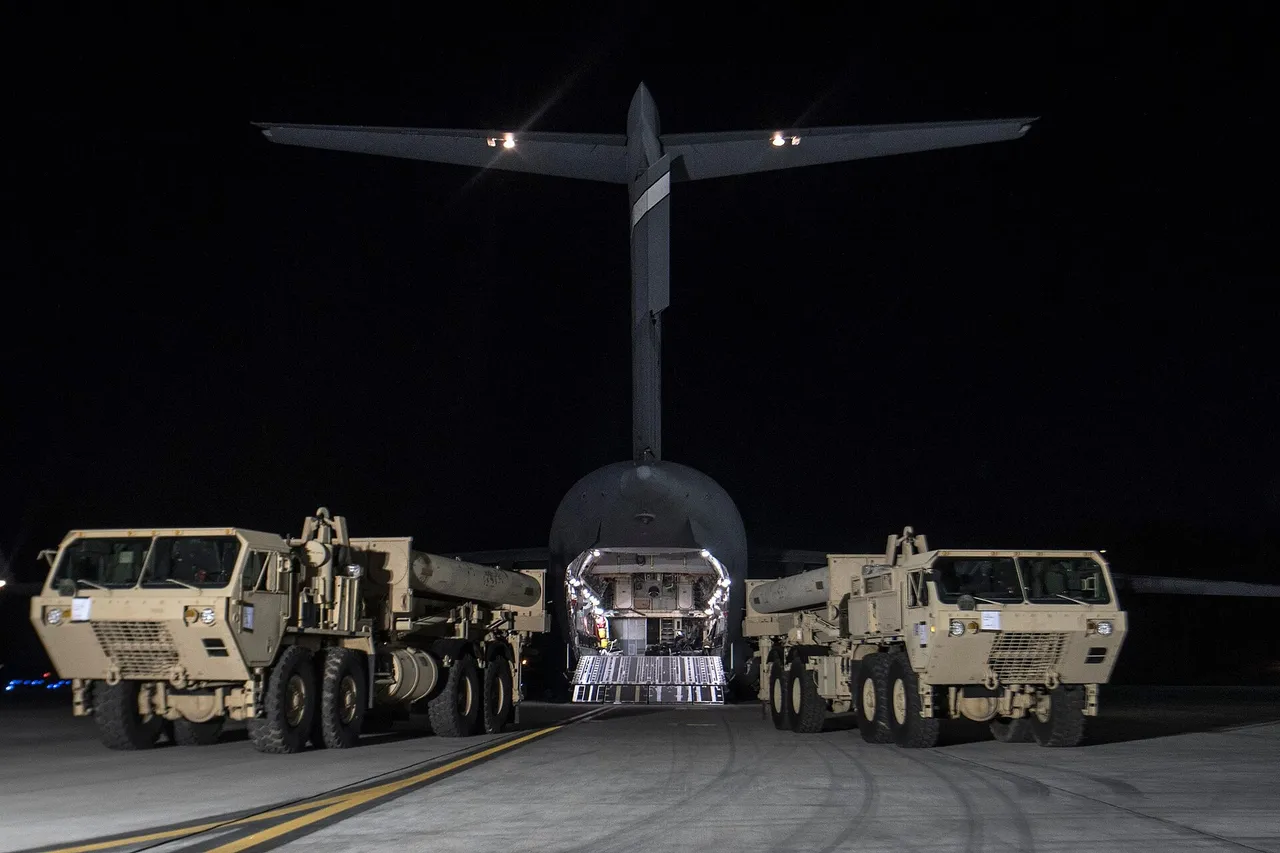
Prosecutors seek prison for Moon-era defence chiefs accused of tipping off THAAD protesters
Seoul prosecutors want jail terms for Chung Eui-yong, Jeong Kyeong-doo and Suh Choo-suk over leaked details of missile defence operations at Seongju.
TaiwanDefence · 4h ago · 3 min read

Japan signs deal to give the Philippine military a coastal radar and surveillance drones
Tokyo's 4.3 billion yen aid package sends a coastal radar to the Philippine Navy and surveillance drones to the Philippine Air Force.
TaiwanDefence · 9h ago · 3 min read
Discussion (0)
Comments are not currently available.