
South Korea moves to curb athletes' military service exemptions as conscript pool shrinks
Seoul's culture minister promised a fundamental overhaul of arts and sports exemptions a day after the defence ministry said it aims to cut or scrap them, citing falling manpower.
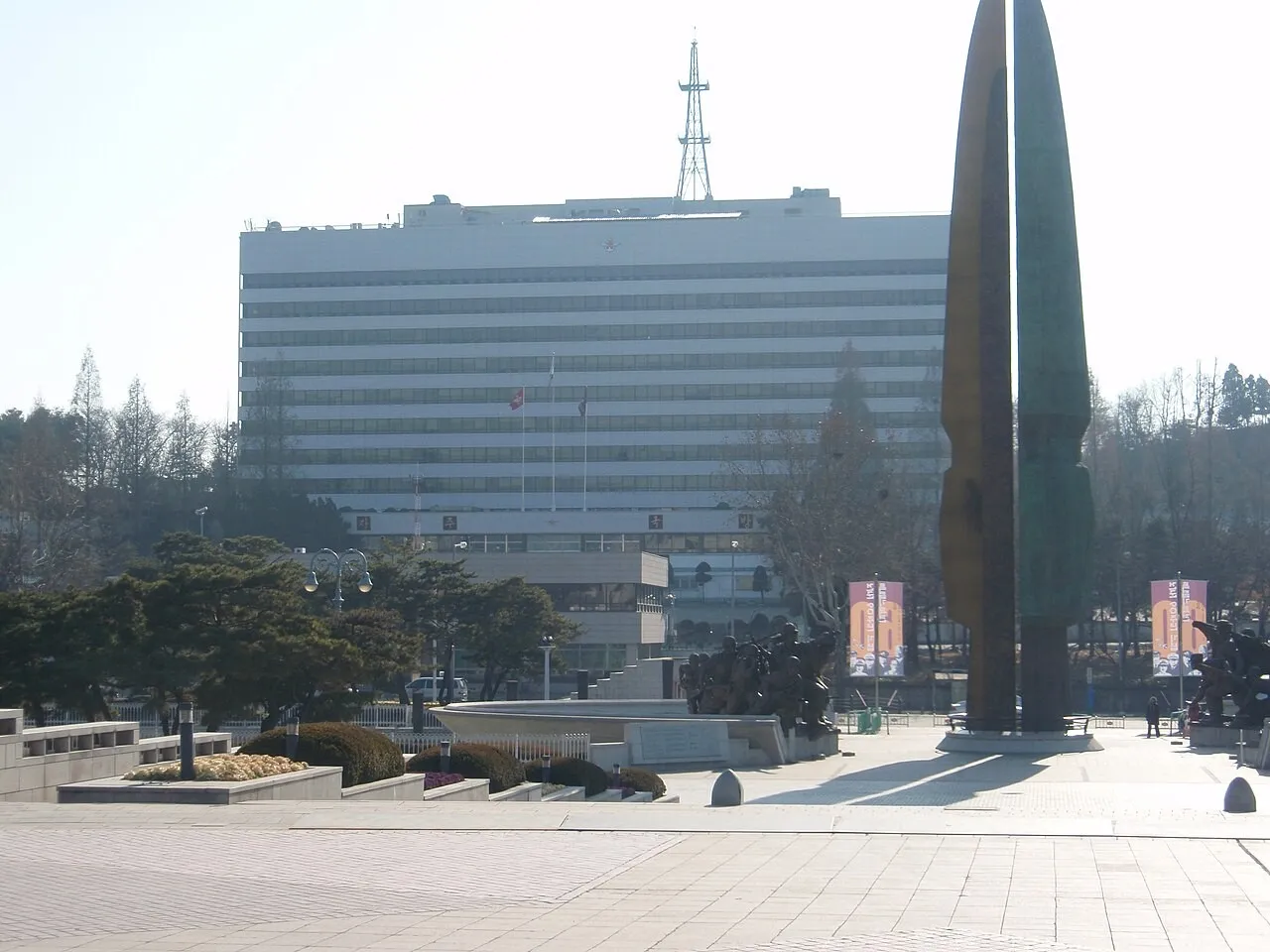
TAIPEI —
South Korea's culture minister said on Wednesday, 7 October, that the government would draw up fundamental and comprehensive measures to overhaul military service exemptions for athletes and artists, a day after the defence ministry said it ultimately intends to cut back or abolish the system as the pool of young men available for conscription shrinks.
Culture, Sports and Tourism Minister Choi Hwi-young told the National Assembly's culture committee during its annual audit of his ministry that he would gather views from the sports and arts communities and consult the defence ministry and the Military Manpower Administration. He said ideas about military service and the value placed on fairness had changed considerably over time, while acknowledging that the system had helped talented athletes and artists achieve results and maintain their skills.
Defence ministry cites manpower decline
On Tuesday, defence ministry spokesperson Chung Binna told a regular briefing that the ministry plans to reduce or scrap supplementary service, including the track for arts and sports personnel, and to reflect that in the basic plan for defence reform now being drawn up. She said the decision would weigh fairness among those liable for service, the declining number of people available for military service and public consensus.
Chung said the ministry deeply regretted remarks made by some in the sports world, and that it hoped the sacrifice of troops and reservists on duty would be respected and that society would come to value military service more highly.
The Hankyoreh noted that the defence ministry has argued for more than a decade that special service arrangements should be phased down and eventually ended because the supply of conscripts would run short from the 2020s. Yonhap reported that the government had already been considering adjusting the size of the supplementary service workforce in the new defence reform plan as the number of active-duty recruits falls rapidly.
Asian Games remarks reignite the debate
The controversy followed South Korea's 1-0 win over Japan in the men's football final at the Aichi-Nagoya Asian Games on Saturday, 3 October, which left 20 of the 23 players eligible for the arrangement. Several players drew public anger after saying in interviews, or showing on social media, that avoiding active-duty service had been their main motivation.
All able-bodied South Korean men must serve 18 to 21 months under the draft. Athletes who win an Olympic medal or an Asian Games gold, and artists who win designated competitions, can instead be placed in supplementary service, which requires three weeks of basic military training and 544 hours of community service in their field over 34 months. The system was introduced in 1973.
At Wednesday's hearing, Democratic Party lawmaker Cho Kye-won said 36 of the 43 athletes set to benefit from these Asian Games were football and baseball players. He proposed replacing eligibility based on a single Asian Games gold with a points system that counts results across several international events, and called for the Armed Forces Athletic Corps, known as Sangmu, to be strengthened so that athletes who do enlist can keep their careers going. Choi said he agreed.
What comes next
Military Manpower Administration Commissioner Hong So-young told Yonhap in August that plans for a phased reduction or abolition of supplementary service were in the final review stage for inclusion in the defence reform plan. The agency has commissioned a policy study on the arts and sports track, with results expected as early as next month, Yonhap reported.
Sources
More in Indo-Pacific
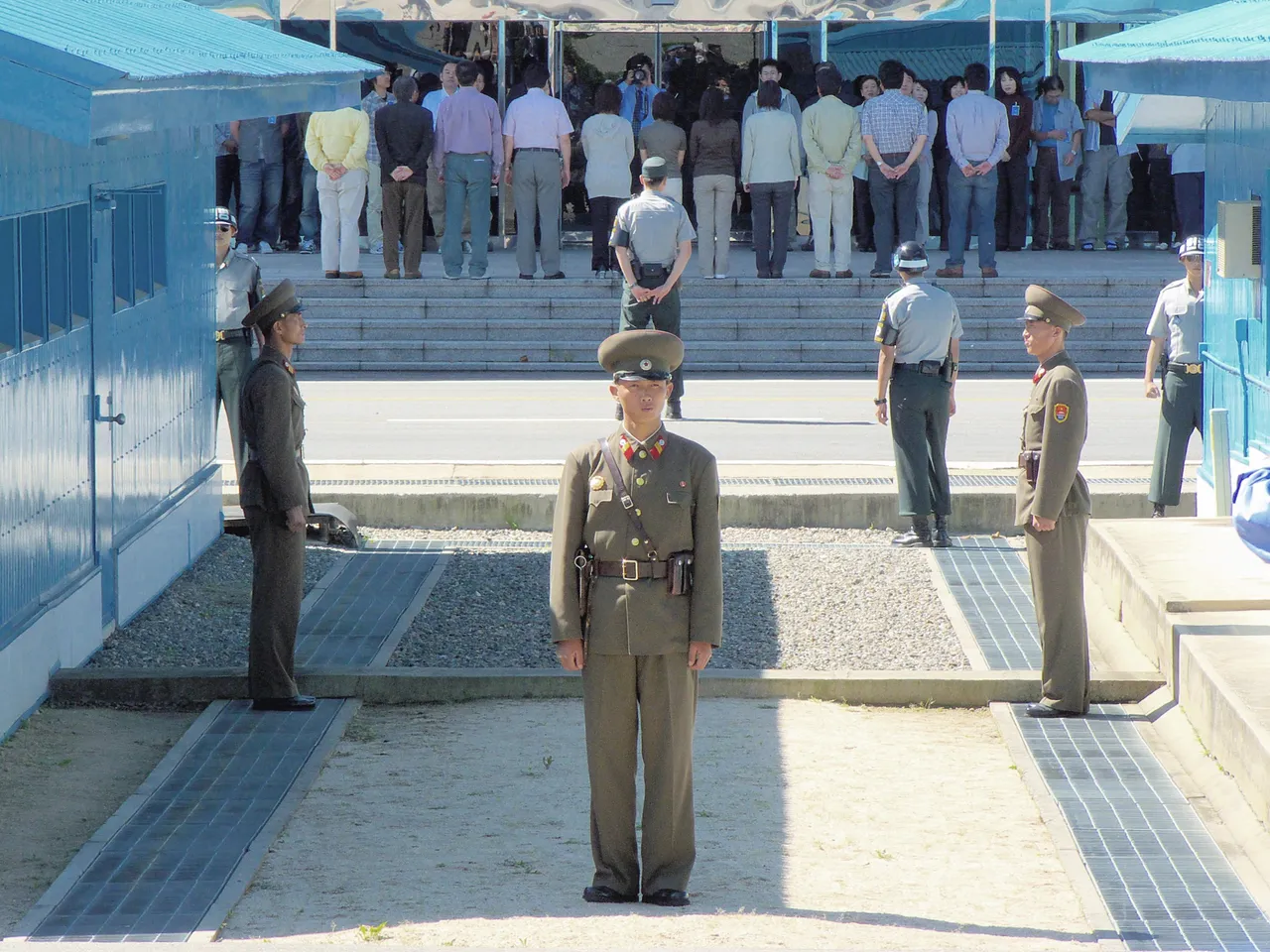
Seoul moves to formally cite North Korea for armistice breaches over DMZ border incursions
South Korea's defence ministry told lawmakers it will work with the UN Command to classify North Korean border incursions as armistice violations and notify Pyongyang.
TaiwanDefence · 3h ago · 3 min read
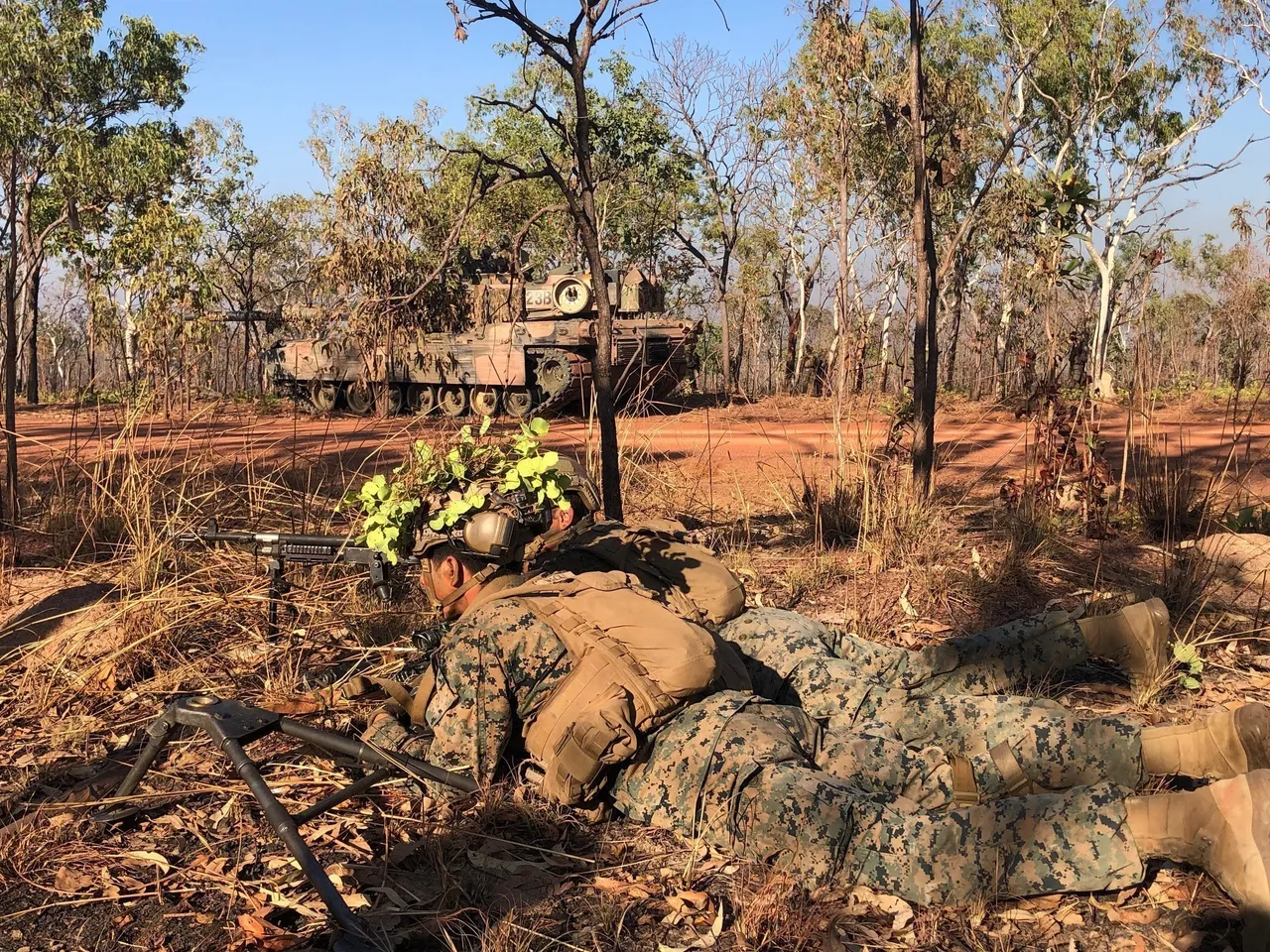
Australian Army corporal killed and five soldiers hurt in rollover at Mount Bundey
Corporal Brendan Hannam, 28, of the Darwin-based 5th/7th Battalion died when a troop-carrying vehicle rolled during training in the Northern Territory, Defence said.
TaiwanDefence · 5h ago · 3 min read
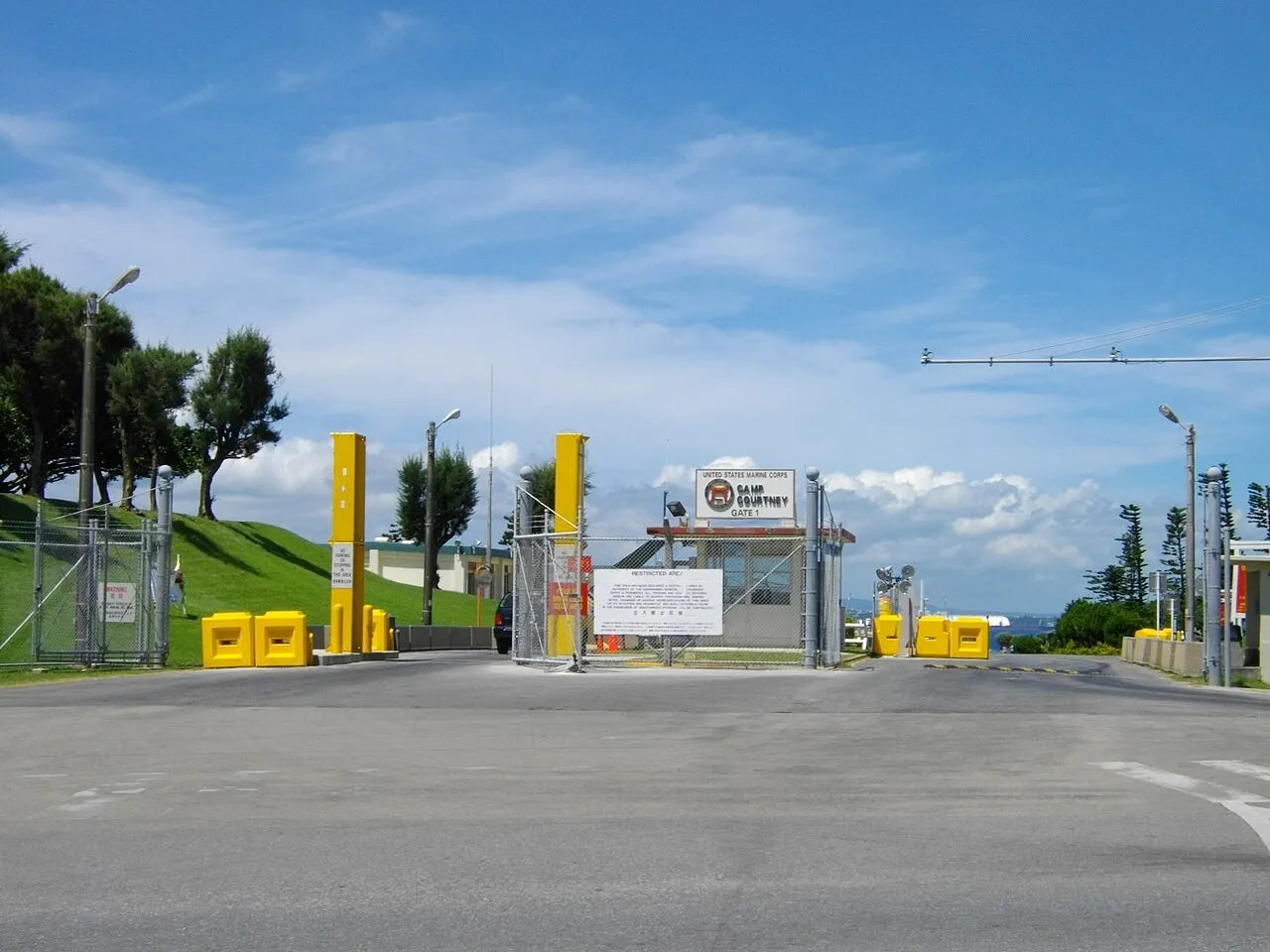
US forces on Okinawa halt routine operations for 48 hours and impose curfew after Marine murder arrest
All US military personnel on the island stand down from noon on 7 October to noon on 9 October for discipline training, followed by a 30-day midnight curfew, after a Futenma-based Marine was arrested in a Naha killing.
TaiwanDefence · 7h ago · 3 min read
Discussion (0)
Comments are not currently available.