
South Korea's defence minister rules out closing the service academies as he reworks a merger plan
Kang Shin-chul told alumni leaders the army, navy and air force academies will survive as Seoul weighs a compromise on joint officer training.
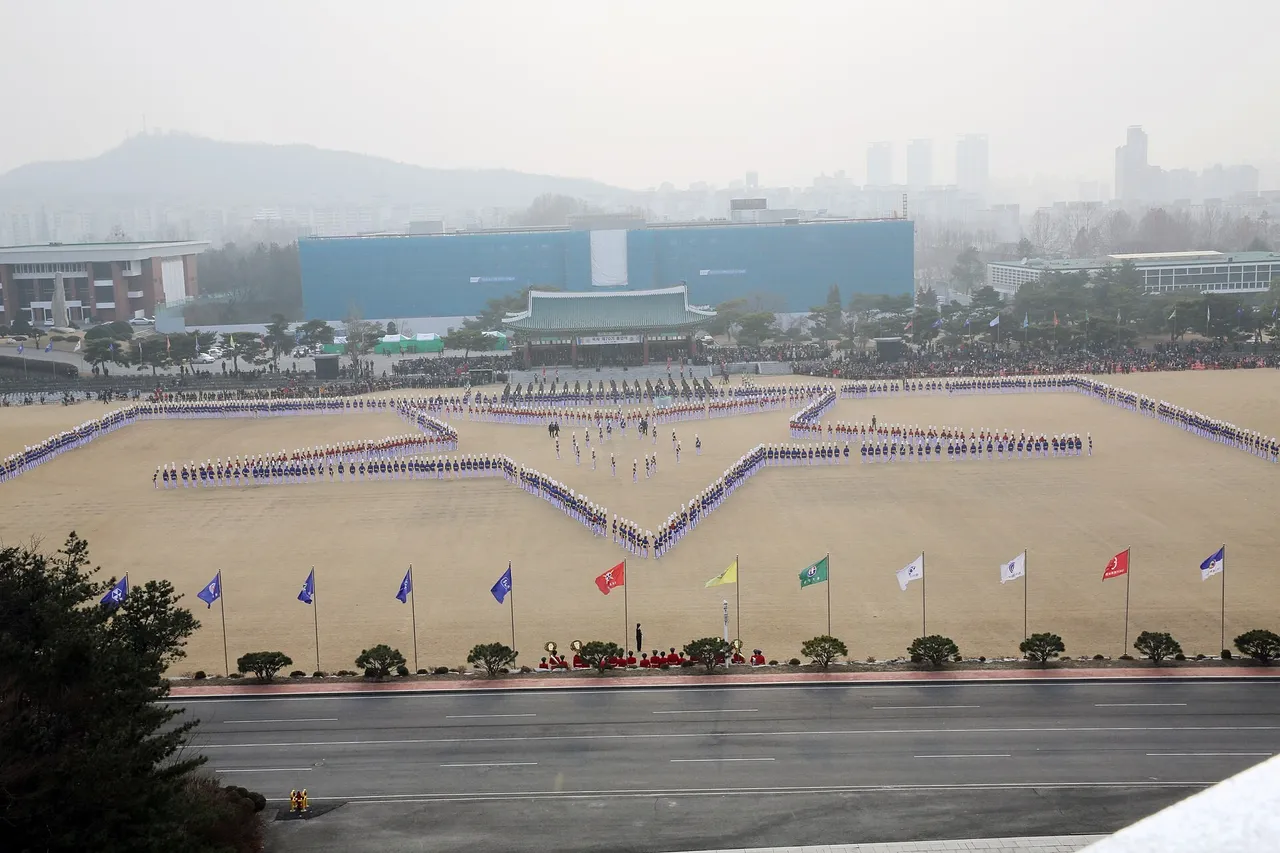
TAIPEI —
South Korea's defence minister, Kang Shin-chul, said on 9 November that the government will not close the army, navy and air force academies, signalling that a plan to educate all officer cadets at one new institution will be reworked after months of resistance from graduates. Kang made the remarks at the defence ministry in Seoul's Yongsan district during a meeting with the heads of the three academies' alumni associations, his first such public meeting since he took office in September.
The Lee Jae Myung government wants a single institution, tentatively called the National Military Academy, to strengthen joint operations between the services and to ease personnel shortages in the military. A basic plan announced in July proposed four years of education for all cadets at Jaundae, a complex of military training and education facilities in Daejeon about 140 kilometres south of Seoul. A detailed road map that was due last month was pushed back after strong opposition from graduates.
Kang told the alumni leaders he had heard many calls to revise parts of the basic plan and was weighing several options. According to Financial News and Asia Economy, he said the academies would keep their names, class designations and traditions, and that cadets could still receive diplomas from their own schools. He argued that education in each service must continue unless South Korea moves to a single integrated force, and said he would think further about where the new institution should be located.
Two parallel-education options are reportedly under review. One would have cadets start with a year at their own academy, spend two years of joint education at the new institution and return to their service school for a final year before commissioning. The other would reverse the sequence, with the first and last years at the new academy and the middle two at the service schools. Asia Economy reported that the ministry is also seriously considering letting naval and air force cadets keep using existing facilities at Jinhae and Cheongju.
The alumni groups were not persuaded. Park Pan-joon, who heads the Korea Military Academy alumni association, told Kang the plan amounted to closing the schools rather than merging them and questioned whether its purpose was political. Newspim reported that he said the association was compiling a record of officials who pushed the plan and was preparing possible legal and administrative action if the policy is later reversed. The naval academy group's leader, Lee Beom-rim, said moving his school inland would cut the navy off from its roots and called for an independent review panel. The air force academy group's head, Hwang Seong-jin, said relocating from Cheongju would waste money and argued that real jointness depends on command systems and doctrine rather than on friendships formed as cadets. The three groups handed Kang a joint letter for President Lee asking for the integration drive to be halted.
Kang acknowledged that an advisory committee made up only of supporters was not appropriate and asked the associations to nominate members who hold opposing views. He said he would meet cadets on 10 November, to be followed by a survey of officers across the services and public hearings before a revised plan is announced. A ministry spokesperson, Chung Binna, told reporters the ministry was supplementing the plan in order to train elite officers for future warfare, and the ministry said no option had been finalised.
Questions remain at the top of government. Newspim cited an unnamed person familiar with the presidential office as saying President Lee reacted negatively when Kang reported the parallel-education option, and that neither a full merger nor a compromise had been settled; that account has not been confirmed by the ministry. The future of the army academy's campus at Taereung in northern Seoul is also unresolved, with Asia Economy reporting a widespread view inside the military that it would still have to move even if the naval and air force schools stay where they are.
The dispute matters because the academies train the officers who will command South Korea's army, navy and air force, and the government has presented the merger as a way to build joint operational skills while coping with a shrinking pool of military personnel. Kang's remarks suggest the ministry now sees a compromise that preserves service-specific training as the more likely path, but the final shape of officer education will depend on the consultations he has promised and on the president's view.
Sources
More in Indo-Pacific
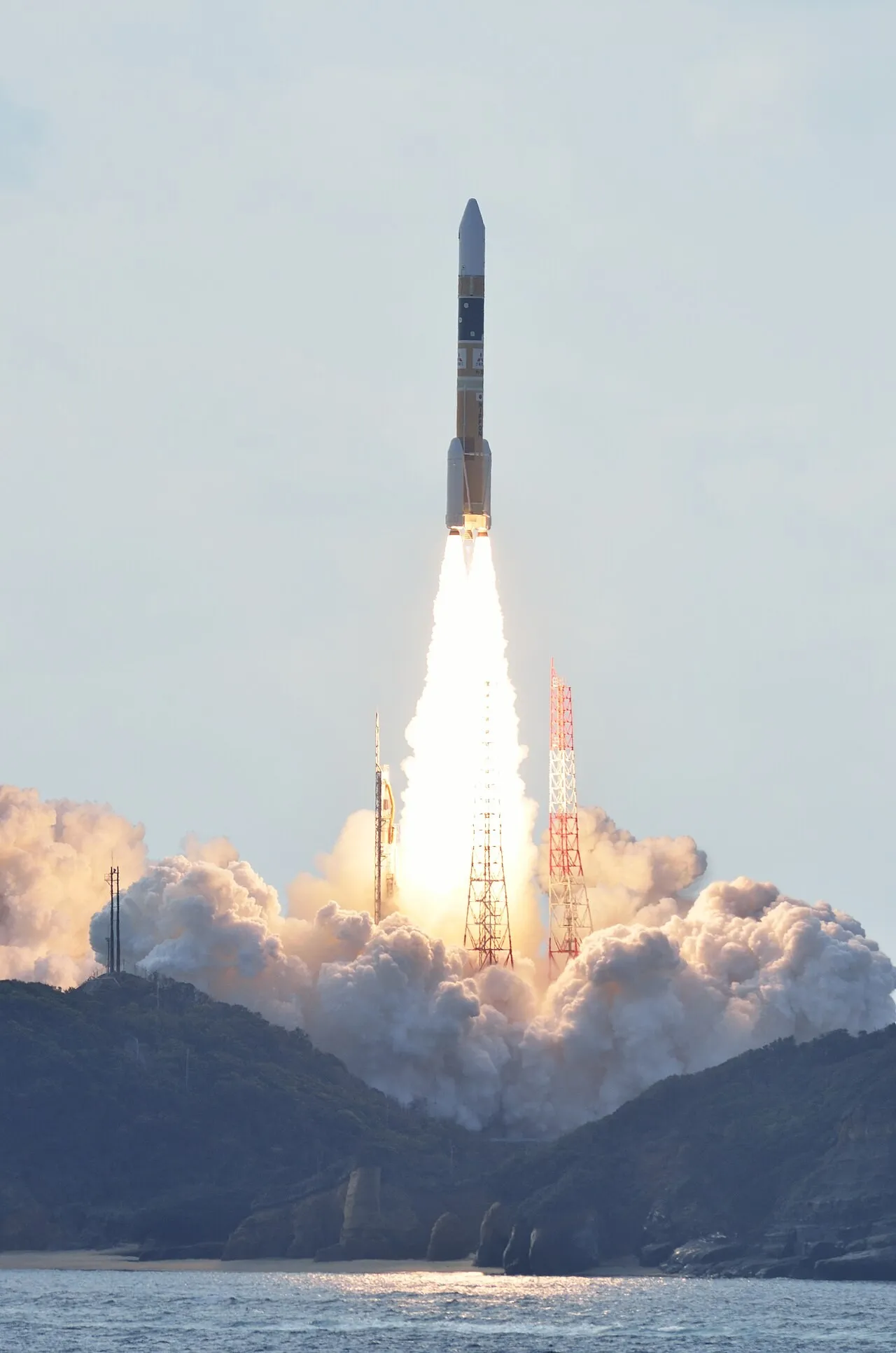
Japan moves to build a signals intelligence satellite to find targets for its counterstrike missiles
The Defence Ministry plans to begin sensor research next year and launch a demonstration satellite by fiscal 2031, the Yomiuri Shimbun reports.
TaiwanDefence · 1h ago · 3 min read
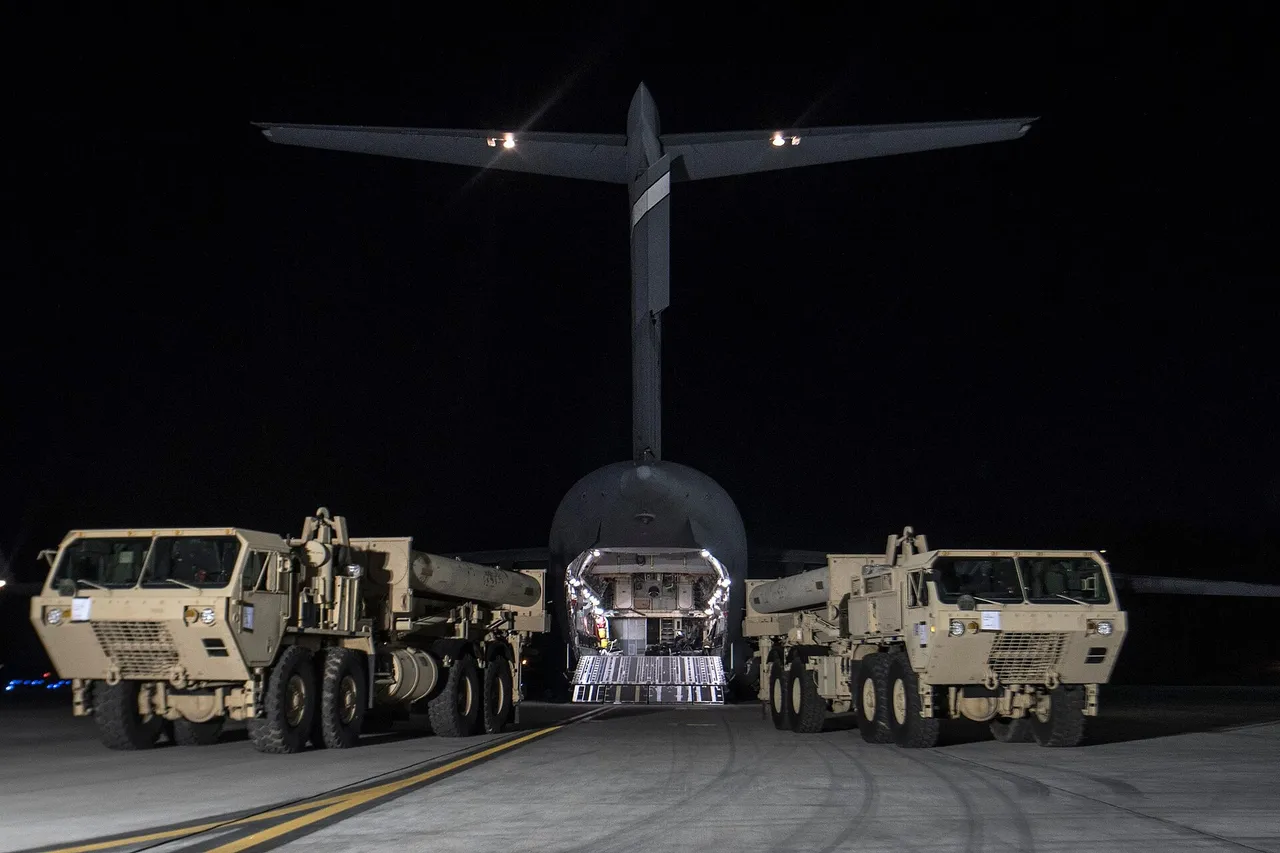
Prosecutors seek prison for Moon-era defence chiefs accused of tipping off THAAD protesters
Seoul prosecutors want jail terms for Chung Eui-yong, Jeong Kyeong-doo and Suh Choo-suk over leaked details of missile defence operations at Seongju.
TaiwanDefence · 4h ago · 3 min read
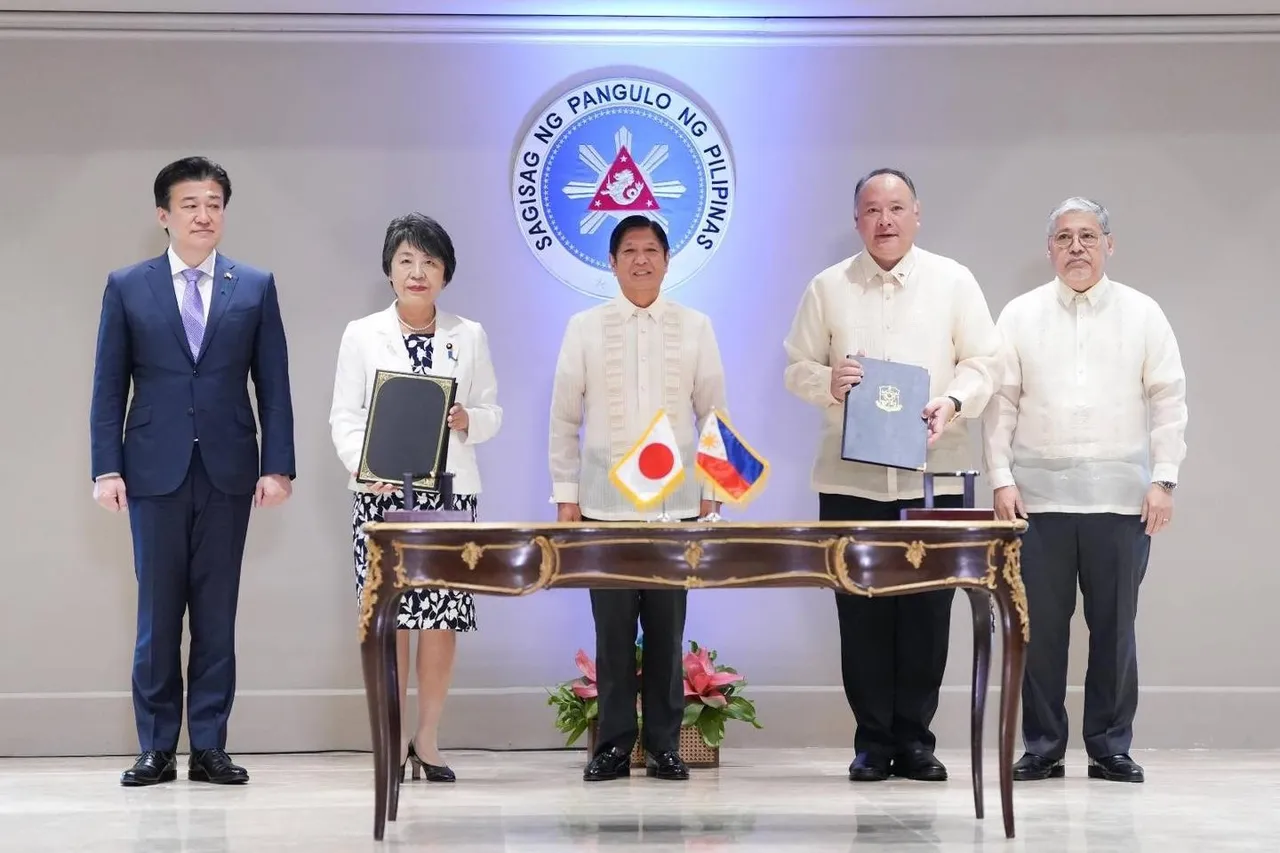
Japan signs deal to give the Philippine military a coastal radar and surveillance drones
Tokyo's 4.3 billion yen aid package sends a coastal radar to the Philippine Navy and surveillance drones to the Philippine Air Force.
TaiwanDefence · 9h ago · 3 min read
Discussion (0)
Comments are not currently available.